
Articles | Volume 19, issue 14
https://doi.org/10.5194/amt-19-4721-2026
© Author(s) 2026. This work is distributed under
the Creative Commons Attribution 4.0 License.
the Creative Commons Attribution 4.0 License.
https://doi.org/10.5194/amt-19-4721-2026
© Author(s) 2026. This work is distributed under
the Creative Commons Attribution 4.0 License.
the Creative Commons Attribution 4.0 License.
Research article
| 
23 Jul 2026
Research article |
| 23 Jul 2026
| 23 Jul 2026
An integrated synchronous online analyzer for gaseous and particulate reactive oxygen species (ROS): development, characterization and field observations
Yihui Wang
State Key Laboratory of Regional Environment and Sustainability, International Joint Research Center for Atmospheric Research (IJRC), College of Environmental Sciences and Engineering, Peking University, Beijing, 100871, China
Huan Song
State Key Laboratory of Regional Environment and Sustainability, International Joint Research Center for Atmospheric Research (IJRC), College of Environmental Sciences and Engineering, Peking University, Beijing, 100871, China
Huabin Dong
State Key Laboratory of Regional Environment and Sustainability, International Joint Research Center for Atmospheric Research (IJRC), College of Environmental Sciences and Engineering, Peking University, Beijing, 100871, China
Shiyi Chen
State Key Laboratory of Regional Environment and Sustainability, International Joint Research Center for Atmospheric Research (IJRC), College of Environmental Sciences and Engineering, Peking University, Beijing, 100871, China

State Key Laboratory of Atmospheric Environment and Extreme Meteorology, Institute of Atmospheric Physics, Chinese Academy of Sciences, Beijing, China
State Key Laboratory of Regional Environment and Sustainability, International Joint Research Center for Atmospheric Research (IJRC), College of Environmental Sciences and Engineering, Peking University, Beijing, 100871, China
Related authors
No articles found.
Xinlei Lv, Jie Sun, Bishuo He, Fengjun Shen, Gang Zhao, Tong Liu, Qiqi Mo, Linghan Zeng, Ziye Zhang, Yunxiao Li, Batu Alaxi, Weili Lin, and Chunsheng Zhao
EGUsphere, https://doi.org/10.5194/egusphere-2026-4877, https://doi.org/10.5194/egusphere-2026-4877, 2026
This preprint is open for discussion and under review for Atmospheric Chemistry and Physics (ACP).
Short summary
Short summary
We studied how tiny airborne particles change sunlight and, in turn, the breakdown of nitrogen dioxide, an important step in ozone formation. Using optical calculations, a radiation model, and a new sensitivity method, we found that light scattering and absorption, surface reflection, particle coatings, soot absorption, humidity, and particle height all matter. Better measurements of these factors could improve air-quality predictions.

Ruizhe Shen, Song Guo, Hui Wang, Ying Yu, Zichao Wan, Rui Tan, Wenfei Zhu, Zheng Chen, Shiyi Chen, Zhijun Wu, Shuangde Li, Yunfa Chen, and Min Hu
Atmos. Chem. Phys., 26, 12793–12811, https://doi.org/10.5194/acp-26-12793-2026, https://doi.org/10.5194/acp-26-12793-2026, 2026
Short summary
Short summary
Cooking fumes change in the air. Fresh emissions rapidly form tiny particles; within half a day, reactions create medium-sized secondary particles that linger and can be inhaled. The study maps gas-particle partitioning, showing most secondary products reach equilibrium quickly, while some early and large molecules are limited by surface processes. These insights help improve air quality models and strategies to reduce exposure risks from cooking emissions in cities and indoors.
Keyu Chen, Yanrong Yang, Yufei Huang, Yuheng Zhang, Jietao Zhou, Haijiong Sun, Chang Liu, Ling Kang, Keding Lu, Zhijun Wu, and Shao-Meng Li
EGUsphere, https://doi.org/10.5194/egusphere-2026-2441, https://doi.org/10.5194/egusphere-2026-2441, 2026
Short summary
Short summary
Vehicle-mounted wind sensors are useful for mobile atmospheric measurements, but the vehicle itself disturbs the measured wind. We developed a correction method based on airflow simulations and vehicle motion data. Tests against ground observations showed that the method improves wind speed, wind direction, and vertical wind measurements, supporting more reliable mobile observations.
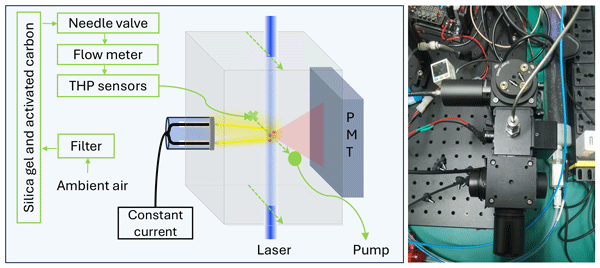
Shiyi Chen, Cuihong Zhang, Yihui Wang, Qi Zang, Xuefei Ma, Zhaofeng Tan, Limin Zeng, Yuanhang Zhang, and Keding Lu
Atmos. Meas. Tech., 19, 3397–3406, https://doi.org/10.5194/amt-19-3397-2026, https://doi.org/10.5194/amt-19-3397-2026, 2026
Short summary
Short summary
We have developed a real-time reference system that can actively lock the wavelength of the detection laser, like a "navigation" system, overcoming the challenge of data inaccuracies caused by laser wavelength drift in previous measurements. This technological advancement will enable scientists to monitor the OH, a key component in the atmosphere, more reliably and over longer periods.
Yuelin Liu, Yuanjun Gong, Nan Wang, Guangming Shi, Fumo Yang, Yuanhang Zhang, and Keding Lu
EGUsphere, https://doi.org/10.5194/egusphere-2026-1786, https://doi.org/10.5194/egusphere-2026-1786, 2026
Short summary
Short summary
Ozone pollution is difficult to predict because its formation depends on complex chemical reactions that vary under different pollution conditions. By comparing multiple modeling approaches during a pollution event in Chengdu, China, we examine how ozone formation and the underlying chemical processes, particularly radical-driven reactions, differ between low- and high-pollution environments.
Yutong Tian, Ting Yang, Zifa Wang, Linghan Zeng, Yining Tan, Weichun Liang, Qingqing Xia, Tong Wang, and Shitian Kou
EGUsphere, https://doi.org/10.5194/egusphere-2026-2017, https://doi.org/10.5194/egusphere-2026-2017, 2026
Preprint archived
Short summary
Short summary
This study introduces a novel algorithm using multiwavelength lidar to classify and quantify tropospheric aerosols at a mountain observatory. Using seven optical parameters, it separates smoke, pollution, pollen, and dust in complex mixtures. Validated across multiple platforms, the method decouples meteorologically driven optical enhancement from actual mass fluctuations, enabling high-precision aerosol typing and mass retrieval in high-altitude environments.
Yu Li, Momei Qin, Weiwei Hu, Bin Zhao, Ying Li, Havala O. T. Pye, Jingyi Li, Linghan Zeng, Song Guo, Min Hu, and Jianlin Hu
Atmos. Chem. Phys., 26, 1001–1020, https://doi.org/10.5194/acp-26-1001-2026, https://doi.org/10.5194/acp-26-1001-2026, 2026
Short summary
Short summary
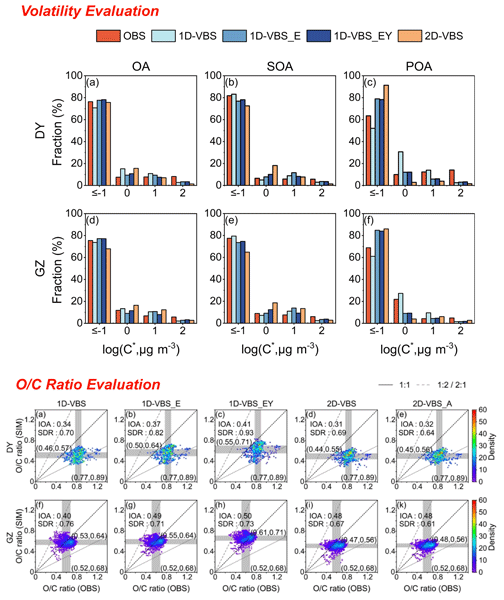
We evaluated how well a widely used air quality model simulates key properties of organic particles in the atmosphere, such as volatility and oxygen content, which influence how particles age, spread, and affect both air quality and climate. Using observations in eastern China, we found the model underestimated particle mass and misrepresented their properties. Our results highlight the need for improved emissions and chemical treatments to better predict air quality and climate impacts.
Ruiqi Man, Yishu Zhu, Zhijun Wu, Peter Aaron Alpert, Bingbing Wang, Jing Dou, Jie Chen, Yan Zheng, Yanli Ge, Qi Chen, Shiyi Chen, Xiangrui Kong, Markus Ammann, and Min Hu
Atmos. Chem. Phys., 26, 349–363, https://doi.org/10.5194/acp-26-349-2026, https://doi.org/10.5194/acp-26-349-2026, 2026
Short summary
Short summary
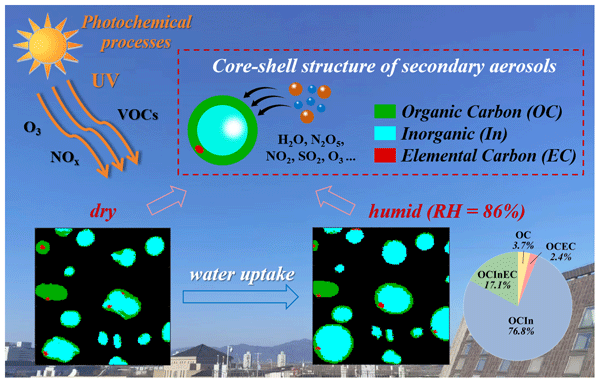
The particle chemical morphology is important to atmospheric multiphase and heterogeneous chemistry. This work directly observed the core-shell structure and water uptake behavior of individual submicron aerosol particles at an urban site and elucidated the potential impact on particle reactive uptake and heterogeneous reactions.
Tiantian Zhang, Peng Zuo, Yi Chen, Tong Liu, Linghan Zeng, Weili Lin, and Chunxiang Ye
Atmos. Chem. Phys., 25, 16331–16346, https://doi.org/10.5194/acp-25-16331-2025, https://doi.org/10.5194/acp-25-16331-2025, 2025
Short summary
Short summary
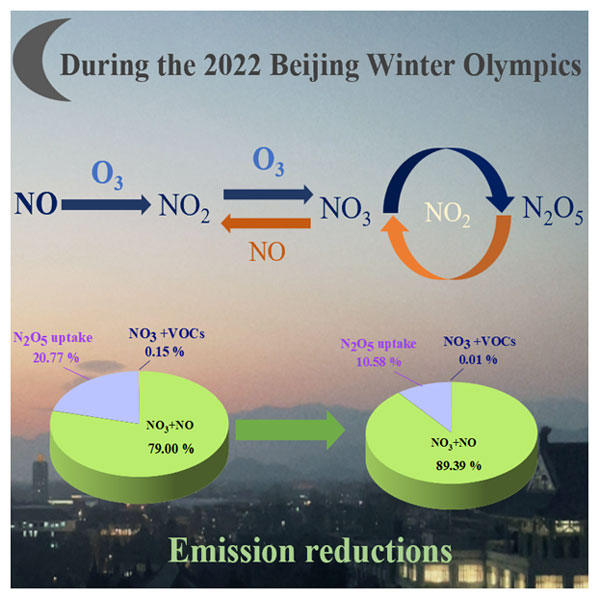
During the 2022 Beijing Winter Olympics, we conducted field observations of N2O5. By comparing pre- and post-Olympic pollutant levels, we evaluated the impact of emission reductions on nocturnal chemistry. The results showed that the reactivity of nitric oxide (NO) and volatile organic compounds (VOCs) with NO3 decreased, and that the heterogeneous uptake of N2O5 played a critical role in nocturnal nitrate formation.
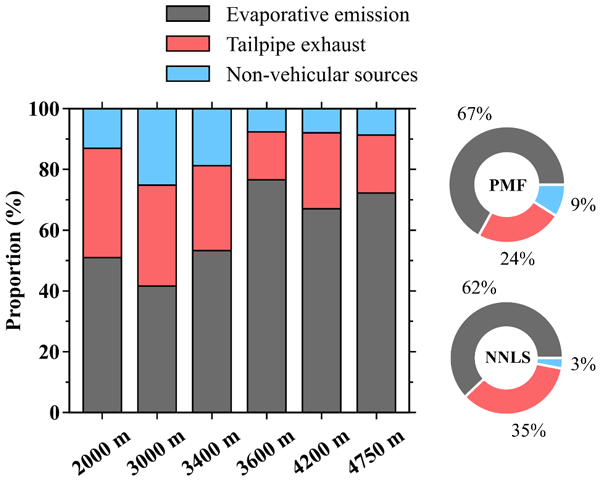
Weichao Huang, Sihang Wang, Peng Cheng, Bingna Chen, Bin Yuan, Pengfei Yu, Haichao Wang, Nan Ma, Mei Li, and Keding Lu
Atmos. Chem. Phys., 25, 15403–15414, https://doi.org/10.5194/acp-25-15403-2025, https://doi.org/10.5194/acp-25-15403-2025, 2025
Short summary
Short summary
We studied vehicle emissions from ten 3000-meter tunnels on the Tibetan Plateau. Emissions of volatile organic compounds (VOCs) increase with elevation due to the evaporation of fuel oil from low pressure, unlike at lower elevations where tailpipe is predominant. This suggests that specific emission control measures are needed. This research aims to understand emissions at high altitudes and to guide cleaner transport.
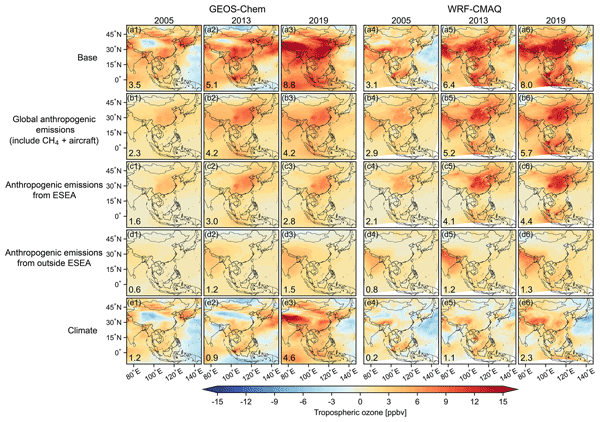
Xiao Lu, Yiming Liu, Jiayin Su, Xiang Weng, Tabish Ansari, Yuqiang Zhang, Guowen He, Yuqi Zhu, Haolin Wang, Ganquan Zeng, Jingyu Li, Cheng He, Shuai Li, Teerachai Amnuaylojaroen, Tim Butler, Qi Fan, Shaojia Fan, Grant L. Forster, Meng Gao, Jianlin Hu, Yugo Kanaya, Mohd Talib Latif, Keding Lu, Philippe Nédélec, Peer Nowack, Bastien Sauvage, Xiaobin Xu, Lin Zhang, Ke Li, Ja-Ho Koo, and Tatsuya Nagashima
Atmos. Chem. Phys., 25, 7991–8028, https://doi.org/10.5194/acp-25-7991-2025, https://doi.org/10.5194/acp-25-7991-2025, 2025
Short summary
Short summary
This study analyzes summertime ozone trends in East and Southeast Asia derived from a comprehensive observational database spanning from 1995 to 2019, incorporating aircraft observations, ozonesonde data, and measurements from 2500 surface sites. Multiple models are applied to attribute to changes in anthropogenic emissions and climate. The results highlight that increases in anthropogenic emissions are the primary driver of ozone increases both in the free troposphere and at the surface.
Can Ye, Pengfei Liu, Chaoyang Xue, Chenglong Zhang, Zhuobiao Ma, Chengtang Liu, Junfeng Liu, Keding Lu, Yujing Mu, and Yuanhang Zhang
Atmos. Chem. Phys., 25, 6991–7005, https://doi.org/10.5194/acp-25-6991-2025, https://doi.org/10.5194/acp-25-6991-2025, 2025
Short summary
Short summary
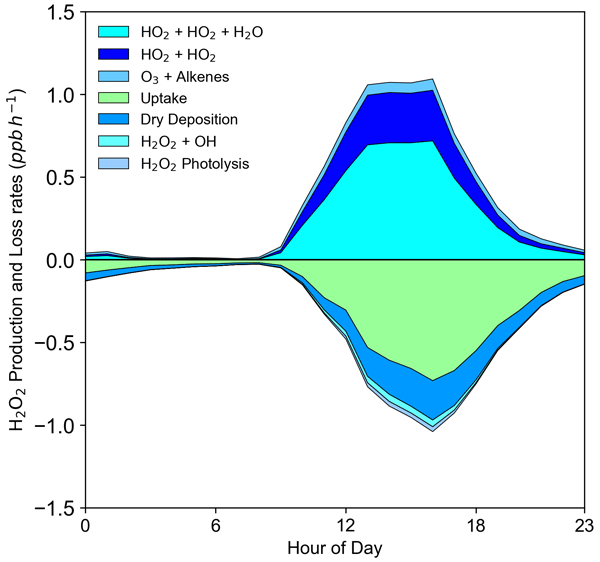
This study investigates H2O2 chemistry in rural North China. The observed H2O2 showed distinct diurnal variations influenced by photochemical reactions. A box model revealed that H2O2 is primarily produced by HO2 recombination and removed mainly via particle uptake. Reductions in NOx, PM2.5, and alkanes raised H2O2 levels, while cutting alkenes, aromatics, CO, and HONO lowered them. A dual strategy focusing on VOC and NOx control is essential to reduce both H2O2 and ozone pollution.
Jiayin Li, Tianyu Zhai, Xiaorui Chen, Haichao Wang, Shuyang Xie, Shiyi Chen, Chunmeng Li, Yuanjun Gong, Huabin Dong, and Keding Lu
Atmos. Chem. Phys., 25, 6395–6406, https://doi.org/10.5194/acp-25-6395-2025, https://doi.org/10.5194/acp-25-6395-2025, 2025
Short summary
Short summary
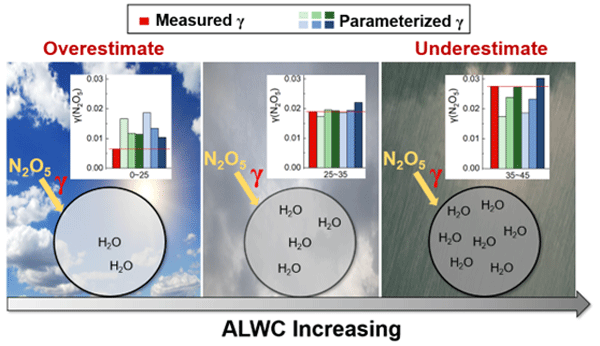
We directly measured the dinitrogen pentoxide (N2O5) uptake coefficient using an aerosol flow tube, which critically impacts the NOx fate and particulate nitrate formation in a typical highland city, Kunming, in China. We found that the performance of current γ (N2O5) parameterizations showed deviations with the varying aerosol liquid water content (ALWC). Such differences would lead to biased estimation of particulate nitrate production potential. We give suggestions for future research directions.

Chunmeng Li, Xiaorui Chen, Haichao Wang, Tianyu Zhai, Xuefei Ma, Xinping Yang, Shiyi Chen, Min Zhou, Shengrong Lou, Xin Li, Limin Zeng, and Keding Lu
Atmos. Chem. Phys., 25, 3905–3918, https://doi.org/10.5194/acp-25-3905-2025, https://doi.org/10.5194/acp-25-3905-2025, 2025
Short summary
Short summary
This study reports an observation of organic nitrate (including total peroxy nitrates and total alkyl nitrates) in Shanghai, China, during the summer of 2021, by homemade thermal dissociation cavity-enhanced absorption spectroscopy (TD-CEAS; Atmos. Meas. Tech., 14, 4033–4051, 2021). The distribution of organic nitrates and their effects on local ozone production are analyzed based on field observations in conjunction with model simulations.
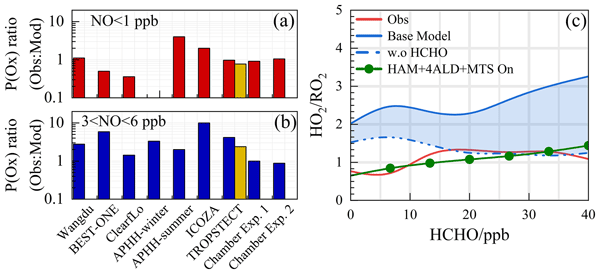
Renzhi Hu, Guoxian Zhang, Haotian Cai, Jingyi Guo, Keding Lu, Xin Li, Shengrong Lou, Zhaofeng Tan, Changjin Hu, Pinhua Xie, and Wenqing Liu
Atmos. Chem. Phys., 25, 3011–3028, https://doi.org/10.5194/acp-25-3011-2025, https://doi.org/10.5194/acp-25-3011-2025, 2025
Short summary
Short summary
A full suite of radical measurements (OH, HO2, RO2, and kOH) was established to accurately elucidate the limitations of oxidation in a chemically complex atmosphere. Sensitivity tests revealed that the incorporation of complex processes enabled a balance in both radical concentrations and coordinate ratios, effectively addressing the deficiency in the ozone generation mechanism. The full-chain radical detection bridged the gap between the photochemistry and the intensive oxidation level.
Fei Ye, Jingyi Li, Yaqin Gao, Hongli Wang, Jingyu An, Cheng Huang, Song Guo, Keding Lu, Kangjia Gong, Haowen Zhang, Momei Qin, and Jianlin Hu
Atmos. Chem. Phys., 24, 7467–7479, https://doi.org/10.5194/acp-24-7467-2024, https://doi.org/10.5194/acp-24-7467-2024, 2024
Short summary
Short summary
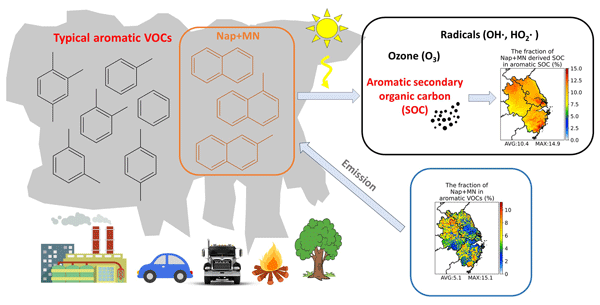
Naphthalene (Nap) and methylnaphthalene (MN) are key precursors of secondary organic aerosol (SOA), yet their sources and sinks are often inadequately represented in air quality models. In this study, we incorporated detailed emissions, gas-phase chemistry, and SOA parameterization of Nap and MN into CMAQ to address this issue. The findings revealed remarkably high SOA formation potentials for these compounds despite their low emissions in the Yangtze River Delta region during summer.
Ziyan Guo, Keding Lu, Pengxiang Qiu, Mingyi Xu, and Zhaobing Guo
Atmos. Chem. Phys., 24, 2195–2205, https://doi.org/10.5194/acp-24-2195-2024, https://doi.org/10.5194/acp-24-2195-2024, 2024
Short summary
Short summary
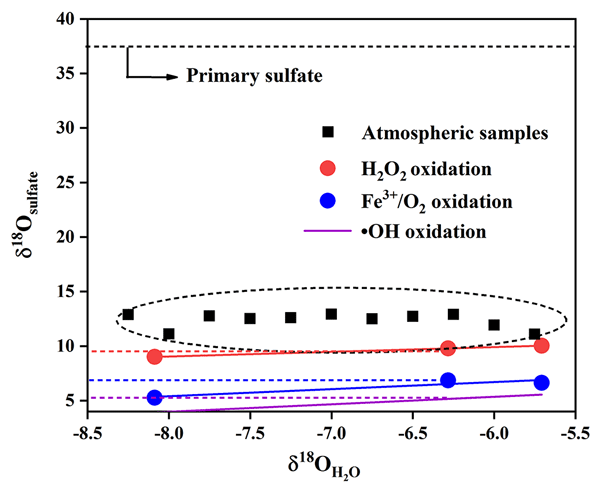
The formation of secondary sulfate needs to be further explored. In this work, we simultaneously measured sulfur and oxygen isotopic compositions to gain an increased understanding of specific sulfate formation processes. The results indicated that secondary sulfate was mainly ascribed to SO2 homogeneous oxidation by OH radicals and heterogeneous oxidation by H2O2 and Fe3+ / O2. This study is favourable for deeply investigating the sulfur cycle in the atmosphere.
Can Ye, Keding Lu, Xuefei Ma, Wanyi Qiu, Shule Li, Xinping Yang, Chaoyang Xue, Tianyu Zhai, Yuhan Liu, Xuan Li, Yang Li, Haichao Wang, Zhaofeng Tan, Xiaorui Chen, Huabin Dong, Limin Zeng, Min Hu, and Yuanhang Zhang
Atmos. Chem. Phys., 23, 15455–15472, https://doi.org/10.5194/acp-23-15455-2023, https://doi.org/10.5194/acp-23-15455-2023, 2023
Short summary
Short summary
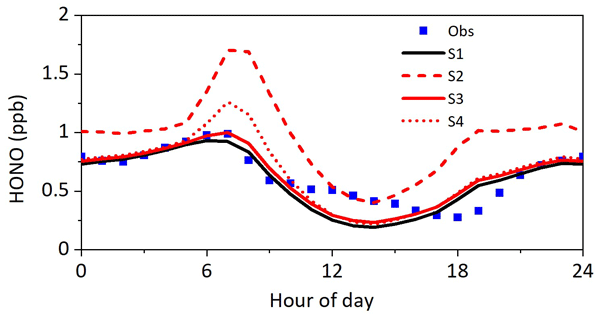
In this study, combining comprehensive field measurements and a box model, we found NO2 conversion on the ground surface was the most important source for HONO production among the proposed heterogeneous and gas-phase HONO sources. In addition, HONO was found to evidently enhance O3 production and aggravate O3 pollution in summer in China. Our study improved our understanding of the relative importance of different HONO sources and the crucial role of HONO in O3 formation in polluted areas.
Jingjing Meng, Yachen Wang, Yuanyuan Li, Tonglin Huang, Zhifei Wang, Yiqiu Wang, Min Chen, Zhanfang Hou, Houhua Zhou, Keding Lu, Kimitaka Kawamura, and Pingqing Fu
Atmos. Chem. Phys., 23, 14481–14503, https://doi.org/10.5194/acp-23-14481-2023, https://doi.org/10.5194/acp-23-14481-2023, 2023
Short summary
Short summary
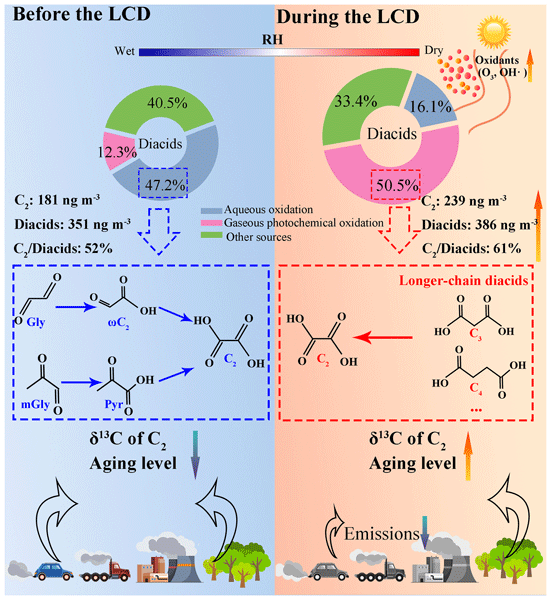
This study investigated the effect of COVID-19 lockdown (LCD) measures on the formation and evolutionary process of diacids and related compounds from field observations. Results demonstrate that more aged organic aerosols are observed during the LCD due to the enhanced photochemical oxidation. Our study also found that the reactivity of 13C was higher than that of 12C in the gaseous photochemical oxidation, leading to higher δ13C values of C2 during the LCD than before the LCD.
Shasha Tian, Kexin Zu, Huabin Dong, Limin Zeng, Keding Lu, and Qi Chen
Atmos. Meas. Tech., 16, 5525–5535, https://doi.org/10.5194/amt-16-5525-2023, https://doi.org/10.5194/amt-16-5525-2023, 2023
Short summary
Short summary
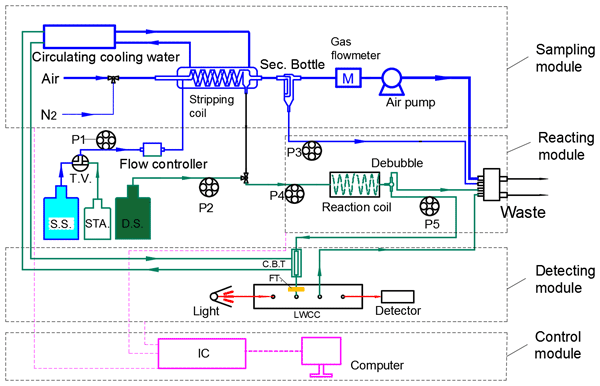
We developed an online NH3 monitoring system based on a selective colorimetric reaction and a long-path absorption photometer (SAC-LOPAP), which can run statically for a long time and be applied to the continuous online measurement of low concentrations of ambient air by optimizing the reaction conditions, adding a constant-temperature module and liquid flow controller. It is well suited for the investigation of the NH3 budget for urban to rural conditions in China.
Hejun Hu, Haichao Wang, Keding Lu, Jie Wang, Zelong Zheng, Xuezhen Xu, Tianyu Zhai, Xiaorui Chen, Xiao Lu, Wenxing Fu, Xin Li, Limin Zeng, Min Hu, Yuanhang Zhang, and Shaojia Fan
Atmos. Chem. Phys., 23, 8211–8223, https://doi.org/10.5194/acp-23-8211-2023, https://doi.org/10.5194/acp-23-8211-2023, 2023
Short summary
Short summary
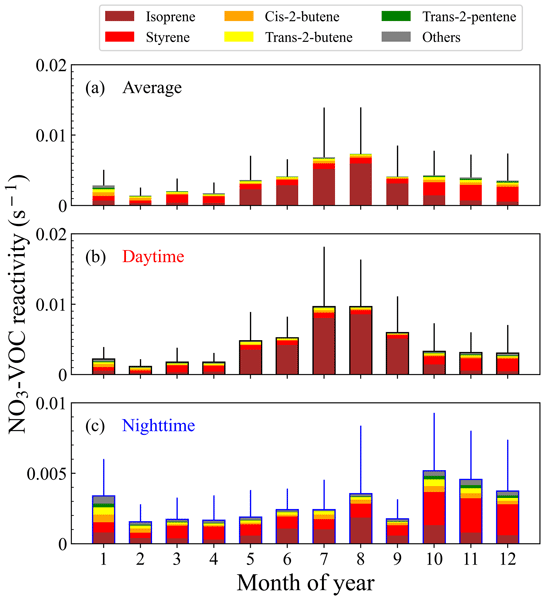
Nitrate radical chemistry is critical to the degradation of volatile organic compounds (VOCs) and secondary organic aerosol formation. This work investigated the level, seasonal variation, and trend of nitrate radical reactivity towards volatile organic compounds (kNO3) in Beijing. We show the key role of isoprene and styrene in regulating seasonal variation in kNO3 and rebuild a long-term record of kNO3 based on the reported VOC measurements.
Chengzhi Xing, Shiqi Xu, Yuhang Song, Cheng Liu, Yuhan Liu, Keding Lu, Wei Tan, Chengxin Zhang, Qihou Hu, Shanshan Wang, Hongyu Wu, and Hua Lin
Atmos. Chem. Phys., 23, 5815–5834, https://doi.org/10.5194/acp-23-5815-2023, https://doi.org/10.5194/acp-23-5815-2023, 2023
Short summary
Short summary
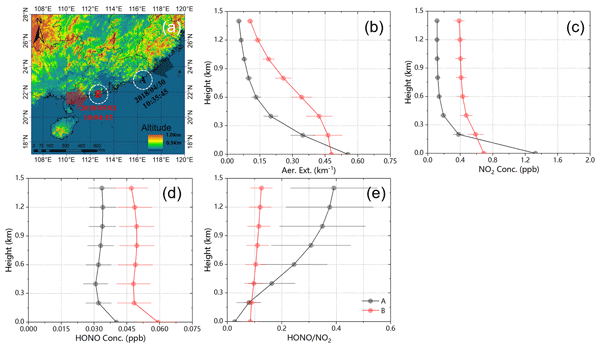
High RH could contribute to the secondary formation of HONO in the sea atmosphere. High temperature could promote the formation of HONO from NO2 heterogeneous reactions in the sea and coastal atmosphere. The aerosol surface plays a more important role during the above process in coastal and sea cases. The generation rate of HONO from the NO2 heterogeneous reaction in the sea cases is larger than that in inland cases in higher atmospheric layers above 600 m.
Junhua Wang, Baozhu Ge, Xueshun Chen, Jie Li, Keding Lu, Yayuan Dong, Lei Kong, Zifa Wang, and Yuanhang Zhang
Geosci. Model Dev. Discuss., https://doi.org/10.5194/gmd-2023-22, https://doi.org/10.5194/gmd-2023-22, 2023
Revised manuscript not accepted
Short summary
Short summary
We developed a quantitative decoupling analysis (QDA) method to quantify the contributions of emissions, meteorology, chemical reactions, and their nonlinear interactions on PM2.5. We found the effects of adverse meteorological conditions and the importance of nonlinear interactions. This method can provide valuable information for understanding of key factors to heavy pollution, but also help the modelers to find out the sources of uncertainties in numerical models.
Tianyu Zhai, Keding Lu, Haichao Wang, Shengrong Lou, Xiaorui Chen, Renzhi Hu, and Yuanhang Zhang
Atmos. Chem. Phys., 23, 2379–2391, https://doi.org/10.5194/acp-23-2379-2023, https://doi.org/10.5194/acp-23-2379-2023, 2023
Short summary
Short summary
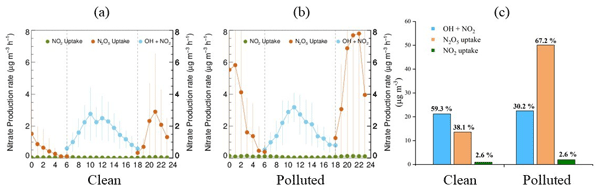
Particulate nitrate is a growing issue in air pollution. Based on comprehensive field measurement, we show heavy nitrate pollution in eastern China in summer. OH reacting with NO2 at daytime dominates nitrate formation on clean days, while N2O5 hydrolysis largely enhances and become comparable with that of OH reacting with O2 on polluted days (67.2 % and 30.2 %). Model simulation indicates that VOC : NOx = 2 : 1 is effective in mitigating the O3 and nitrate pollution coordinately.
Xiaorui Chen, Haichao Wang, Tianyu Zhai, Chunmeng Li, and Keding Lu
Atmos. Meas. Tech., 15, 7019–7037, https://doi.org/10.5194/amt-15-7019-2022, https://doi.org/10.5194/amt-15-7019-2022, 2022
Short summary
Short summary
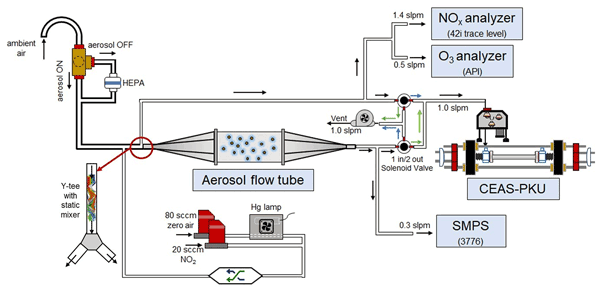
N2O5 is an important reservoir of atmospheric nitrogen, on whose interface reaction ambient particles can largely influence the fate of nitrogen oxides and air quality. In this study, we develop an approach to enable the reactions of N2O5 on ambient particles directly in a tube reactor, deriving the reaction rates with high accuracy by means of a chemistry model. Its successful application helps complement the data scarcity and to fill the knowledge gap between laboratory and field results.
Haichao Wang, Bin Yuan, E Zheng, Xiaoxiao Zhang, Jie Wang, Keding Lu, Chenshuo Ye, Lei Yang, Shan Huang, Weiwei Hu, Suxia Yang, Yuwen Peng, Jipeng Qi, Sihang Wang, Xianjun He, Yubin Chen, Tiange Li, Wenjie Wang, Yibo Huangfu, Xiaobing Li, Mingfu Cai, Xuemei Wang, and Min Shao
Atmos. Chem. Phys., 22, 14837–14858, https://doi.org/10.5194/acp-22-14837-2022, https://doi.org/10.5194/acp-22-14837-2022, 2022
Short summary
Short summary
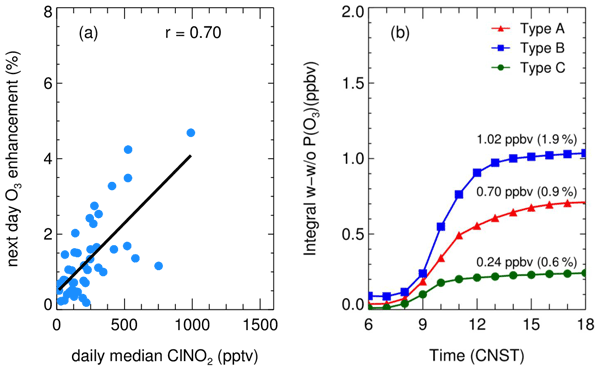
We present intensive field measurement of ClNO2 in the Pearl River Delta in 2019. Large variation in the level, formation, and atmospheric impacts of ClNO2 was found in different air masses. ClNO2 formation was limited by the particulate chloride (Cl−) and aerosol surface area. Our results reveal that Cl− originated from various anthropogenic emissions rather than sea sources and show minor contribution to the O3 pollution and photochemistry.
Xinping Yang, Keding Lu, Xuefei Ma, Yue Gao, Zhaofeng Tan, Haichao Wang, Xiaorui Chen, Xin Li, Xiaofeng Huang, Lingyan He, Mengxue Tang, Bo Zhu, Shiyi Chen, Huabin Dong, Limin Zeng, and Yuanhang Zhang
Atmos. Chem. Phys., 22, 12525–12542, https://doi.org/10.5194/acp-22-12525-2022, https://doi.org/10.5194/acp-22-12525-2022, 2022
Short summary
Short summary
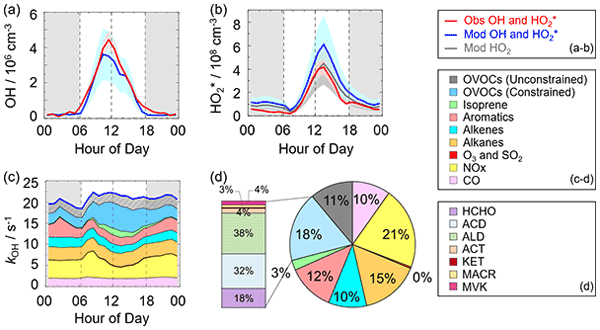
We present the OH and HO2 radical observations at the Shenzhen site (Pearl River Delta, China) in the autumn of 2018. The diurnal maxima were 4.5 × 106 cm−3 for OH and 4.2 × 108 cm−3 for HO2 (including an estimated interference of 23 %–28 % from RO2 radicals during the daytime). The OH underestimation was identified again, and it was attributable to the missing OH sources. HO2 heterogeneous uptake, ROx sources and sinks, and the atmospheric oxidation capacity were evaluated as well.
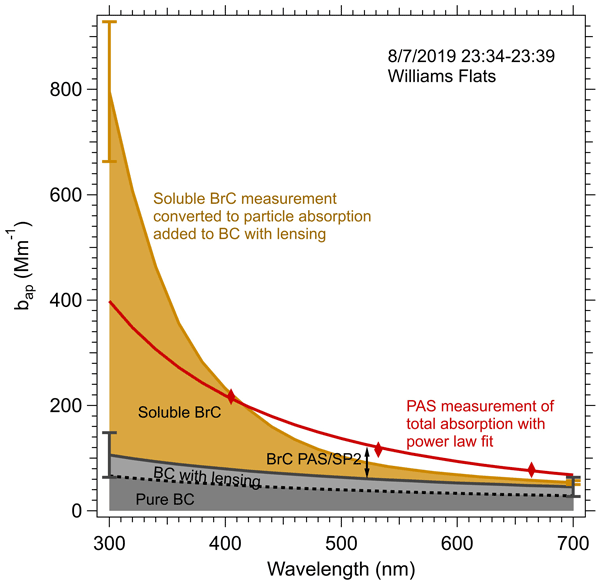
Linghan Zeng, Jack Dibb, Eric Scheuer, Joseph M. Katich, Joshua P. Schwarz, Ilann Bourgeois, Jeff Peischl, Tom Ryerson, Carsten Warneke, Anne E. Perring, Glenn S. Diskin, Joshua P. DiGangi, John B. Nowak, Richard H. Moore, Elizabeth B. Wiggins, Demetrios Pagonis, Hongyu Guo, Pedro Campuzano-Jost, Jose L. Jimenez, Lu Xu, and Rodney J. Weber
Atmos. Chem. Phys., 22, 8009–8036, https://doi.org/10.5194/acp-22-8009-2022, https://doi.org/10.5194/acp-22-8009-2022, 2022
Short summary
Short summary
Wildfires emit aerosol particles containing brown carbon material that affects visibility and global climate and is toxic. Brown carbon is poorly characterized due to measurement limitations, and its evolution in the atmosphere is not well known. We report on aircraft measurements of brown carbon from large wildfires in the western United States. We compare two methods for measuring brown carbon and study the evolution of brown carbon in the smoke as it moved away from the burning regions.
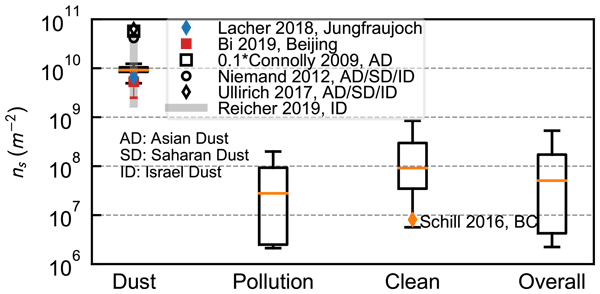
Cuiqi Zhang, Zhijun Wu, Jingchuan Chen, Jie Chen, Lizi Tang, Wenfei Zhu, Xiangyu Pei, Shiyi Chen, Ping Tian, Song Guo, Limin Zeng, Min Hu, and Zamin A. Kanji
Atmos. Chem. Phys., 22, 7539–7556, https://doi.org/10.5194/acp-22-7539-2022, https://doi.org/10.5194/acp-22-7539-2022, 2022
Short summary
Short summary
The immersion ice nucleation effectiveness of aerosols from multiple sources in the urban environment remains elusive. In this study, we demonstrate that the immersion ice-nucleating particle (INP) concentration increased dramatically during a dust event in an urban atmosphere. Pollutant aerosols, including inorganic salts formed through secondary transformation (SIA) and black carbon (BC), might not act as effective INPs under mixed-phase cloud conditions.
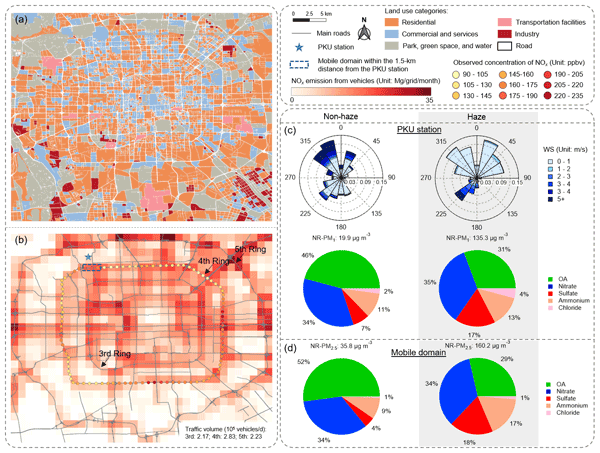
Reza Bashiri Khuzestani, Keren Liao, Ying Liu, Ruqian Miao, Yan Zheng, Xi Cheng, Tianjiao Jia, Xin Li, Shiyi Chen, Guancong Huang, and Qi Chen
Atmos. Chem. Phys., 22, 7389–7404, https://doi.org/10.5194/acp-22-7389-2022, https://doi.org/10.5194/acp-22-7389-2022, 2022
Short summary
Short summary
This work characterized the spatial variabilities of air pollutants in a megacity by advanced mobile measurements. The results show a large spatial heterogeneity in the distributions of PM2.5 composition and volatile organic compounds under non-haze conditions, and relatively uniform spatial distributions under haze conditions that may indicate a chemical homogeneity on an intracity scale. The findings improve our understanding of urban air pollution.
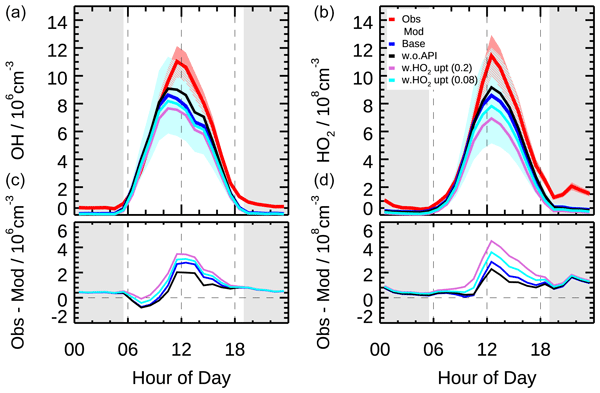
Xuefei Ma, Zhaofeng Tan, Keding Lu, Xinping Yang, Xiaorui Chen, Haichao Wang, Shiyi Chen, Xin Fang, Shule Li, Xin Li, Jingwei Liu, Ying Liu, Shengrong Lou, Wanyi Qiu, Hongli Wang, Limin Zeng, and Yuanhang Zhang
Atmos. Chem. Phys., 22, 7005–7028, https://doi.org/10.5194/acp-22-7005-2022, https://doi.org/10.5194/acp-22-7005-2022, 2022
Short summary
Short summary
This paper presents the first OH and HO2 radical observations made in the Yangtze River Delta in China, and strong oxidation capacity is discovered based on direct measurements. The impacts of new OH regeneration mechanisms, monoterpene oxidation, and HO2 uptake processes are examined and discussed. The sources and the factors to sustain such strong oxidation are the key to understanding the ozone pollution formed in this area.

Xiaorui Chen, Haichao Wang, and Keding Lu
Atmos. Chem. Phys., 22, 3525–3533, https://doi.org/10.5194/acp-22-3525-2022, https://doi.org/10.5194/acp-22-3525-2022, 2022
Short summary
Short summary
We use a complete set of simulations to evaluate whether equilibrium and steady state are appropriate for a chemical system involving several reactive nitrogen-containing species (NO2, NO3, and N2O5) under various conditions. A previously neglected bias for the coefficient applied for interpreting their effects is disclosed, and the relevant ambient factors are examined. We therefore provide a good solution to an accurate representation of nighttime chemistry in high-aerosol areas.
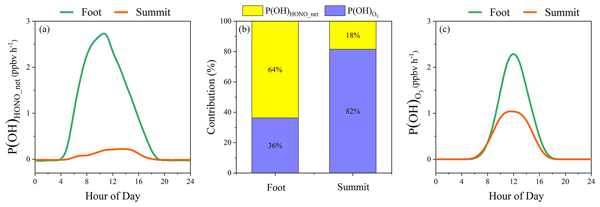
Chaoyang Xue, Can Ye, Jörg Kleffmann, Chenglong Zhang, Valéry Catoire, Fengxia Bao, Abdelwahid Mellouki, Likun Xue, Jianmin Chen, Keding Lu, Yong Zhao, Hengde Liu, Zhaoxin Guo, and Yujing Mu
Atmos. Chem. Phys., 22, 3149–3167, https://doi.org/10.5194/acp-22-3149-2022, https://doi.org/10.5194/acp-22-3149-2022, 2022
Short summary
Short summary
Summertime measurements of nitrous acid (HONO) and related parameters were conducted at the foot and the summit of Mt. Tai (1534 m above sea level). We proposed a rapid vertical air mass exchange between the foot and the summit level, which enhances the role of HONO in the oxidizing capacity of the upper boundary layer. Kinetics for aerosol-derived HONO sources were constrained. HONO formation from different paths was quantified and discussed.
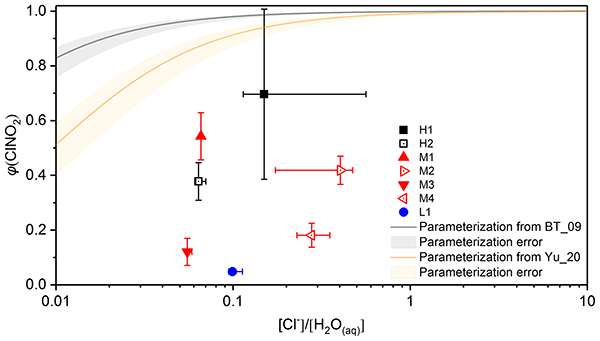
Haichao Wang, Chao Peng, Xuan Wang, Shengrong Lou, Keding Lu, Guicheng Gan, Xiaohong Jia, Xiaorui Chen, Jun Chen, Hongli Wang, Shaojia Fan, Xinming Wang, and Mingjin Tang
Atmos. Chem. Phys., 22, 1845–1859, https://doi.org/10.5194/acp-22-1845-2022, https://doi.org/10.5194/acp-22-1845-2022, 2022
Short summary
Short summary
Via combining laboratory and modeling work, we found that heterogeneous reaction of N2O5 with saline mineral dust aerosol could be an important source of tropospheric ClNO2 in inland regions.
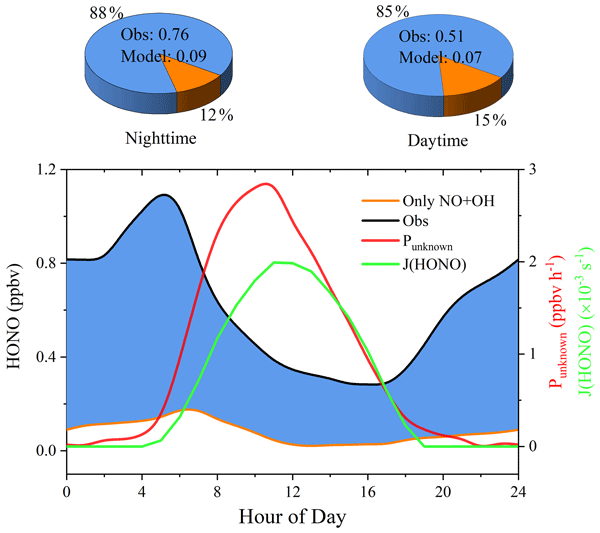
Chaoyang Xue, Can Ye, Jörg Kleffmann, Wenjin Zhang, Xiaowei He, Pengfei Liu, Chenglong Zhang, Xiaoxi Zhao, Chengtang Liu, Zhuobiao Ma, Junfeng Liu, Jinhe Wang, Keding Lu, Valéry Catoire, Abdelwahid Mellouki, and Yujing Mu
Atmos. Chem. Phys., 22, 1035–1057, https://doi.org/10.5194/acp-22-1035-2022, https://doi.org/10.5194/acp-22-1035-2022, 2022
Short summary
Short summary
Nitrous acid (HONO) and related parameters were measured at the foot and the summit of Mt. Tai in the summer of 2018. Based on measurements at the foot station, we utilized a box model to explore the roles of different sources in the HONO budget. We also studied radical chemistry in this high-ozone region.
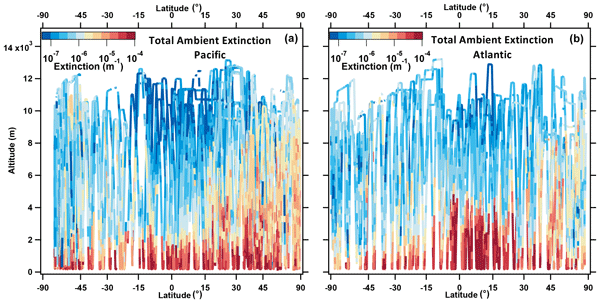
Charles A. Brock, Karl D. Froyd, Maximilian Dollner, Christina J. Williamson, Gregory Schill, Daniel M. Murphy, Nicholas J. Wagner, Agnieszka Kupc, Jose L. Jimenez, Pedro Campuzano-Jost, Benjamin A. Nault, Jason C. Schroder, Douglas A. Day, Derek J. Price, Bernadett Weinzierl, Joshua P. Schwarz, Joseph M. Katich, Siyuan Wang, Linghan Zeng, Rodney Weber, Jack Dibb, Eric Scheuer, Glenn S. Diskin, Joshua P. DiGangi, ThaoPaul Bui, Jonathan M. Dean-Day, Chelsea R. Thompson, Jeff Peischl, Thomas B. Ryerson, Ilann Bourgeois, Bruce C. Daube, Róisín Commane, and Steven C. Wofsy
Atmos. Chem. Phys., 21, 15023–15063, https://doi.org/10.5194/acp-21-15023-2021, https://doi.org/10.5194/acp-21-15023-2021, 2021
Short summary
Short summary
The Atmospheric Tomography Mission was an airborne study that mapped the chemical composition of the remote atmosphere. From this, we developed a comprehensive description of aerosol properties that provides a unique, global-scale dataset against which models can be compared. The data show the polluted nature of the remote atmosphere in the Northern Hemisphere and quantify the contributions of sea salt, dust, soot, biomass burning particles, and pollution particles to the haziness of the sky.
Cited articles
Abdulaal, W. H., Almulaiky, Y. Q., and El-Shishtawy, R. M.: Encapsulation of HRP enzyme onto a magnetic Fe3O4 Np–PMMA film via casting with sustainable biocatalytic activity, Catalysts, 10, 181, https://doi.org/10.3390/catal10020181, 2020.
Allegrini, I., De Santis, F., Di Palo, V., Febo, A., Perrino, C., Possanzini, M., and Liberti, A.: Annular denuder method for sampling reactive gases and aerosols in the atmosphere, Sci. Total Environ., 67, 1–16, https://doi.org/10.1016/0048-9697(87)90062-3, 1987.
An, Z., Huang, R.-J., Zhang, R., Tie, X., Li, G., Cao, J., Zhou, W., Shi, Z., Han, Y., and Gu, Z.: Severe haze in northern China: A synergy of anthropogenic emissions and atmospheric processes, P. Natl. Acad. Sci. USA, 116, 8657–8666, https://doi.org/10.1073/pnas.1900125116, 2019.
Bates, J. T., Weber, R. J., Abrams, J., Verma, V., Fang, T., Klein, M., Strickland, M. J., Sarnat, S. E., Chang, H. H., and Mulholland, J. A.: Reactive oxygen species generation linked to sources of atmospheric particulate matter and cardiorespiratory effects, Environ. Sci. Technol., 49, 13605–13612, https://doi.org/10.1021/acs.est.5b02967, 2015.
Bielski, B. H., Shiue, G. G., and Bajuk, S.: Reduction of nitro blue tetrazolium by
Birks, J.: Fluorescence quantum yield measurements, J. Res. NBS A Phys. Ch., 80, 389, https://doi.org/10.6028/jres.080A.038, 1976.
Brown, S. S. and Stutz, J.: Nighttime radical observations and chemistry, Chem. Soc. Rev., 41, 6405–6447, https://doi.org/10.1039/C2CS35181A, 2012.
Campbell, S. J., Wolfer, K., Utinger, B., Westwood, J., Zhang, Z.-H., Bukowiecki, N., Steimer, S. S., Vu, T. V., Xu, J., Straw, N., Thomson, S., Elzein, A., Sun, Y., Liu, D., Li, L., Fu, P., Lewis, A. C., Harrison, R. M., Bloss, W. J., Loh, M., Miller, M. R., Shi, Z., and Kalberer, M.: Atmospheric conditions and composition that influence PM2.5 oxidative potential in Beijing, China, Atmos. Chem. Phys., 21, 5549–5573, https://doi.org/10.5194/acp-21-5549-2021, 2021.
Campos, T. L. and Kok, G. L.: Evaluation of Horibe traps for cryogenic collection of hydrogen peroxide and methyl hydroperoxide, Atmos. Environ., 30, 2575–2582, https://doi.org/10.1016/1352-2310(95)00446-7, 1996.
Charrier, J. G. and Anastasio, C.: On dithiothreitol (DTT) as a measure of oxidative potential for ambient particles: evidence for the importance of soluble transition metals, Atmos. Chem. Phys., 12, 9321–9333, https://doi.org/10.5194/acp-12-9321-2012, 2012.
Chen, X., Hopke, P. K., and Carter, W. P.: Secondary organic aerosol from ozonolysis of biogenic volatile organic compounds: chamber studies of particle and reactive oxygen species formation, Environ. Sci. Technol., 45, 276–282, https://doi.org/10.1021/es102166c, 2011.
D'Errico, G., Vitiello, G., De Tommaso, G., Abdel-Gawad, F. K., Brundo, M. V., Ferrante, M., De Maio, A., Trocchia, S., Bianchi, A. R., and Ciarcia, G.: Electron Spin Resonance (ESR) for the study of Reactive Oxygen Species (ROS) on the isolated frog skin (Pelophylax bergeri): A non-invasive method for environmental monitoring, Environ. Res., 165, 11–18, https://doi.org/10.1016/j.envres.2018.03.044, 2018.
Dong, H.-B., Zeng, L.-M., Hu, M., Wu, Y.-S., Zhang, Y.-H., Slanina, J., Zheng, M., Wang, Z.-F., and Jansen, R.: Technical Note: The application of an improved gas and aerosol collector for ambient air pollutants in China, Atmos. Chem. Phys., 12, 10519–10533, https://doi.org/10.5194/acp-12-10519-2012, 2012.
Draxler, R. R. and Hess, G. D.: Description of the HYSPLIT4 modeling system, NOAA Technical Memorandum ERL ARL-224, Air Resources Laboratory, National Oceanic and Atmospheric Administration, Silver Spring, Maryland, USA, 27 pp., https://repository.library.noaa.gov/view/noaa/31133 (last access: 21 July 2026), 1997.
Draxler, R. R. and Hess, G.: An overview of the HYSPLIT_4 modelling system for trajectories, Aust. Meteorol. Mag., 47, 295–308, https://doi.org/10.1071/ES98032, 1998.
Eftekhari, A., Fortenberry, C. F., Williams, B. J., Walker, M. J., Dang, A., Pfaff, A., Ercal, N., and Morrison, G. C.: Continuous measurement of reactive oxygen species inside and outside of a residential house during summer, Indoor Air, 31, 1199–1216, https://doi.org/10.1111/ina.12789, 2021.
Enami, S.: Fates of organic hydroperoxides in atmospheric condensed phases, J. Phys. Chem. A, 125, 4513–4523, https://doi.org/10.1021/acs.jpca.1c01513, 2021.
Ervens, B., Herckes, P., Feingold, G., Lee, T., Collett, J., and Kreidenweis, S.: On the drop-size dependence of organic acid and formaldehyde concentrations in fog, J. Atmos. Chem., 46, 239–269, https://doi.org/10.1023/A:1026393805907, 2003.
Fountoukis, C. and Nenes, A.: ISORROPIA II: a computationally efficient thermodynamic equilibrium model for K+–Ca2+–Mg2+–
Fuchs, H., Holland, F., and Hofzumahaus, A.: Measurement of tropospheric RO2 and HO2 radicals by a laser-induced fluorescence instrument, Rev. Sci. Instrum., 79, 084104, https://doi.org/10.1063/1.2968712, 2008.
Fuller, S., Wragg, F., Nutter, J., and Kalberer, M.: Comparison of on-line and off-line methods to quantify reactive oxygen species (ROS) in atmospheric aerosols, Atmos. Environ., 92, 97–103, https://doi.org/10.1016/j.atmosenv.2014.04.006, 2014.
George, I., Matthews, P., Whalley, L., Brooks, B., Goddard, A., Baeza-Romero, M., and Heard, D.: Measurements of uptake coefficients for heterogeneous loss of HO2 onto submicron inorganic salt aerosols, Phys. Chem. Chem. Phys., 15, 12829–12845, https://doi.org/10.1039/C3CP51831K, 2013.
Guo, X., Gong, D., Li, J., Mo, X., Ding, X., Chen, J., Chen, X., Li, X., He, Y., and Wang, L.: Comprehensive measurement of carbonyls in Lhasa, Tibetan Plateau: Implications for strong atmospheric oxidation capacity, Sci. Total Environ., 948, 174626, https://doi.org/10.1016/j.scitotenv.2024.174626, 2024.
He, C., Lu, X., Wang, H., Wang, H., Li, Y., He, G., He, Y., Wang, Y., Zhang, Y., Liu, Y., Fan, Q., and Fan, S.: The unexpected high frequency of nocturnal surface ozone enhancement events over China: characteristics and mechanisms, Atmos. Chem. Phys., 22, 15243–15261, https://doi.org/10.5194/acp-22-15243-2022, 2022.
Hellpointner, E. and Gäb, S.: Detection of methyl, hydroxymethyl and hydroxyethyl hydroperoxides in air and precipitation, Nature, 337, 631–634, https://doi.org/10.1038/337631a0, 1989.
Hua, W., Chen, Z. M., Jie, C. Y., Kondo, Y., Hofzumahaus, A., Takegawa, N., Chang, C. C., Lu, K. D., Miyazaki, Y., Kita, K., Wang, H. L., Zhang, Y. H., and Hu, M.: Atmospheric hydrogen peroxide and organic hydroperoxides during PRIDE-PRD'06, China: their concentration, formation mechanism and contribution to secondary aerosols, Atmos. Chem. Phys., 8, 6755–6773, https://doi.org/10.5194/acp-8-6755-2008, 2008.
Huang, W., Zhang, Y., Zhang, Y., Zeng, L., Dong, H., Huo, P., Fang, D., and Schauer, J. J.: Development of an automated sampling-analysis system for simultaneous measurement of reactive oxygen species (ROS) in gas and particle phases: GAC-ROS, Atmos. Environ., 134, 18–26, https://doi.org/10.1016/j.atmosenv.2016.03.038, 2016.
Hung, H. F. and Wang, C. S.: Experimental determination of reactive oxygen species in Taipei aerosols, J. Aerosol Sci., 32, 1201–1211, https://doi.org/10.1016/S0021-8502(01)00051-9, 2001.
Ivanova, I. A., Ershova, M. O., Shumov, I. D., Valueva, A. A., Ivanov, Y. D., and Pleshakova, T. O.: Atomic Force Microscopy Study of the Temperature and Storage Duration Dependencies of Horseradish Peroxidase Oligomeric State, Biomedicines, 10, 2645, https://doi.org/10.3390/biomedicines10102645, 2022.
Jambunathan, N.: Determination and detection of reactive oxygen species (ROS), lipid peroxidation, and electrolyte leakage in plants, in: Plant Stress Tolerance: Methods and Protocols, 291–297, https://doi.org/10.1007/978-1-60761-702-0_18, 2010.
King, L. E. and Weber, R. J.: Development and testing of an online method to measure ambient fine particulate reactive oxygen species (ROS) based on the 2',7'-dichlorofluorescin (DCFH) assay, Atmos. Meas. Tech., 6, 1647–1658, https://doi.org/10.5194/amt-6-1647-2013, 2013.
Kolthoff, I. M. and Medalia, A. I.: The reaction between ferrous iron and peroxides. I. Reaction with hydrogen peroxide in the absence of oxygen, J. Am. Chem. Soc., 71, 3777–3783, https://doi.org/10.1021/ja01179a057, 1949.
Komazaki, Y., Inoue, T., and Tanaka, S.: Automated measurement system for H2O2 in the atmosphere by diffusion scrubber sampling and HPLC analysis of Ti (IV)-PAR-H2O2 complex, Analyst, 126, 587–593, https://doi.org/10.1039/B008134P, 2001.
Kroll, J. H., Ng, N. L., Murphy, S. M., Flagan, R. C., and Seinfeld, J. H.: Secondary organic aerosol formation from isoprene photooxidation, Environ. Sci. Technol., 40, 1869–1877, https://doi.org/10.1021/es0524301, 2006.
Lakey, P. S., Berkemeier, T., Tong, H., Arangio, A. M., Lucas, K., Pöschl, U., and Shiraiwa, M.: Chemical exposure-response relationship between air pollutants and reactive oxygen species in the human respiratory tract, Sci. Rep.-UK, 6, 32916, https://doi.org/10.1038/srep32916, 2016.
Lazrus, A. L., Kok, G. L., Lind, J. A., Gitlin, S. N., Heikes, B. G., and Shetter, R. E.: Automated fluorometric method for hydrogen peroxide in air, Anal. Chem., 58, 594–597, https://doi.org/10.1021/ac00294a024, 1986.
Lee, J. H., Tang, I. N., and Weinstein-Lloyd, J. B.: A non-enzymatic method for the determination of hydrogen peroxide in atmospheric samples, Anal. Chem., 62, 2381–2384, https://doi.org/10.1021/ac00220a022, 1990.
Lelieveld, J. A., Butler, T. M., Crowley, J. N., Dillon, T. J., Fischer, H., Ganzeveld, L., Harder, H., Lawrence, M. G., Martinez, M., and Taraborrelli, D.: Atmospheric oxidation capacity sustained by a tropical forest, Nature, 452, 737–740, https://doi.org/10.1038/nature06870, 2008.
Li, H., Zhang, Q., Zheng, B., Chen, C., Wu, N., Guo, H., Zhang, Y., Zheng, Y., Li, X., and He, K.: Nitrate-driven urban haze pollution during summertime over the North China Plain, Atmos. Chem. Phys., 18, 5293–5306, https://doi.org/10.5194/acp-18-5293-2018, 2018.
Liu, P., Ye, C., Xue, C., Zhang, C., Mu, Y., and Sun, X.: Formation mechanisms of atmospheric nitrate and sulfate during the winter haze pollution periods in Beijing: gas-phase, heterogeneous and aqueous-phase chemistry, Atmos. Chem. Phys., 20, 4153–4165, https://doi.org/10.5194/acp-20-4153-2020, 2020.
Liu, Y., Tang, X., Zhang, Z., Li, L., and Chen, J.: Development and Field Testing of an Online Monitoring System for Atmospheric Particle-Bound Reactive Oxygen Species (ROS), Atmosphere-Basel, 14, 924, https://doi.org/10.3390/atmos14060924, 2023.
Liu, Z., Wang, Y., Hu, B., Lu, K., Tang, G., Ji, D., Yang, X., Gao, W., Xie, Y., and Liu, J.: Elucidating the quantitative characterization of atmospheric oxidation capacity in Beijing, China, Sci. Total Environ., 771, 145306, https://doi.org/10.1016/j.scitotenv.2021.145306, 2021.
Lushchak, V. I. and Lushchak, O.: Interplay between reactive oxygen and nitrogen species in living organisms, Chem.-Biol. Interact., 349, 109680, https://doi.org/10.1016/j.cbi.2021.109680, 2021.
Montesinos, V. N., Sleiman, M., Cohn, S., Litter, M. I., and Destaillats, H.: Detection and quantification of reactive oxygen species (ROS) in indoor air, Talanta, 138, 20–27, https://doi.org/10.1016/j.talanta.2015.02.015, 2015.
Mrakic-Sposta, S., Gussoni, M., Montorsi, M., Porcelli, S., and Vezzoli, A.: Assessment of a standardized ROS production profile in humans by electron paramagnetic resonance, Oxid. Med. Cell. Longev., 2012, 973927, https://doi.org/10.1155/2012/973927, 2012.
Murakami, Y., Endo, K., Ohta, I., Nosaka, A. Y., and Nosaka, Y.: Can OH radicals diffuse from the UV-irradiated photocatalytic TiO2 surfaces? Laser-induced-fluorescence study, J. Phys. Chem. C, 111, 11339–11346, https://doi.org/10.1021/jp0722049, 2007.
Nan, J., Wang, S., Guo, Y., Xiang, Y., and Zhou, B.: Study on the daytime OH radical and implication for its relationship with fine particles over megacity of Shanghai, China, Atmos. Environ., 154, 167–178, https://doi.org/10.1016/j.atmosenv.2017.01.046, 2017.
Nosaka, Y. and Nosaka, A. Y.: Generation and detection of reactive oxygen species in photocatalysis, Chem. Rev., 117, 11302–11336, https://doi.org/10.1021/acs.chemrev.7b00161, 2017.
Olaguer, E. P., Rappenglück, B., Lefer, B., Stutz, J., Dibb, J., Griffin, R., Brune, W. H., Shauck, M., Buhr, M., and Jeffries, H.: Deciphering the role of radical precursors during the Second Texas Air Quality Study, JAPCA J. Air Waste Ma., 59, 1258–1277, https://doi.org/10.3155/1047-3289.59.11.1258, 2009.
Sakugawa, H. and Kaplan, I. R.: Atmospheric H2O2 measurement: comparison of cold trap method with impinger bubbling method, Atmos. Environ., 21, 1791–1798, https://doi.org/10.1016/0004-6981(87)90119-3, 1987.
Scott, C. E., Rap, A., Spracklen, D. V., Forster, P. M., Carslaw, K. S., Mann, G. W., Pringle, K. J., Kivekäs, N., Kulmala, M., Lihavainen, H., and Tunved, P.: The direct and indirect radiative effects of biogenic secondary organic aerosol, Atmos. Chem. Phys., 14, 447–470, https://doi.org/10.5194/acp-14-447-2014, 2014.
Shiraiwa, M. and Pöschl, U.: Mass accommodation and gas–particle partitioning in secondary organic aerosols: dependence on diffusivity, volatility, particle-phase reactions, and penetration depth, Atmos. Chem. Phys., 21, 1565–1580, https://doi.org/10.5194/acp-21-1565-2021, 2021.
Simões, E. F., Almeida, A. S., Duarte, A. C., and Duarte, R. M.: Assessing reactive oxygen and nitrogen species in atmospheric and aquatic environments: Analytical challenges and opportunities, TrAC-Trend. Anal. Chem., 135, 116149, https://doi.org/10.1016/j.trac.2020.116149, 2021.
Song, L., Yin, S., Bi, S., Yang, J., Wang, X., Bi, X., Zhang, Y., Wu, J., Dai, Q., and Feng, Y.: More evidence on primary sulfate emission from residential coal combustion in northern China: Insights from the size-segregated chemical profile, morphology, and sulfur isotope, Atmos. Environ., 326, 120467, https://doi.org/10.1016/j.atmosenv.2024.120467, 2024.
Stein, A. F., Draxler, R. R., Rolph, G. D., Stunder, B. J., Cohen, M. D., and Ngan, F.: NOAA's HYSPLIT atmospheric transport and dispersion modeling system, B. Am. Meteorol. Soc., 96, 2059–2077, https://doi.org/10.1175/BAMS-D-14-00110.1, 2015.
Stone, D., Whalley, L. K., and Heard, D. E.: Tropospheric OH and HO2 radicals: field measurements and model comparisons, Chem. Soc. Rev., 41, 6348–6404, https://doi.org/10.1039/C2CS35140D, 2012.
Tan, Z., Rohrer, F., Lu, K., Ma, X., Bohn, B., Broch, S., Dong, H., Fuchs, H., Gkatzelis, G. I., Hofzumahaus, A., Holland, F., Li, X., Liu, Y., Liu, Y., Novelli, A., Shao, M., Wang, H., Wu, Y., Zeng, L., Hu, M., Kiendler-Scharr, A., Wahner, A., and Zhang, Y.: Wintertime photochemistry in Beijing: observations of ROx radical concentrations in the North China Plain during the BEST-ONE campaign, Atmos. Chem. Phys., 18, 12391–12411, https://doi.org/10.5194/acp-18-12391-2018, 2018.
Tan, Z., Lu, K., Jiang, M., Su, R., Wang, H., Lou, S., Fu, Q., Zhai, C., Tan, Q., Yue, D., Chen, D., Wang, Z., Xie, S., Zeng, L., and Zhang, Y.: Daytime atmospheric oxidation capacity in four Chinese megacities during the photochemically polluted season: a case study based on box model simulation, Atmos. Chem. Phys., 19, 3493–3513, https://doi.org/10.5194/acp-19-3493-2019, 2019.
Venkatachari, P. and Hopke, P. K.: Development and laboratory testing of an automated monitor for the measurement of atmospheric particle-bound reactive oxygen species (ROS), Aerosol Sci. Tech., 42, 629–635, https://doi.org/10.1080/02786820802227345, 2008.
Venkatachari, P., Hopke, P. K., Brune, W. H., Ren, X., Lesher, R., Mao, J., and Mitchell, M.: Characterization of wintertime reactive oxygen species concentrations in Flushing, New York, Aerosol Sci. Tech., 41, 97–111, https://doi.org/10.1080/02786820601116004, 2007.
Wang, D., Yang, X., Lu, H., Li, D., Xu, H., Luo, Y., Sun, J., Ho, S. S. H., and Shen, Z.: Oxidative potential of atmospheric brown carbon in six Chinese megacities: Seasonal variation and source apportionment, Atmos. Environ., 309, 119909, https://doi.org/10.1016/j.atmosenv.2023.119909, 2023a.
Wang, Y.: An Integrated Synchronous Online Analyzer for Gaseous and Particulate Reactive Oxygen Species (ROS): Development, Characterization and Field Observations, Version v2, Zenodo [data set], https://doi.org/10.5281/zenodo.20660538, 2026.
Wang, Y., Zhang, Q., Jiang, J., Zhou, W., Wang, B., He, K., Duan, F., Zhang, Q., Philip, S., and Xie, Y.: Enhanced sulfate formation during China's severe winter haze episode in January 2013 missing from current models, J. Geophys. Res.-Atmos., 119, 10425–10440, https://doi.org/10.1002/2013JD021426, 2014.
Wang, Y., Bagya Ramesh, C., Giangrande, S. E., Fast, J., Gong, X., Zhang, J., Tolga Odabasi, A., Oliveira, M. V. B., Matthews, A., Mei, F., Shilling, J. E., Tomlinson, J., Wang, D., and Wang, J.: Examining the vertical heterogeneity of aerosols over the Southern Great Plains, Atmos. Chem. Phys., 23, 15671–15691, https://doi.org/10.5194/acp-23-15671-2023, 2023b.
Wang, Y., Jin, X., Liu, Z., Wang, G., Tang, G., Lu, K., Hu, B., Wang, S., Li, G., and An, X.: Progress in quantitative research on the relationship between atmospheric oxidation and air quality, J. Environ. Sci., 123, 350–366, https://doi.org/10.1016/j.jes.2022.06.029, 2023c.
Wei, J., Fang, T., and Shiraiwa, M.: Effects of acidity on reactive oxygen species formation from secondary organic aerosols, ACS Environmental Au, 2, 336–345, https://doi.org/10.1021/acsenvironau.2c00018, 2022.
Wennberg, P. O., Bates, K. H., Crounse, J. D., Dodson, L. G., McVay, R. C., Mertens, L. A., Nguyen, T. B., Praske, E., Schwantes, R. H., and Smarte, M. D.: Gas-phase reactions of isoprene and its major oxidation products, Chem. Rev., 118, 3337–3390, https://doi.org/10.1021/acs.chemrev.7b00439, 2018.
Wragg, F. P. H., Fuller, S. J., Freshwater, R., Green, D. C., Kelly, F. J., and Kalberer, M.: An automated online instrument to quantify aerosol-bound reactive oxygen species (ROS) for ambient measurement and health-relevant aerosol studies, Atmos. Meas. Tech., 9, 4891–4900, https://doi.org/10.5194/amt-9-4891-2016, 2016.
Wu, J., Yang, C., Zhang, C., Cao, F., Wu, A., and Zhang, Y.: Development, characterization, and application of an improved online reactive oxygen species analyzer based on the Monitor for AeRosols and Gases in ambient Air (MARGA), Atmos. Meas. Tech., 15, 2623–2633, https://doi.org/10.5194/amt-15-2623-2022, 2022.
Xie, Z. H., He, C. S., Pei, D. N., Dong, Y., Yang, S. R., Xiong, Z. K., Zhou, P., Pan, Z. C., Yao, G., and Lai, B.: Review of characteristics, generation pathways and detection methods of singlet oxygen generated in advanced oxidation processes (AOPs), Chem. Eng. J., 468, 143778, https://doi.org/10.1016/j.cej.2023.143778, 2023.
Xuan, X., Chen, Z., Gong, Y., Shen, H., and Chen, S.: Partitioning of hydrogen peroxide in gas-liquid and gas-aerosol phases, Atmos. Chem. Phys., 20, 5513–5526, https://doi.org/10.5194/acp-20-5513-2020, 2020.
Xue, C., Ye, C., Kleffmann, J., Zhang, W., He, X., Liu, P., Zhang, C., Zhao, X., Liu, C., Ma, Z., Liu, J., Wang, J., Lu, K., Catoire, V., Mellouki, A., and Mu, Y.: Atmospheric measurements at Mt. Tai – Part II: HONO budget and radical (ROx + NO3) chemistry in the lower boundary layer, Atmos. Chem. Phys., 22, 1035–1057, https://doi.org/10.5194/acp-22-1035-2022, 2022.
Yang, J., Cao, Y., and Zhang, N.: Spectrophotometric method for superoxide anion radical detection in a visible light (400–780 nm) system, Spectrochim. Acta A, 239, 118556, https://doi.org/10.1016/j.saa.2020.118556, 2020.
Yao, L., Ma, Y., Wang, L., Zheng, J., Khalizov, A., Chen, M., Zhou, Y., Qi, L., and Cui, F.: Role of stabilized Criegee Intermediate in secondary organic aerosol formation from the ozonolysis of α-cedrene, Atmos. Environ., 94, 448–457, https://doi.org/10.1016/j.atmosenv.2014.05.063, 2014.
Ye, C., Liu, P., Xue, C., Zhang, C., Ma, Z., Liu, C., Liu, J., Lu, K., Mu, Y., and Zhang, Y.: Understanding summertime H2O2 chemistry in the North China Plain through observations and modeling studies, Atmos. Chem. Phys., 25, 6991–7005, https://doi.org/10.5194/acp-25-6991-2025, 2025.
Ying, N., Tang, Y., Wang, D., Fan, J., Zhao, Z., Xue, Z., and Liu, Y.: Detecting atmospheric oxidation in the PM2.5 and ozone multilayer complex network, Environ. Res. Lett., 19, 104072, https://doi.org/10.1088/1748-9326/ad7869, 2024.
Yu, W. and Zhao, L.: Chemiluminescence detection of reactive oxygen species generation and potential environmental applications, TrAC-Trend. Anal. Chem., 136, 116197, https://doi.org/10.1016/j.trac.2021.116197, 2021.
Zang, H., Zhao, Y., Huo, J., Zhao, Q., Fu, Q., Duan, Y., Shao, J., Huang, C., An, J., Xue, L., Li, Z., Li, C., and Xiao, H.: High atmospheric oxidation capacity drives wintertime nitrate pollution in the eastern Yangtze River Delta of China, Atmos. Chem. Phys., 22, 4355–4374, https://doi.org/10.5194/acp-22-4355-2022, 2022.
Zhang, G., Hu, R., Xie, P., Cai, H., Shen, C., Guo, J., Hu, C., and Liu, X.: Improved laser-induced fluorescent instrument for online peroxy radical measurement: Consistency in high-sensitivity for detection, Sensor. Actuat. B-Chem., 424, 136774, https://doi.org/10.1016/j.snb.2024.136774, 2025.
Zhang, Y., Dai, M., and Yuan, Z.: Methods for the detection of reactive oxygen species, Anal. Methods-UK, 10, 4625–4638, https://doi.org/10.1039/C8AY01339J, 2018.
Zhao, J. and Hopke, P. K.: Concentration of reactive oxygen species (ROS) in mainstream and sidestream cigarette smoke, Aerosol Sci. Tech., 46, 191–197, https://doi.org/10.1080/02786826.2011.617795, 2012.
Zhou, J., Bruns, E. A., Zotter, P., Stefenelli, G., Prévôt, A. S. H., Baltensperger, U., El-Haddad, I., and Dommen, J.: Development, characterization and first deployment of an improved online reactive oxygen species analyzer, Atmos. Meas. Tech., 11, 65–80, https://doi.org/10.5194/amt-11-65-2018, 2018.
Zhou, J., Elser, M., Huang, R.-J., Krapf, M., Fröhlich, R., Bhattu, D., Stefenelli, G., Zotter, P., Bruns, E. A., Pieber, S. M., Ni, H., Wang, Q., Wang, Y., Zhou, Y., Chen, C., Xiao, M., Slowik, J. G., Brown, S., Cassagnes, L.-E., Daellenbach, K. R., Nussbaumer, T., Geiser, M., Prévôt, A. S. H., El-Haddad, I., Cao, J., Baltensperger, U., and Dommen, J.: Predominance of secondary organic aerosol to particle-bound reactive oxygen species activity in fine ambient aerosol, Atmos. Chem. Phys., 19, 14703–14720, https://doi.org/10.5194/acp-19-14703-2019, 2019.
Zhu, J., Wang, S., Wang, H., Jing, S., Lou, S., Saiz-Lopez, A., and Zhou, B.: Observationally constrained modeling of atmospheric oxidation capacity and photochemical reactivity in Shanghai, China, Atmos. Chem. Phys., 20, 1217–1232, https://doi.org/10.5194/acp-20-1217-2020, 2020.
Zhu, J., Shang, J., and Zhu, T.: A new understanding of the microstructure of soot particles: The reduced graphene oxide-like skeleton and its visible-light driven formation of reactive oxygen species, Environ. Pollut., 270, 116079, https://doi.org/10.1016/j.envpol.2020.116079, 2021.
Short summary
We developed an online instrument to measure reactive oxygen species in air and particles at the same time, because these oxidants drive air pollution and can harm health. Tested in Beijing across four seasons, it showed stable performance. Levels were highest in spring and lowest in autumn. Humid autumn haze increased particle mass but not these oxidants, while strong sunlight in spring and summer increased them in both air and particles, showing how pollution type shapes atmospheric oxidation.
We developed an online instrument to measure reactive oxygen species in air and particles at the...


