
Articles | Volume 19, issue 4
https://doi.org/10.5194/amt-19-1407-2026
© Author(s) 2026. This work is distributed under
the Creative Commons Attribution 4.0 License.
the Creative Commons Attribution 4.0 License.
https://doi.org/10.5194/amt-19-1407-2026
© Author(s) 2026. This work is distributed under
the Creative Commons Attribution 4.0 License.
the Creative Commons Attribution 4.0 License.
Research article
| 
24 Feb 2026
Research article |
| 24 Feb 2026
| 24 Feb 2026
Vertical profiles of raindrop size distribution parameters of summer rainfall in the eastern Tibetan Plateau: retrieval method and characteristics
Pingyi Dong
Heavy Rain and Drought-Flood Disasters in Plateau and Basin Key Laboratory of Sichuan Province, Institute of Tibetan Plateau Meteorology, China Meteorological Administration, Chengdu, 610072, China
Institute of Plateau Meteorology, Chinese Academy of Meteorological Sciences, Beijing, 100081, China
Xingwen Jiang
CORRESPONDING AUTHOR

Institute of Plateau Meteorology, Chinese Academy of Meteorological Sciences, Beijing, 100081, China
Xingbing Zhao
Heavy Rain and Drought-Flood Disasters in Plateau and Basin Key Laboratory of Sichuan Province, Institute of Tibetan Plateau Meteorology, China Meteorological Administration, Chengdu, 610072, China
Institute of Plateau Meteorology, Chinese Academy of Meteorological Sciences, Beijing, 100081, China
Yuanchang Dong
Heavy Rain and Drought-Flood Disasters in Plateau and Basin Key Laboratory of Sichuan Province, Institute of Tibetan Plateau Meteorology, China Meteorological Administration, Chengdu, 610072, China
Institute of Plateau Meteorology, Chinese Academy of Meteorological Sciences, Beijing, 100081, China
Jiafeng Zheng
Chengdu University of Information Technology, Chengdu, 610072, China
Chun Hu
Sichuan Provincial Meteorological Observation and Data Centre, Chengdu, 610072, China
Guolu Gao
Heavy Rain and Drought-Flood Disasters in Plateau and Basin Key Laboratory of Sichuan Province, Institute of Tibetan Plateau Meteorology, China Meteorological Administration, Chengdu, 610072, China
Institute of Plateau Meteorology, Chinese Academy of Meteorological Sciences, Beijing, 100081, China
National University of Defense Technology, Changsha, 410005 China
Shulei Li
National University of Defense Technology, Changsha, 410005 China
Lingbing Bu
Nanjing University of Information Science and Technology, Nanjing, 210044 China
Related authors
No articles found.
Wen Jiang, Yangruixue Chen, Jiafeng Zheng, Chong Wu, Yanyu Gao, Jiatong Liu, and Juan Zhou
EGUsphere, https://doi.org/10.5194/egusphere-2026-5422, https://doi.org/10.5194/egusphere-2026-5422, 2026
This preprint is open for discussion and under review for Natural Hazards and Earth System Sciences (NHESS).
Short summary
Short summary
Organized convective systems can bring heavy rain to South China. Four years of radar data identified 72 systems unrelated to tropical cyclones during the post-flood rainy season. Most formed over southern Guangxi or the Pearl River Delta. Southern Guangxi systems occurred mainly from midnight to morning under strong moist winds, whereas Pearl River Delta systems peaked in the afternoon and were linked to daytime heating. These results may help forecast where and when heavy rain develops.
Zhiqiang Tan, Shijiang Shu, Lingbing Bu, Bin Yang, Cong Huang, Yungang Wang, and Cong Wang
EGUsphere, https://doi.org/10.5194/egusphere-2026-5021, https://doi.org/10.5194/egusphere-2026-5021, 2026
This preprint is open for discussion and under review for Atmospheric Measurement Techniques (AMT).
Short summary
Short summary
Long-term lidar wind measurements can be biased by slow changes in the laser and frequency reference. We developed an internal tracking method that measures these changes during observations and corrects the resulting wind-speed errors. Tests showed stable detection of megahertz-scale drift and good agreement with independent measurements and theoretical values. The method improves the accuracy and stability of long-term wind observations while reducing reliance on external instruments.
Yuliang Liu, Shulei Li, Lei Liu, Shuai Hu, Xuyang Li, and Rongying Shao
EGUsphere, https://doi.org/10.5194/egusphere-2026-4501, https://doi.org/10.5194/egusphere-2026-4501, 2026
Short summary
Short summary
The lowest atmospheric layer governs heat and moisture over Arctic sea ice. Measurements are scarce and single instruments have limits. Using a year‑long expedition, we combined multiple instruments with machine learning to retrieve boundary layer height. Results show wind shear and low‑level jets are main drivers, while cloud effects depend on cloud position. The method works at other Arctic sites, filling observational gaps and refining climate models for a warming region.
Dufu Liu, Feihu Huang, Peng Zheng, Xiaomeng Huang, Xi Wu, Xia Yuan, Jiafeng Zheng, Xiaojie Li, and Jing Hu
Geosci. Model Dev., 19, 7089–7110, https://doi.org/10.5194/gmd-19-7089-2026, https://doi.org/10.5194/gmd-19-7089-2026, 2026
Short summary
Short summary
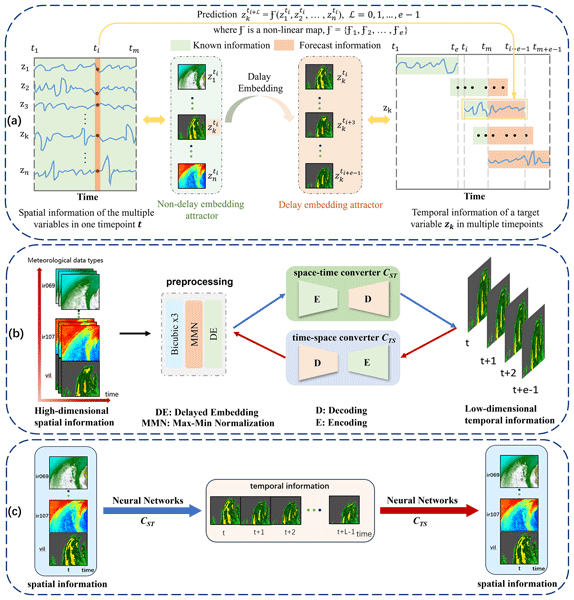
Due to the limitations of past data-based models and the high cost of numerical weather prediction computing, accurately forecasting precipitation proximity remains challenging. A dual encoder-decoder framework is proposed to enhance short-term forecasting and reduce underestimation in extreme precipitation by using spatio-temporal information conversion equations and adaptive weighted gradient loss. Demonstrates better accuracy than existing deep learning methods in precipitation datasets.
Zengchang Fan, Chuncan Fan, Lu Zhang, Lingbing Bu, Jiyu Wang, Yingxue Chen, Jinrui Guo, Qingting Zhu, Jiqiao Liu, and Weibiao Chen
EGUsphere, https://doi.org/10.5194/egusphere-2026-3759, https://doi.org/10.5194/egusphere-2026-3759, 2026
Short summary
Short summary
This study uses one year of observations from the DQ-1 spaceborne integrated path differential absorption (IPDA) lidar to evaluate the random errors of atmospheric carbon dioxide retrievals and their reduction through along-track averaging. We show that random errors vary with surface type and recommend different averaging numbers and a dynamic averaging strategy for land–sea boundaries. These results provide practical guidance for future spaceborne IPDA lidar carbon dioxide observations.
Wen Kang, Hao Wang, Qiangyu Zeng, Tiantian Yu, Jiafeng Zheng, and Zhi Li
EGUsphere, https://doi.org/10.5194/egusphere-2026-2395, https://doi.org/10.5194/egusphere-2026-2395, 2026
Short summary
Short summary
This study tackles radar observation gaps from complex terrain and discontinuous coverage. We present CBAM-Unet, a deep learning model that reconstructs radar composite reflectivity (RCRF) using FY-4A geostationary satellite multi-channel data. By embedding the Convolutional Block Attention Module (CBAM) into U-Net, the model combines channel and spatial attention to highlight key spectral bands and spatial regions, improving the representation of echo structures and intense echo cores.
Shutian Mu, Huan Liu, Jiazhen Zhao, Xiaoqiao Wang, Fangying Wu, and Lei Liu
EGUsphere, https://doi.org/10.5194/egusphere-2026-3175, https://doi.org/10.5194/egusphere-2026-3175, 2026
Short summary
Short summary
Clouds cause key uncertainty in climate forecasts. Since previous assessments overlooked how warming changes clouds, we identified a cloud cover trend mode linked to global warming. Testing 13 climate models showed that while they capture historical warming, they miss this trend mode, underestimating its magnitude and misplacing the pattern. This reveals fundamental limits in current models. Resolving this will improve predictions of cloud behavior, making climate projections more reliable.
Qingwei Zeng, Lei Liu, Lele Cai, Hao Zhou, Qinghui Li, and Xichuan Liu
EGUsphere, https://doi.org/10.5194/egusphere-2026-3143, https://doi.org/10.5194/egusphere-2026-3143, 2026
This preprint is open for discussion and under review for Atmospheric Chemistry and Physics (ACP).
Short summary
Short summary
Sea fog disrupts shipping but remains hard to forecast due to a lack of measurements inside fog. We flew a drone with a novel cloud sensor over the Yellow Sea, obtaining the first vertical profiles of temperature, humidity, and fog droplets through a full fog life cycle. Our results show how turbulent mixing and a stable layer above the fog trap moisture, causing fog to thicken. These findings provide a solid foundation to improve fog forecasts and maritime safety.
Jun Wang, Honghui Xu, Wei Xiao, Yuting Pang, Ning Hu, Jiaping Xu, Yibo Liu, Lingbing Bu, Chang Cao, Zhonghao Yang, Tianhao Wang, Lei Jia, Jinhui Wu, Mi Zhang, and Xuhui Lee
Atmos. Chem. Phys., 26, 8169–8184, https://doi.org/10.5194/acp-26-8169-2026, https://doi.org/10.5194/acp-26-8169-2026, 2026
Short summary
Short summary
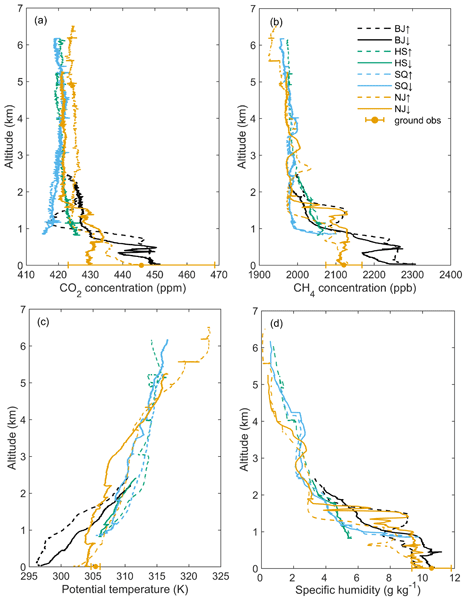
We focused on CO2 and CH4 characteristics in urban atmospheric boundary layer (ABL). Results showed that CO2 and CH4 in the ABL were consistently higher than those in the free atmosphere. The inversion jump values of CO2 and CH4 over Beijing were both larger than those over Nanjing. Based on CH4 : CO2, we found that inventory might have overlooked the energy transition occurring in cities, while also demonstrating that one-dimensional slab model is inadequate for urban greenhouse gas budgets.
Yonglin Fang, Hancheng Hu, Xiangdong Zheng, Jianping Guo, Xingbing Zhao, Fang Ma, and Hao Wu
Atmos. Chem. Phys., 26, 4089–4104, https://doi.org/10.5194/acp-26-4089-2026, https://doi.org/10.5194/acp-26-4089-2026, 2026
Short summary
Short summary
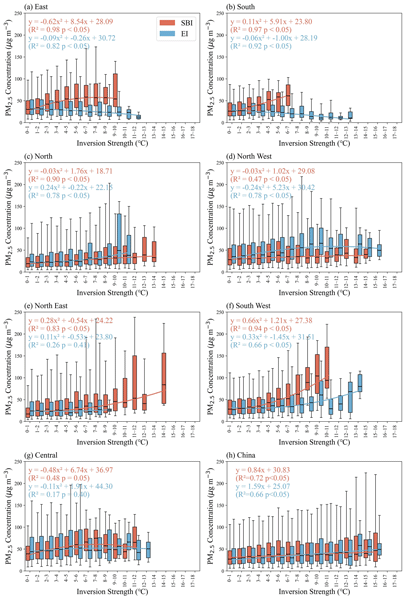
This study shows how temperature inversions (warm air above cold) trap pollution in China. Using six years of national data, we find these "lids" frequently cause severe haze, especially in winter, by increasing pollution probability and intensity. Impacts differ by region and inversion type/strength. These findings help improve air quality forecasts and regional pollution control strategies.
Jinfeng Ding, Yuan Shang, Yulong Shan, Jingkai Ma, Jin Ye, Xichuan Liu, Lei Liu, and Xiaoqiao Wang
The Cryosphere, 20, 629–646, https://doi.org/10.5194/tc-20-629-2026, https://doi.org/10.5194/tc-20-629-2026, 2026
Short summary
Short summary
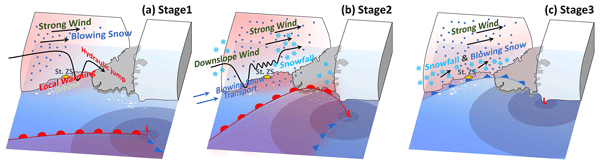
This study employed the numerical model to simulate an intense blowing snow event near Zhongshan Station, East Antarctica, from 15–17 July 2022. While primarily driven by a mid-latitude cyclone, the event’s evolution was strongly modulated by complex local topography, which influenced airflow and enhanced snow transport. Terrain-induced uplift intensified snowfall and prolonged blizzard conditions, underscoring the importance of high-resolution modeling for Antarctic weather research.
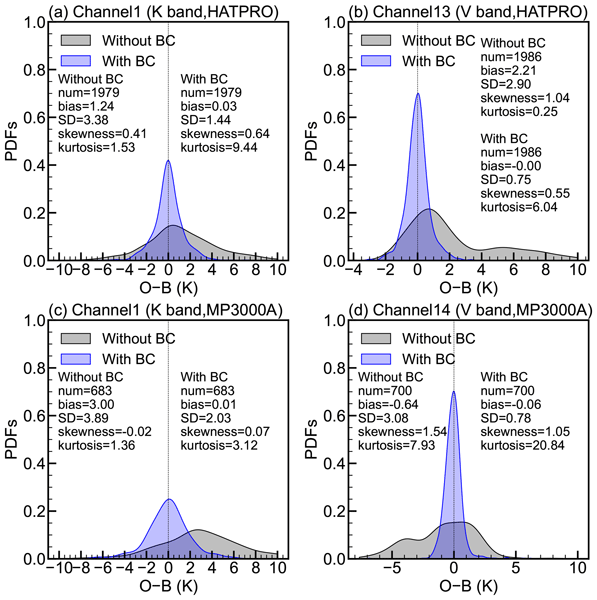
Qing Zheng, Wei Sun, Zhiquan Liu, Jiajia Mao, Jieying He, Jian Li, and Xingwen Jiang
Geosci. Model Dev., 19, 731–754, https://doi.org/10.5194/gmd-19-731-2026, https://doi.org/10.5194/gmd-19-731-2026, 2026
Short summary
Short summary
Ground-based microwave radiometers (GMWRs) offer high temporal resolution observations with strong sensitivity to the lower atmosphere, making them valuable for data assimilation. However, their assimilation has traditionally focused on retrieved profiles. This study implemented the direct assimilation of brightness temperatures from GMWRs with a machine learning-based bias correction scheme. The results show improvements in the low-level atmospheric structure and precipitation predictions.
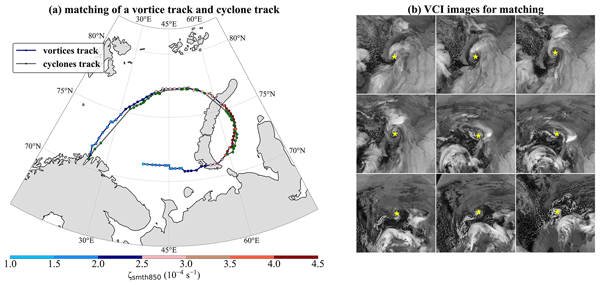
Runzhuo Fang, Jinfeng Ding, Wenjuan Gao, Xi Liang, Zhuoqi Chen, Chuanfeng Zhao, Haijin Dai, and Lei Liu
Earth Syst. Sci. Data, 17, 6049–6069, https://doi.org/10.5194/essd-17-6049-2025, https://doi.org/10.5194/essd-17-6049-2025, 2025
Short summary
Short summary
Integrated Multi-source Polar Mesoscale Cyclone Tracks (IMPMCT) is a dataset containing a 24-year record (2001–2024) of polar storms in the Nordic Seas. These storms, called Polar Mesoscale Cyclones (PMCs), sometimes cause extreme winds and waves, threatening marine operations. IMPMCT combines remote sensing measurements and reanalysis data to construct a comprehensive PMCs archive. It includes 1110 PMCs tracks, 16 001 cloud patterns, and 4472 wind records, providing fundamental data for advancing our understanding of their development mechanisms.
Dufu Liu, Feihu Huang, Peng Zheng, Xiaomeng Huang, Xi Wu, Xia Yuan, Jiafeng Zheng, Xiaojie Li, and Jing Hu
EGUsphere, https://doi.org/10.5194/egusphere-2025-2714, https://doi.org/10.5194/egusphere-2025-2714, 2025
Preprint archived
Short summary
Short summary
Because of the limitations of past data-based models and the high cost of NWP computing, accurate precipitation proximity forecasting remains challenging. A dual encoder-decoder framework is proposed to enhance short-term forecasting and reduce underestimation in extreme precipitation by using spatio-temporal information conversion equations and adaptive weighted gradient loss. Experiments on SEVIR datasets show greater accuracy than existing deep learning methods.
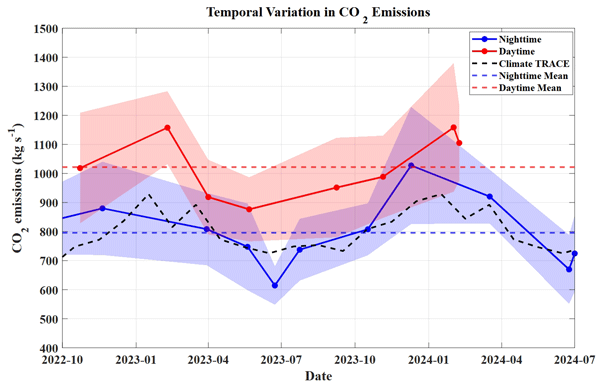
Xuanye Zhang, Hailong Yang, Lingbing Bu, Zengchang Fan, Wei Xiao, Binglong Chen, Lu Zhang, Sihan Liu, Zhongting Wang, Jiqiao Liu, Weibiao Chen, and Xuhui Lee
Atmos. Chem. Phys., 25, 6725–6740, https://doi.org/10.5194/acp-25-6725-2025, https://doi.org/10.5194/acp-25-6725-2025, 2025
Short summary
Short summary
This study utilized the IPDA (integrated path differential absorption) lidar on board the DQ-1 satellite to monitor emissions from localized strong point sources and, for the first time, observed the diurnal variation in CO2 emissions from a high-latitude power plant. Overall, power plant CO2 emissions were largely consistent with local electricity consumption patterns, with most plants emitting less at night than during the day and with higher emissions in winter compared to spring and autumn.
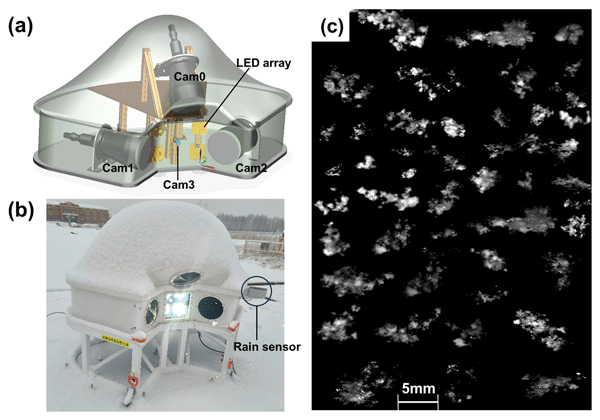
Jiayi Shi, Xichuan Liu, Lei Liu, Liying Liu, and Peng Wang
Atmos. Meas. Tech., 18, 2261–2278, https://doi.org/10.5194/amt-18-2261-2025, https://doi.org/10.5194/amt-18-2261-2025, 2025
Short summary
Short summary
The Three-Dimensional Precipitation Particle Imager (3D-PPI) was introduced as a new instrument to measure the three-dimensional shape, size, and falling velocity of precipitation particles. Field experiments of the 3D-PPI were conducted in Tulihe, China, during the winter of 2023 to 2024. More than 880 000 snowflakes in a typical snowfall case lasting 13 h were recorded. It shows potential applications in atmospheric science, polar research, and other fields.
Chuanhong Zhao, Yijun Zhang, Dong Zheng, Haoran Li, Sai Du, Xueyan Peng, Xiantong Liu, Pengguo Zhao, Jiafeng Zheng, and Juan Shi
Atmos. Chem. Phys., 24, 11637–11651, https://doi.org/10.5194/acp-24-11637-2024, https://doi.org/10.5194/acp-24-11637-2024, 2024
Short summary
Short summary
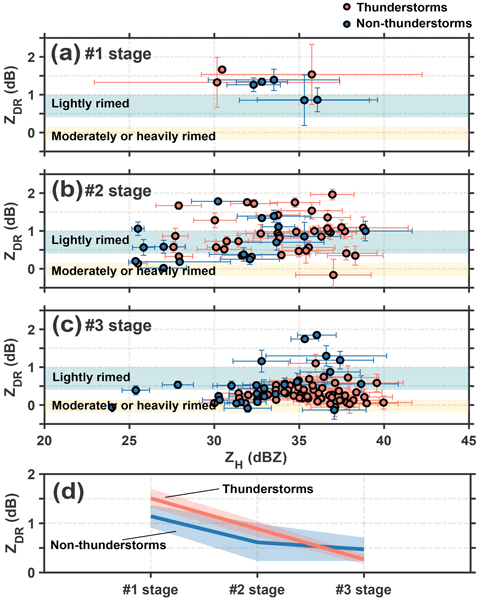
Understanding lightning activity is important for meteorology and atmospheric chemistry. However, the occurrence of lightning activity in clouds is uncertain. In this study, we quantified the difference between isolated thunderstorms and non-thunderstorms. We showed that lightning activity was more likely to occur with more graupel volume and/or riming. A deeper ZDR column was associated with lightning occurrence. This information can aid in a deeper understanding of lighting physics.
Wei Huang, Lei Liu, Bin Yang, Shuai Hu, Wanying Yang, Zhenfeng Li, Wantong Li, and Xiaofan Yang
Atmos. Meas. Tech., 16, 4101–4114, https://doi.org/10.5194/amt-16-4101-2023, https://doi.org/10.5194/amt-16-4101-2023, 2023
Short summary
Short summary
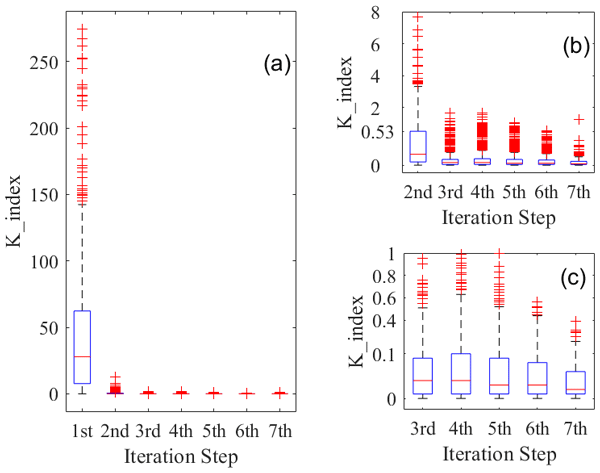
To improve the retrieval speed of the AERI optimal estimation (AERIoe) method, a fast-retrieval algorithm named Fast AERIoe is proposed on the basis of the findings that the change in Jacobians during the retrieval process had little effect on the performance of AERIoe. The results of the experiment show that the retrieved profiles from Fast AERIoe are comparable to those of AERIoe and that the retrieval speed is significantly improved, with the average retrieval time reduced by 59 %.
Ming Li, Husi Letu, Hiroshi Ishimoto, Shulei Li, Lei Liu, Takashi Y. Nakajima, Dabin Ji, Huazhe Shang, and Chong Shi
Atmos. Meas. Tech., 16, 331–353, https://doi.org/10.5194/amt-16-331-2023, https://doi.org/10.5194/amt-16-331-2023, 2023
Short summary
Short summary
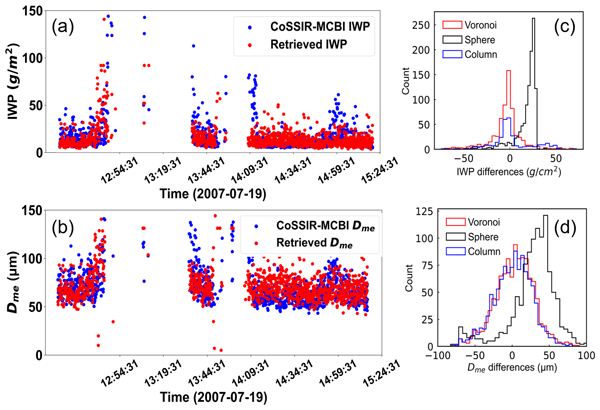
Influenced by the representativeness of ice crystal scattering models, the existing terahertz ice cloud remote sensing inversion algorithms still have significant uncertainties. We developed an ice cloud remote sensing retrieval algorithm of the ice water path and particle size from aircraft-based terahertz radiation measurements based on the Voronoi model. Validation revealed that the Voronoi model performs better than the sphere and hexagonal column models.

Huibin Dai, Hong Liao, Ke Li, Xu Yue, Yang Yang, Jia Zhu, Jianbing Jin, Baojie Li, and Xingwen Jiang
Atmos. Chem. Phys., 23, 23–39, https://doi.org/10.5194/acp-23-23-2023, https://doi.org/10.5194/acp-23-23-2023, 2023
Short summary
Short summary
We apply the 3-D global chemical transport model (GEOS-Chem) to simulate co-polluted days by O3 and PM2.5 (O3–PM2.5PDs) in Beijing–Tianjin–Hebei in 2013–2020 and investigate the chemical and physical characteristics of O3–PM2.5PDs by composited analyses of such days that are captured by both the observations and the model. We report for the first time the unique features in vertical distributions of aerosols during O3–PM2.5PDs and the physical and chemical characteristics of O3–PM2.5PDs.
Farhan Mustafa, Lingbing Bu, Qin Wang, Na Yao, Muhammad Shahzaman, Muhammad Bilal, Rana Waqar Aslam, and Rashid Iqbal
Atmos. Meas. Tech., 14, 7277–7290, https://doi.org/10.5194/amt-14-7277-2021, https://doi.org/10.5194/amt-14-7277-2021, 2021
Short summary
Short summary
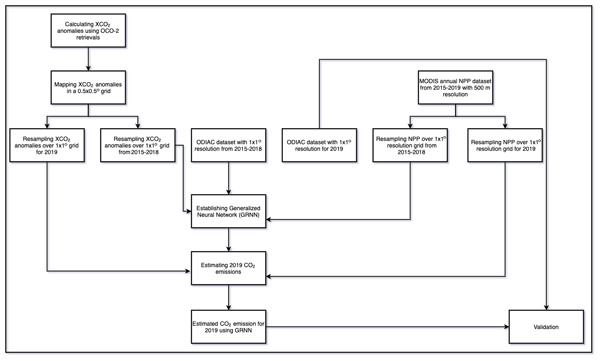
A neural-network-based approach was suggested to estimate CO2 emissions using satellite-based net primary productivity (NPP) and XCO2 retrievals. XCO2 anomalies were calculated for each year using OCO-2 retrievals. A Generalized Regression Neural Network (GRNN) model was then built; NPP, XCO2 anomalies, and ODIAC CO2 emissions from 2015 to 2018 were used as a training dataset; and, finally, CO2 emissions were predicted for 2019 based on the NPP and XCO2 anomalies calculated for the same year.
Cited articles
Atlas, D., Srivastava, R., and Sekhon, R. S.: Doppler radar characteristics of precipitation at vertical incidence, Reviews of Geophysics, 11, 1–35, https://doi.org/10.1029/RG011i001p00001, 1973.
Barthazy, E., Henrich, W., and Waldvogel, A.: Size distribution of hydrometeors through the melting layer, Atmospheric Research, 47, 193–208, https://doi.org/10.1016/S0169-8095(98)00065-9, 1998.
Boschetti, L., Stehman, S. V., and Roy, D. P.: A stratified random sampling design in space and time for regional to global scale burned area product validation, Remote Sensing of Environment, 186, 465–478, https://doi.org/10.1016/j.rse.2016.09.016, 2016.
Clothiaux, E., Miller, M., Albrecht, B., Stephens, G., and Ackerman, T.: Millimeter-wavelength radars: New frontier in atmospheric cloud and precipitation research, Bulletin of the American Meteorological Society, 88, 1608–1624, https://doi.org/10.1175/BAMS-88-10-1608, 2007.
Daisley, S. E. and Aydin, K.: Relationships between rainfall rate, attenuation, and reflectivity at 14 and 35 GHz frequencies, in: IEEE International Geoscience and Remote Sensing Symposium, 2009–2011, https://doi.org/10.1109/IGARSS.2002.1026429, 2002.
Foufoula-Georgiou, E., Guilloteau, C., Nguyen, P., Aghakouchak, A., Hsu, K.-L., Busalacchi, A., Turk, F. J., Peters-Lidard, C., Oki, T., and Duan, Q.: Advancing precipitation estimation, prediction, and impact studies, Bulletin of the American Meteorological Society, 101, E1584, https://doi.org/10.1175/bams-d-20-0014.1, 2020.
Gatidis, C., Schleiss, M., and Unal, C.: Sensitivity analysis of DSD retrievals from polarimetric radar in stratiform rain based on the μ–Λ relationship, Atmos. Meas. Tech., 15, 4951–4969, https://doi.org/10.5194/amt-15-4951-2022, 2022.
Gatlin, P. N., Petersen, W. A., Knupp, K. R., and Carey, L. D.: Observed response of the raindrop size distribution to changes in the melting layer, Atmosphere, 9, 319, https://doi.org/10.3390/atmos9080319, 2018.
Giangrande, S. E., Luke, E. P., and Kollias, P.: Characterization of vertical velocity and drop size distribution parameters in widespread precipitation at ARM facilities, Journal of Applied Meteorology and Climatology, 51, 380–391, https://doi.org/10.1175/JAMC-D-10-05000.1, 2012.
Haynes, J. M., Marchand, R. T., Luo, Z., Bodas-Salcedo, A., and Stephens, G. L.: A multipurpose radar simulation package: QuickBeam, Bulletin of the American Meteorological Society, 88, 1723–1728, https://doi.org/10.1175/BAMS-88-11-1723, 2007.
Hogan, R. J., Gaussiat, N., and Illingworth, A. J.: Stratocumulus liquid water content from dual-wavelength radar, Journal of Atmospheric and Oceanic Technology, 22, 1207–1218, https://doi.org/10.1175/JTECH1768.1, 2005.
Hu, X., Yuan, W., and Yu, R.: The extraordinary rainfall over the eastern periphery of the Tibetan Plateau in August 2020, Advances in Atmospheric Sciences, 38, 2097–2107, https://doi.org/10.1007/s00376-021-1134-7, 2021.
Huang, C., Chen, S., Zhang, A., and Pang, Y.: Statistical characteristics of raindrop size distribution in monsoon season over South China Sea, Remote Sensing, 13, 2878, https://doi.org/10.3390/rs13152878, 2021.
Huo, Z., Ruan, Z., Wei, M., Ge, R., Li, F., and Ruan, Y.: Statistical characteristics of raindrop size distribution in south China summer based on the vertical structure derived from VPR-CFMCW, Atmospheric Research, 222, 47–61, https://doi.org/10.1016/j.atmosres.2019.01.022, 2019.
Jin, H. G. and Baik, J. J.: Do Double-Moment Microphysics Schemes Make Reliable Predictions on the Raindrop Number Concentration?: A Squall-Line Case Study, Journal of Geophysical Research: Atmospheres, 128, e2022JD038394, https://doi.org/10.1029/2022JD038394, 2023.
Kattel, D. B., Yao, T., Yang, W., Gao, Y., and Tian, L.: Comparison of temperature lapse rates from the northern to the southern slopes of the Himalayas, International Journal of Climatology, 35, 4431–4443, https://doi.org/10.1002/joc.4297, 2015.
Kumar, L. S., Lee, Y. H., and Ong, J. T.: Two-parameter gamma drop size distribution models for Singapore, IEEE Transactions on Geoscience and Remote Sensing, 49, 3371–3380, https://doi.org/10.1109/TGRS.2011.2124464, 2011.
Li, M., Bi, Y., Shen, Y., Wang, Y., Nima, C., Chen, T., and Lyu, D.: Microphysical Characteristics of Rainfall Based on Long-Term Observations with a 2DVD in Yangbajain, Tibet, Advances in Atmospheric Sciences, 41, 1721–1734, https://doi.org/10.1007/s00376-024-3299-3, 2024.
Li, Q., Wei, J., Yin, J., Qiao, Z., Cao, J., and Shi, Y.: Microphysical characteristics of raindrop size distribution and implications for radar rainfall estimation over the northeastern Tibetan Plateau, Journal of Geophysical Research: Atmospheres, 127, e2021JD035575, https://doi.org/10.1029/2021JD035575, 2022.
Liu, X. and Yin, Z.-Y.: Spatial and temporal variation of summer precipitation over the eastern Tibetan Plateau and the North Atlantic Oscillation, Journal of Climate, 14, 2896–2909, https://doi.org/10.1175/1520-0442(2001)014<2896:SATVOS>2.0.CO;2, 2001.
Löhnert, U. and Maier, O.: Operational profiling of temperature using ground-based microwave radiometry at Payerne: prospects and challenges, Atmos. Meas. Tech., 5, 1121–1134, https://doi.org/10.5194/amt-5-1121-2012, 2012.
Maahn, M., Turner, D. D., Löhnert, U., Posselt, D. J., Ebell, K., Mace, G. G., and Comstock, J. M.: Optimal estimation retrievals and their uncertainties: What every atmospheric scientist should know, Bulletin of the American Meteorological Society, 101, E1512–E1523, https://doi.org/10.1175/BAMS-D-19-0027.1, 2020.
Maggioni, V. and Massari, C.: Extreme hydroclimatic events and multivariate hazards in a changing environment: a remote sensing approach, Elsevier, https://doi.org/10.1016/C2017-0-02344-3, 2019.
Protat, A., Klepp, C., Louf, V., Petersen, W. A., Alexander, S. P., Barros, A., Leinonen, J., and Mace, G. G.: The latitudinal variability of oceanic rainfall properties and its implication for satellite retrievals: 1. Drop size distribution properties, Journal of Geophysical Research: Atmospheres, 124, 13291–13311, https://doi.org/10.1029/2019JD031010, 2019.
Pu, K., Liu, X., Liu, L., and Gao, T.: Water vapor retrieval using commercial microwave links based on the LSTM network, IEEE Journal of Selected Topics in Applied Earth Observations and Remote Sensing, 14, 4330–4338, https://doi.org/10.1109/JSTARS.2021.3073013, 2021.
Smith, P. L.: Raindrop size distributions: Exponential or gamma – Does the difference matter?, Journal of Applied Meteorology and Climatology, 42, 1031–1034, https://doi.org/10.1175/1520-0450(2003)042<1031:RSDEOG>2.0.CO;2, 2003.
Tapiador, F., Checa, R., and De Castro, M.: An experiment to measure the spatial variability of rain drop size distribution using sixteen laser disdrometers, Geophysical Research Letters, 37, https://doi.org/10.1029/2010GL044120, 2010.
Thomas, A., Kanawade, V. P., Chakravarty, K., and Srivastava, A. K.: Characterization of raindrop size distributions and its response to cloud microphysical properties, Atmospheric Research, 249, 105292, https://doi.org/10.1016/j.atmosres.2020.105292, 2021.
Thurai, M., Gatlin, P., and Bringi, V.: Separating stratiform and convective rain types based on the drop size distribution characteristics using 2D video disdrometer data, Atmospheric Research, 169, 416–423, https://doi.org/10.1016/j.atmosres.2015.04.011, 2016.
Tridon, F. and Battaglia, A.: Dual-frequency radar Doppler spectral retrieval of rain drop size distributions and entangled dynamics variables, Journal of Geophysical Research: Atmospheres, 120, 5585–5601, https://doi.org/10.1002/2014JD023023, 2015.
Unal, C. and van den Brule, Y.: Exploring Millimeter-Wavelength Radar Capabilities for Raindrop Size Distribution Retrieval: Estimating Mass-Weighted Mean Diameter from the Differential Backscatter Phase, Journal of Atmospheric and Oceanic Technology, 41, 583–603, https://doi.org/10.1175/JTECH-D-23-0094.1, 2024.
Williams, C. R., Beauchamp, R. M., and Chandrasekar, V.: Vertical air motions and raindrop size distributions estimated using mean Doppler velocity difference from 3 and 35 GHz vertically pointing radars, IEEE Transactions on Geoscience and Remote Sensing, 54, 6048–6060, https://doi.org/10.1109/TGRS.2016.2580526, 2016.
Xu, X., Dong, L., Zhao, Y., and Wang, Y.: Effect of the Asian Water Tower over the Qinghai-Tibet Plateau and the characteristics of atmospheric water circulation, Chinese Science Bulletin, 64, 2830–2841, https://doi.org/10.1360/TB-2019-0203, 2019.
Yang, Q., Dai, Q., Han, D., Chen, Y., and Zhang, S.: Sensitivity analysis of raindrop size distribution parameterizations in WRF rainfall simulation, Atmospheric Research, 228, 1–13, https://doi.org/10.1016/j.atmosres.2019.05.019, 2019.
You, Q., Min, J., Lin, H., Pepin, N., Sillanpää, M., and Kang, S.: Observed climatology and trend in relative humidity in the central and eastern Tibetan Plateau, Journal of Geophysical Research: Atmospheres, 120, 3610–3621, https://doi.org/10.1002/2014JD023031, 2015.
Zhang, X., Delpha, C., and Diallo, D.: Performance evaluation of Jensen–Shannon divergence-based incipient fault diagnosis: Theoretical proofs and validations, Structural Health Monitoring, 22, 1628–1646, https://doi.org/10.1177/14759217221111349, 2023.
Short summary
A method is developed and validated for retrieving vertical profiles of the raindrop size distributions (DSD) parameters from a single-frequency Ka-band radar in this study. Some unique characteristics of the vertical profiles of DSD parameters in the eastern Tibetan Plateau are found. The empirical relationships for quantitative precipitation estimates and attenuation correction in the eastern Tibetan Plateau with Ka-band radar are derived.
A method is developed and validated for retrieving vertical profiles of the raindrop size...


