
Articles | Volume 18, issue 23
https://doi.org/10.5194/amt-18-7349-2025
© Author(s) 2025. This work is distributed under
the Creative Commons Attribution 4.0 License.
the Creative Commons Attribution 4.0 License.
https://doi.org/10.5194/amt-18-7349-2025
© Author(s) 2025. This work is distributed under
the Creative Commons Attribution 4.0 License.
the Creative Commons Attribution 4.0 License.
Research article
| 
04 Dec 2025
Research article |
| 04 Dec 2025
| 04 Dec 2025
Correcting for water vapor diffusion in air bag samples for isotope composition analysis: case study with drone-collected samples
Di Wang
CORRESPONDING AUTHOR

Institute of International Rivers and Eco-security, Yunnan Key Laboratory of International Rivers and Transboundary Eco-security, Ministry of Education Key Laboratory for Ecosecurity of Southwest China, Yunnan University, Kunming 650500, Yunnan, China
Laboratoire de Météorologie Dynamique, IPSL, CNRS, Sorbonne Université, Campus Pierre et Marie Curie, Paris 75005, France
Laboratoire Atmosphères, Observations Spatiales, IPSL, CNRS, UVSQ, Université Paris-Saclay, Guyancourt 78280, France
Camille Risi
Laboratoire de Météorologie Dynamique, IPSL, CNRS, Sorbonne Université, Campus Pierre et Marie Curie, Paris 75005, France
Lide Tian
Institute of International Rivers and Eco-security, Yunnan Key Laboratory of International Rivers and Transboundary Eco-security, Ministry of Education Key Laboratory for Ecosecurity of Southwest China, Yunnan University, Kunming 650500, Yunnan, China
Di Yang
Institute of International Rivers and Eco-security, Yunnan Key Laboratory of International Rivers and Transboundary Eco-security, Ministry of Education Key Laboratory for Ecosecurity of Southwest China, Yunnan University, Kunming 650500, Yunnan, China
Gabriel J. Bowen
Department of Geology and Geophysics, University of Utah, Salt Lake City, Utah 84108, USA
Siteng Fan
Laboratoire de Météorologie Dynamique, IPSL, CNRS, Sorbonne Université, Campus Pierre et Marie Curie, Paris 75005, France
Department of Earth and Space Sciences, Southern University of Science and Technology, Shenzhen 518055, China
Département d'Informatique, École normale supérieure – PSL, 45 Rue d'Ulm, 75005 Paris, France
Hongxi Pang
Key Laboratory of Coast and Island Development of Ministry of Education, School of Geography and Ocean Science, Nanjing University, Nanjing 210023, China
Laurent Z. X. Li
Laboratoire de Météorologie Dynamique, IPSL, CNRS, Sorbonne Université, Campus Pierre et Marie Curie, Paris 75005, France
Related authors
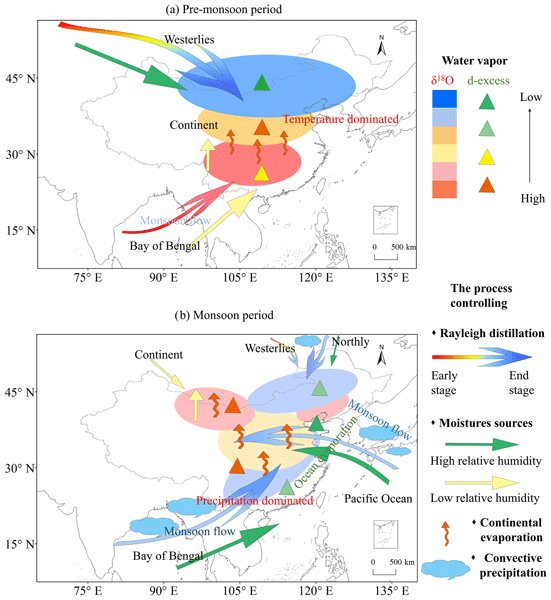
Di Wang, Lide Tian, Camille Risi, Xuejie Wang, Jiangpeng Cui, Gabriel J. Bowen, Kei Yoshimura, Zhongwang Wei, and Laurent Z. X. Li
Atmos. Chem. Phys., 23, 3409–3433, https://doi.org/10.5194/acp-23-3409-2023, https://doi.org/10.5194/acp-23-3409-2023, 2023
Short summary
Short summary
To better understand the spatial and temporal distribution of vapor isotopes, we present two vehicle-based spatially continuous snapshots of the near-surface vapor isotopes in China during the pre-monsoon and monsoon periods. These observations are explained well by different moisture sources and processes along the air mass trajectories. Our results suggest that proxy records need to be interpreted in the context of regional systems and sources of moisture.
Peiwen Wu, Yang Su, Mengru Wang, Xiaomei Yang, Matthias C. Rillig, Xiahui Wang, Ruiping Liu, Su Ye, Lianqing Zhou, Zhou Shi, and Songchao Chen
Earth Syst. Sci. Data Discuss., https://doi.org/10.5194/essd-2026-536, https://doi.org/10.5194/essd-2026-536, 2026
Preprint under review for ESSD
Short summary
Short summary
Plastic pollution poses a major threat to soils worldwide, yet global tracking remains fragmented. To address this, we built a global database by compiling over 6,000 records across 49 countries. We found that reported plastic amounts are highly uneven globally and vary significantly based on the detection method used. This standardized database provides a vital foundation for scientists and policymakers to map, monitor, and manage the ecological risks of soil pollution globally.
Claudia J. Stubenrauch, Xiaoting Chen, Laurent Li, and Anthony J. Baran
EGUsphere, https://doi.org/10.5194/egusphere-2026-5049, https://doi.org/10.5194/egusphere-2026-5049, 2026
This preprint is open for discussion and under review for Weather and Climate Dynamics (WCD).
Short summary
Short summary
Atmospheric heating gradients caused by tropical upper tropospheric ice clouds (cirrus) influence the atmospheric circulation which then affects patterns of precipitation. While their overall radiative effect leads to a strengthening of the Hadley circulation, semi-transparent cirrus weaken the circulation. This means that in a warmer climate changes in their optical depth may then counteract or enhance the weakened Hadley circulation.
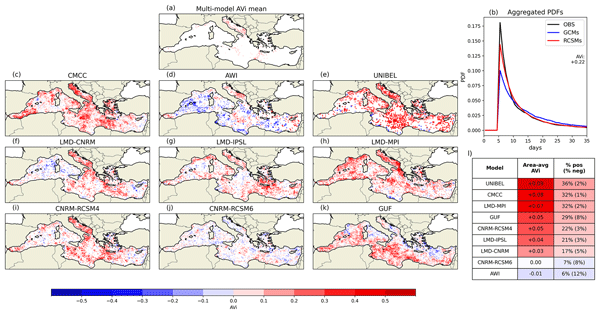
Francesco De Rovere, Giulia Bonino, Ronan McAdam, Enrico Scoccimarro, Samuel Somot, Iván M. Parras-Berrocal, Bodo Ahrens, Vladimir Djurdjevic, Laurent Li, and Simona Masina
Ocean Sci., 22, 2725–2742, https://doi.org/10.5194/os-22-2725-2026, https://doi.org/10.5194/os-22-2725-2026, 2026
Short summary
Short summary
Marine heatwaves in the Mediterranean Sea are intensifying, posing growing threats to marine life and coastal communities. We evaluated if high-resolution regional climate models better capture these extremes compared to the global models driving them. Regional models reliably improve sea surface temperature patterns and marine heatwave duration, but struggle more with heatwave intensity. Higher horizontal resolution alone is not enough, advances in other model components are equally needed.
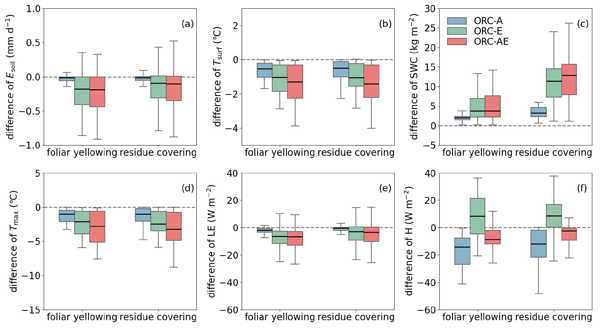
Ke Yu, Yang Su, Ronny Lauerwald, Philippe Ciais, Yi Xi, Haoran Xu, Xianglin Zhang, Nicolas Viovy, Amie Pickering, Marie Collard, and Daniel S. Goll
Geosci. Model Dev., 19, 7217–7237, https://doi.org/10.5194/gmd-19-7217-2026, https://doi.org/10.5194/gmd-19-7217-2026, 2026
Short summary
Short summary
Coupling crop and land surface models helps quantify the climate effects of agriculture, but lacks crop-specific management processes. We enhanced a land surface model with time-varying albedo from foliar yellowing and residue cover, improving the simulation of energy and water fluxes. Results show cooler surfaces and slightly wetter soils during residue cover, highlighting how managements improve climate mitigation and adaptation, advancing the development of climate-smart agriculture.
Christelle Barthe, Françoise Vimeux, Camille Risi, and Sören François
EGUsphere, https://doi.org/10.5194/egusphere-2026-548, https://doi.org/10.5194/egusphere-2026-548, 2026
Short summary
Short summary
We implemented water stable isotopes in the non-hydrostatic mesoscale atmospheric model Meso-NH. We validated this isotopic version (Meso-NH-ISO) with a simulation of a well-documented squall line in the Sahel region. In future works, simulations with Meso-NH-ISO will be done on real cases of cyclones or squall lines. The goal is to better interpret and quantify isotopic observations on the field in terms of atmospheric processes that drive development and intensity of those thunderstorms.
Ke Yu, Yang Su, Philippe Ciais, Ronny Lauerwald, David Makowski, Tianqi Shi, Shengbiao Wu, Petra Sieber, Chuanlong Zhou, and Daniel Goll
EGUsphere, https://doi.org/10.5194/egusphere-2026-219, https://doi.org/10.5194/egusphere-2026-219, 2026
Short summary
Short summary
Bare soil reflectance affects surface energy exchange in agricultural systems, but its field-scale variability is still poorly known. Using satellite observations and machine learning, we examined spatiotemporal variations of bare soil reflectance across European croplands. We show that it varies with soil properties, soil moisture, and observation geometry. These results suggest that dynamic soil reflectance should be taken into account in surface energy balance studies of agroecosystems.
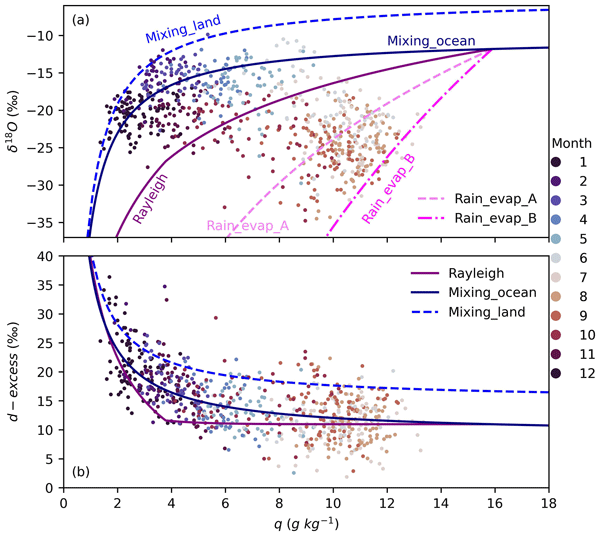
Zhongyin Cai, Rong Li, Cheng Wang, Qiukai Mao, and Lide Tian
Atmos. Chem. Phys., 25, 11633–11650, https://doi.org/10.5194/acp-25-11633-2025, https://doi.org/10.5194/acp-25-11633-2025, 2025
Short summary
Short summary
Local and upstream specific humidity is the main factor determining non-monsoon season d-excess variability over southeast Tibetan Plateau (TP) due to the intrusion of cold and dry air from upper levels. During the summer monsoon season, d-excess and δ18O mainly reflect the effect of raindrop evaporation which leads to lower vapor δ18O but higher d-excess values. These findings provide new insights into using water isotopes to track moisture sources and dynamics over the TP.
Yang Su, Nikola Besic, Xianglin Zhang, Yidi Xu, Saverio Francini, Giovanni D'Amico, Gherardo Chirici, Martin Schwartz, Ibrahim Fayad, Sarah Brood, Agnes Pellissier-tanon, Ke Yu, Haotian Chen, Songchao Chen, Alexandre d'Aspremont, and Philippe Ciais
Earth Syst. Sci. Data Discuss., https://doi.org/10.5194/essd-2025-378, https://doi.org/10.5194/essd-2025-378, 2025
Manuscript not accepted for further review
Short summary
Short summary
We created the first long-term map of tree height in Italy, showing yearly changes from 2004 to 2024 at a 30-meter resolution. Using satellite images and laser data from both aircraft and space, we applied deep learning and statistical fusion to produce accurate estimates. This map helps reveal where forests have been disturbed and how they recover over time, offering a valuable tool to support forest protection and climate policy.
Gabriel J. Bowen, Sagarika Banerjee, and Suvankar Chakraborty
Hydrol. Earth Syst. Sci., 29, 3907–3915, https://doi.org/10.5194/hess-29-3907-2025, https://doi.org/10.5194/hess-29-3907-2025, 2025
Short summary
Short summary
Instruments that use absorption of laser light to measure isotopic concentrations in water are advancing our understanding of the water cycle, but for some sample types these instruments suffer from major biases caused by organic compounds. A new dataset of water from >1800 plant and soil samples shows that these effects are common and severe for many plant species but can be mathematically corrected to obtain high-quality research data.
Lei Zhu, Philippe Ciais, Yitong Yao, Daniel Goll, Sebastiaan Luyssaert, Isabel Martínez Cano, Arthur Fendrich, Laurent Li, Hui Yang, Sassan Saatchi, Ricardo Dalagnol, and Wei Li
Geosci. Model Dev., 18, 4915–4933, https://doi.org/10.5194/gmd-18-4915-2025, https://doi.org/10.5194/gmd-18-4915-2025, 2025
Short summary
Short summary
This study enhances the accuracy of modeling the carbon dynamics of the Amazon rainforest by optimizing key model parameters based on satellite data. Using spatially varying parameters for tree mortality and photosynthesis, we improved predictions of biomass, productivity, and tree mortality. Our findings highlight the critical role of wood density and water availability in forest processes, offering insights to use in refining global carbon cycle models.
Songchao Chen, Qi Shuai, Dominique Arrouays, Zhongxing Chen, Lingju Dai, Yongsheng Hong, Bifeng Hu, Yuyang Huang, Wenjun Ji, Shuo Li, Zongzheng Liang, Yuxin Ma, Anne C. Richer-de-Forges, Calogero Schillaci, Yang Su, Hongfen Teng, Nan Wang, Xi Wang, Yanyu Wang, Zheng Wang, Zhige Wang, Dongyun Xu, Jie Xue, Su Ye, Xianglin Zhang, Yin Zhou, Peng Zhu, and Zhou Shi
Earth Syst. Sci. Data Discuss., https://doi.org/10.5194/essd-2024-373, https://doi.org/10.5194/essd-2024-373, 2024
Manuscript not accepted for further review
Short summary
Short summary
The impact of land use and land cover change (LULCC) on soil organic carbon stock (SOCS) is uncertain due to limited global data. Despite regional efforts, a comprehensive global SOCS database has been lacking. This study introduces the Global Soil Organic Carbon Stock dataset after LULCC (GSOCS-LULCC), compiled from 639 articles covering 1,206 sites and 5,982 records across five major land uses. This open-access database enables global assessment of LULCC's effects on SOCS dynamics.

Mohamed Ayache, Jean-Claude Dutay, Anne Mouchet, Kazuyo Tachikawa, Camille Risi, and Gilles Ramstein
Geosci. Model Dev., 17, 6627–6655, https://doi.org/10.5194/gmd-17-6627-2024, https://doi.org/10.5194/gmd-17-6627-2024, 2024
Short summary
Short summary
Water isotopes (δ18O, δD) are one of the most widely used proxies in ocean climate research. Previous studies using water isotope observations and modelling have highlighted the importance of understanding spatial and temporal isotopic variability for a quantitative interpretation of these tracers. Here we present the first results of a high-resolution regional dynamical model (at 1/12° horizontal resolution) developed for the Mediterranean Sea, one of the hotspots of ongoing climate change.
Yu Zhu, Shiyin Liu, Ben W. Brock, Lide Tian, Ying Yi, Fuming Xie, Donghui Shangguan, and Yiyuan Shen
Hydrol. Earth Syst. Sci., 28, 2023–2045, https://doi.org/10.5194/hess-28-2023-2024, https://doi.org/10.5194/hess-28-2023-2024, 2024
Short summary
Short summary
This modeling-based study focused on Batura Glacier from 2000 to 2020, revealing that debris alters its energy budget, affecting mass balance. We propose that the presence of debris on the glacier surface effectively reduces the amount of latent heat available for ablation, which creates a favorable condition for Batura Glacier's relatively low negative mass balance. Batura Glacier shows a trend toward a less negative mass balance due to reduced ablation.
Di Wang, Lide Tian, Camille Risi, Xuejie Wang, Jiangpeng Cui, Gabriel J. Bowen, Kei Yoshimura, Zhongwang Wei, and Laurent Z. X. Li
Atmos. Chem. Phys., 23, 3409–3433, https://doi.org/10.5194/acp-23-3409-2023, https://doi.org/10.5194/acp-23-3409-2023, 2023
Short summary
Short summary
To better understand the spatial and temporal distribution of vapor isotopes, we present two vehicle-based spatially continuous snapshots of the near-surface vapor isotopes in China during the pre-monsoon and monsoon periods. These observations are explained well by different moisture sources and processes along the air mass trajectories. Our results suggest that proxy records need to be interpreted in the context of regional systems and sources of moisture.
Yuan Zhang, Devaraju Narayanappa, Philippe Ciais, Wei Li, Daniel Goll, Nicolas Vuichard, Martin G. De Kauwe, Laurent Li, and Fabienne Maignan
Geosci. Model Dev., 15, 9111–9125, https://doi.org/10.5194/gmd-15-9111-2022, https://doi.org/10.5194/gmd-15-9111-2022, 2022
Short summary
Short summary
There are a few studies to examine if current models correctly represented the complex processes of transpiration. Here, we use a coefficient Ω, which indicates if transpiration is mainly controlled by vegetation processes or by turbulence, to evaluate the ORCHIDEE model. We found a good performance of ORCHIDEE, but due to compensation of biases in different processes, we also identified how different factors control Ω and where the model is wrong. Our method is generic to evaluate other models.
Jiajia Wang, Hongxi Pang, Shuangye Wu, Spruce W. Schoenemann, Ryu Uemura, Alexey Ekaykin, Martin Werner, Alexandre Cauquoin, Sentia Goursaud Oger, Summer Rupper, and Shugui Hou
Earth Syst. Sci. Data Discuss., https://doi.org/10.5194/essd-2022-384, https://doi.org/10.5194/essd-2022-384, 2022
Revised manuscript not accepted
Short summary
Short summary
Stable water isotopic observations in surface snow over Antarctica provide a basis for validating isotopic models and interpreting Antarctic ice core records. This study presents a new compilation of Antarctic surface snow isotopic dataset based on published and unpublished sources. The database has a wide range of potential applications in studying spatial distribution of water isotopes, model validation, and reconstruction and interpretation of Antarctic ice core records.
Deming Yang and Gabriel J. Bowen
Clim. Past, 18, 2181–2210, https://doi.org/10.5194/cp-18-2181-2022, https://doi.org/10.5194/cp-18-2181-2022, 2022
Short summary
Short summary
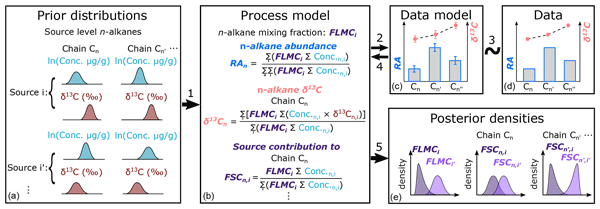
Plant wax lipid ratios and their isotopes are used in vegetation and paleoclimate reconstructions. While studies often use either type of data, both can inform the mixing pattern of source plants. We developed a statistic model that evaluates ratios and isotopes together. Through case studies, we showed that the approach allows more detailed interpretations of vegetation and paleoclimate than traditional methods. This evolving framework can include more geochemical tracers in the future.
Yi Nan, Zhihua He, Fuqiang Tian, Zhongwang Wei, and Lide Tian
Hydrol. Earth Syst. Sci., 26, 4147–4167, https://doi.org/10.5194/hess-26-4147-2022, https://doi.org/10.5194/hess-26-4147-2022, 2022
Short summary
Short summary
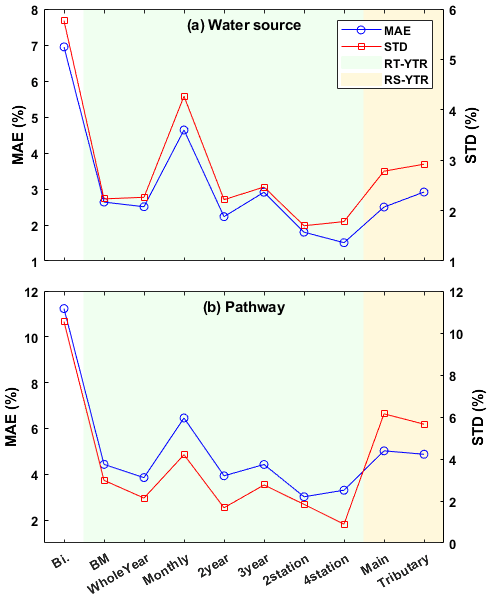
Tracer-aided hydrological models are useful tool to reduce uncertainty of hydrological modeling in cold basins, but there is little guidance on the sampling strategy for isotope analysis, which is important for large mountainous basins. This study evaluated the reliance of the tracer-aided modeling performance on the availability of isotope data in the Yarlung Tsangpo river basin, and provides implications for collecting water isotope data for running tracer-aided hydrological models.
Yongwei Liu, Yuanbo Liu, Wen Wang, Han Zhou, and Lide Tian
Hydrol. Earth Syst. Sci., 26, 3825–3845, https://doi.org/10.5194/hess-26-3825-2022, https://doi.org/10.5194/hess-26-3825-2022, 2022
Short summary
Short summary
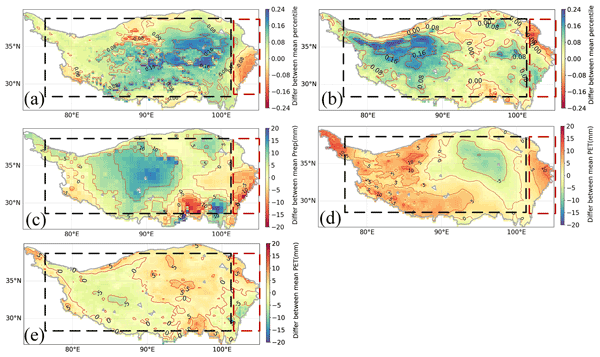
This study investigated the wetting and drying of the Tibetan Plateau (TP) from variations in soil moisture (SM) droughts. We found the TP experienced an abrupt and significant wetting shift in the middle to late 1990s, not merely the steady trends given in literature. This shift is dominated by precipitation and attributed to the North Atlantic Oscillation. The wetting shift indicates a climate regime change. Our innovative work provides implications for further knowledge of the TP climate.
Wangbin Zhang, Shugui Hou, Shuang-Ye Wu, Hongxi Pang, Sharon B. Sneed, Elena V. Korotkikh, Paul A. Mayewski, Theo M. Jenk, and Margit Schwikowski
The Cryosphere, 16, 1997–2008, https://doi.org/10.5194/tc-16-1997-2022, https://doi.org/10.5194/tc-16-1997-2022, 2022
Short summary
Short summary
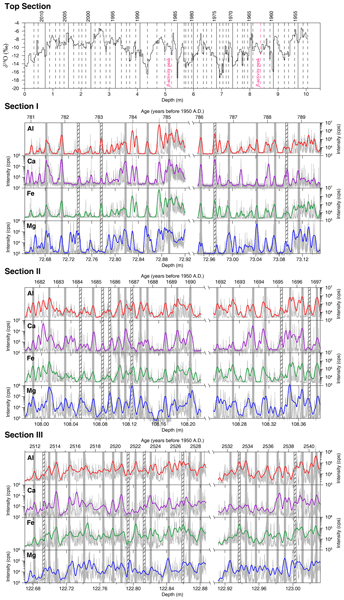
This study proposes a quantitative method to reconstruct annual precipitation records at the millennial timescale from the Tibetan ice cores through combining annual layer identification based on LA-ICP-MS measurement with an ice flow model. The reliability of this method is assessed by comparing our results with other reconstructed and modeled precipitation series for the Tibetan Plateau. The assessment shows that the method has a promising performance.
Jiacheng Chen, Jie Chen, Xunchang John Zhang, Peiyi Peng, and Camille Risi
Earth Syst. Sci. Data Discuss., https://doi.org/10.5194/essd-2021-460, https://doi.org/10.5194/essd-2021-460, 2022
Manuscript not accepted for further review
Short summary
Short summary
To make full use of the advantages of isotope observations and simulations, this study generates a new dataset by integrating multi-GCM data based on data fusion and bias correction methods. This dataset contains monthly δ18Op over mainland China for the 1870–2017 period with a spatial resolution of 50–60 km. The built isoscape shows similar spatial and temporal distribution characteristics to observations, which is reliable and useful to extend the time and space of observations in China.
Tao Xu, Hongxi Pang, Zhaojun Zhan, Wangbin Zhang, Huiwen Guo, Shuangye Wu, and Shugui Hou
Hydrol. Earth Syst. Sci., 26, 117–127, https://doi.org/10.5194/hess-26-117-2022, https://doi.org/10.5194/hess-26-117-2022, 2022
Short summary
Short summary
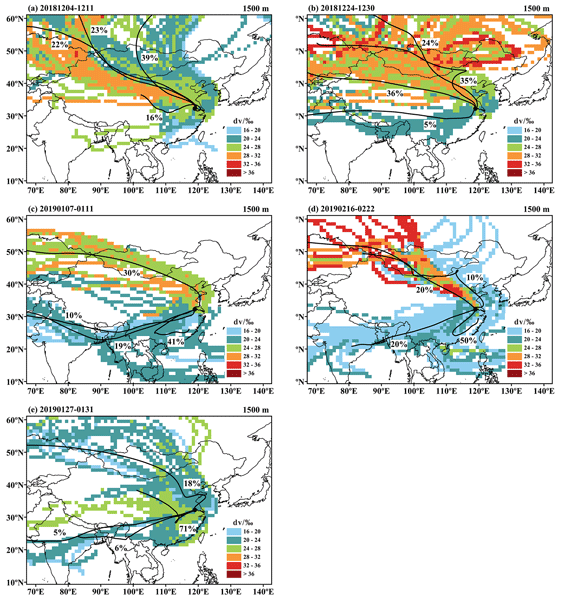
In this study, we presented stable isotopes in atmospheric water vapor and precipitation for five extreme winter precipitation events in Nanjing, southeastern China, from December 2018 to February 2019. Our results imply that multiple moisture sources and the rapid shift among them are important conditions for sustaining extreme precipitation events, especially in the relatively cold and dry winter.
Yi Nan, Zhihua He, Fuqiang Tian, Zhongwang Wei, and Lide Tian
Hydrol. Earth Syst. Sci., 25, 6151–6172, https://doi.org/10.5194/hess-25-6151-2021, https://doi.org/10.5194/hess-25-6151-2021, 2021
Short summary
Short summary
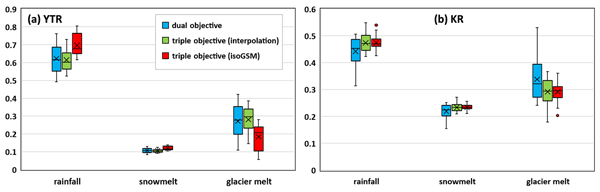
Hydrological modeling has large problems of uncertainty in cold regions. Tracer-aided hydrological models are increasingly used to reduce uncertainty and refine the parameterizations of hydrological processes, with limited application in large basins due to the unavailability of spatially distributed precipitation isotopes. This study explored the utility of isotopic general circulation models in driving a tracer-aided hydrological model in a large basin on the Tibetan Plateau.
Cited articles
Ayliffe, L., Cerling, T., Robinson, T., West, A., Sponheimer, M., Passey, B., Hammer, J., Roeder, B., Dearing, M., and Ehleringer, J.: Turnover of carbon isotopes in tail hair and breath CO2 of horses fed an isotopically varied diet, Oecologia, 139, 11–22, https://doi.org/10.1007/s00442-003-1479-x, 2004.
Bony, S., Risi, C., and Vimeux, F.: Influence of convective processes on the isotopic composition (δ18O and δD) of precipitation and water vapor in the tropics: 1. Radiative-convective equilibrium and Tropical Ocean–Global Atmosphere–Coupled Ocean-Atmosphere Response Experiment (TOGA-COARE) simulations, Journal of Geophysical Research: Atmospheres, 113, https://doi.org/10.1029/2008jd009942, 2008.
Bowen, G. J., Cai, Z., Fiorella, R. P., and Putman, A. L.: Isotopes in the Water Cycle: Regional-to Global-Scale Patterns and Applications, Annual Review of Earth and Planetary Sciences, 47, https://doi.org/10.1146/annurev-earth-053018-060220, 2019.
Brienen, R. J., Schöngart, J., and Zuidema, P. A.: Tree rings in the tropics: insights into the ecology and climate sensitivity of tropical trees, Tropical tree physiology: adaptations and responses in a changing environment, 439–461, https://doi.org/10.1007/978-3-319-27422-5_20, 2016.
Cerling, T. E., Wittemyer, G., Rasmussen, H. B., Vollrath, F., Cerling, C. E., Robinson, T. J., and Douglas-Hamilton, I.: Stable isotopes in elephant hair document migration patterns and diet changes, Proceedings of the National Academy of Sciences, 103, 371–373, https://doi.org/10.3410/f.1030596.358704, 2006.
Dansgaard, W.: Stable isotopes in precipitation, Tellus, 16, 436–468, https://doi.org/10.1111/j.2153-3490.1964.tb00181.x, 1964.
de Vries, A. J., Aemisegger, F., Pfahl, S., and Wernli, H.: Stable water isotope signals in tropical ice clouds in the West African monsoon simulated with a regional convection-permitting model, Atmos. Chem. Phys., 22, 8863–8895, https://doi.org/10.5194/acp-22-8863-2022, 2022.
Diekmann, C. J., Schneider, M., Ertl, B., Hase, F., García, O., Khosrawi, F., Sepúlveda, E., Knippertz, P., and Braesicke, P.: The global and multi-annual MUSICA IASI {H2O,δD} pair dataset, Earth Syst. Sci. Data, 13, 5273–5292, https://doi.org/10.5194/essd-13-5273-2021, 2021.
Fick, A.: Ueber diffusion, Annalen der Physik, 170, 59–86, 1855.
Galewsky, J., Steen-Larsen, H. C., Field, R. D., Worden, J., Risi, C., and Schneider, M.: Stable isotopes in atmospheric water vapor and applications to the hydrologic cycle, Reviews of Geophysics, 54, https://doi.org/10.1002/2015rg000512, 2016.
Gat, J. R.: Oxygen and hydrogen isotopes in the hydrologic cycle, Annual Review of Earth and Planetary Sciences, 24, 225–262, https://doi.org/10.1146/annurev.earth.24.1.225, 1996.
Ghosh, P. and Brand, W. A.: Stable isotope ratio mass spectrometry in global climate change research, International Journal of Mass Spectrometry, 228, 1–33, https://doi.org/10.1016/s1387-3806(03)00289-6, 2003.
Gralher, B., Herbstritt, B., and Weiler, M.: Technical note: Unresolved aspects of the direct vapor equilibration method for stable isotope analysis (δ18O, δ2H) of matrix-bound water: unifying protocols through empirical and mathematical scrutiny, Hydrol. Earth Syst. Sci., 25, 5219–5235, https://doi.org/10.5194/hess-25-5219-2021, 2021.
Grootes, P. M. and Stuiver, M.: Oxygen 18/16 variability in Greenland snow and ice with 10(-3)- to 10(5)-year time resolution, Journal of Geophysical Research-Oceans, 102, 26455–26470, https://doi.org/10.1029/97jc00880, 1997.
Havranek, R. E., Snell, K. E., Davidheiser-Kroll, B., Bowen, G. J., and Vaughn, B.: The Soil Water Isotope Storage System (SWISS): An integrated soil water vapor sampling and multiport storage system for stable isotope geochemistry, Rapid Communications in Mass Spectrometry, 34, e8783, https://doi.org/10.1002/rcm.8783 , 2020.
He, H. and Smith, R. B.: Stable isotope composition of water vapor in the atmospheric boundary layer above the forests of New England, Journal of Geophysical Research Atmospheres, 104, 11657–11673, https://doi.org/10.1029/1999jd900080, 1999.
Hendry, M. J., Schmeling, E., Wassenaar, L. I., Barbour, S. L., and Pratt, D.: Determining the stable isotope composition of pore water from saturated and unsaturated zone core: improvements to the direct vapour equilibration laser spectrometry method, Hydrol. Earth Syst. Sci., 19, 4427–4440, https://doi.org/10.5194/hess-19-4427-2015, 2015.
Herbstritt, B., Gralher, B., Seeger, S., Rinderer, M., and Weiler, M.: Technical note: Discrete in situ vapor sampling for subsequent lab-based water stable isotope analysis, Hydrol. Earth Syst. Sci., 27, 3701–3718, https://doi.org/10.5194/hess-27-3701-2023, 2023.
Herman, R. L., Cherry, J. E., Young, J., Welker, J. M., Noone, D., Kulawik, S. S., and Worden, J.: Aircraft validation of Aura Tropospheric Emission Spectrometer retrievals of HDO
Hodges, J. T. and Lisak, D.: Frequency-stabilized cavity ring-down spectrometer for high-sensitivity measurements of water vapor concentration, Applied Physics B, 85, 375–382, https://doi.org/10.1007/s00340-006-2411-y, 2006.
Johnson, L., Sharp, Z., Galewsky, J., Strong, M., Van Pelt, A., Dong, F., and Noone, D.: Hydrogen isotope correction for laser instrument measurement bias at low water vapor concentration using conventional isotope analyses: application to measurements from Mauna Loa Observatory, Hawaii, Rapid Communications in Mass Spectrometry, 25, 608–616, https://doi.org/10.1002/rcm.4894, 2011.
Kuang, Z., Toon, G. C., Wennberg, P. O., and Yung, Y. L.: Measured HDO/H2O ratios across the tropical tropopause, Geophysical Research Letters, 30, https://doi.org/10.1029/2003gl017023, 2003.
Lacour, J.-L., Risi, C., Worden, J., Clerbaux, C., and Coheur, P.-F.: Importance of depth and intensity of convection on the isotopic composition of water vapor as seen from IASI and TES δD observations, Earth and Planetary Science Letters, 481, 387–394, https://doi.org/10.1016/j.epsl.2017.10.048, 2018.
Liu, J., Xiao, C., Ding, M., and Ren, J.: Variations in stable hydrogen and oxygen isotopes in atmospheric water vapor in the marine boundary layer across a wide latituderange, J. Environ. Sci., 26, 2266–2276, https://doi.org/10.1016/j.jes.2014.09.007, 2014.
Magh, R.-K., Gralher, B., Herbstritt, B., Kübert, A., Lim, H., Lundmark, T., and Marshall, J.: Technical note: Conservative storage of water vapour – practical in situ sampling of stable isotopes in tree stems, Hydrol. Earth Syst. Sci., 26, 3573–3587, https://doi.org/10.5194/hess-26-3573-2022, 2022.
Michener, R. and Lajtha, K.: Stable isotopes in ecology and environmental science, John Wiley & Sons, https://doi.org/10.1002/9780470691854, 2008.
Millar, C., Pratt, D., Schneider, D. J., and McDonnell, J. J.: A comparison of extraction systems for plant water stable isotope analysis, Rapid Communications in Mass Spectrometry, 32, 1031–1044, https://doi.org/10.1002/rcm.8136, 2018.
Moyer, E. J., Irion, F. W., Yung, Y. L., and Gunson, M. R.: ATMOS stratospheric deuterated water and implications for troposphere-stratosphere transport, Geophysical Research Letters, 23, 2385–2388, 10.1029/96gl01489, 1996.
Muccio, Z. and Jackson, G. P.: Isotope ratio mass spectrometry, Analyst, 134, 213–222, https://doi.org/10.1039/b808232d, 2009.
Rodgers, C. D. and Connor, B. J.: Intercomparison of remote sounding instruments, Journal of Geophysical Research: Atmospheres, 108, https://doi.org/10.1029/2002jd002299, 2003.
Rozmiarek, K. S., Vaughn, B. H., Jones, T. R., Morris, V., Skorski, W. B., Hughes, A. G., Elston, J., Wahl, S., Faber, A.-K., and Steen-Larsen, H. C.: An unmanned aerial vehicle sampling platform for atmospheric water vapor isotopes in polar environments, Atmos. Meas. Tech., 14, 7045–7067, https://doi.org/10.5194/amt-14-7045-2021, 2021.
Salmon, O. E., Welp, L. R., Baldwin, M. E., Hajny, K. D., Stirm, B. H., and Shepson, P. B.: Vertical profile observations of water vapor deuterium excess in the lower troposphere, Atmos. Chem. Phys., 19, 11525–11543, https://doi.org/10.5194/acp-19-11525-2019, 2019.
Schmidt, M., Maseyk, K., Lett, C., Biron, P., Richard, P., Bariac, T., and Seibt, U.: Concentration effects on laser-based δ18O and δ2H measurements and implications for the calibration of vapour measurements with liquid standards, Rapid Communications in Mass Spectrometry, 24, 3553–3561, https://doi.org/10.1002/rcm.4813, 2010.
Schneider, A., Borsdorff, T., aan de Brugh, J., Aemisegger, F., Feist, D. G., Kivi, R., Hase, F., Schneider, M., and Landgraf, J.: First data set of H2O
Shi, X., Risi, C., Pu, T., Lacour, J. l., Kong, Y., Wang, K., He, Y., and Xia, D.: Variability of isotope composition of precipitation in the southeastern Tibetan Plateau from the synoptic to seasonal time scale, Journal of Geophysical Research: Atmospheres, 125, e2019JD031751, https://doi.org/10.1029/2019jd031751, 2020.
Smith, J. A., Ackerman, A. S., Jensen, E. J., and Toon, O. B.: Role of deep convection in establishing the isotopic composition of water vapor in the tropical transition layer, Geophysical Research Letters, 33, 6, https://doi.org/10.1029/2005gl024078, 2006.
Sprenger, M., Herbstritt, B., and Weiler, M.: Established methods and new opportunities for pore water stable isotope analysis, Hydrological Processes, 29, 5174–5192, https://doi.org/10.1002/hyp.10643, 2015.
Steen-Larsen, H. C., Masson-Delmotte, V., Sjolte, J., Johnsen, S. J., Vinther, B. M., Bréon, F. M., Clausen, H. B., Dahl-Jensen, D., Falourd, S., and Fettweis, X.: Understanding the climatic signal in the water stable isotope records from the NEEM shallow firn/ice cores in northwest Greenland, Journal of Geophysical Research Atmospheres, 116, 161–165, https://doi.org/10.1029/2010jd014311, 2011.
Wang, D.: wangdishi/Correcting-for-water-vapor-diffusion_AMT_F: AMT (AMT), Zenodo [code], https://doi.org/10.5281/zenodo.17790553, 2025.
Wassenaar, L., Hendry, M., Chostner, V., and Lis, G.: High resolution pore water δ2H and δ18O measurements by H2O (liquid)–H2O (vapor) equilibration laser spectroscopy, Environmental Science & Technology, 42, 9262–9267, https://doi.org/10.1021/es802065s, 2008.
Webster, C. R. and Heymsfield, A. J.: Water isotope ratios D/H, O-18/O-16, O-17/O-16 in and out of clouds map dehydration pathways, Science, 302, 1742–1745, https://doi.org/10.1126/science.1089496, 2003.
West, A. G., Goldsmith, G. R., Brooks, P. D., and Dawson, T. E.: Discrepancies between isotope ratio infrared spectroscopy and isotope ratio mass spectrometry for the stable isotope analysis of plant and soil waters, Rapid Communications in Mass Spectrometry, 24, 1948–1954, https://doi.org/10.1002/rcm.4597, 2010.
West, J. B., Bowen, G. J., Dawson, T. E., and Tu, K. P.: Isoscapes: understanding movement, pattern, and process on Earth through isotope mapping, Springer, https://doi.org/10.1007/s10933-011-9553-6, 2009.
Worden, J., Bowman, K., Noone, D., Beer, R., Clough, S., Eldering, A., Fisher, B., Goldman, A., Gunson, M., Herman, R., Kulawik, S. S., Lampel, M., Luo, M., Osterman, G., Rinsland, C., Rodgers, C., Sander, S., Shephard, M., and Worden, H.: Tropospheric emission spectrometer observations of the tropospheric HDO/H2O ratio: Estimation approach and characterization, Journal of Geophysical Research-Atmospheres, 111, https://doi.org/10.1029/2005jd006606, 2006.
Worden, J. R., Kulawik, S. S., Fu, D., Payne, V. H., Lipton, A. E., Polonsky, I., He, Y., Cady-Pereira, K., Moncet, J.-L., Herman, R. L., Irion, F. W., and Bowman, K. W.: Characterization and evaluation of AIRS-based estimates of the deuterium content of water vapor, Atmos. Meas. Tech., 12, 2331–2339, https://doi.org/10.5194/amt-12-2331-2019, 2019.
Yu, W., Tian, L., Ma, Y., Xu, B., and Qu, D.: Simultaneous monitoring of stable oxygen isotope composition in water vapour and precipitation over the central Tibetan Plateau, Atmos. Chem. Phys., 15, 10251–10262, https://doi.org/10.5194/acp-15-10251-2015, 2015.
Short summary
We developed and validated a model to correct for water vapor diffusion in sampling bags, enabling reconstruction of the original isotopic composition. We quantified all major sources of error and their uncertainties and introduced permeability experiments as a necessary step before field sampling. This study improves the accuracy, reliability, and standardization of atmospheric isotope observations using air bags.
We developed and validated a model to correct for water vapor diffusion in sampling bags,...


