
Articles | Volume 19, issue 7
https://doi.org/10.5194/amt-19-2529-2026
© Author(s) 2026. This work is distributed under
the Creative Commons Attribution 4.0 License.
the Creative Commons Attribution 4.0 License.
https://doi.org/10.5194/amt-19-2529-2026
© Author(s) 2026. This work is distributed under
the Creative Commons Attribution 4.0 License.
the Creative Commons Attribution 4.0 License.
Research article
| 
16 Apr 2026
Research article |
| 16 Apr 2026
| 16 Apr 2026
Spatio-temporal pattern analysis of MOPITT total column CO using varimax rotation and singular spectrum analysis
John McKinnon
CORRESPONDING AUTHOR

Department of Hydrology and Atmospheric Sciences, University of Arizona, Tucson, AZ, USA
Chayan Roychoudhury
Department of Hydrology and Atmospheric Sciences, University of Arizona, Tucson, AZ, USA
Avelino Arellano Jr.
Department of Hydrology and Atmospheric Sciences, University of Arizona, Tucson, AZ, USA
Benjamin Gaubert
Atmospheric Chemistry Observations & Modeling Laboratory (ACOM), NSF National Center for Atmospheric Research, Boulder (NSF NCAR), CO, USA
Related authors
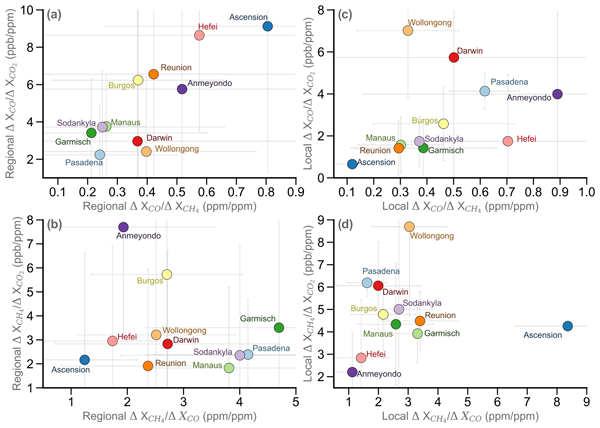
Kavitha Mottungan, Chayan Roychoudhury, Vanessa Brocchi, Benjamin Gaubert, Wenfu Tang, Mohammad Amin Mirrezaei, John McKinnon, Yafang Guo, David W. T. Griffith, Dietrich G. Feist, Isamu Morino, Mahesh K. Sha, Manvendra K. Dubey, Martine De Mazière, Nicholas M. Deutscher, Paul O. Wennberg, Ralf Sussmann, Rigel Kivi, Tae-Young Goo, Voltaire A. Velazco, Wei Wang, and Avelino F. Arellano Jr.
Atmos. Meas. Tech., 17, 5861–5885, https://doi.org/10.5194/amt-17-5861-2024, https://doi.org/10.5194/amt-17-5861-2024, 2024
Short summary
Short summary
A combination of data analysis techniques is introduced to separate local and regional influences on observed levels of carbon dioxide, carbon monoxide, and methane from an established ground-based remote sensing network. We take advantage of the covariations in these trace gases to identify the dominant type of sources driving these levels. Applying these methods in conjunction with existing approaches to other datasets can better address uncertainties in identifying sources and sinks.
Benjamin Gaubert, Mohammad Amin Mirrezaei, Rafael P. Fernandez, Ivan Ortega, Louisa K. Emmons, John Orlando, Youmi Oh, Lori Bruhwiler, Shuo Chen, Gabrielle Petron, Xin Lan, Claire Granier, Nicolas Zilbermann, Idir Bouarar, Guy P. Brasseur, Chuan Feng, Yangyang Xu, Alfonso Saiz-Lopez, Carlos Cuevas, and Avelino Arellano Jr.
EGUsphere, https://doi.org/10.5194/egusphere-2026-4883, https://doi.org/10.5194/egusphere-2026-4883, 2026
Short summary
Short summary
Atmospheric methane levels have been rising in ways scientists struggle to explain. Much of the uncertainty lies in a chemical that removes methane from the air. Using a detailed model of the Earth, we found that chemistry plays an important role in the fate of methane in the atmosphere, even small variations need to be included to track methane accurately.
Megan Robertson, Chayan Roychoudhury, Keming Pan, Mohammad Amin Mirrezaei, Armin Sorooshian, and Avelino Arellano
EGUsphere, https://doi.org/10.5194/egusphere-2026-3397, https://doi.org/10.5194/egusphere-2026-3397, 2026
Short summary
Short summary
Ground level ozone is a hazardous air pollutant, but its drivers can appear different depending on the measurement method. We investigated Tucson, Arizona by inter-comparing satellite and ground-based air quality tools and weather data. This multi-platform approach shows that ozone and its precursors vary by time of day, season, and measurement perspective. The results showcase how semi-arid urban atmospheres are influenced by sunlight, emissions, vegetation, and vertical mixing.
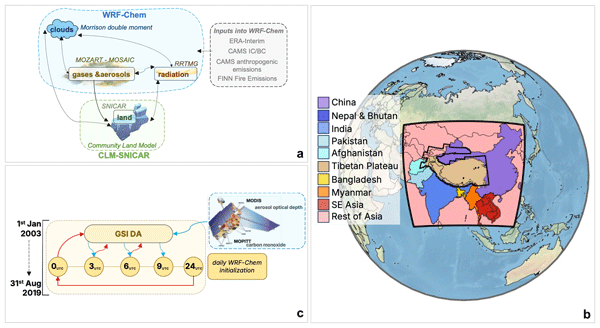
Chayan Roychoudhury, Rajesh Kumar, Cenlin He, William Y. Y. Cheng, Kirpa Ram, Naoki Mizukami, and Avelino F. Arellano
Earth Syst. Sci. Data, 18, 5209–5257, https://doi.org/10.5194/essd-18-5209-2026, https://doi.org/10.5194/essd-18-5209-2026, 2026
Short summary
Short summary
Snow and ice in the high mountains of Asia feed rivers supplying water to over a billion people, but airborne soot and dust darken the snow and speed up melting. We built a 17-year record of these conditions by blending satellite observations with a complex model that simulates weather, air pollution, land, and snow as one connected system. The record agrees well with independent measurements and traces soot on the glaciers to its regional sources, helping assess risks to Asia's water supply.
You Yi, William J. Randel, Laura L. Pan, Yi Liu, Shuangxi Fang, Zhaonan Cai, Teresa Campos, and Benjamin Gaubert
EGUsphere, https://doi.org/10.5194/egusphere-2026-2644, https://doi.org/10.5194/egusphere-2026-2644, 2026
Short summary
Short summary
Methane is a potent greenhouse gas, but how it reaches the upper atmosphere is not well known. Using satellite data, we show that the Asian summer monsoon plays a key role in transporting methane from the lower atmosphere to the upper atmosphere, where it affects both Earth's radiation and the amount of water vapor. Our findings reveal that a regional weather system can influence the global distribution of methane, helping scientists better predict future climate change.
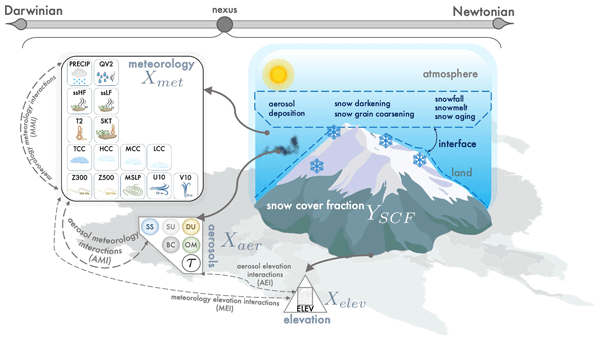
Chayan Roychoudhury, Cenlin He, Rajesh Kumar, and Avelino F. Arellano Jr.
Earth Syst. Dynam., 16, 1237–1266, https://doi.org/10.5194/esd-16-1237-2025, https://doi.org/10.5194/esd-16-1237-2025, 2025
Short summary
Short summary
We present a novel data-driven approach to understand how pollution and weather processes interact to influence snowmelt in Asian glaciers and how these interactions are represented in three climate models. Our findings show where models need improvement in predicting snowmelt, particularly dust and its transport. This method can support future model development for reliable predictions in climate-vulnerable regions.
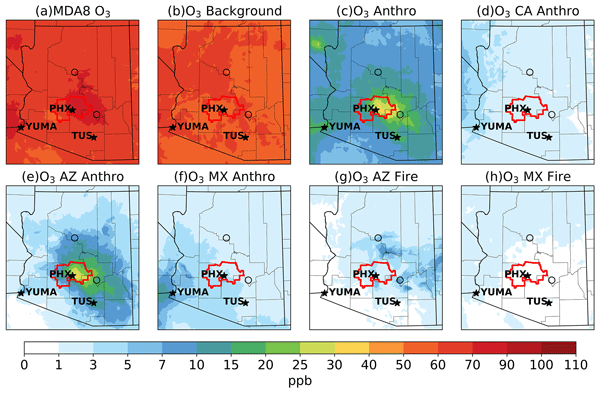
Yafang Guo, Mohammad Amin Mirrezaei, Armin Sorooshian, and Avelino F. Arellano
Atmos. Chem. Phys., 25, 5591–5616, https://doi.org/10.5194/acp-25-5591-2025, https://doi.org/10.5194/acp-25-5591-2025, 2025
Short summary
Short summary
We assess the contributions of fire and anthropogenic emissions to O3 levels in Phoenix, Arizona, during a period of intense heat and drought conditions. We find that fire exacerbates O3 pollution and that interactions between weather, climate, and air chemistry are important to consider. This has implications for activities related to formulating emission reduction strategies in areas that are currently understudied yet becoming relevant due to reports of increasing global aridity.
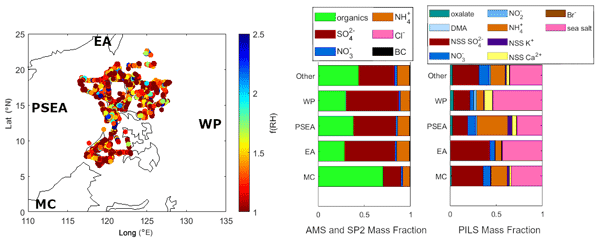
Genevieve Rose Lorenzo, Luke D. Ziemba, Avelino F. Arellano, Mary C. Barth, Ewan C. Crosbie, Joshua P. DiGangi, Glenn S. Diskin, Richard Ferrare, Miguel Ricardo A. Hilario, Michael A. Shook, Simone Tilmes, Jian Wang, Qian Xiao, Jun Zhang, and Armin Sorooshian
Atmos. Chem. Phys., 25, 5469–5495, https://doi.org/10.5194/acp-25-5469-2025, https://doi.org/10.5194/acp-25-5469-2025, 2025
Short summary
Short summary
Novel aerosol hygroscopicity analyses of CAMP2Ex (Cloud, Aerosol, and Monsoon Processes Philippines Experiment) field campaign data show low aerosol hygroscopicity values in Southeast Asia. Organic carbon from smoke decreases hygroscopicity to levels more like those in continental than in polluted marine regions. Hygroscopicity changes at cloud level demonstrate how surface particles impact clouds in the region, affecting model representation of aerosol and cloud interactions in similar polluted marine regions with high organic carbon emissions.
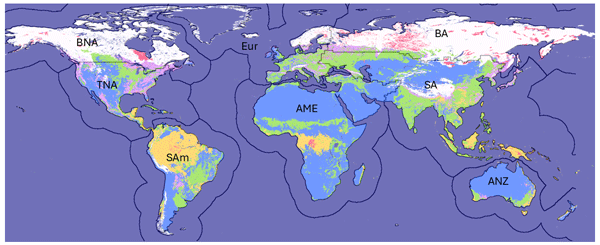
Cynthia H. Whaley, Tim Butler, Jose A. Adame, Rupal Ambulkar, Steve R. Arnold, Rebecca R. Buchholz, Benjamin Gaubert, Douglas S. Hamilton, Min Huang, Hayley Hung, Johannes W. Kaiser, Jacek W. Kaminski, Christoph Knote, Gerbrand Koren, Jean-Luc Kouassi, Meiyun Lin, Tianjia Liu, Jianmin Ma, Kasemsan Manomaiphiboon, Elisa Bergas Masso, Jessica L. McCarty, Mariano Mertens, Mark Parrington, Helene Peiro, Pallavi Saxena, Saurabh Sonwani, Vanisa Surapipith, Damaris Y. T. Tan, Wenfu Tang, Veerachai Tanpipat, Kostas Tsigaridis, Christine Wiedinmyer, Oliver Wild, Yuanyu Xie, and Paquita Zuidema
Geosci. Model Dev., 18, 3265–3309, https://doi.org/10.5194/gmd-18-3265-2025, https://doi.org/10.5194/gmd-18-3265-2025, 2025
Short summary
Short summary
The multi-model experiment design of the HTAP3 Fires project takes a multi-pollutant approach to improving our understanding of transboundary transport of wildland fire and agricultural burning emissions and their impacts. The experiments are designed with the goal of answering science policy questions related to fires. The options for the multi-model approach, including inputs, outputs, and model setup, are discussed, and the official recommendations for the project are presented.
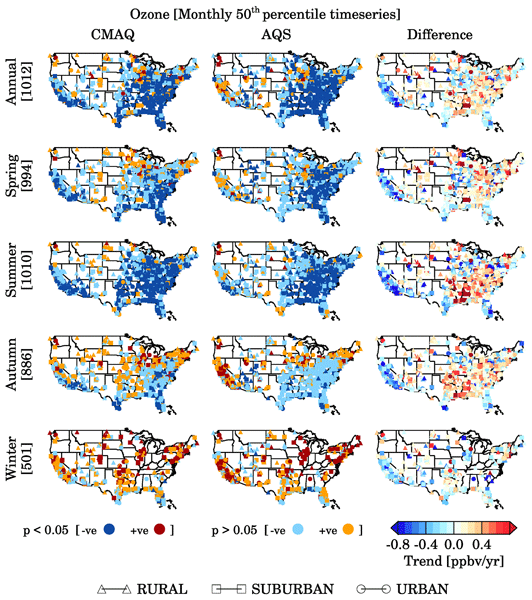
Rajesh Kumar, Piyush Bhardwaj, Cenlin He, Jennifer Boehnert, Forrest Lacey, Stefano Alessandrini, Kevin Sampson, Matthew Casali, Scott Swerdlin, Olga Wilhelmi, Gabriele G. Pfister, Benjamin Gaubert, and Helen Worden
Earth Syst. Sci. Data, 17, 1807–1834, https://doi.org/10.5194/essd-17-1807-2025, https://doi.org/10.5194/essd-17-1807-2025, 2025
Short summary
Short summary
We have created a 14-year hourly air quality dataset at 12 km resolution by combining satellite observations of atmospheric composition with air quality models over the contiguous United States (CONUS). The dataset has been found to reproduce key observed features of air quality over the CONUS. To enable easy visualization and interpretation of county-level air quality measures and trends by stakeholders, an ArcGIS air quality dashboard has also been developed.
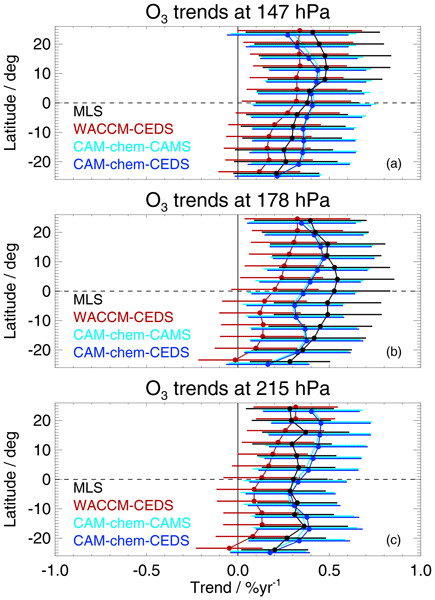
Lucien Froidevaux, Douglas E. Kinnison, Benjamin Gaubert, Michael J. Schwartz, Nathaniel J. Livesey, William G. Read, Charles G. Bardeen, Jerry R. Ziemke, and Ryan A. Fuller
Atmos. Chem. Phys., 25, 597–624, https://doi.org/10.5194/acp-25-597-2025, https://doi.org/10.5194/acp-25-597-2025, 2025
Short summary
Short summary
We compare observed changes in ozone (O3) and carbon monoxide (CO) in the tropical upper troposphere (10–15 km altitude) for 2005–2020 to predictions from model simulations that track the evolution of natural and industrial emissions transported to this region. An increasing trend in measured upper-tropospheric O3 is well matched by model trends. We find that changes in modeled industrial CO surface emissions lead to better model agreement with observed slight decreases in upper-tropospheric CO.
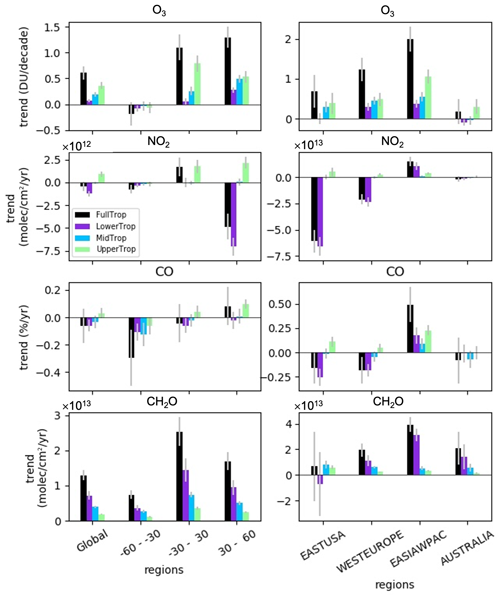
Yasin Elshorbany, Jerald R. Ziemke, Sarah Strode, Hervé Petetin, Kazuyuki Miyazaki, Isabelle De Smedt, Kenneth Pickering, Rodrigo J. Seguel, Helen Worden, Tamara Emmerichs, Domenico Taraborrelli, Maria Cazorla, Suvarna Fadnavis, Rebecca R. Buchholz, Benjamin Gaubert, Néstor Y. Rojas, Thiago Nogueira, Thérèse Salameh, and Min Huang
Atmos. Chem. Phys., 24, 12225–12257, https://doi.org/10.5194/acp-24-12225-2024, https://doi.org/10.5194/acp-24-12225-2024, 2024
Short summary
Short summary
We investigated tropospheric ozone spatial variability and trends from 2005 to 2019 and related those to ozone precursors on global and regional scales. We also investigate the spatiotemporal characteristics of the ozone formation regime in relation to ozone chemical sources and sinks. Our analysis is based on remote sensing products of the tropospheric column of ozone and its precursors, nitrogen dioxide, formaldehyde, and total column CO, as well as ozonesonde data and model simulations.
Kavitha Mottungan, Chayan Roychoudhury, Vanessa Brocchi, Benjamin Gaubert, Wenfu Tang, Mohammad Amin Mirrezaei, John McKinnon, Yafang Guo, David W. T. Griffith, Dietrich G. Feist, Isamu Morino, Mahesh K. Sha, Manvendra K. Dubey, Martine De Mazière, Nicholas M. Deutscher, Paul O. Wennberg, Ralf Sussmann, Rigel Kivi, Tae-Young Goo, Voltaire A. Velazco, Wei Wang, and Avelino F. Arellano Jr.
Atmos. Meas. Tech., 17, 5861–5885, https://doi.org/10.5194/amt-17-5861-2024, https://doi.org/10.5194/amt-17-5861-2024, 2024
Short summary
Short summary
A combination of data analysis techniques is introduced to separate local and regional influences on observed levels of carbon dioxide, carbon monoxide, and methane from an established ground-based remote sensing network. We take advantage of the covariations in these trace gases to identify the dominant type of sources driving these levels. Applying these methods in conjunction with existing approaches to other datasets can better address uncertainties in identifying sources and sinks.
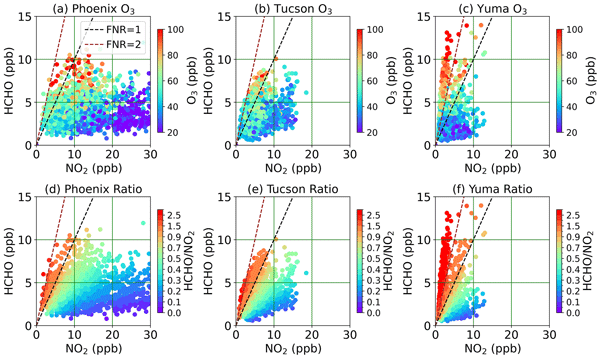
Yafang Guo, Chayan Roychoudhury, Mohammad Amin Mirrezaei, Rajesh Kumar, Armin Sorooshian, and Avelino F. Arellano
Geosci. Model Dev., 17, 4331–4353, https://doi.org/10.5194/gmd-17-4331-2024, https://doi.org/10.5194/gmd-17-4331-2024, 2024
Short summary
Short summary
This research focuses on surface ozone (O3) pollution in Arizona, a historically air-quality-challenged arid and semi-arid region in the US. The unique characteristics of this kind of region, e.g., intense heat, minimal moisture, and persistent desert shrubs, play a vital role in comprehending O3 exceedances. Using the WRF-Chem model, we analyzed O3 levels in the pre-monsoon month, revealing the model's skill in capturing diurnal and MDA8 O3 levels.
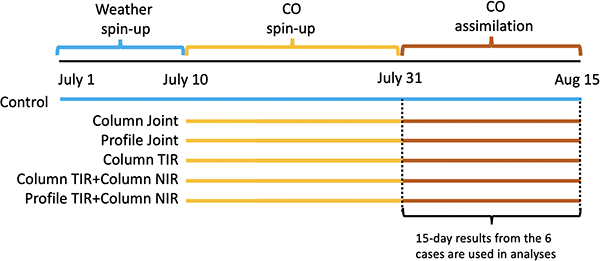
Wenfu Tang, Benjamin Gaubert, Louisa Emmons, Daniel Ziskin, Debbie Mao, David Edwards, Avelino Arellano, Kevin Raeder, Jeffrey Anderson, and Helen Worden
Atmos. Meas. Tech., 17, 1941–1963, https://doi.org/10.5194/amt-17-1941-2024, https://doi.org/10.5194/amt-17-1941-2024, 2024
Short summary
Short summary
We assimilate different MOPITT CO products to understand the impact of (1) assimilating multispectral and joint retrievals versus single spectral products, (2) assimilating satellite profile products versus column products, and (3) assimilating multispectral and joint retrievals versus assimilating individual products separately.
Adrien Deroubaix, Marco Vountas, Benjamin Gaubert, Maria Dolores Andrés Hernández, Stephan Borrmann, Guy Brasseur, Bruna Holanda, Yugo Kanaya, Katharina Kaiser, Flora Kluge, Ovid Oktavian Krüger, Inga Labuhn, Michael Lichtenstern, Klaus Pfeilsticker, Mira Pöhlker, Hans Schlager, Johannes Schneider, Guillaume Siour, Basudev Swain, Paolo Tuccella, Kameswara S. Vinjamuri, Mihalis Vrekoussis, Benjamin Weyland, and John P. Burrows
EGUsphere, https://doi.org/10.5194/egusphere-2024-516, https://doi.org/10.5194/egusphere-2024-516, 2024
Preprint archived
Short summary
Short summary
This study assesses atmospheric composition using air quality models during aircraft campaigns in Europe and Asia, focusing on carbonaceous aerosols and trace gases. While carbon monoxide is well modeled, other pollutants have moderate to weak agreement with observations. Wind speed modeling is reliable for identifying pollution plumes, where models tend to overestimate concentrations. This highlights challenges in accurately modeling aerosol and trace gas composition, particularly in cities.
Adrien Deroubaix, Marco Vountas, Benjamin Gaubert, Maria Dolores Andrés Hernández, Stephan Borrmann, Guy Brasseur, Bruna Holanda, Yugo Kanaya, Katharina Kaiser, Flora Kluge, Ovid Oktavian Krüger, Inga Labuhn, Michael Lichtenstern, Klaus Pfeilsticker, Mira Pöhlker, Hans Schlager, Johannes Schneider, Guillaume Siour, Basudev Swain, Paolo Tuccella, Kameswara S. Vinjamuri, Mihalis Vrekoussis, Benjamin Weyland, and John P. Burrows
EGUsphere, https://doi.org/10.5194/egusphere-2024-521, https://doi.org/10.5194/egusphere-2024-521, 2024
Preprint archived
Short summary
Short summary
This study explores the proportional relationships between carbonaceous aerosols (black and organic carbon) and trace gases using airborne measurements from two campaigns in Europe and East Asia. Differences between regions were found, but air quality models struggled to reproduce them accurately. We show that these proportional relationships can help to constrain models and can be used to infer aerosol concentrations from satellite observations of trace gases, especially in urban areas.
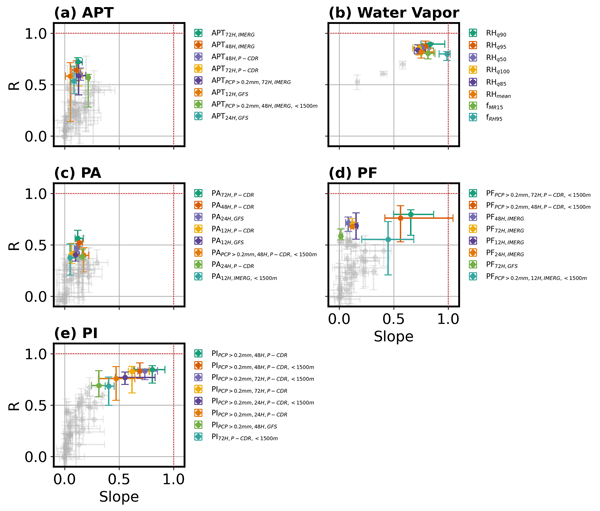
Miguel Ricardo A. Hilario, Avelino F. Arellano, Ali Behrangi, Ewan C. Crosbie, Joshua P. DiGangi, Glenn S. Diskin, Michael A. Shook, Luke D. Ziemba, and Armin Sorooshian
Atmos. Meas. Tech., 17, 37–55, https://doi.org/10.5194/amt-17-37-2024, https://doi.org/10.5194/amt-17-37-2024, 2024
Short summary
Short summary
Wet scavenging strongly influences aerosol lifetime and interactions but is a large uncertainty in global models. We present a method to identify meteorological variables relevant for estimating wet scavenging. During long-range transport over the tropical western Pacific, relative humidity and the frequency of humid conditions are better predictors of scavenging than precipitation. This method can be applied to other regions, and our findings can inform scavenging parameterizations in models.
Wenfu Tang, Louisa K. Emmons, Helen M. Worden, Rajesh Kumar, Cenlin He, Benjamin Gaubert, Zhonghua Zheng, Simone Tilmes, Rebecca R. Buchholz, Sara-Eva Martinez-Alonso, Claire Granier, Antonin Soulie, Kathryn McKain, Bruce C. Daube, Jeff Peischl, Chelsea Thompson, and Pieternel Levelt
Geosci. Model Dev., 16, 6001–6028, https://doi.org/10.5194/gmd-16-6001-2023, https://doi.org/10.5194/gmd-16-6001-2023, 2023
Short summary
Short summary
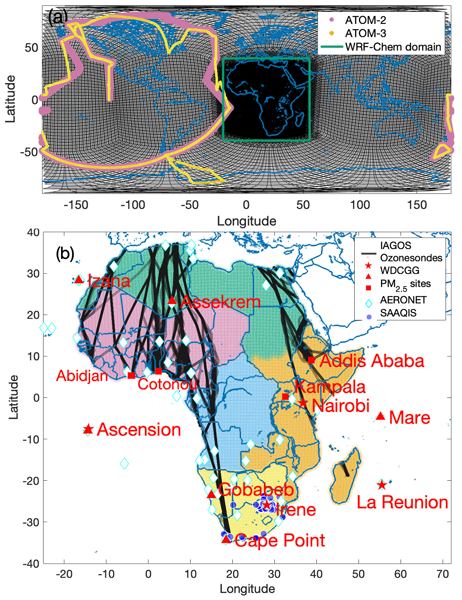
The new MUSICAv0 model enables the study of atmospheric chemistry across all relevant scales. We develop a MUSICAv0 grid for Africa. We evaluate MUSICAv0 with observations and compare it with a previously used model – WRF-Chem. Overall, the performance of MUSICAv0 is comparable to WRF-Chem. Based on model–satellite discrepancies, we find that future field campaigns in an eastern African region (30°E–45°E, 5°S–5°N) could substantially improve the predictive skill of air quality models.
Genevieve Rose Lorenzo, Avelino F. Arellano, Maria Obiminda Cambaliza, Christopher Castro, Melliza Templonuevo Cruz, Larry Di Girolamo, Glenn Franco Gacal, Miguel Ricardo A. Hilario, Nofel Lagrosas, Hans Jarett Ong, James Bernard Simpas, Sherdon Niño Uy, and Armin Sorooshian
Atmos. Chem. Phys., 23, 10579–10608, https://doi.org/10.5194/acp-23-10579-2023, https://doi.org/10.5194/acp-23-10579-2023, 2023
Short summary
Short summary
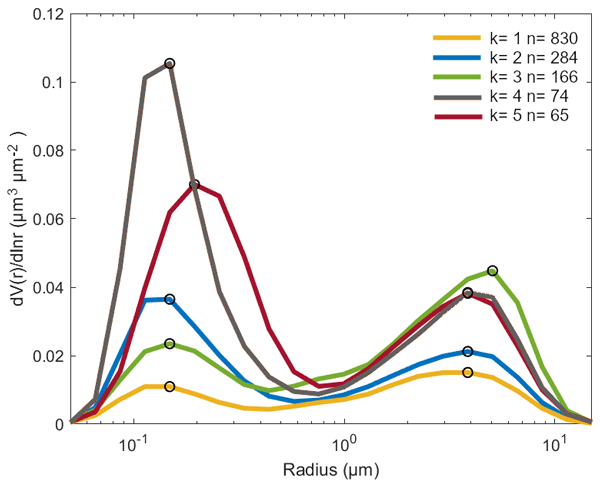
Aerosol and weather interactions in Southeast Asia are complex and understudied. An emerging aerosol climatology was established in Metro Manila, the Philippines, from aerosol particle physicochemical properties and meteorology, revealing five sources. Even with local traffic, transported smoke from biomass burning, aged dust, and cloud processing, background marine particles dominate and correspond to lower aerosol optical depth in Metro Manila compared to other Southeast Asian megacities.
Cited articles
Andela, N., Morton, D. C., Giglio, L., Chen, Y., van der Werf, G. R., Kasibhatla, P. S., DeFries, R. S., Collatz, G. J., Hantson, S., Kloster, S., Bachelet, D., Forrest, M., Lasslop, G., Li, F., Mangeon, S., Melton, J. R., Yue, C., and Randerson, J. T.: A human-driven decline in global burned area, Science, 356, 1356–1362, https://doi.org/10.1126/science.aal4108, 2017. a
Arneth, A., Monson, R. K., Schurgers, G., Niinemets, Ü., and Palmer, P. I.: Why are estimates of global terrestrial isoprene emissions so similar (and why is this not so for monoterpenes)?, Atmos. Chem. Phys., 8, 4605–4620, https://doi.org/10.5194/acp-8-4605-2008, 2008. a
Atkinson, R.: Atmospheric chemistry of VOCs and NOx, Atmospheric Environment, 34, 2063–2101, https://doi.org/10.1016/S1352-2310(99)00460-4, 2000. a
Barret, B., Loicq, P., Le Flochmoën, E., Bennouna, Y., Hadji-Lazaro, J., Hurtmans, D., and Sauvage, B.: Validation of 12 years (2008–2019) of IASI-A CO with IAGOS aircraft observations, Atmos. Meas. Tech., 18, 129–149, https://doi.org/10.5194/amt-18-129-2025, 2025. a
Bennani, M. and Braconnier, T.: Stopping criteria for eigensolvers, CERFACS, Toulouse, France, Tech. Rep. TR/PA/94/22, https://www.researchgate.net/profile/Thierry-Braconnier/publication/2793730_Stopping_Criteria_for_Eigensolvers/links/09e415136fcc9a48dd000000/Stopping-Criteria-for-Eigensolvers.pdf (last access: 7 April 2026), 1994. a
Björnsson, H. and Venegas, S. A.: A manual for EOF and SVD analyses of climate data, 1997. a
Borsdorff, T., Aan de Brugh, J., Hu, H., Aben, I., Hasekamp, O., and Landgraf, J.: Measuring Carbon Monoxide With TROPOMI: First Results and a Comparison With ECMWF-IFS Analysis Data, Geophysical Research Letters, 45, 2826–2832, https://doi.org/10.1002/2018GL077045, 2018. a
Borsdorff, T., aan de Brugh, J., Pandey, S., Hasekamp, O., Aben, I., Houweling, S., and Landgraf, J.: Carbon monoxide air pollution on sub-city scales and along arterial roads detected by the Tropospheric Monitoring Instrument, Atmos. Chem. Phys., 19, 3579–3588, https://doi.org/10.5194/acp-19-3579-2019, 2019. a
Bowman, K. P.: Transport of carbon monoxide from the tropics to the extratropics, Journal of Geophysical Research: Atmospheres, 111, https://doi.org/10.1029/2005JD006137, 2006. a
Buchholz, R. R., Deeter, M. N., Worden, H. M., Gille, J., Edwards, D. P., Hannigan, J. W., Jones, N. B., Paton-Walsh, C., Griffith, D. W. T., Smale, D., Robinson, J., Strong, K., Conway, S., Sussmann, R., Hase, F., Blumenstock, T., Mahieu, E., and Langerock, B.: Validation of MOPITT carbon monoxide using ground-based Fourier transform infrared spectrometer data from NDACC, Atmos. Meas. Tech., 10, 1927–1956, https://doi.org/10.5194/amt-10-1927-2017, 2017. a, b
Buchholz, R. R., Hammerling, D., Worden, H. M., Deeter, M. N., Emmons, L. K., Edwards, D. P., and Monks, S. A.: Links Between Carbon Monoxide and Climate Indices for the Southern Hemisphere and Tropical Fire Regions, Journal of Geophysical Research: Atmospheres, 123, 9786–9800, https://doi.org/10.1029/2018JD028438, 2018. a
Buchholz, R. R., Worden, H. M., Park, M., Francis, G., Deeter, M. N., Edwards, D. P., Emmons, L. K., Gaubert, B., Gille, J., Martínez-Alonso, S., Tang, W., Kumar, R., Drummond, J. R., Clerbaux, C., George, M., Coheur, P.-F., Hurtmans, D., Bowman, K. W., Luo, M., Payne, V. H., Worden, J. R., Chin, M., Levy, R. C., Warner, J., Wei, Z., and Kulawik, S. S.: Air pollution trends measured from Terra: CO and AOD over industrial, fire-prone, and background regions, Remote Sensing of Environment, 256, 112275, https://doi.org/10.1016/j.rse.2020.112275, 2021. a, b, c, d, e
Buell, C. E.: The topography of empirical orthogonal functions., in: Preprints Fourth Conf. on Prob. and Stats, in: Atmos. Sci. Tallahassee, FL, Amer. Meteor. Soc. 188., 1975. a
Buell, C. E.: The Number of Significant Proper Functions of Two-Dimensional Fields, Journal of Applied Meteorology and Climatology, 17, 717–722, https://doi.org/10.1175/1520-0450(1978)017<0717:TNOSPF>2.0.CO;2, 1978. a, b
Chen, S., Xu, L., Zhang, Y., Chen, B., Wang, X., Zhang, X., Zheng, M., Chen, J., Wang, W., Sun, Y., Fu, P., Wang, Z., and Li, W.: Direct observations of organic aerosols in common wintertime hazes in North China: insights into direct emissions from Chinese residential stoves, Atmos. Chem. Phys., 17, 1259–1270, https://doi.org/10.5194/acp-17-1259-2017, 2017. a
Cheng, M., Zhi, G., Tang, W., Liu, S., Dang, H., Guo, Z., Du, J., Du, X., Zhang, W., Zhang, Y., and Meng, F.: Air pollutant emission from the underestimated households' coal consumption source in China, Science of The Total Environment, 580, 641–650, https://doi.org/10.1016/j.scitotenv.2016.12.143, 2017. a
Cho, C. and Staelin, D. H.: Cloud clearing of Atmospheric Infrared Sounder hyperspectral infrared radiances using stochastic methods, Journal of Geophysical Research: Atmospheres, 111, https://doi.org/10.1029/2005JD006013, 2006. a
Cicerone, R.: The Changing Atmosphere cds. FS Rowland and ISA Isaksen, pp. 49-61 John Wiley & Sons Ltd. S. Bernhard, Dahlem Konferenzen, 1988, The Changing Atmosphere, 2, 49, ISBN 0471920479, 1988. a
Clerbaux, C., George, M., Turquety, S., Walker, K. A., Barret, B., Bernath, P., Boone, C., Borsdorff, T., Cammas, J. P., Catoire, V., Coffey, M., Coheur, P.-F., Deeter, M., De Mazière, M., Drummond, J., Duchatelet, P., Dupuy, E., de Zafra, R., Eddounia, F., Edwards, D. P., Emmons, L., Funke, B., Gille, J., Griffith, D. W. T., Hannigan, J., Hase, F., Höpfner, M., Jones, N., Kagawa, A., Kasai, Y., Kramer, I., Le Flochmoën, E., Livesey, N. J., López-Puertas, M., Luo, M., Mahieu, E., Murtagh, D., Nédélec, P., Pazmino, A., Pumphrey, H., Ricaud, P., Rinsland, C. P., Robert, C., Schneider, M., Senten, C., Stiller, G., Strandberg, A., Strong, K., Sussmann, R., Thouret, V., Urban, J., and Wiacek, A.: CO measurements from the ACE-FTS satellite instrument: data analysis and validation using ground-based, airborne and spaceborne observations, Atmos. Chem. Phys., 8, 2569–2594, https://doi.org/10.5194/acp-8-2569-2008, 2008. a
Clerbaux, C., Hadji-Lazaro, J., Turquety, S., George, M., Boynard, A., Pommier, M., Safieddine, S., Coheur, P.-F., Hurtmans, D., Clarisse, L., and Van Damme, M.: Tracking pollutants from space: Eight years of IASI satellite observation, Comptes Rendus Geoscience, 347, 134–144, https://doi.org/10.1016/j.crte.2015.06.001, 2015. a
Conte, L., Szopa, S., Séférian, R., and Bopp, L.: The oceanic cycle of carbon monoxide and its emissions to the atmosphere, Biogeosciences, 16, 881–902, https://doi.org/10.5194/bg-16-881-2019, 2019. a, b
Day, D. A. and Faloona, I.: Carbon monoxide and chromophoric dissolved organic matter cycles in the shelf waters of the northern California upwelling system, Journal of Geophysical Research: Oceans, 114, https://doi.org/10.1029/2007JC004590, 2009. a
Deeter, M. N., Edwards, D. P., Francis, G. L., Gille, J. C., Mao, D., Martínez-Alonso, S., Worden, H. M., Ziskin, D., and Andreae, M. O.: Radiance-based retrieval bias mitigation for the MOPITT instrument: the version 8 product, Atmos. Meas. Tech., 12, 4561–4580, https://doi.org/10.5194/amt-12-4561-2019, 2019. a
Dommenget, D.: Evaluating EOF modes against a stochastic null hypothesis, Climate Dynamics, 28, 517–531, https://doi.org/10.1007/s00382-006-0195-8, 2007. a
Drummond, J. R., Zou, J., Nichitiu, F., Kar, J., Deschambaut, R., and Hackett, J.: A review of 9-year performance and operation of the MOPITT instrument, Advances in Space Research, 45, 760–774, https://doi.org/10.1016/j.asr.2009.11.019, 2010. a
Du, W., Wang, J., Feng, Y., Duan, W., Wang, Z., Chen, Y., Zhang, P., and Pan, B.: Biomass as residential energy in China: Current status and future perspectives, Renewable and Sustainable Energy Reviews, 186, 113657, https://doi.org/10.1016/j.rser.2023.113657, 2023. a
Eder, B. K., Davis, J. M., and Bloomfield, P.: A characterization of the spatiotemporal variability of non-urban ozone concentrations over the eastern United States, Atmospheric Environment. Part A. General Topics, 27, 2645–2668, https://doi.org/10.1016/0960-1686(93)90035-W, 1993. a
Edwards, D. P., Emmons, L. K., Hauglustaine, D. A., Chu, D. A., Gille, J. C., Kaufman, Y. J., Pétron, G., Yurganov, L. N., Giglio, L., Deeter, M. N., Yudin, V., Ziskin, D. C., Warner, J., Lamarque, J.-F., Francis, G. L., Ho, S. P., Mao, D., Chen, J., Grechko, E. I., and Drummond, J. R.: Observations of carbon monoxide and aerosols from the Terra satellite: Northern Hemisphere variability, Journal of Geophysical Research: Atmospheres, 109, https://doi.org/10.1029/2004JD004727, 2004. a, b
Edwards, D. P., Emmons, L. K., Gille, J. C., Chu, A., Attié, J.-L., Giglio, L., Wood, S. W., Haywood, J., Deeter, M. N., Massie, S. T., Ziskin, D. C., and Drummond, J. R.: Satellite-observed pollution from Southern Hemisphere biomass burning, J. Geophys. Res.-Atmos., 111, https://doi.org/10.1029/2005JD006655, 2006. a, b
Espinosa, F., Bartolomé, A. B., Hernández, P. V., and Rodriguez-Sanchez, M. C.: Contribution of Singular Spectral Analysis to Forecasting and Anomalies Detection of Indoors Air Quality, Sensors, 22, 3054, https://doi.org/10.3390/s22083054, 2022. a
Feng, S., Jiang, F., Wu, Z., Wang, H., Ju, W., and Wang, H.: CO Emissions Inferred From Surface CO Observations Over China in December 2013 and 2017, Journal of Geophysical Research: Atmospheres, 125, e2019JD031808, https://doi.org/10.1029/2019JD031808, 2020. a
Fiore, A. M., Naik, V., Spracklen, D. V., Steiner, A., Unger, N., Prather, M., Bergmann, D., Cameron-Smith, P. J., Cionni, I., Collins, W. J., Dalsøren, S., Eyring, V., Folberth, G. A., Ginoux, P., Horowitz, L. W., Josse, B., Lamarque, J.-F., MacKenzie, I. A., Nagashima, T., O'Connor, F. M., Righi, M., Rumbold, S. T., Shindell, D. T., Skeie, R. B., Sudo, K., Szopa, S., Takemura, T., and Zeng, G.: Global air quality and climate, Chemical Society Reviews, 41, 6663–6683, https://doi.org/10.1039/C2CS35095E, 2012. a
Fiore, A. M., Mickley, L. J., Zhu, Q., and Baublitz, C. B.: Climate and Tropospheric Oxidizing Capacity, Annual Review of Earth and Planetary Sciences, 52, 321–349, https://doi.org/10.1146/annurev-earth-032320-090307, 2024. a
Fisher, J. A., Wilson, S. R., Zeng, G., Williams, J. E., Emmons, L. K., Langenfelds, R. L., Krummel, P. B., and Steele, L. P.: Seasonal changes in the tropospheric carbon monoxide profile over the remote Southern Hemisphere evaluated using multi-model simulations and aircraft observations, Atmos. Chem. Phys., 15, 3217–3239, https://doi.org/10.5194/acp-15-3217-2015, 2015. a, b
Folberth, G. A., Hauglustaine, D. A., Lathière, J., and Brocheton, F.: Interactive chemistry in the Laboratoire de Météorologie Dynamique general circulation model: model description and impact analysis of biogenic hydrocarbons on tropospheric chemistry, Atmos. Chem. Phys., 6, 2273–2319, https://doi.org/10.5194/acp-6-2273-2006, 2006. a
Gaubert, B., Arellano Jr., A. F., Barré, J., Worden, H. M., Emmons, L. K., Tilmes, S., Buchholz, R. R., Vitt, F., Raeder, K., Collins, N., Anderson, J. L., Wiedinmyer, C., Martinez Alonso, S., Edwards, D. P., Andreae, M. O., Hannigan, J. W., Petri, C., Strong, K., and Jones, N.: Toward a chemical reanalysis in a coupled chemistry-climate model: An evaluation of MOPITT CO assimilation and its impact on tropospheric composition, Journal of Geophysical Research: Atmospheres, 121, 7310–7343, https://doi.org/10.1002/2016JD024863, 2016. a, b
Gaubert, B., Worden, H. M., Arellano, A. F. J., Emmons, L. K., Tilmes, S., Barré, J., Martinez Alonso, S., Vitt, F., Anderson, J. L., Alkemade, F., Houweling, S., and Edwards, D. P.: Chemical Feedback From Decreasing Carbon Monoxide Emissions, Geophysical Research Letters, 44, 9985–9995, 2017. a, b, c
Gaubert, B., Emmons, L. K., Raeder, K., Tilmes, S., Miyazaki, K., Arellano Jr., A. F., Elguindi, N., Granier, C., Tang, W., Barré, J., Worden, H. M., Buchholz, R. R., Edwards, D. P., Franke, P., Anderson, J. L., Saunois, M., Schroeder, J., Woo, J.-H., Simpson, I. J., Blake, D. R., Meinardi, S., Wennberg, P. O., Crounse, J., Teng, A., Kim, M., Dickerson, R. R., He, H., Ren, X., Pusede, S. E., and Diskin, G. S.: Correcting model biases of CO in East Asia: impact on oxidant distributions during KORUS-AQ, Atmos. Chem. Phys., 20, 14617–14647, https://doi.org/10.5194/acp-20-14617-2020, 2020. a, b, c, d, e
Gaubert, B., Edwards, D. P., Anderson, J. L., Arellano, A. F., Barré, J., Buchholz, R. R., Darras, S., Emmons, L. K., Fillmore, D., Granier, C., Hannigan, J., Ortega, I., Raeder, K., Soulie, Tang, W., Worden, H., and Ziskin, D.: Global scale inversions from MOPITT CO and MODIS AOD, Remote Sensing, 15, 4813, https://doi.org/10.3390/rs15194813, 2023. a
George, M., Clerbaux, C., Bouarar, I., Coheur, P.-F., Deeter, M. N., Edwards, D. P., Francis, G., Gille, J. C., Hadji-Lazaro, J., Hurtmans, D., Inness, A., Mao, D., and Worden, H. M.: An examination of the long-term CO records from MOPITT and IASI: comparison of retrieval methodology, Atmos. Meas. Tech., 8, 4313–4328, https://doi.org/10.5194/amt-8-4313-2015, 2015. a
Golyandina, N. and Zhigljavsky, A.: Singular Spectrum Analysis for Time Series, SpringerBriefs in Statistics, https://doi.org/10.1007/978-3-642-34913-3_2, 2013. a
Gong, D. and Wang, S.: Definition of Antarctic oscillation index, Geophysical Research Letters, 26, 459–462, 1999. a
Granier, C., Müller, J., Pétron, G., and Brasseur, G.: A three-dimensional study of the global CO budget, Chemosphere – Global Change Science, 1, 255–261, https://doi.org/10.1016/S1465-9972(99)00007-0, 1999. a
Greenstone, M., He, G., Li, S., and Zou, E. Y.: China's War on Pollution: Evidence from the First 5 Years, Review of Environmental Economics and Policy, 15, 281–299, https://doi.org/10.1086/715550, 2021. a, b
Gruszczynska, M., Rosat, S., Klos, A., Gruszczynski, M., and Bogusz, J.: Multichannel Singular Spectrum Analysis in the Estimates of Common Environmental Effects Affecting GPS Observations, in: Geodynamics and Earth Tides Observations from Global to Micro Scale, edited by: Braitenberg, C., Rossi, G., and Geodynamics and Earth Tides Editor group, 211–228, ISBN 978-3-319-96277-1, https://doi.org/10.1007/978-3-319-96277-1_17, 2019. a
Gualtieri, G., Ahbil, K., Brilli, L., Carotenuto, F., Cavaliere, A., Gioli, B., Giordano, T., Katiellou, G. L., Mouhaimini, M., Tarchiani, V., Vagnoli, C., Zaldei, A., and Bacci, M.: Potential of low-cost PM monitoring sensors to fill monitoring gaps in areas of Sub-Saharan Africa, Atmospheric Pollution Research, 15, 102158, https://doi.org/10.1016/j.apr.2024.102158, 2024. a
Han, S., Zhang, Y., Wu, J., Zhang, X., Tian, Y., Wang, Y., Ding, J., Yan, W., Bi, X., Shi, G., Cai, Z., Yao, Q., Huang, H., and Feng, Y.: Evaluation of regional background particulate matter concentration based on vertical distribution characteristics, Atmos. Chem. Phys., 15, 11165–11177, https://doi.org/10.5194/acp-15-11165-2015, 2015. a
Hannachi, A., Jolliffe, I. T., and Stephenson, D. B.: Empirical orthogonal functions and related techniques in atmospheric science: A review, International Journal of Climatology, 27, 1119–1152, https://doi.org/10.1002/joc.1499, 2007. a, b, c
Hassani, H.: Singular Spectrum Analysis: Methodology and Comparison, Journal of Data Science, 5, 239–257, https://doi.org/10.6339/JDS.2007.05(2).396, 2007. a
Hendrikse, A., Spreeuwers, L., and Veldhuis, R.: A bootstrap approach to eigenvalue correction, in: 2009 Ninth IEEE International Conference on Data Mining, 818–823, IEEE, https://doi.org/10.1109/ICDM.2009.111, 2009. a, b
Holzke, C., Hoffmann, T., Jaeger, L., Koppmann, R., and Zimmer, W.: Diurnal and seasonal variation of monoterpene and sesquiterpene emissions from Scots pine (Pinus sylvestris L.), Atmospheric Environment, 40, 3174–3185, https://doi.org/10.1016/j.atmosenv.2006.01.039, 2006. a
Hooghiem, J. J., Gromov, S., Kivi, R., Popa, M. E., Röckmann, T., and Chen, H.: Isotopic source signatures of stratospheric CO inferred from in situ vertical profiles, npj Climate and Atmospheric Science, 8, 110, 2025. a
Horel, J. D.: A Rotated Principal Component Analysis of the Interannual Variability of the Northern Hemisphere 500 mb Height Field, Monthly Weather Review, 109, 2080–2092, https://doi.org/10.1175/1520-0493(1981)109<2080:ARPCAO>2.0.CO;2, 1981. a, b
Isokääntä, S., Kari, E., Buchholz, A., Hao, L., Schobesberger, S., Virtanen, A., and Mikkonen, S.: Comparison of dimension reduction techniques in the analysis of mass spectrometry data, Atmos. Meas. Tech., 13, 2995–3022, https://doi.org/10.5194/amt-13-2995-2020, 2020. a, b
Ji, X., Zhao, M.-L., Ni, J., Xu, G.-B., Zhang, J., and Yang, G.-P.: Distribution, emission, and cycling processes of carbon monoxide in the tropical open ocean, Marine Chemistry, 268, 104482, https://doi.org/10.1016/j.marchem.2024.104482, 2025. a, b
Jia, M., Jiang, F., Evangeliou, N., Eckhardt, S., Stohl, A., Ding, A., Huang, X., Feng, S., He, W., Wang, J., Hengmao, W., and Mousong, W., and Weimin, J.: Anthropogenic carbon monoxide emissions during 2014-2020 in China constrained by in-situ observations, in: AGU Fall Meeting Abstracts, 2024, A43R–04, 2024AGUFMA43R...04J, 2024. a
Jin, X., Fiore, A. M., Murray, L. T., Valin, L. C., Lamsal, L. N., Duncan, B., Folkert Boersma, K., De Smedt, I., Abad, G. G., Chance, K., and Tonnesen, G. S.: Evaluating a Space-Based Indicator of Surface Ozone-NOx-VOC Sensitivity Over Midlatitude Source Regions and Application to Decadal Trends, Journal of Geophysical Research: Atmospheres, 122, 10,439–10,461, https://doi.org/10.1002/2017JD026720, 2017. a
Jones, D. B., Bowman, K. W., Palmer, P. I., Worden, J. R., Jacob, D. J., Hoffman, R. N., Bey, I., and Yantosca, R. M.: Potential of observations from the Tropospheric Emission Spectrometer to constrain continental sources of carbon monoxide, Journal of Geophysical Research: Atmospheres, 108, https://doi.org/10.1029/2003JD003702, 2003. a
Kaiser, H.: The Varimax Criterion For Analytic Rotation in Factor Analysis, Psychometrika, 23, 187–200, https://doi.org/10.1007/BF02289233, 1958. a, b
Kao, X., Liu, Y., Wang, W., Wen, Q., and Zhang, P.: The pressure of coal consumption on China's carbon dioxide emissions: A spatial and temporal perspective, Atmospheric Pollution Research, 15, 102188, https://doi.org/10.1016/j.apr.2024.102188, 2024. a
Kim, K., Hamlington, B., and Na, H.: Theoretical foundation of cyclostationary EOF analysis for geophysical and climatic variables: Concepts and examples, Earth-Science Reviews, 150, 201–218, 2015. a
Kim, K. Y. and North, G. R.: EOF Analysis of Surface Temperature Field in a Stochastic Climate Model, Journal of Climate, 6, 1681–1690, https://doi.org/10.1175/1520-0442(1993)006<1681:EAOSTF>2.0.CO;2, 1993. a
Kong, L., Tang, X., Zhu, J., Wang, Z., Fu, J. S., Wang, X., Itahashi, S., Yamaji, K., Nagashima, T., Lee, H.-J., Kim, C.-H., Lin, C.-Y., Chen, L., Zhang, M., Tao, Z., Li, J., Kajino, M., Liao, H., Wang, Z., Sudo, K., Wang, Y., Pan, Y., Tang, G., Li, M., Wu, Q., Ge, B., and Carmichael, G. R.: Evaluation and uncertainty investigation of the NO2, CO and NH3 modeling over China under the framework of MICS-Asia III, Atmos. Chem. Phys., 20, 181–202, https://doi.org/10.5194/acp-20-181-2020, 2020. a
Krishnamurti, T. N., Sinha, M. C., Kanamitsu, M., Oosterhof, D., Fuelberg, H., Chatfield, R., Jacob, D. J., and Logan, J.: Passive tracer transport relevant to the TRACE A experiment, Journal of Geophysical Research: Atmospheres, 101, 23889–23907, https://doi.org/10.1029/95JD02419, 1996. a
Kucharski, F. and Joshi, M. K.: Influence of tropical South Atlantic sea-surface temperatures on the Indian summer monsoon in CMIP5 models, Quarterly Journal of the Royal Meteorological Society, 143, 1351–1363, 2017. a
Kuijlaars, A. B.: Convergence analysis of Krylov subspace iterations with methods from potential theory, SIAM Review, 48, 3–40, 2006. a
Lehr, C. and Hohenbrink, T. L.: Technical note: An illustrative introduction to the domain dependence of spatial principal component patterns, Hydrol. Earth Syst. Sci., 29, 6735–6760, https://doi.org/10.5194/hess-29-6735-2025, 2025. a
Li, J., Carlson, B. E., and Lacis, A. A.: A study on the temporal and spatial variability of absorbing aerosols using Total Ozone Mapping Spectrometer and Ozone Monitoring Instrument Aerosol Index data, Journal of Geophysical Research: Atmospheres, 114, https://doi.org/10.1029/2008JD011278, 2009. a
Li, J., Carlson, B. E., and Lacis, A. A.: Application of spectral analysis techniques in the intercomparison of aerosol data: 1. An EOF approach to analyze the spatial-temporal variability of aerosol optical depth using multiple remote sensing data sets, Journal of Geophysical Research: Atmospheres, 118, 8640–8648, https://doi.org/10.1002/jgrd.50686, 2013. a
Li, M., Zhang, Q., Kurokawa, J.-I., Woo, J.-H., He, K., Lu, Z., Ohara, T., Song, Y., Streets, D. G., Carmichael, G. R., Cheng, Y., Hong, C., Huo, H., Jiang, X., Kang, S., Liu, F., Su, H., and Zheng, B.: MIX: a mosaic Asian anthropogenic emission inventory under the international collaboration framework of the MICS-Asia and HTAP, Atmos. Chem. Phys., 17, 935–963, https://doi.org/10.5194/acp-17-935-2017, 2017. a
Li, Z., Zhao, K., Yuan, X., Zhou, Y., Yang, L., and Geng, H.: Evolution and Control of Air Pollution in China over the Past 75 Years: An Analytical Framework Based on the Multi-Dimensional Urbanization, Atmosphere, 15, https://doi.org/10.3390/atmos15091093, 2024. a
Lichtig, P., Gaubert, B., Emmons, L. K., Jo, D. S., Callaghan, P., Ibarra-Espinosa, S., Dawidowski, L., Brasseur, G. P., and Pfister, G.: Multiscale CO budget estimates across South America: quantifying local sources and long range transport, Journal of Geophysical Research: Atmospheres, 129, e2023JD040434, https://doi.org/10.1029/2023JD040434, 2024. a
Lin, C., Cohen, J. B., Wang, S., and Lan, R.: Application of a combined standard deviation and mean based approach to MOPITT CO column data, and resulting improved representation of biomass burning and urban air pollution sources, Remote Sensing of Environment, 241, 111720, https://doi.org/10.1016/j.rse.2020.111720, 2020a. a
Lin, C., Cohen, J. B., Wang, S., Lan, R., and Deng, W.: A new perspective on the spatial, temporal, and vertical distribution of biomass burning: quantifying a significant increase in CO emissions, Environmental Research Letters, 15, 104091, https://doi.org/10.1088/1748-9326/abaa7a, 2020b. a
Macias, D., Stips, A., and Garcia-Gorriz, E.: Application of the Singular Spectrum Analysis Technique to Study the Recent Hiatus on the Global Surface Temperature Record, PLOS ONE, 9, 1–7, https://doi.org/10.1371/journal.pone.0107222, 2014. a
Malings, C., Westervelt, D. M., Hauryliuk, A., Presto, A. A., Grieshop, A., Bittner, A., Beekmann, M., and R. Subramanian: Application of low-cost fine particulate mass monitors to convert satellite aerosol optical depth to surface concentrations in North America and Africa, Atmos. Meas. Tech., 13, 3873–3892, https://doi.org/10.5194/amt-13-3873-2020, 2020. a
Martínez-Alonso, S., Deeter, M., Worden, H., Borsdorff, T., Aben, I., Commane, R., Daube, B., Francis, G., George, M., Landgraf, J., Mao, D., McKain, K., and Wofsy, S.: 1.5 years of TROPOMI CO measurements: comparisons to MOPITT and ATom, Atmos. Meas. Tech., 13, 4841–4864, https://doi.org/10.5194/amt-13-4841-2020, 2020. a
McMillan, W. W., Evans, K. D., Barnet, C. D., Maddy, E. S., Sachse, G. W., and Diskin, G. S.: Validating the AIRS Version 5 CO Retrieval With DACOM In Situ Measurements During INTEX-A and -B, IEEE Transactions on Geoscience and Remote Sensing, 49, 2802–2813, https://doi.org/10.1109/TGRS.2011.2106505, 2011. a
Menichini, E., Iacovella, N., Monfredini, F., and Turrio-Baldassarri, L.: Atmospheric pollution by PAHs, PCDD/Fs and PCBs simultaneously collected at a regional background site in central Italy and at an urban site in Rome, Chemosphere, 69, 422–434, https://doi.org/10.1016/j.chemosphere.2007.04.078, 2007. a
Miyazaki, K., Bowman, K., Sekiya, T., Eskes, H., Boersma, F., Worden, H., Livesey, N., Payne, V. H., Sudo, K., Kanaya, Y., Takigawa, M., and Ogochi, K.: Updated tropospheric chemistry reanalysis and emission estimates, TCR-2, for 2005–2018, Earth Syst. Sci. Data, 12, 2223–2259, https://doi.org/10.5194/essd-12-2223-2020, 2020. a
Monahan, A. H., Fyfe, J. C., Ambaum, M. H. P., Stephenson, D. B., and North, G. R.: Empirical Orthogonal Functions: The Medium is the Message, Journal of Climate, 22, 6501–6514, https://doi.org/10.1175/2009JCLI3062.1, 2009. a, b, c
Montano, V. and Jombart, T.: An eigenvalue test for Spatial Principal Component analysis, BMC Bioinformatics, 18, https://doi.org/10.1186/s12859-017-1988-y, 2017. a
Mottungan, K., Roychoudhury, C., Brocchi, V., Gaubert, B., Tang, W., Mirrezaei, M. A., McKinnon, J., Guo, Y., Griffith, D. W. T., Feist, D. G., Morino, I., Sha, M. K., Dubey, M. K., De Mazière, M., Deutscher, N. M., Wennberg, P. O., Sussmann, R., Kivi, R., Goo, T.-Y., Velazco, V. A., Wang, W., and Arellano Jr., A. F.: Local and regional enhancements of CH4, CO, and CO2 inferred from TCCON column measurements, Atmos. Meas. Tech., 17, 5861–5885, https://doi.org/10.5194/amt-17-5861-2024, 2024. a
Moura, P., Raposo, M., and Vassilenko, V.: Breath volatile organic compounds (VOCs) as biomarkers for the diagnosis of pathological conditions: A review, Biomedical Journal, 46, https://doi.org/10.1016/j.bj.2023.100623, 2023. a
Murayama, S., Taguchi, S., and Higuchi, K.: Interannual Variation in the Atmospheric CO2 Growth Rate: Role of Atmospheric Transport in the Northern Hemisphere, Journal of Geophysical Research Atmospheres, https://doi.org/10.1029/2003jd003729, 2004. a
Myhre, G. and Shindell, D.: Anthropogenic and Natural Radiative Forcing, in: Climate Change 2013: The Physical Science Basis. Contribution of Working Group I to the Fifth Assessment Report of the Intergovernmental Panel on Climate Change, Cambridge University Press, 659–740, https://doi.org/10.1017/CBO9781107415324.018, 2014. a
Naik, V., Voulgarakis, A., Fiore, A. M., Horowitz, L. W., Lamarque, J.-F., Lin, M., Prather, M. J., Young, P. J., Bergmann, D., Cameron-Smith, P. J., Cionni, I., Collins, W. J., Dalsøren, S. B., Doherty, R., Eyring, V., Faluvegi, G., Folberth, G. A., Josse, B., Lee, Y. H., MacKenzie, I. A., Nagashima, T., van Noije, T. P. C., Plummer, D. A., Righi, M., Rumbold, S. T., Skeie, R., Shindell, D. T., Stevenson, D. S., Strode, S., Sudo, K., Szopa, S., and Zeng, G.: Preindustrial to present-day changes in tropospheric hydroxyl radical and methane lifetime from the Atmospheric Chemistry and Climate Model Intercomparison Project (ACCMIP), Atmos. Chem. Phys., 13, 5277–5298, https://doi.org/10.5194/acp-13-5277-2013, 2013. a
Nalli, N. R., Tan, C., Warner, J., Divakarla, M., Gambacorta, A., Wilson, M., Zhu, T., Wang, T., Wei, Z., Pryor, K., Kalluri, S., Zhou, L., Sweeney, C., Baier, B. C., McKain, K., Wunch, D., Deutscher, N. M., Hase, F., Iraci, L. T., Kivi, R., Morino, I., Notholt, J., Ohyama, H., Pollard, D. F., Té, Y., Velazco, V. A., Warneke, T., Sussmann, R., and Rettinger, M.: Validation of Carbon Trace Gas Profile Retrievals from the NOAA-Unique Combined Atmospheric Processing System for the Cross-Track Infrared Sounder, Remote Sensing, 12, https://doi.org/10.3390/rs12193245, 2020. a
NASA Langley Research Center Atmospheric Science Data Center: MOPITT CO gridded daily means (Near and Thermal Infrared Radiances) V008, [data set], https://doi.org/10.5067/TERRA/MOPITT/MOP03J_L3.008, 2019. a
Nguyen, N. H., Turner, A. J., Yin, Y., Prather, M. J., and Frankenberg, C.: Effects of Chemical Feedbacks on Decadal Methane Emissions Estimates, Geophysical Research Letters, 47, e2019GL085706, https://doi.org/10.1029/2019GL085706, 2020. a
North, G. R., Bell, T. L., Cahalan, R. F., and Moeng, F. J.: Sampling Errors in the Estimation of Empirical Orthogonal Functions, Monthly Weather Review, 110, 699–706, https://doi.org/10.1175/1520-0493(1982)110<0699:SEITEO>2.0.CO;2, 1982. a, b, c
Novelli, P. C.: CO in the atmosphere: measurement techniques and related issues, Chemosphere – Global Change Science, 1, 115–126, https://doi.org/10.1016/S1465-9972(99)00013-6, 1999. a
Pires, J., Sousa, S., Pereira, M., Alvim-Ferraz, M., and Martins, F.: Management of air quality monitoring using principal component and cluster analysis–Part II: CO, NO2 and O3, Atmospheric Environment, 42, 1261–1274, https://doi.org/10.1016/j.atmosenv.2007.10.041, 2008. a
Prather, M.: Lifetimes and time scales in atmospheric chemistry, Philosophical Transactions Of the Royal Society, 365, 1705–1726, 2007. a
Prather, M. J.: Time scales in atmospheric chemistry: Theory, GWPs for CH4 and CO, and runaway growth, Geophysical Research Letters, 23, 2597–2600, https://doi.org/10.1029/96GL02371, 1996. a
Prather, M. J. and Holmes, C. D.: Overexplaining or underexplaining methane’s role in climate change, Proceedings of the National Academy of Sciences, 114, 5324–5326, https://doi.org/10.1073/pnas.1704884114, 2017. a, b
Raman, A. and Arellano, A. F. J.: Spatial and Temporal Variations in Characteristic Ratios of Elemental Carbon to Carbon Monoxide and Nitrogen Oxides across the United States, Environmental Science & Technology, 51, 6829–6838, https://doi.org/10.1021/acs.est.7b00161, 2017. a
Rinsland, C. P., Luo, M., Logan, J. A., Beer, R., Worden, H., Kulawik, S. S., Rider, D., Osterman, G., Gunson, M., Eldering, A., Goldman, A., Shephard, M., Clough, S., Rodgers, C., Lampel, M., and Chiou, L.: Nadir measurements of carbon monoxide distributions by the Tropospheric Emission Spectrometer instrument onboard the Aura Spacecraft: Overview of analysis approach and examples of initial results, Geophysical Research Letters, 33, https://doi.org/10.1029/2006GL027000, 2006. a
Saji, N.: Possible impacts of Indian Ocean dipole mode events on global climate, Climate Research, 25, 151–169, 2003. a
Sarda-Esteve A. R. and Bonsang A. B.: Carbon monoxide emissions by phytoplankton: evidence from laboratory experiments, Environmental Chemistry, 6, 369–379, https://doi.org/10.1071/EN09020, 2009. a
Saunois, M., Jackson, R. B., Bousquet, P., Poulter, B., and Canadell, J. G.: The growing role of methane in anthropogenic climate change, Environmental Research Letters, 11, 120207, https://doi.org/10.1088/1748-9326/11/12/120207, 2016. a
Sharkey, T. and Yeh, S.: Isoprene emission from plants, Annual Review of Plant Physiology and Plant Molecular Biology, 52, 407–436, 2001. a
Shindell, D. T., Faluvegi, G., Stevenson, D. S., Krol, M. C., Emmons, L. K., Lamarque, J.-F., Pétron, G., Dentener, F. J., Ellingsen, K., Schultz, M. G., Wild, O., Amann, M., Atherton, C. S., Bergmann, D. J., Bey, I., Butler, T., Cofala, J., Collins, W. J., Derwent, R. G., Doherty, R. M., Drevet, J., Eskes, H. J., Fiore, A. M., Gauss, M., Hauglustaine, D. A., Horowitz, L. W., Isaksen, I. S. A., Lawrence, M. G., Montanaro, V., Müller, J.-F., Pitari, G., Prather, M. J., Pyle, J. A., Rast, S., Rodriguez, J. M., Sanderson, M. G., Savage, N. H., Strahan, S. E., Sudo, K., Szopa, S., Unger, N., van Noije, T. P. C., and Zeng, G.: Multimodel simulations of carbon monoxide: Comparison with observations and projected near-future changes, Journal of Geophysical Research: Atmospheres, 111, https://doi.org/10.1029/2006JD007100, 2006. a
Sillman, S., Logan, J. A., and Wofsy, S. C.: The sensitivity of ozone to nitrogen oxides and hydrocarbons in regional ozone episodes, Journal of Geophysical Research: Atmospheres, 95, 1837–1851, https://doi.org/10.1029/JD095iD02p01837, 1990. a
Silva, S. J. and Arellano, A. F.: Characterizing Regional-Scale Combustion Using Satellite Retrievals of CO, NO2 and CO2, Remote Sensing, 9, 744, https://doi.org/10.3390/rs9070744, 2017. a
Silva, S. J., Arellano, A. F., and Worden, H. M.: Toward anthropogenic combustion emission constraints from space-based analysis of urban CO2/CO sensitivity, Geophysical Research Letters, 40, https://doi.org/10.1002/grl.50954, 2013. a
Simmons, A. J., Wallace, J. M., and Branstator, G. W.: Barotropic Wave Propagation and Instability, and Atmospheric Teleconnection Patterns, Journal of Atmospheric Sciences, 40, 1363–1392, https://doi.org/10.1175/1520-0469(1983)040<1363:BWPAIA>2.0.CO;2, 1983. a
Skelton, A., Kirchner, N., and Kockum, I.: Skewness of Temperature Data Implies an Abrupt Change in the Climate System Between 1985 and 1991, Geophysical Research Letters, 47, e2020GL089794, https://doi.org/10.1029/2020GL089794, 2020. a
Stubbins, A., Uher, G., Law, C. S., Mopper, K., Robinson, C., and Upstill-Goddard, R. C.: Open-ocean carbon monoxide photoproduction, Deep Sea Research Part II: Topical Studies in Oceanography, 53, 1695–1705, https://doi.org/10.1016/j.dsr2.2006.05.011, 2006. a
Tang, W. and Arellano Jr., A. F.: Investigating dominant characteristics of fires across the Amazon during 2005–2014 through satellite data synthesis of combustion signatures, Journal of Geophysical Research: Atmospheres, 122, 1224–1245, https://doi.org/10.1002/2016JD025216, 2017. a
Tang, W., Arellano, A. F., Gaubert, B., Miyazaki, K., and Worden, H. M.: Satellite data reveal a common combustion emission pathway for major cities in China, Atmos. Chem. Phys., 19, 4269–4288, https://doi.org/10.5194/acp-19-4269-2019, 2019. a
Tang, Z., Chen, J., and Jiang, Z.: Discrepancy in assimilated atmospheric CO over East Asia in 2015–2020 by assimilating satellite and surface CO measurements, Atmos. Chem. Phys., 22, 7815–7826, https://doi.org/10.5194/acp-22-7815-2022, 2022. a
Thiébaux, H. J. and Zwiers, F. W.: The Interpretation and Estimation of Effective Sample Size, Journal of Applied Meteorology and Climatology, 23, 800–811, https://doi.org/10.1175/1520-0450(1984)023<0800:TIAEOE>2.0.CO;2, 1984. a
Tipping, M. E. and Bishop, C. M.: Probabilistic Principal Component Analysis, Journal of the Royal Statistical Society Series B: Statistical Methodology, 61, 611–622, https://doi.org/10.1111/1467-9868.00196, 2002. a, b
Toumazou, V. and Cretaux, J.-F.: Using a Lanczos Eigensolver in the Computation of Empirical Orthogonal Functions, Monthly Weather Review, 129, 1243–1250, https://doi.org/10.1175/1520-0493(2001)129<1243:UALEIT>2.0.CO;2, 2001. a
Trenberth, K. E.: The definition of el nino, Bulletin of the American Meteorological Society, 78, 2771–2778, 1997. a
Turner, A. J., Frankenberg, C., and Kort, E. A.: Interpreting contemporary trends in atmospheric methane, Proceedings of the National Academy of Sciences, 116, 2805–2813, https://doi.org/10.1073/pnas.1814297116, 2019. a
Van Loan, C. F. and Golub, G.: Matrix computations (Johns Hopkins studies in mathematical sciences), Matrix Computations, 5, 32, ISBN 0-8018-5414-8, 1996. a
Vimont, I. J., Turnbull, J. C., Petrenko, V. V., Place, P. F., Sweeney, C., Miles, N., Richardson, S., Vaughn, B. H., and White, J. W. C.: An improved estimate for the δ13C and δ18O signatures of carbon monoxide produced from atmospheric oxidation of volatile organic compounds, Atmos. Chem. Phys., 19, 8547–8562, https://doi.org/10.5194/acp-19-8547-2019, 2019. a
Von Hobe, M., Cutter, G. A., Kettle, A. J., and Andreae, M. O.: Dark production: A significant source of oceanic COS, Journal of Geophysical Research: Oceans, 106, 31217–31226, 2001. a
von Storch, H. and Zwiers, F.: Statistical Analysis in Climate Research, Cambridge University Press, virtual edn., https://doi.org/10.1175/1520-0493(1981)109<0784:TITGHF>2.0.CO;2, 2003. a
Wallace, J. and Gutzler, D.: Teleconnections in the Geopotential Height Field during the Northern Hemisphere Winter, Monthly Weather Review, 109, 784–812, 1981. a
Wang, P., Elansky, N., Timofeev, Y. M., Wang, G., Golitsyn, G., Makarova, M., Rakitin, V., Shtabkin, Y., Skorokhod, A., Grechko, E., Fokeeva, E., Safronov, A., Ran, L., and Wang, T.: Long-term trends of carbon monoxide total columnar amount in urban areas and background regions: ground-and satellite-based spectroscopic measurements, Advances in Atmospheric Sciences, 35, 785–795, 2018. a
Wiedinmyer, C., Kimura, Y., McDonald-Buller, E. C., Emmons, L. K., Buchholz, R. R., Tang, W., Seto, K., Joseph, M. B., Barsanti, K. C., Carlton, A. G., and Yokelson, R.: The Fire Inventory from NCAR version 2.5: an updated global fire emissions model for climate and chemistry applications, Geosci. Model Dev., 16, 3873–3891, https://doi.org/10.5194/gmd-16-3873-2023, 2023. a
Wilks, D. S.: Statistical Method in the Atmospheric Sciences, Elsevier Inc., third edn., ISBN 978-0-12-385022-5, 2011. a
Worden, H. M., Bloom, A. A., Worden, J. R., Jiang, Z., Marais, E. A., Stavrakou, T., Gaubert, B., and Lacey, F.: New constraints on biogenic emissions using satellite-based estimates of carbon monoxide fluxes, Atmos. Chem. Phys., 19, 13569–13579, https://doi.org/10.5194/acp-19-13569-2019, 2019. a
Xie, H., Zafiriou, O. C., Umile, T. P., and Kieber, D. J.: Biological consumption of carbon monoxide in Delaware Bay, NW Atlantic and Beaufort Sea, Marine Ecology Progress Series, 290, 1–14, 2005. a
Yin, Z., Cao, B., and Wang, H.: Dominant patterns of summer ozone pollution in eastern China and associated atmospheric circulations, Atmos. Chem. Phys., 19, 13933–13943, https://doi.org/10.5194/acp-19-13933-2019, 2019. a
Young, P. J., Archibald, A. T., Bowman, K. W., Lamarque, J.-F., Naik, V., Stevenson, D. S., Tilmes, S., Voulgarakis, A., Wild, O., Bergmann, D., Cameron-Smith, P., Cionni, I., Collins, W. J., Dalsøren, S. B., Doherty, R. M., Eyring, V., Faluvegi, G., Horowitz, L. W., Josse, B., Lee, Y. H., MacKenzie, I. A., Nagashima, T., Plummer, D. A., Righi, M., Rumbold, S. T., Skeie, R. B., Shindell, D. T., Strode, S. A., Sudo, K., Szopa, S., and Zeng, G.: Pre-industrial to end 21st century projections of tropospheric ozone from the Atmospheric Chemistry and Climate Model Intercomparison Project (ACCMIP), Atmos. Chem. Phys., 13, 2063–2090, https://doi.org/10.5194/acp-13-2063-2013, 2013. a
Yurganov, L. N., McMillan, W. W., Dzhola, A. V., Grechko, E. I., Jones, N. B., and van der Werf, G. R.: Global AIRS and MOPITT CO measurements: Validation, comparison, and links to biomass burning variations and carbon cycle, Journal of Geophysical Research: Atmospheres, 113, https://doi.org/10.1029/2007JD009229, 2008. a
Zhang, Y., Xie, H., Fichot, C. G., and Chen, G.: Dark production of carbon monoxide (CO) from dissolved organic matter in the St. Lawrence estuarine system: Implication for the global coastal and blue water CO budgets, Journal of Geophysical Research: Oceans, 113, https://doi.org/10.1029/2008JC004811, 2008. a
Zheng, B., Chevallier, F., Yin, Y., Ciais, P., Fortems-Cheiney, A., Deeter, M. N., Parker, R. J., Wang, Y., Worden, H. M., and Zhao, Y.: Global atmospheric carbon monoxide budget 2000–2017 inferred from multi-species atmospheric inversions, Earth Syst. Sci. Data, 11, 1411–1436, https://doi.org/10.5194/essd-11-1411-2019, 2019. a, b
Zhi, G., Zhang, Y., Sun, J., Cheng, M., Dang, H., Liu, S., Yang, J., Zhang, Y., Xue, Z., Li, S., and Meng, F.: Village energy survey reveals missing rural raw coal in northern China: Significance in science and policy, Environmental Pollution, 223, 705–712, https://doi.org/10.1016/j.envpol.2017.02.009, 2017. a
Short summary
We use a statistical method called Empirical Orthogonal Function (EOF) analysis to analyze complex data, focusing on its strengths and limitations. This method is widely used in climate research, but its use in atmospheric chemistry is relatively new. While EOF analysis can be powerful, it may not be suitable for datasets that do not follow specific statistical assumptions. Our research provides recommendations to improve how we use this technique in analyzing atmospheric chemistry data.
We use a statistical method called Empirical Orthogonal Function (EOF) analysis to analyze...


