
Articles | Volume 19, issue 19
https://doi.org/10.5194/amt-19-6311-2026
© Author(s) 2026. This work is distributed under
the Creative Commons Attribution 4.0 License.
the Creative Commons Attribution 4.0 License.
https://doi.org/10.5194/amt-19-6311-2026
© Author(s) 2026. This work is distributed under
the Creative Commons Attribution 4.0 License.
the Creative Commons Attribution 4.0 License.
Research article
| 
05 Oct 2026
Research article |
| 05 Oct 2026
| 05 Oct 2026
On-line analysis of N2O isotopic composition during biological nitrogen removal in wastewater treatment to disentangle production and reduction processes

Empa, Laboratory for Air Pollution/Environmental Technology, 8600 Dübendorf, Switzerland
Laurence Strubbe
Eawag, Swiss Federal Institute of Aquatic Science and Technology, Überlandstrasse 133, 8600 Dübendorf, Switzerland
Vito, Flemish Institute for Technological Research, Mol, 2400, Belgium
Paul M. Magyar
Empa, Laboratory for Air Pollution/Environmental Technology, 8600 Dübendorf, Switzerland
Adriano Joss
Eawag, Swiss Federal Institute of Aquatic Science and Technology, Überlandstrasse 133, 8600 Dübendorf, Switzerland
Andreas Froemelt
Eawag, Swiss Federal Institute of Aquatic Science and Technology, Überlandstrasse 133, 8600 Dübendorf, Switzerland
André Kupferschmid
Empa, Transport at Nanoscale Interfaces, 8600 Dübendorf, Switzerland
Klaus-Holger Knorr
Institute of Landscape Ecology, Ecohydrology & Biogeochemistry Group, University of Münster, 48149 Münster, Germany
Joachim Mohn
Empa, Laboratory for Air Pollution/Environmental Technology, 8600 Dübendorf, Switzerland
Related authors
No articles found.
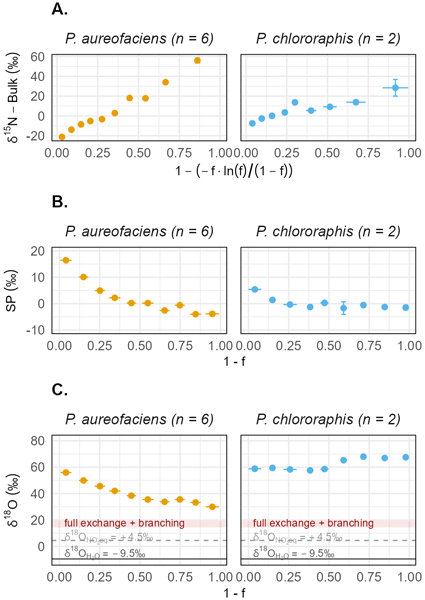
Noémy Chénier, Paul M. Magyar, Jakob Zopfi, Claudia Frey, Thomas Kuhn, Moritz F. Lehmann, and Joachim Mohn
Biogeosciences, 23, 6705–6724, https://doi.org/10.5194/bg-23-6705-2026, https://doi.org/10.5194/bg-23-6705-2026, 2026
Short summary
Short summary
N₂O is a greenhouse gas produced by microbes during nitrogen cycling. We studied two bacterial species and found that the isotope signatures of the N₂O they produced changed strongly depending on growth conditions and cell activity. Early during growth, the distribution of N isotopes within the N₂O molecule also changed unexpectedly. These results show that N₂O isotope signatures are more variable than previously assumed and depend strongly on physiology.
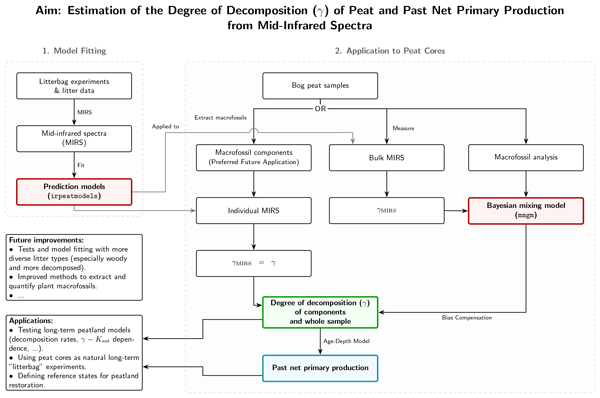
Henning Teickner, Julien Arsenault, Mariusz Gałka, and Klaus-Holger Knorr
Biogeosciences, 23, 5549–5570, https://doi.org/10.5194/bg-23-5549-2026, https://doi.org/10.5194/bg-23-5549-2026, 2026
Short summary
Short summary
We present a method to estimate the degree of decomposition (fraction of initial mass remaining) of peat from mid-infrared spectra, which also allows to reconstruct the initial mass (aboveground net primary production). Both quantities are required to estimate the mass and carbon balance of peatlands and are useful to model peat physical and hydraulic properties. The approach is therefore useful to test and improve peatland models and our understanding of the long-term peatland carbon cycle.
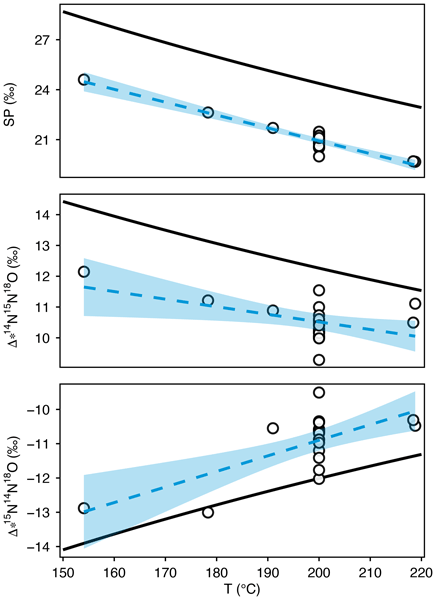
Paul M. Magyar, Nico Kueter, Simone Brunamonti, Naizhong Zhang, Ivan Prokhorov, Noémy Chénier, Lukas Emmenegger, Béla Tuzson, and Joachim Mohn
Atmos. Meas. Tech., 19, 5267–5280, https://doi.org/10.5194/amt-19-5267-2026, https://doi.org/10.5194/amt-19-5267-2026, 2026
Short summary
Short summary
Human activity drives increases in atmospheric nitrous oxide. Stable isotopes help trace the pathways involved. We developed a reliable way to calibrate measurements of rare isotopic variants of nitrous oxide so results from different labs can be compared. By heating nitrous oxide with a catalyst, the molecules reach well-defined equilibrium patterns suitable as a reference. To measure these isotopic variants quickly and precisely, we improved a laser-based measurement approach.
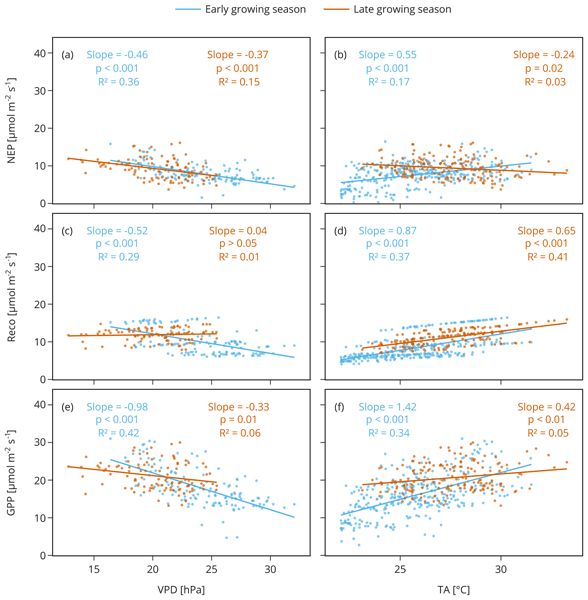
Nicolas Behrens, Klaus-Holger Knorr, Christoph Rückriem, and Mana Gharun
Biogeosciences, 23, 5071–5094, https://doi.org/10.5194/bg-23-5071-2026, https://doi.org/10.5194/bg-23-5071-2026, 2026
Short summary
Short summary
We analysed carbon fluxes and their response to climate in a drained bog. Annual budgets varied from net emissions to near-neutral. Warm spring temperatures increased CO2 uptake, a warm autumn increased emissions. Atmospheric drought early in the year reduced CO2 uptake more than later. Our results show that carbon fluxes from drained bogs are variable and the timing of climate anomalies controls their impact on carbon fluxes. This will be increasingly important with ongoing climate warming.
Lina Oskamp, Marta Pérez Rodríguez, Adelina Calean, Olaf Rienitz, Klaus-Holger Knorr, Kazumasa Oguri, Masashi Tsuchiya, Marco Benkhettab Sindlev, Stephan Krisch, Arianna Olivelli, Frank Wenzhöfer, Ronnie N. Glud, and Harald Biester
EGUsphere, https://doi.org/10.5194/egusphere-2026-3608, https://doi.org/10.5194/egusphere-2026-3608, 2026
Short summary
Short summary
Lead (Pb) isotopes in marine sediments are used as source tracers of Pb in the oceans. Recent studies suggested Pb isotope exchange on sinking particles, but it remained unknown if this affects isotope signatures. Our study on deep-sea sediments of the South Atlantic Ocean reveals that Pb isotope separation occurs in sinking particles and depends on the intensity of primary productivity.
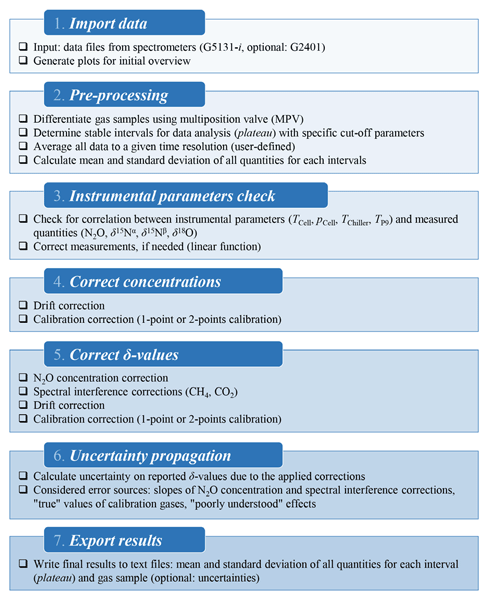
Julius C. Havsteen, Mehr Fatima, Simone Brunamonti, Andrea Pogány, Thomas Hausmaninger, Benjamin Wolf, Reinhard Well, and Joachim Mohn
Atmos. Meas. Tech., 19, 3557–3580, https://doi.org/10.5194/amt-19-3557-2026, https://doi.org/10.5194/amt-19-3557-2026, 2026
Short summary
Short summary
We present a new correction and calibration protocol to improve the accuracy of nitrous oxide isotope measurements obtained using laser spectroscopy. Through laboratory experiments, spectral simulations, and an automated MATLAB (Matrix Laboratory) reduction scheme, we identify and correct biases caused by matrix gas composition, spectral interferences and instrument variability. This protocol enables researchers to produce more reliable isotope data and supports standardised isotope analyses across laboratories.
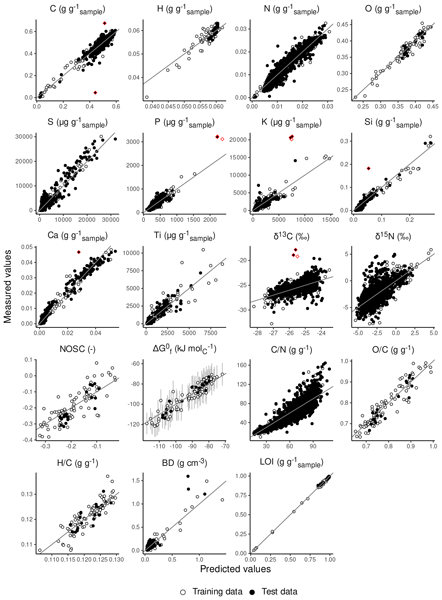
Henning Teickner and Klaus-Holger Knorr
SOIL, 12, 497–519, https://doi.org/10.5194/soil-12-497-2026, https://doi.org/10.5194/soil-12-497-2026, 2026
Short summary
Short summary
We developed models that predict physical and chemical peat properties from mid-infrared spectra (MIRS). These peat properties are necessary for modeling peatland dynamics. Compared to direct measurements of these properties, measurements of MIRS require less sample material and save time. Unlike existing models that focus on peat, the models developed here are openly available, relatively easy to use and have basic quality checks and estimates for prediction errors.
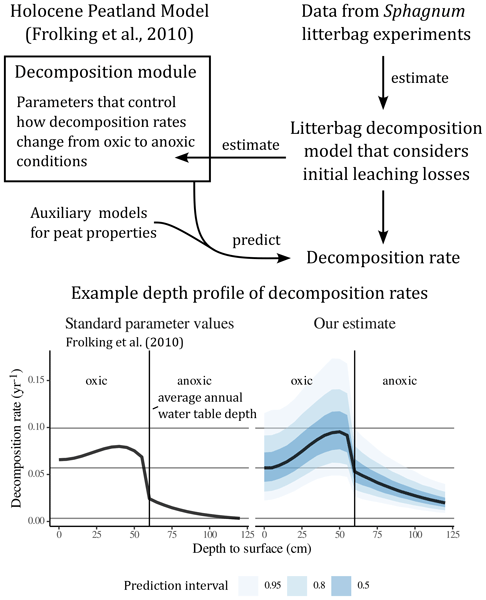
Henning Teickner, Edzer Pebesma, and Klaus-Holger Knorr
Earth Syst. Dynam., 16, 891–914, https://doi.org/10.5194/esd-16-891-2025, https://doi.org/10.5194/esd-16-891-2025, 2025
Short summary
Short summary
The Holocene Peatland Model (HPM) is a widely used peatland model to understand and predict long-term peatland dynamics. Here, we test whether the HPM can predict Sphagnum litterbag decomposition rates from oxic to anoxic conditions. Our results indicate that decomposition rates change more gradually from oxic to anoxic conditions and may be underestimated under anoxic conditions, possibly because the effect of water table fluctuations on decomposition rates is not considered.
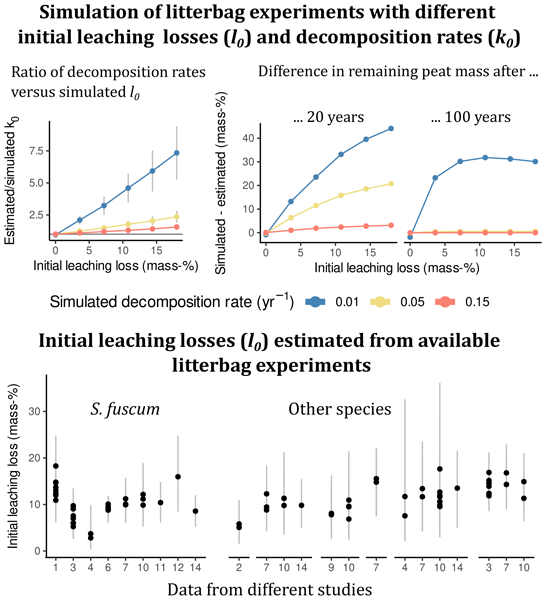
Henning Teickner, Edzer Pebesma, and Klaus-Holger Knorr
Biogeosciences, 22, 417–433, https://doi.org/10.5194/bg-22-417-2025, https://doi.org/10.5194/bg-22-417-2025, 2025
Short summary
Short summary
Decomposition rates for Sphagnum mosses, the main peat-forming plants in northern peatlands, are often derived from litterbag experiments. Here, we estimate initial leaching losses from available Sphagnum litterbag experiments and analyze how decomposition rates are biased when initial leaching losses are ignored. Our analyses indicate that initial leaching losses range between 3 to 18 mass-% and that this may result in overestimated mass losses when extrapolated to several decades.
Carrie L. Thomas, Boris Jansen, Sambor Czerwiński, Mariusz Gałka, Klaus-Holger Knorr, E. Emiel van Loon, Markus Egli, and Guido L. B. Wiesenberg
Biogeosciences, 20, 4893–4914, https://doi.org/10.5194/bg-20-4893-2023, https://doi.org/10.5194/bg-20-4893-2023, 2023
Short summary
Short summary
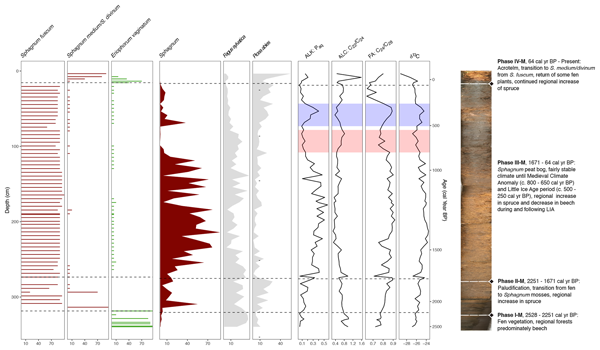
Peatlands are vital terrestrial ecosystems that can serve as archives, preserving records of past vegetation and climate. We reconstructed the vegetation history over the last 2600 years of the Beerberg peatland and surrounding area in the Thuringian Forest in Germany using multiple analyses. We found that, although the forest composition transitioned and human influence increased, the peatland remained relatively stable until more recent times, when drainage and dust deposition had an impact.
Laura Clark, Ian B. Strachan, Maria Strack, Nigel T. Roulet, Klaus-Holger Knorr, and Henning Teickner
Biogeosciences, 20, 737–751, https://doi.org/10.5194/bg-20-737-2023, https://doi.org/10.5194/bg-20-737-2023, 2023
Short summary
Short summary
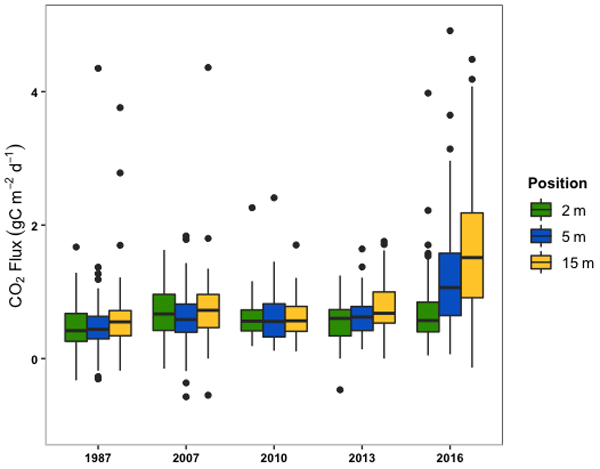
We determine the effect that duration of extraction has on CO2 and CH4 emissions from an actively extracted peatland. Peat fields had high net C emissions in the first years after opening, and these then declined to half the initial value for several decades. Findings contribute to knowledge on the atmospheric burden that results from these activities and are of use to industry in their life cycle reporting and government agencies responsible for greenhouse gas accounting and policy.
Matthias Koschorreck, Klaus Holger Knorr, and Lelaina Teichert
Biogeosciences, 19, 5221–5236, https://doi.org/10.5194/bg-19-5221-2022, https://doi.org/10.5194/bg-19-5221-2022, 2022
Short summary
Short summary
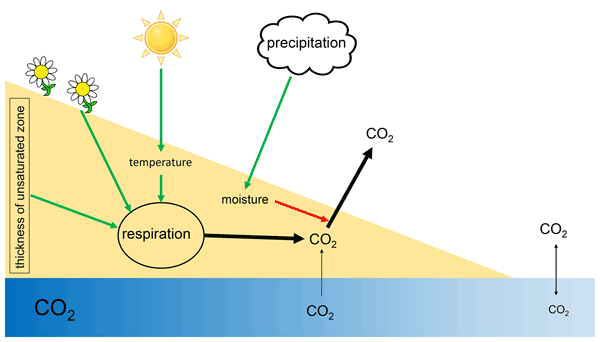
At low water levels, parts of the bottom of rivers fall dry. These beaches or mudflats emit the greenhouse gas carbon dioxide (CO2) to the atmosphere. We found that those emissions are caused by microbial reactions in the sediment and that they change with time. Emissions were influenced by many factors like temperature, water level, rain, plants, and light.
Henning Teickner and Klaus-Holger Knorr
SOIL, 8, 699–715, https://doi.org/10.5194/soil-8-699-2022, https://doi.org/10.5194/soil-8-699-2022, 2022
Short summary
Short summary
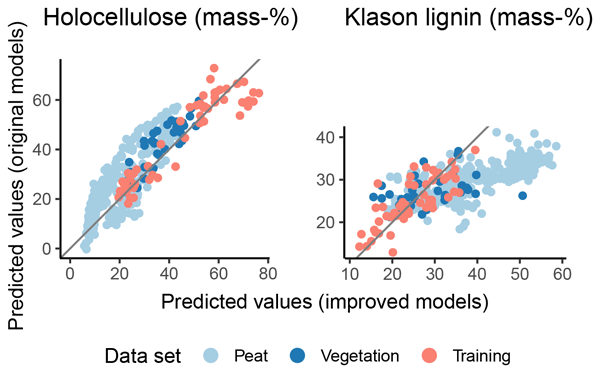
The chemical quality of biomass can be described with holocellulose (relatively easily decomposable by microorganisms) and Klason lignin (relatively recalcitrant) contents. Measuring both is laborious. In a recent study, models have been proposed which can predict both quicker from mid-infrared spectra. However, it has not been analyzed if these models make correct predictions for biomass in soils and how to improve them. We provide such a validation and a strategy for their improvement.
Cordula Nina Gutekunst, Susanne Liebner, Anna-Kathrina Jenner, Klaus-Holger Knorr, Viktoria Unger, Franziska Koebsch, Erwin Don Racasa, Sizhong Yang, Michael Ernst Böttcher, Manon Janssen, Jens Kallmeyer, Denise Otto, Iris Schmiedinger, Lucas Winski, and Gerald Jurasinski
Biogeosciences, 19, 3625–3648, https://doi.org/10.5194/bg-19-3625-2022, https://doi.org/10.5194/bg-19-3625-2022, 2022
Short summary
Short summary
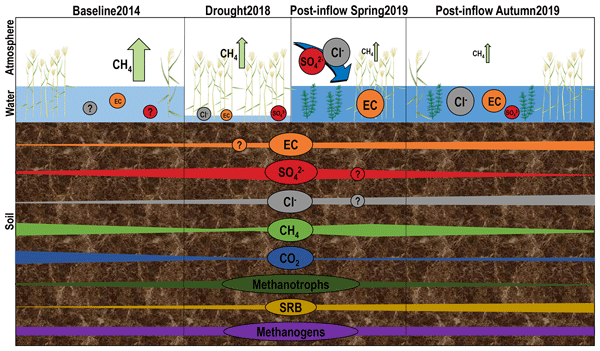
Methane emissions decreased after a seawater inflow and a preceding drought in freshwater rewetted coastal peatland. However, our microbial and greenhouse gas measurements did not indicate that methane consumers increased. Rather, methane producers co-existed in high numbers with their usual competitors, the sulfate-cycling bacteria. We studied the peat soil and aimed to cover the soil–atmosphere continuum to better understand the sources of methane production and consumption.
Liam Heffernan, Maria A. Cavaco, Maya P. Bhatia, Cristian Estop-Aragonés, Klaus-Holger Knorr, and David Olefeldt
Biogeosciences, 19, 3051–3071, https://doi.org/10.5194/bg-19-3051-2022, https://doi.org/10.5194/bg-19-3051-2022, 2022
Short summary
Short summary
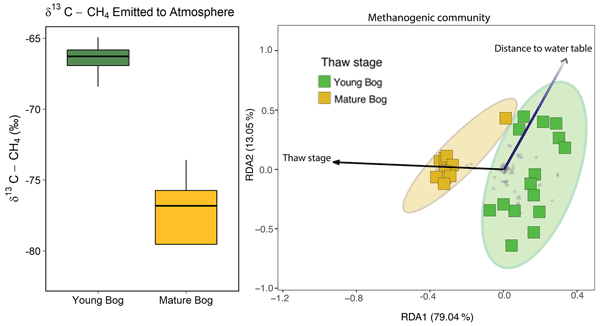
Permafrost thaw in peatlands leads to waterlogged conditions, a favourable environment for microbes producing methane (CH4) and high CH4 emissions. High CH4 emissions in the initial decades following thaw are due to a vegetation community that produces suitable organic matter to fuel CH4-producing microbes, along with warm and wet conditions. High CH4 emissions after thaw persist for up to 100 years, after which environmental conditions are less favourable for microbes and high CH4 emissions.

Ramona J. Heim, Andrey Yurtaev, Anna Bucharova, Wieland Heim, Valeriya Kutskir, Klaus-Holger Knorr, Christian Lampei, Alexandr Pechkin, Dora Schilling, Farid Sulkarnaev, and Norbert Hölzel
Biogeosciences, 19, 2729–2740, https://doi.org/10.5194/bg-19-2729-2022, https://doi.org/10.5194/bg-19-2729-2022, 2022
Short summary
Short summary
Fires will probably increase in Arctic regions due to climate change. Yet, the long-term effects of tundra fires on carbon (C) and nitrogen (N) stocks and cycling are still unclear. We investigated the long-term fire effects on C and N stocks and cycling in soil and aboveground living biomass.
We found that tundra fires did not affect total C and N stocks because a major part of the stocks was located belowground in soils which were largely unaltered by fire.
Cited articles
Allan, D. W.: Statistics of atomic frequency standards, IEEE, 54, 221–230, 1966.
Azam, F., Müller, C., Weiske, A., Benckiser, G., and Ottow, J.: Nitrification and denitrification as sources of atmospheric nitrous oxide – role of oxidizable carbon and applied nitrogen, Biol. Fertil. Soils, 35, 54–61, https://doi.org/10.1007/s00374-001-0441-5, 2002.
Baer, D. S., Paul, J. B., Gupta, M., and O'Keefe, A.: Sensitive absorption measurements in the near-infrared region using off-axis integrated-cavity-output spectroscopy, Appl. Phys. B Lasers Opt., 75, 261–265, https://doi.org/10.1007/s00340-002-0971-z, 2002.
BAFU: Entwicklung der Treibhausgasemissionen der Schweiz seit 1990, https://www.bafu.admin.ch/de/treibhausgasinventar (last access: 2 October 2026), 2025.
Barrett, T., Dowle, M., Srinivasan, A., Gorecki, J., Chirico, M., Hocking, T., Schwendinger, B., and Krylov, I.: data.table: Extension of “data.frame”, R package version 1.18.99, https://r-datatable.com (last access: 2 October 2026), 2025.
Camin, F., Besic, D., Brewer, P. J., Allison, C. E., Coplen, T. B., Dunn, P. J. H., Gehre, M., Gröning, M., Meijer, H. A. J., Hélie, J.-F., Iacumin, P., Kraft, R., Krajnc, B., Kümmel, S., Lee, S., Meija, J., Mester, Z., Mohn, J., Moossen, H., Qi, H., Skrzypek, G., Sperlich, P., Viallon, J., Wassenaar, L. I., and Wielgosz, R. I.: Stable Isotope Reference Materials and Scale Definitions – Outcomes of the 2024 IAEA Experts Meeting, Rapid Commun. Mass Spectrom., 39, e10018, https://doi.org/10.1002/rcm.10018, 2025.
Cavigelli, M. A. and Robertson, G. P.: Role of denitrifier diversity in rates of nitrous oxide consumption in a terrestrial ecosystem, Soil Biol. Biochem., 33, 297–310, https://doi.org/10.1016/S0038-0717(00)00141-3, 2001.
Daelman, M. R. J., van Voorthuizen, E. M., van Dongen, U. G. J. M., Volcke, E. I. P., and van Loosdrecht, M. C. M.: Seasonal and diurnal variability of N2O emissions from a full-scale municipal wastewater treatment plant, Sci. Total Environ., 536, 1–11, https://doi.org/10.1016/j.scitotenv.2015.06.122, 2015.
Deb, S., Espenberg, M., Well, R., Bucha, M., Jakubiak, M., Mander, Ü., Jędrysek, M.-O., and Lewicka-Szczebak, D.: N transformations in nitrate-rich groundwaters: combined isotope and microbial approach, Biogeosciences, 22, 5535–5556, https://doi.org/10.5194/bg-22-5535-2025, 2025.
Domingo-Félez, C., Jensen, M. M., Bang, A., and Smets, B. F.: Variability and Uncertainty Analysis of N2O Emissions from WWTP to Improve the Accuracy of Emission Factors and the Design of Monitoring Strategies, ACS EST Water, 4, 2542–2552, https://doi.org/10.1021/acsestwater.4c00048, 2024.
EEA: Annual European Union greenhouse gas inventory 1990–2015 and inventory report 2017 (No. 6), Copenhagen, https://www.eea.europa.eu/en/analysis/publications/european-union-greenhouse-gas-inventory-2017 (last access: 2 October 2026), 2017.
EEA: Annual European Union greenhouse gas inventory 1990–2021 and inventory report 2023 (EEA/PUBL/2023/044), Copenhagen, https://www.eea.europa.eu/en/analysis/publications/annual-european-union-greenhouse-gas-2 (last access: 2 October 2026), 2023.
Frame, C. H. and Casciotti, K. L.: Biogeochemical controls and isotopic signatures of nitrous oxide production by a marine ammonia-oxidizing bacterium, Biogeosciences, 7, 2695–2709, https://doi.org/10.5194/bg-7-2695-2010, 2010.
Froemelt, A., Zueger, L., von Kaenel, L., Braun, D., and Gruber, W.: Pattern recognition of operational states leading to N2O-emissions in full-scale biological wastewater treatment, Water Res. X, 29, 100336, https://doi.org/10.1016/j.wroa.2025.100336, 2025.
Gruber, W., Villez, K., Kipf, M., Wunderlin, P., Siegrist, H., Vogt, L., and Joss, A.: N2O emission in full-scale wastewater treatment: Proposing a refined monitoring strategy, Sci. Total Environ., 699, 134157, https://doi.org/10.1016/j.scitotenv.2019.134157, 2020.
Gruber, W., von Känel, L., Vogt, L., Luck, M., Biolley, L., Feller, K., Moosmann, A., Krähenbühl, N., Kipf, M., Loosli, R., Vogel, M., Morgenroth, E., Braun, D., and Joss, A.: Estimation of countrywide N2O emissions from wastewater treatment in Switzerland using long-term monitoring data, Water Res. X, 13, 100122, https://doi.org/10.1016/j.wroa.2021.100122, 2021.
Gruber, W., Magyar, P. M., Mitrovic, I., Zeyer, K., Vogel, M., Von Känel, L., Biolley, L., Werner, R. A., Morgenroth, E., Lehmann, M. F., Braun, D., Joss, A., and Mohn, J.: Tracing N2O formation in full-scale wastewater treatment with natural abundance isotopes indicates control by organic substrate and process settings, Water Res. X, 15, 100130. https://doi.org/10.1016/j.wroa.2022.100130, 2022.
Harris, E., Joss, A., Emmenegger, L., Kipf, M., Wolf, B., Mohn, J., and Wunderlin, P.: Isotopic evidence for nitrous oxide production pathways in a partial nitritation-anammox reactor, Water Res., 83, 258–270, https://doi.org/10.1016/j.watres.2015.06.040, 2015.
Harris, S. J., Liisberg, J., Xia, L., Wei, J., Zeyer, K., Yu, L., Barthel, M., Wolf, B., Kelly, B. F. J., Cendón, D. I., Blunier, T., Six, J., and Mohn, J.: N2O isotopocule measurements using laser spectroscopy: analyzer characterization and intercomparison, Atmos. Meas. Tech., 13, 2797–2831, https://doi.org/10.5194/amt-13-2797-2020, 2020.
Havsteen, J. C., Fatima, M., Brunamonti, S., Pogány, A., Hausmaninger, T., Wolf, B., Well, R., and Mohn, J.: Correction and calibration protocol for isotope data via CRDS: a study case for N2O and other isotope systems, Atmos. Meas. Tech., 19, 3557–3580, https://doi.org/10.5194/amt-19-3557-2026, 2026.
Heil, J., Wolf, B., Brüggemann, N., Emmenegger, L., Tuzson, B., Vereecken, H., and Mohn, J.: Site-specific 15N isotopic signatures of aiotically produced N2O, Geochim. Cosmochim. Ac., 139, 72–82, https://doi.org/10.1016/j.gca.2014.04.037, 2014.
Ibraim, E., Wolf, B., Harris, E., Gasche, R., Wei, J., Yu, L., Kiese, R., Eggleston, S., Butterbach-Bahl, K., Zeeman, M., Tuzson, B., Emmenegger, L., Six, J., Henne, S., and Mohn, J.: Attribution of N2O sources in a grassland soil with laser spectroscopy based isotopocule analysis, Biogeosciences, 16, 3247–3266, https://doi.org/10.5194/bg-16-3247-2019, 2019.
IPCC: Chapter 6 Wastewater treatment and discharge, 2019 Refinement to the 2006 IPCC Guidelines for National Greenhouse Gas Inventories, https://www.ipcc-nggip.iges.or.jp/public/2019rf/vol5.html (last access: 2 October 2026), 2019.
IPCC: Climate Change 2021 – The Physical Science Basis: Working Group I Contribution to the Sixth Assessment Report of the Intergovernmental Panel on Climate Change, 1st edn. Cambridge University Press, https://doi.org/10.1017/9781009157896, 2021.
Kampschreur, M. J., Temmink, H., Kleerebezem, R., Jetten, M. S. M., and van Loosdrecht, M. C. M.: Nitrous oxide emission during wastewater treatment, Water Res., 43, 4093–4103, https://doi.org/10.1016/j.watres.2009.03.001, 2009.
Kool, D. M., Wrage N., Oenema1, O., Dolfing, J., and van Groenigen, J. W.: Oxygen exchange between (de)nitrification intermediates and H2O and its implications for source determination of NO3 and N2O: a review, Rapid Commun. Mass Spectrom., 21, 3569–3578, https://doi.org/10.1002/rcm.3249, 2007.
Körner, H. and Zumft, W.G.: Expression of Denitrification Enzymes in Response to the Dissolved Oxygen Level and Respiratory Substrate in Continuous Culture of Pseudomonas stutzeri, Appl. Environ. Microbiol., 55, 1670–1676, https://doi.org/10.1128/aem.55.7.1670-1676.1989, 1989.
Kosonen, H., Heinonen, M., Mikola, A., Haimi, H., Mulas, M., Corona, F., and Vahala, R.: Nitrous Oxide Production at a Fully Covered Wastewater Treatment Plant: Results of a Long-Term Online Monitoring Campaign, Environ. Sci. Technol., 50, 5547–5554, https://doi.org/10.1021/acs.est.5b04466, 2016.
Law, Y., Ye, L., Pan, Y., and Yuan, Z.: Nitrous oxide emissions from wastewater treatment processes, Philos. Trans. R. Soc. B Biol. Sci., 367, 1265–127, https://doi.org/10.1098/rstb.2011.0317, 2012.
Lewicka-Szczebak, D., Augustin, J., Giesemann, A., and Well, R.: Quantifying N2O reduction to N2 based on N2O isotopocules – validation with independent methods (helium incubation and 15N gas flux method), Biogeosciences, 14, 711–732, https://doi.org/10.5194/bg-14-711-2017, 2017.
Liu, Y., He, Y., Ren, S., Zhu, T., and Liu, Y.: Selective Organic Carbon Enrichment Influences Nitrous Oxide Reduction by Denitrifiers: Electron Competition Insights, ACS EST Water, 2, 1265–1275, https://doi.org/10.1021/acsestwater.2c00161, 2022.
Mariotti, A., Germon, J. C., Hubert, P., Kaiser, P., Letolle, R., Tardieux, A., and Tardieux, P.: Experimental determination of nitrogen kinetic isotope fractionation: Some principles; illustration for the denitrification and nitrification processes, Plant Soil, 62, 413–430, https://doi.org/10.1007/BF02374138, 1981.
Mohn, J., Wolf, B., Toyoda, S., Lin, C.-T., Liang, M.-C., Brüggemann, N., Wissel, H., Steiker, A. E., Dyckmans, J., Szwec, L., Ostrom, N. E., Casciotti, K. L., Forbes, M., Giesemann, A., Well, R., Doucett, R. R., Yarnes, C. T., Ridley, A. R., Kaiser, J., and Yoshida, N.: Interlaboratory assessment of nitrous oxide isotopomer analysis by isotope ratio mass spectrometry and laser spectroscopy: current status and perspectives. Rapid Commun, Mass Spectrom., 28, 1995–2007, https://doi.org/10.1002/rcm.6982, 2014.
Mohn, J., Biasi, C., Bodé, S., Boeckx, P., Brewer, P. J., Eggleston, S., Geilmann, H., Guillevic, M., Kaiser, J., Kantnerová, K., Moossen, H., Müller, J., Nakagawa, M., Pearce, R., Von Rein, I., Steger, D., Toyoda, S., Wanek, W., Wexler, S. K., Yoshida, N., and Yu, L.: Isotopically characterised N2O reference materials for use as community standards, Rapid Commun. Mass Spectrom., 36, e9296, https://doi.org/10.1002/rcm.9296, 2022.
Morley, N. and Baggs, E. M.: Carbon and oxygen controls on N2O and N2 production during nitrate reduction, Soil Biol. Biochem., 42, 1864–1871, https://doi.org/10.1016/j.soilbio.2010.07.008, 2010.
Morley, N., Baggs, E. M., Dörsch, P., and Bakken, L.: Production of NO, N2O and N2 by extracted soil bacteria, regulation by NO2− and O2 concentrations: Production of NO, N2O and N2 by extracted soil bacteria, FEMS Microbiol. Ecol., 65, 102–112, https://doi.org/10.1111/j.1574-6941.2008.00495.x, 2008.
Ostrom, N. E., Pitt, A., Sutka, R., Ostrom, P. H., Grandy, A. S., Huizinga, K. M., and Robertson, G. P.: Isotopologue effects during N2 O reduction in soils and in pure cultures of denitrifiers, J. Geophys. Res.-Biogeo., 112, 2006JG000287, https://doi.org/10.1029/2006JG000287, 2007.
Ostrom, N. E., Gandhi, H., Coplen, T. B. Toyoda, S., Böhlke, J. K., Brand, W. A., Casciotti, K. L., Dyckmans, J., Giesemann, A., Mohn, J., Well, R., Yu, L., and Yoshida, N.: Preliminary assessment of stable nitrogen and oxygen isotopic composition of USGS51 and USGS52 nitrous oxide reference gases and perspectives on calibration needs, Rapid Commun Mass Spectrom., 32, 1207–1214, https://doi.org/10.1002/rcm.8157, 2018.
Plouviez, M., Sperlich, P., Guieysse, B., Clough, T., Peethambaran, R., and Wells, N.: A novel laser-based spectroscopic method reveals the isotopic signatures of nitrous oxide produced by eukaryotic and prokaryotic phototrophs in darkness, Biogeosciences, 23, 497–508, https://doi.org/10.5194/bg-23-497-2026, 2026.
Pomowski, A., Zumft, W. G., Kroneck, P. M. H., and Einsle, O.: N2O binding at a [4Cu:2S] copper–sulphur cluster in nitrous oxide reductase, Nature, 477, 234–237, https://doi.org/10.1038/nature10332, 2011.
R Core Team: R: A Language and Environment for Statistical Computing, R Foundation for Statistical Computing, Vienna, Austria, https://www.r-project.org/ (last access: 2 October 2026), 2025.
Rees, A. P., Brown, I. J., Jayakumar, A., Lessin, G., Somerfield, P. J., and Ward, B. B.: Biological nitrous oxide consumption in oxygenated waters of the high latitude Atlantic Ocean, Commun. Earth Environ., 2, 36, https://doi.org/10.1038/s43247-021-00104-y, 2021.
Sperlich, P., Camin, F., Deufrains, K., Englund Michel, S., Hoheisel, A., Mohn, J., Schmidt, M., and Tarasova, O.: Measurement of the Stable Carbon Isotope Ratio in Atmospheric CH4 Using Laser Spectroscopy for CH4 Source Characterization, 1st edn., IAEA TECDOC Series International Atomic Energy Agency, Vienna, https://doi.org/10.61092/iaea.logm-wiux, 2024.
Strubbe, L., Keck, H., Magyar, P. M., Mohn, J., Joss, A., and Froemelt, A.: Activating specific N2O production pathways to understand emission dynamics in wastewater treatment, Water Res., 296, 125580, https://doi.org/10.1016/j.watres.2026.125580, 2026.
Suenaga, T., Riya, S., Hosomi, M., and Terada, A.: Biokinetic Characterization and Activities of N2O-Reducing Bacteria in Response to Various Oxygen Levels, Front. Microbiol. 9, 697, https://doi.org/10.3389/fmicb.2018.00697, 2018.
Sutka, R. L., Ostrom, N. E., Ostrom, P. H., Breznak, J. A., Gandhi, H., Pitt, A. J., and Li, F.: Distinguishing Nitrous Oxide Production from Nitrification and Denitrification on the Basis of Isotopomer Abundances, Appl. Environ. Microbiol., 72, 638–644, https://doi.org/10.1128/AEM.72.1.638-644.2006, 2006.
Tang, W., Jayakumar, A., Sun, X., Tracey, J. C., Carroll, J., Wallace, E., Lee, J. A., Nathan, L., and Ward, B.: Nitrous Oxide Consumption in Oxygenated and Anoxic Estuarine Waters, Geophys. Res. Lett., 49, e2022GL100657, https://doi.org/10.1029/2022GL100657, 2022.
Tian, H., Pan, N., Thompson, R. L., Canadell, J. G., Suntharalingam, P., Regnier, P., Davidson, E. A., Prather, M., Ciais, P., Muntean, M., Pan, S., Winiwarter, W., Zaehle, S., Zhou, F., Jackson, R. B., Bange, H. W., Berthet, S., Bian, Z., Bianchi, D., Bouwman, A. F., Buitenhuis, E. T., Dutton, G., Hu, M., Ito, A., Jain, A. K., Jeltsch-Thömmes, A., Joos, F., Kou-Giesbrecht, S., Krummel, P. B., Lan, X., Landolfi, A., Lauerwald, R., Li, Y., Lu, C., Maavara, T., Manizza, M., Millet, D. B., Mühle, J., Patra, P. K., Peters, G. P., Qin, X., Raymond, P., Resplandy, L., Rosentreter, J. A., Shi, H., Sun, Q., Tonina, D., Tubiello, F. N., van der Werf, G. R., Vuichard, N., Wang, J., Wells, K. C., Western, L. M., Wilson, C., Yang, J., Yao, Y., You, Y., and Zhu, Q.: Global nitrous oxide budget (1980–2020), Earth Syst. Sci. Data, 16, 2543–2604, https://doi.org/10.5194/essd-16-2543-2024, 2024.
Toyoda, S. and Yoshida, N.: Determination of Nitrogen Isotopomers of Nitrous Oxide on a Modified Isotope Ratio Mass Spectrometer, Anal. Chem., 71, 4711–4718, https://doi.org/10.1021/ac9904563, 1999.
Toyoda, S., Suzuki, Y., Hattori, S., Yamada, K., Fujii, A., Yoshida, N., Kouno, R., Murayama, K., and Shiomi, H.: Isotopomer analysis of production and consumption mechanisms of N2O and CH4 in an advanced wastewater treatment system, Environ. Sci. Technol., 45, 917–922, https://doi.org/10.1021/es102985u, 2011.
Toyoda, S., Yoshida, N., and Koba, K.: Isotopocule analysis of biologically produced nitrous oxide in various environments, Mass Spectrom. Rev., 36, 135–160, https://doi.org/10.1002/mas.21459, 2015.
Tumendelger, A., Toyoda, S., Yoshida, N., Shiomi, H., and Kouno, R.: Isotopocule characterization of N2O dynamics during simulated wastewater treatment under oxic and anoxic conditions, Geochem. J., 50, 105–121, https://doi.org/10.2343/geochemj.2.0390, 2016.
Werle, P., Mücke, R., and Slemr, F.: The limits of signal averaging in atmospheric trace-gas monitoring by tunable diode-laser absorption spectroscopy (TDLAS), Appl. Phys. B-Photo., 57, 131–139, https://doi.org/10.1007/BF00425997, 1993.
Wickham, H.: ggplot2: elegant graphics for data analysis, 2nd edn., Use R! Springer international publishing, Cham, https://doi.org/10.1007/978-3-319-24277-4, 2016.
WMO: WMO Greenhouse Gas Bulletin No. 20 – 28 October 2024, The State of Greenhouse Gases in the Atmosphere Based on Global Observations through 2023, WMO Greenhouse Gas Bulletin, Geneva, https://library.wmo.int/viewer/69057/#page=1&viewer=picture&o=download&n=0&q= (last access: 2 October 2026), 2024.
Wunderlin, P., Lehmann, M. F., Siegrist, H., Tuzson, B., Joss, A., Emmenegger, L., and Mohn, J.: Isotope Signatures of N2O in a Mixed Microbial Population System: Constraints on N2O Producing Pathways in Wastewater Treatment, Environ. Sci. Technol., 130118101927005, https://doi.org/10.1021/es303174x, 2013.
Yu, L., Harris, E., Lewicka‐Szczebak, D., Barthel, M., Blomberg, M. R. A., Harris, S. J., Johnson, M. S., Lehmann, M. F., Liisberg, J., Müller, C., Ostrom, N. E., Six, J., Toyoda, S., Yoshida, N., and Mohn, J.: What can we learn from N2O isotope data? – Analytics, processes and modelling, Rapid Commun. Mass Spectrom., 34, e8858, https://doi.org/10.1002/rcm.8858, 2020.
Zhou, Y., Suenaga, T., Qi, C., Riya, S., Hosomi, M., and Terada, A.: Temperature and oxygen level determine N2O respiration activities of heterotrophic N2O‐reducing bacteria: Biokinetic study, Biotechnol. Bioeng., 118, 1330–1341, https://doi.org/10.1002/bit.27654, 2021.
Short summary
We monitored nitrous oxide in a pilot wastewater treatment plant in real time to understand how microbes produce and remove this greenhouse gas. We designed and tested a laser-based analytical setup, with which we were able to show that denitrification is the main source of nitrous oxide emissions and that low oxygen concentrations enhances nitrous oxide removal. Our approach offers a new way to monitor the wastewater treatment processes and to cut climate-relevant nitrous oxide emissions.
We monitored nitrous oxide in a pilot wastewater treatment plant in real time to understand how...


