
Articles | Volume 19, issue 6
https://doi.org/10.5194/amt-19-2009-2026
© Author(s) 2026. This work is distributed under
the Creative Commons Attribution 4.0 License.
the Creative Commons Attribution 4.0 License.
https://doi.org/10.5194/amt-19-2009-2026
© Author(s) 2026. This work is distributed under
the Creative Commons Attribution 4.0 License.
the Creative Commons Attribution 4.0 License.
Research article
| 
19 Mar 2026
Research article |
| 19 Mar 2026
| 19 Mar 2026
A novel short-pathlength photoreactor to study aqueous-phase photochemistry: application to biomass-burning phenols
Christopher Niedek
Department of Environmental Toxicology, University of California, 1 Shields Ave., Davis, California 95616, United States
Wenqing Jiang
Department of Environmental Toxicology, University of California, 1 Shields Ave., Davis, California 95616, United States
Antai Zhang
Department of Environmental Toxicology, University of California, 1 Shields Ave., Davis, California 95616, United States
Cort Anastasio
Department of Land, Air, and Water Resources, University of California, 1 Shields Avenue, Davis, California 95616, United States

Department of Environmental Toxicology, University of California, 1 Shields Ave., Davis, California 95616, United States
Related authors
Ryan N. Farley, Christopher R. Niedek, and Qi Zhang
EGUsphere, https://doi.org/10.5194/egusphere-2026-3483, https://doi.org/10.5194/egusphere-2026-3483, 2026
Short summary
Short summary
We developed an LC–AMS method to separate and chemically characterize soluble constituents in aerosol. The method provides quantitative ion signals and reproducible mass spectra throughout the chromatographic run. Validation with standards showed stable backgrounds and near-unity recovery for low-volatility species. LC-AMS analysis of wildfire aerosol demonstrated enhanced chemical resolution compared to bulk AMS alone.
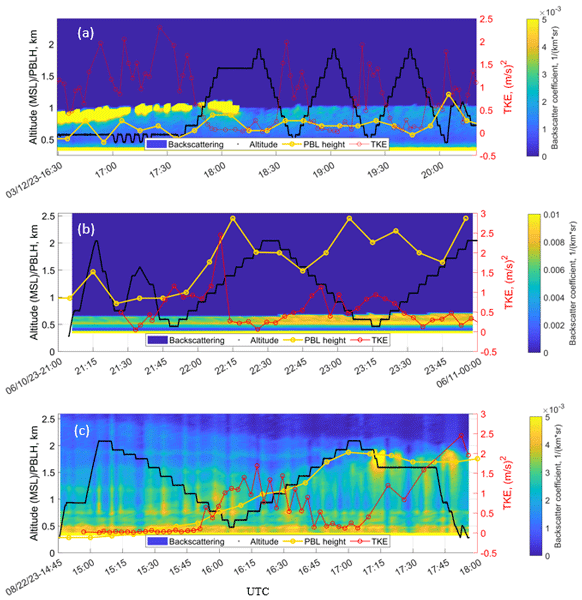
Fan Mei, Qi Zhang, Damao Zhang, Jerome D. Fast, Gourihar Kulkarni, Mikhail S. Pekour, Christopher R. Niedek, Susanne Glienke, Israel Silber, Beat Schmid, Jason M. Tomlinson, Hardeep S. Mehta, Xena Mansoura, Zezhen Cheng, Gregory W. Vandergrift, Nurun Nahar Lata, Swarup China, and Zihua Zhu
Atmos. Chem. Phys., 25, 3425–3444, https://doi.org/10.5194/acp-25-3425-2025, https://doi.org/10.5194/acp-25-3425-2025, 2025
Short summary
Short summary
This study highlights the unique capability of the ArcticShark, an uncrewed aerial system, in measuring vertically resolved atmospheric properties. Data from 32 research flights in 2023 reveal seasonal patterns and correlations with conventional measurements. The consistency and complementarity of in situ and remote sensing methods are highlighted. The study demonstrates the ArcticShark’s versatility in bridging data gaps and improving the understanding of vertical atmospheric structures.
Lan Ma, Reed Worland, Laura Heinlein, Chrystal Guzman, Wenqing Jiang, Christopher Niedek, Keith J. Bein, Qi Zhang, and Cort Anastasio
Atmos. Chem. Phys., 24, 1–21, https://doi.org/10.5194/acp-24-1-2024, https://doi.org/10.5194/acp-24-1-2024, 2024
Short summary
Short summary
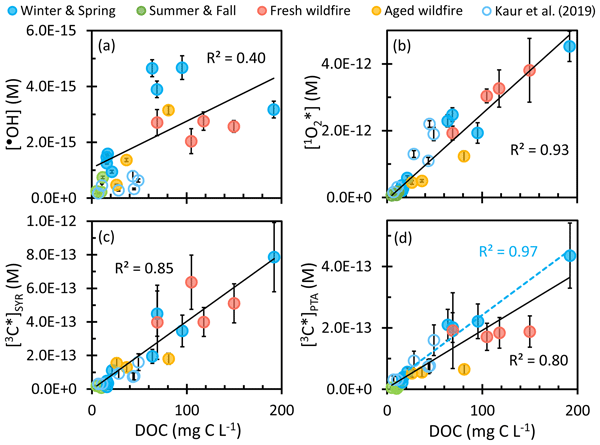
We measured concentrations of three photooxidants – the hydroxyl radical, triplet excited states of organic carbon, and singlet molecular oxygen – in fine particles collected over a year. Concentrations are highest in extracts of fresh biomass burning particles, largely because they have the highest particle concentrations and highest light absorption. When normalized by light absorption, rates of formation for each oxidant are generally similar for the four particle types we observed.
Lan Ma, Reed Worland, Wenqing Jiang, Christopher Niedek, Chrystal Guzman, Keith J. Bein, Qi Zhang, and Cort Anastasio
Atmos. Chem. Phys., 23, 8805–8821, https://doi.org/10.5194/acp-23-8805-2023, https://doi.org/10.5194/acp-23-8805-2023, 2023
Short summary
Short summary
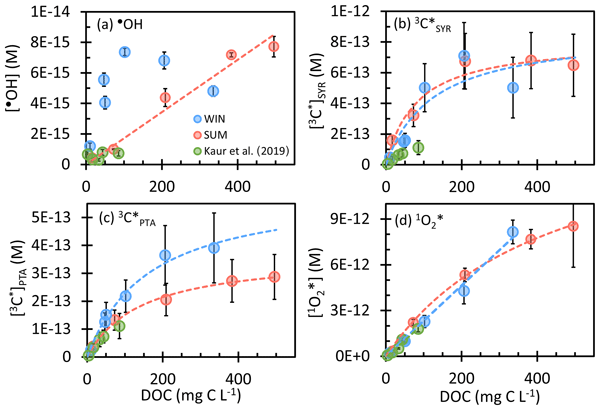
Although photooxidants are important in airborne particles, little is known of their concentrations. By measuring oxidants in a series of particle dilutions, we predict their concentrations in aerosol liquid water (ALW). We find •OH concentrations in ALW are on the order of 10−15 M, similar to their cloud/fog values, while oxidizing triplet excited states and singlet molecular oxygen have ALW values of ca. 10−13 M and 10−12 M, respectively, roughly 10–100 times higher than in cloud/fog drops.
Wenqing Jiang, Christopher Niedek, Cort Anastasio, and Qi Zhang
Atmos. Chem. Phys., 23, 7103–7120, https://doi.org/10.5194/acp-23-7103-2023, https://doi.org/10.5194/acp-23-7103-2023, 2023
Short summary
Short summary
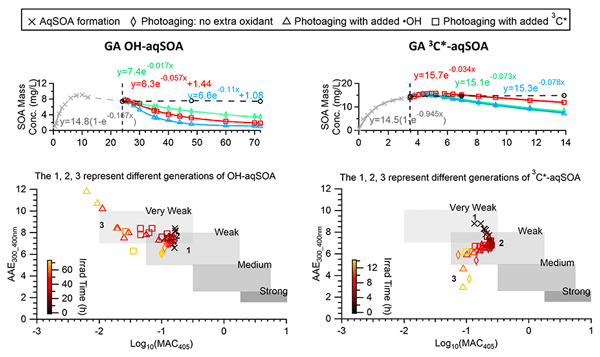
We studied how aqueous-phase secondary organic aerosol (aqSOA) form and evolve from a phenolic carbonyl commonly present in biomass burning smoke. The composition and optical properties of the aqSOA are significantly affected by photochemical reactions and are dependent on the oxidants' concentration and identity in water. During photoaging, the aqSOA initially becomes darker, but prolonged aging leads to the formation of volatile products, resulting in significant mass loss and photobleaching.
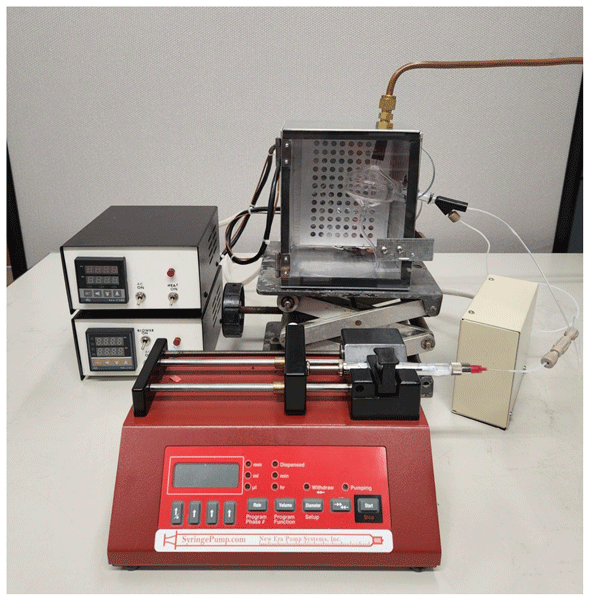
Christopher R. Niedek, Fan Mei, Maria A. Zawadowicz, Zihua Zhu, Beat Schmid, and Qi Zhang
Atmos. Meas. Tech., 16, 955–968, https://doi.org/10.5194/amt-16-955-2023, https://doi.org/10.5194/amt-16-955-2023, 2023
Short summary
Short summary
This novel micronebulization aerosol mass spectrometry (MS) technique requires a low sample volume (10 μL) and can quantify nanogram levels of organic and inorganic particulate matter (PM) components when used with 34SO4. This technique was successfully applied to PM samples collected from uncrewed atmospheric measurement platforms and provided chemical information that agrees well with real-time data from a co-located aerosol chemical speciation monitor and offline data from secondary ion MS.
Ryan N. Farley, Christopher R. Niedek, and Qi Zhang
EGUsphere, https://doi.org/10.5194/egusphere-2026-3483, https://doi.org/10.5194/egusphere-2026-3483, 2026
Short summary
Short summary
We developed an LC–AMS method to separate and chemically characterize soluble constituents in aerosol. The method provides quantitative ion signals and reproducible mass spectra throughout the chromatographic run. Validation with standards showed stable backgrounds and near-unity recovery for low-volatility species. LC-AMS analysis of wildfire aerosol demonstrated enhanced chemical resolution compared to bulk AMS alone.
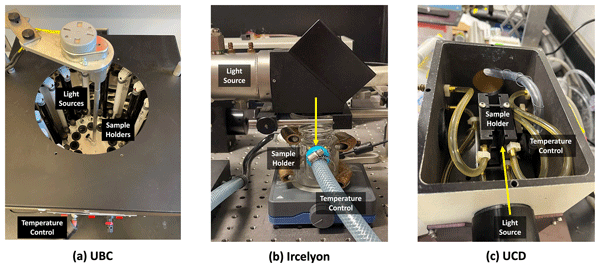
Keighan J. Gemmell, Laura Marie Dahler Heinlein, Emma A. Petersen-Sonn, Claudia Sardena, Zhongyu Guo, Nory Mariño-Ocampo, Belinda Heyne, Christian George, Cort Anastasio, and Nadine Borduas-Dedekind
Atmos. Meas. Tech., 19, 3961–3982, https://doi.org/10.5194/amt-19-3961-2026, https://doi.org/10.5194/amt-19-3961-2026, 2026
Short summary
Short summary
Molecular singlet oxygen (1O2*) is the first excited state of O2 and is produced when sunlight excites light-absorbing molecules in aerosols in the atmosphere. 1O2* can drive oxidation reactions and impact aerosol properties. This study is an inter-comparison of photoreactors, light sources and data analysis across 3 atmospheric chemistry laboratories, yielding a critical assessment of practices and recommendations for intercomparing 1O2* measurements and extrapolating to ambient particles.
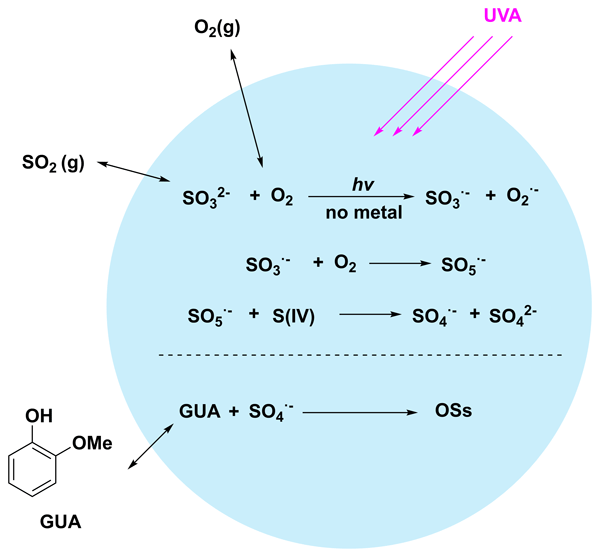
Baohua Cai, Yuanlong Huang, Wenqing Jiang, Yanchen Li, Yali Li, Jinghao Zhai, Yaling Zeng, Jianhuai Ye, Huizhong Shen, Chen Wang, Lei Zhu, Tzung-May Fu, Qi Zhang, and Xin Yang
Atmos. Chem. Phys., 26, 5713–5725, https://doi.org/10.5194/acp-26-5713-2026, https://doi.org/10.5194/acp-26-5713-2026, 2026
Short summary
Short summary
This study reveals a novel Ultraviolet A-driven, metal-free mechanism for aqueous-phase tetravalent sulfur (S(IV)) oxidation that leads to organosulfates formation, addressing a critical knowledge gap in atmospheric sulfur and organic aerosol chemistry and highlighting a previously overlooked photochemical pathway with broad environmental implications.
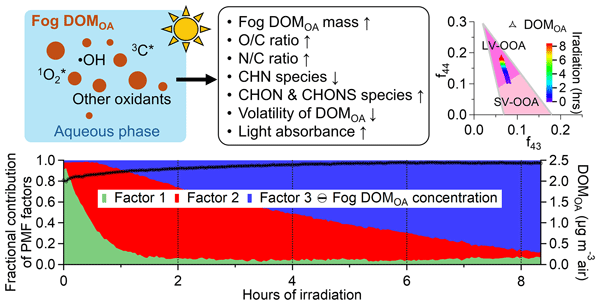
Wenqing Jiang, Lijuan Li, Lu Yu, Hwajin Kim, Yele Sun, and Qi Zhang
Atmos. Chem. Phys., 25, 16817–16832, https://doi.org/10.5194/acp-25-16817-2025, https://doi.org/10.5194/acp-25-16817-2025, 2025
Short summary
Short summary
We studied how sunlight changes natural organic matter in fog droplets and the tiny airborne particles formed after the water evaporation. Advanced analyses showed that sunlight makes this material more oxidized, nitrogen-enriched, chemically transformed, and different in light absorption and volatility. These sunlight-driven changes influence the particles’ behavior in the air, affecting air quality, climate, and how long they remain suspended in the atmosphere.
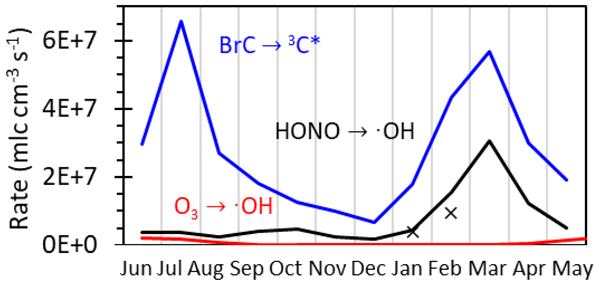
Laura M. D. Heinlein, Junwei He, Michael Oluwatoyin Sunday, Fangzhou Guo, James Campbell, Allison Moon, Sukriti Kapur, Ting Fang, Kasey Edwards, Meeta Cesler-Maloney, Alyssa J. Burns, Jack Dibb, William Simpson, Manabu Shiraiwa, Becky Alexander, Jingqiu Mao, James H. Flynn III, Jochen Stutz, and Cort Anastasio
Atmos. Chem. Phys., 25, 9561–9581, https://doi.org/10.5194/acp-25-9561-2025, https://doi.org/10.5194/acp-25-9561-2025, 2025
Short summary
Short summary
High-latitude cities like Fairbanks, Alaska, experience severe wintertime pollution episodes. While conventional wisdom holds that oxidation is slow under these conditions, field measurements find oxidized products in particles. To explore this, we measured oxidants in aqueous extracts of winter particles from Fairbanks. We find high concentrations of oxidants during illumination experiments, indicating that particle photochemistry can be significant even in high latitudes during winter.
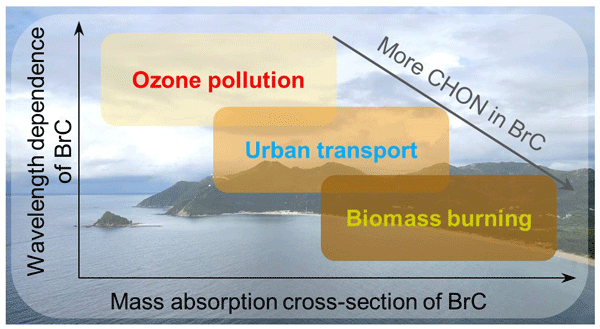
Jinghao Zhai, Yin Zhang, Pengfei Liu, Yujie Zhang, Antai Zhang, Yaling Zeng, Baohua Cai, Jingyi Zhang, Chunbo Xing, Honglong Yang, Xiaofei Wang, Jianhuai Ye, Chen Wang, Tzung-May Fu, Lei Zhu, Huizhong Shen, Shu Tao, and Xin Yang
Atmos. Chem. Phys., 25, 7959–7972, https://doi.org/10.5194/acp-25-7959-2025, https://doi.org/10.5194/acp-25-7959-2025, 2025
Short summary
Short summary
Our study shows that the optical properties of brown carbon depend on its source. Brown carbon from ozone pollution had the weakest light absorption but the strongest wavelength dependence, while biomass burning brown carbon showed the strongest absorption and the weakest wavelength dependence. Nitrogen-containing organic carbon compounds were identified as key light absorbers. These results improve understanding of brown carbon sources and help refine climate models.
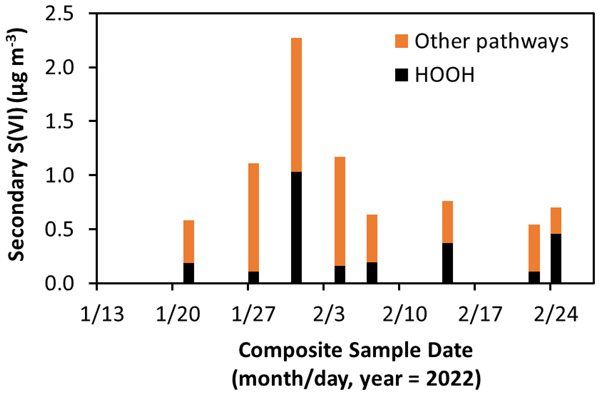
Michael Oluwatoyin Sunday, Laura Marie Dahler Heinlein, Junwei He, Allison Moon, Sukriti Kapur, Ting Fang, Kasey C. Edwards, Fangzhou Guo, Jack Dibb, James H. Flynn III, Becky Alexander, Manabu Shiraiwa, and Cort Anastasio
Atmos. Chem. Phys., 25, 5087–5100, https://doi.org/10.5194/acp-25-5087-2025, https://doi.org/10.5194/acp-25-5087-2025, 2025
Short summary
Short summary
Hydrogen peroxide (HOOH) is an important oxidant that forms atmospheric sulfate. We demonstrate that the illumination of brown carbon can rapidly form HOOH within particles, even under the low-sunlight conditions of Fairbanks, Alaska, during winter. This in-particle formation of HOOH is fast enough that it forms sulfate at significant rates. In contrast, the formation of HOOH in the gas phase during the campaign is expected to be negligible because of high NOx levels.
Fan Mei, Qi Zhang, Damao Zhang, Jerome D. Fast, Gourihar Kulkarni, Mikhail S. Pekour, Christopher R. Niedek, Susanne Glienke, Israel Silber, Beat Schmid, Jason M. Tomlinson, Hardeep S. Mehta, Xena Mansoura, Zezhen Cheng, Gregory W. Vandergrift, Nurun Nahar Lata, Swarup China, and Zihua Zhu
Atmos. Chem. Phys., 25, 3425–3444, https://doi.org/10.5194/acp-25-3425-2025, https://doi.org/10.5194/acp-25-3425-2025, 2025
Short summary
Short summary
This study highlights the unique capability of the ArcticShark, an uncrewed aerial system, in measuring vertically resolved atmospheric properties. Data from 32 research flights in 2023 reveal seasonal patterns and correlations with conventional measurements. The consistency and complementarity of in situ and remote sensing methods are highlighted. The study demonstrates the ArcticShark’s versatility in bridging data gaps and improving the understanding of vertical atmospheric structures.
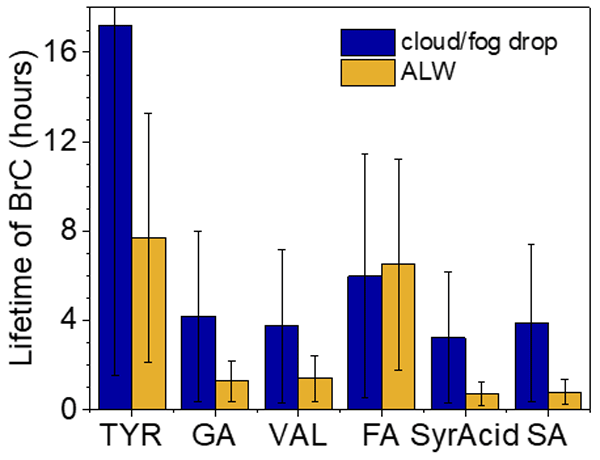
Stephanie Arciva, Lan Ma, Camille Mavis, Chrystal Guzman, and Cort Anastasio
Atmos. Chem. Phys., 24, 4473–4485, https://doi.org/10.5194/acp-24-4473-2024, https://doi.org/10.5194/acp-24-4473-2024, 2024
Short summary
Short summary
We measured changes in light absorption during the aqueous oxidation of six phenols with hydroxyl radical (●OH) or an organic triplet excited state (3C*). All the phenols formed light-absorbing secondary brown carbon (BrC), which then decayed with continued oxidation. Extrapolation to ambient conditions suggest ●OH is the dominant sink of secondary phenolic BrC in fog/cloud drops, while 3C* controls the lifetime of this light absorption in particle water.
Aaron Lieberman, Julietta Picco, Murat Onder, and Cort Anastasio
Atmos. Chem. Phys., 24, 4411–4419, https://doi.org/10.5194/acp-24-4411-2024, https://doi.org/10.5194/acp-24-4411-2024, 2024
Short summary
Short summary
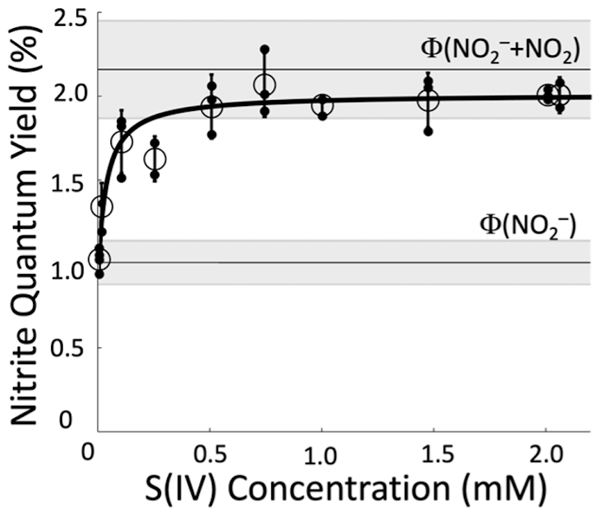
We developed a method that uses aqueous S(IV) to quantitatively convert NO2 to NO2−, which allows both species to be quantified using the Griess method. As an example of the utility of the method, we quantified both photolysis channels of nitrate, with and without a scavenger for hydroxyl radical (·OH). The results show that without a scavenger, ·OH reacts with nitrite to form nitrogen dioxide, suppressing the apparent quantum yield of NO2− and enhancing that of NO2.
Jianzhong Xu, Xinghua Zhang, Wenhui Zhao, Lixiang Zhai, Miao Zhong, Jinsen Shi, Junying Sun, Yanmei Liu, Conghui Xie, Yulong Tan, Kemei Li, Xinlei Ge, Qi Zhang, and Shichang Kang
Earth Syst. Sci. Data, 16, 1875–1900, https://doi.org/10.5194/essd-16-1875-2024, https://doi.org/10.5194/essd-16-1875-2024, 2024
Short summary
Short summary
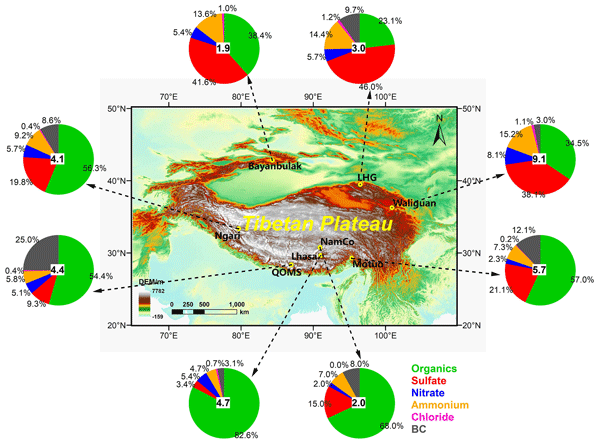
A comprehensive aerosol observation project was carried out in the Tibetan Plateau (TP) and its surroundings in recent years to investigate the properties and sources of atmospheric aerosols as well as their regional differences by performing multiple intensive field observations. The release of this dataset can provide basic and systematic data for related research in the atmospheric, cryospheric, and environmental sciences in this unique region.
Ryan N. Farley, James E. Lee, Laura-Hélèna Rivellini, Alex K. Y. Lee, Rachael Dal Porto, Christopher D. Cappa, Kyle Gorkowski, Abu Sayeed Md Shawon, Katherine B. Benedict, Allison C. Aiken, Manvendra K. Dubey, and Qi Zhang
Atmos. Chem. Phys., 24, 3953–3971, https://doi.org/10.5194/acp-24-3953-2024, https://doi.org/10.5194/acp-24-3953-2024, 2024
Short summary
Short summary
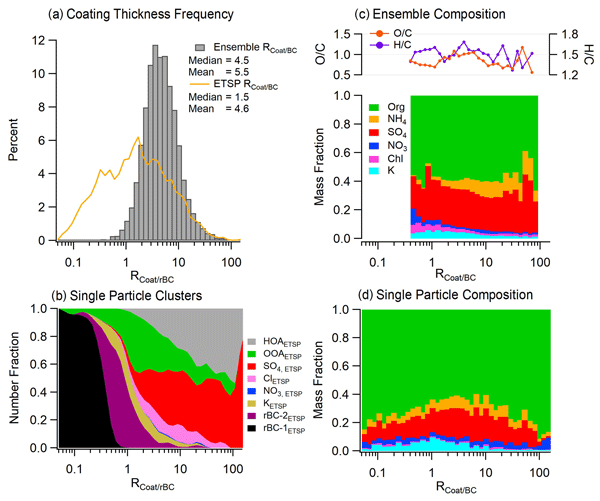
The black carbon aerosol composition and mixing state were characterized using a soot particle aerosol mass spectrometer. Single-particle measurements revealed the major role of atmospheric processing in modulating the black carbon mixing state. A significant fraction of soot particles were internally mixed with oxidized organic aerosol and sulfate, with implications for activation as cloud nuclei.
Jian Zhao, Valter Mickwitz, Yuanyuan Luo, Ella Häkkinen, Frans Graeffe, Jiangyi Zhang, Hilkka Timonen, Manjula Canagaratna, Jordan E. Krechmer, Qi Zhang, Markku Kulmala, Juha Kangasluoma, Douglas Worsnop, and Mikael Ehn
Atmos. Meas. Tech., 17, 1527–1543, https://doi.org/10.5194/amt-17-1527-2024, https://doi.org/10.5194/amt-17-1527-2024, 2024
Short summary
Short summary
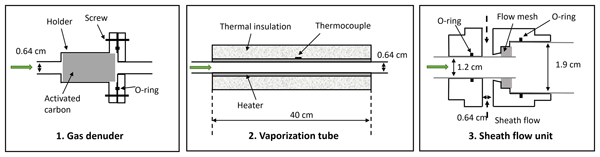
Organic aerosol constitutes a significant portion of atmospheric fine particles but is less characterized due to its vast number of constituents. Recently, we developed a system for online measurements of particle-phase highly oxygenated organic molecules (HOMs). In this work, we systematically characterized the system, developed a new unit to enhance its performance, and demonstrated the essential role of thermograms in inferring volatility and quantifying HOMs in organic aerosols.
Xinlei Ge, Yele Sun, Justin Trousdell, Mindong Chen, and Qi Zhang
Atmos. Meas. Tech., 17, 423–439, https://doi.org/10.5194/amt-17-423-2024, https://doi.org/10.5194/amt-17-423-2024, 2024
Short summary
Short summary
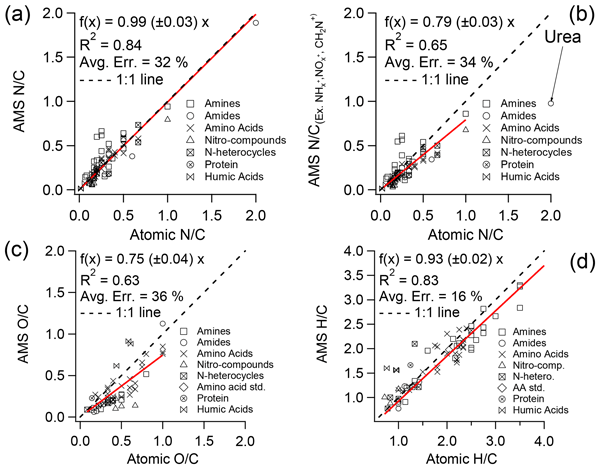
This study aims to enhance the application of the Aerodyne high-resolution aerosol mass spectrometer (HR-AMS) in characterizing organic nitrogen (ON) species within aerosol particles and droplets. A thorough analysis was conducted on 75 ON standards that represent a diverse spectrum of ambient ON types. The results underscore the capacity of the HR-AMS in examining the concentration and chemistry of atmospheric ON compounds, thereby offering insights into their sources and environmental impacts.
Lan Ma, Reed Worland, Laura Heinlein, Chrystal Guzman, Wenqing Jiang, Christopher Niedek, Keith J. Bein, Qi Zhang, and Cort Anastasio
Atmos. Chem. Phys., 24, 1–21, https://doi.org/10.5194/acp-24-1-2024, https://doi.org/10.5194/acp-24-1-2024, 2024
Short summary
Short summary
We measured concentrations of three photooxidants – the hydroxyl radical, triplet excited states of organic carbon, and singlet molecular oxygen – in fine particles collected over a year. Concentrations are highest in extracts of fresh biomass burning particles, largely because they have the highest particle concentrations and highest light absorption. When normalized by light absorption, rates of formation for each oxidant are generally similar for the four particle types we observed.
Ryan N. Farley, Sonya Collier, Christopher D. Cappa, Leah R. Williams, Timothy B. Onasch, Lynn M. Russell, Hwajin Kim, and Qi Zhang
Atmos. Chem. Phys., 23, 15039–15056, https://doi.org/10.5194/acp-23-15039-2023, https://doi.org/10.5194/acp-23-15039-2023, 2023
Short summary
Short summary
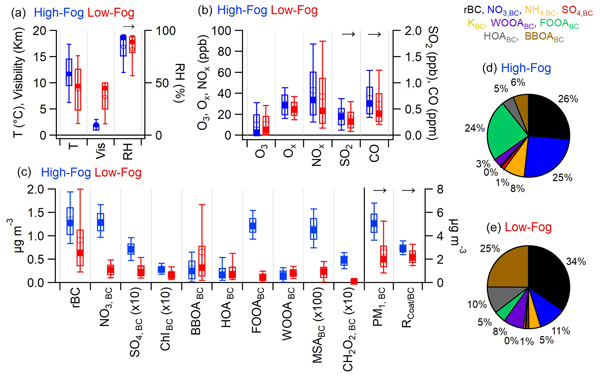
Soot particles, also known as black carbon (BC), have important implications for global climate and regional air quality. After the particles are emitted, BC can be coated with other material, impacting the aerosol properties. We selectively measured the composition of particles containing BC to explore their sources and chemical transformations in the atmosphere. We focus on a persistent, multiday fog event in order to study the effects of chemical reactions occurring within liquid droplets.
Lan Ma, Reed Worland, Wenqing Jiang, Christopher Niedek, Chrystal Guzman, Keith J. Bein, Qi Zhang, and Cort Anastasio
Atmos. Chem. Phys., 23, 8805–8821, https://doi.org/10.5194/acp-23-8805-2023, https://doi.org/10.5194/acp-23-8805-2023, 2023
Short summary
Short summary
Although photooxidants are important in airborne particles, little is known of their concentrations. By measuring oxidants in a series of particle dilutions, we predict their concentrations in aerosol liquid water (ALW). We find •OH concentrations in ALW are on the order of 10−15 M, similar to their cloud/fog values, while oxidizing triplet excited states and singlet molecular oxygen have ALW values of ca. 10−13 M and 10−12 M, respectively, roughly 10–100 times higher than in cloud/fog drops.
Wenqing Jiang, Christopher Niedek, Cort Anastasio, and Qi Zhang
Atmos. Chem. Phys., 23, 7103–7120, https://doi.org/10.5194/acp-23-7103-2023, https://doi.org/10.5194/acp-23-7103-2023, 2023
Short summary
Short summary
We studied how aqueous-phase secondary organic aerosol (aqSOA) form and evolve from a phenolic carbonyl commonly present in biomass burning smoke. The composition and optical properties of the aqSOA are significantly affected by photochemical reactions and are dependent on the oxidants' concentration and identity in water. During photoaging, the aqSOA initially becomes darker, but prolonged aging leads to the formation of volatile products, resulting in significant mass loss and photobleaching.
Nathaniel W. May, Noah Bernays, Ryan Farley, Qi Zhang, and Daniel A. Jaffe
Atmos. Chem. Phys., 23, 2747–2764, https://doi.org/10.5194/acp-23-2747-2023, https://doi.org/10.5194/acp-23-2747-2023, 2023
Short summary
Short summary
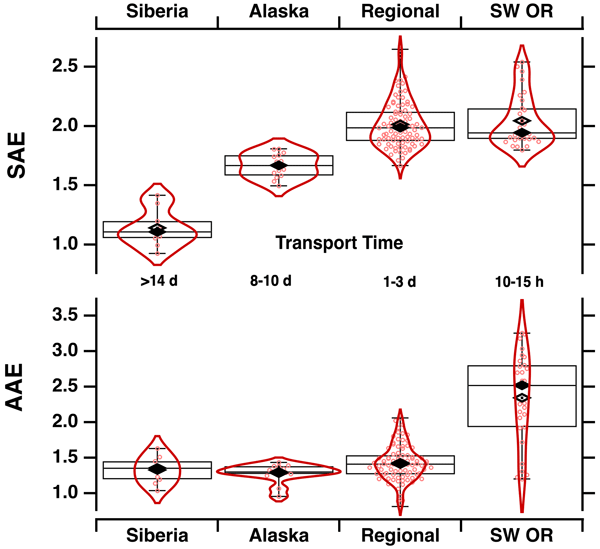
In summer 2019 at Mt. Bachelor Observatory, we observed smoke from wildfires with transport times ranging from less than a day up to 2 weeks. Aerosol absorption of multi-day transported smoke was dominated by black carbon, while smoke with shorter transport times had greater brown carbon absorption. Notably, Siberian smoke exhibited aerosol scattering and physical properties indicative of contributions from larger particles than typically observed in smoke.
Christopher R. Niedek, Fan Mei, Maria A. Zawadowicz, Zihua Zhu, Beat Schmid, and Qi Zhang
Atmos. Meas. Tech., 16, 955–968, https://doi.org/10.5194/amt-16-955-2023, https://doi.org/10.5194/amt-16-955-2023, 2023
Short summary
Short summary
This novel micronebulization aerosol mass spectrometry (MS) technique requires a low sample volume (10 μL) and can quantify nanogram levels of organic and inorganic particulate matter (PM) components when used with 34SO4. This technique was successfully applied to PM samples collected from uncrewed atmospheric measurement platforms and provided chemical information that agrees well with real-time data from a co-located aerosol chemical speciation monitor and offline data from secondary ion MS.
Xinghua Zhang, Wenhui Zhao, Lixiang Zhai, Miao Zhong, Jinsen Shi, Junying Sun, Yanmei Liu, Conghui Xie, Yulong Tan, Kemei Li, Xinlei Ge, Qi Zhang, Shichang Kang, and Jianzhong Xu
Earth Syst. Sci. Data Discuss., https://doi.org/10.5194/essd-2022-211, https://doi.org/10.5194/essd-2022-211, 2022
Manuscript not accepted for further review
Short summary
Short summary
A comprehensive aerosol observation project was carried out in the Tibetan Plateau (TP) in recent years to investigate the properties and sources of atmospheric aerosols as well as their regional differences by performing multiple short-term intensive field observations. The real-time online high-time-resolution (hourly) data of aerosol properties in the different TP region are integrated in a new dataset and can provide supporting for related studies in in the TP.
Ted Hullar, Theo Tran, Zekun Chen, Fernanda Bononi, Oliver Palmer, Davide Donadio, and Cort Anastasio
Atmos. Chem. Phys., 22, 5943–5959, https://doi.org/10.5194/acp-22-5943-2022, https://doi.org/10.5194/acp-22-5943-2022, 2022
Short summary
Short summary
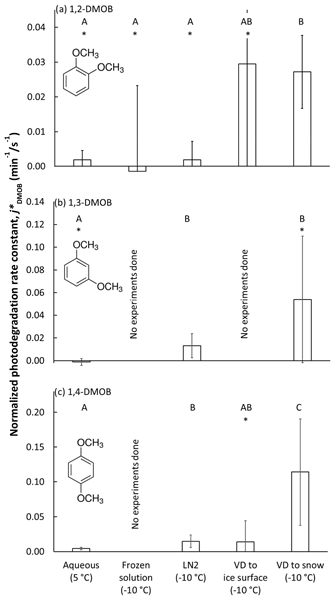
Chemicals are commonly found in snowpacks throughout the world and may be degraded by sunlight; some previous research has reported faster decay rates for chemicals on the surface of snow and ice compared to in water. We found photodegradation on snow can be as much as 30 times faster than in solution for the three dimethoxybenzene isomers. Our computational modeling found light absorbance by dimethoxybenzenes increases on the snow surface, but this only partially explains the decay rate.
Cited articles
Aggarwal, L. P. F., Baptista, M. S., and Borissevitch, I. E.: Effects of NaCl upon TPPS4 triplet state characteristics and singlet oxygen formation, J. Photochem. Photobiol. A Chem., 186, 187–193, https://doi.org/10.1016/j.jphotochem.2006.08.003, 2007.
Anastasio, C. and McGregor, K. G.: Chemistry of fog waters in California's Central Valley: 1. In situ photoformation of hydroxyl radical and singlet molecular oxygen, Atmos. Environ., 35, 1079–1089, https://doi.org/10.1016/S1352-2310(00)00281-8, 2001.
Appiani, E., Ossola, R., Latch, D. E., Erickson, P. R., and McNeill, K.: Aqueous singlet oxygen reaction kinetics of furfuryl alcohol: effect of temperature, pH, and salt content, Environ. Sci. Process. Impacts, 19, 507–516, https://doi.org/10.1039/C6EM00646A, 2017.
Arciva, S., Niedek, C., Mavis, C., Yoon, M., Sanchez, M. E., Zhang, Q., and Anastasio, C.: Aqueous ⚫oH Oxidation of Highly Substituted Phenols as a Source of Secondary Organic Aerosol, Environ. Sci. Technol., 56, 9959–9967, https://doi.org/10.1021/acs.est.2c02225, 2022.
Arciva, S., Zhou, Y., Jiang, W., Ross, A., Zhang, Q., and Anastasio, C.: Aqueous Oxidation of Biomass-Burning Furans by Singlet Molecular Oxygen (1O2*), Environ. Sci. Technol., https://doi.org/10.1021/acs.est.4c10778, 2025.
Bianco, A., Passananti, M., Brigante, M., and Mailhot, G.: Photochemistry of the Cloud Aqueous Phase: A Review, Molecules, 25, https://doi.org/10.3390/molecules25020423, 2020.
Capel, P. D., Leuenberger, C., and Giger, W.: Hydrophobic organic chemicals in urban fog, Atmos. Environ. Part A. Gen. Top., 25, 1335–1346, https://doi.org/10.1016/0960-1686(91)90244-2, 1991.
Ervens, B.: Modeling the Processing of Aerosol and Trace Gases in Clouds and Fogs, Chem. Rev., 115, 4157–4198, https://doi.org/10.1021/cr5005887, 2015.
Ervens, B., Turpin, B. J., and Weber, R. J.: Secondary organic aerosol formation in cloud droplets and aqueous particles (aqSOA): a review of laboratory, field and model studies, Atmos. Chem. Phys., 11, 11069–11102, https://doi.org/10.5194/acp-11-11069-2011, 2011.
Farley, R., Zhan, S., Collier, S., Jiang, W., Onasch, T., Shilling, J., Kleinman, L., Sedlacek, A., and Zhang, Q.: Chemical Evolution of Biomass Burning Aerosols Across Wildfire Plumes in the Western U.S.: From Near-Source to Regional Scales, ACS ES&T Air, 2, 677–691, https://doi.org/10.1021/acsestair.5c00002, 2025.
Galbavy, E. S., Ram, K., and Anastasio, C.: 2-Nitrobenzaldehyde as a chemical actinometer for solution and ice photochemistry, J. Photochem. Photobiol. A Chem., 209, 186–192, https://doi.org/10.1016/j.jphotochem.2009.11.013, 2010.
Geng, M. and Duan, Z.: Prediction of oxygen solubility in pure water and brines up to high temperatures and pressures, Geochim. Cosmochim. Acta, 74, 5631–5640, https://doi.org/10.1016/j.gca.2010.06.034, 2010.
George, K. M., Ruthenburg, T. C., Smith, J., Yu, L., Zhang, Q., Anastasio, C., and Dillner, A. M.: FT-IR quantification of the carbonyl functional group in aqueous-phase secondary organic aerosol from phenols, Atmos. Environ., 100, 230–237, https://doi.org/10.1016/j.atmosenv.2014.11.011, 2015.
Gilardoni, S., Massoli, P., Paglione, M., Giulianelli, L., Carbone, C., Rinaldi, M., Decesari, S., Sandrini, S., Costabile, F., Gobbi, G. P., Pietrogrande, M. C., Visentin, M., Scotto, F., Fuzzi, S., and Facchini, M. C.: Direct observation of aqueous secondary organic aerosol from biomass-burning emissions, Proc. Natl. Acad. Sci. USA, 113, 10013–10018, https://doi.org/10.1073/pnas.1602212113, 2016.
Glover, C. M. and Rosario-Ortiz, F. L.: Impact of Halides on the Photoproduction of Reactive Intermediates from Organic Matter, Environ. Sci. Technol., 47, 13949–13956, https://doi.org/10.1021/es4026886, 2013.
Hamer, W. J. and Wu, Y.-C.: Osmotic Coefficients and Mean Activity Coefficients of Uni univalent Electrolytes in Water at 25 °C, J. Phys. Chem. Ref. Data, 1, 1047–1100, https://doi.org/10.1063/1.3253108, 1972.
Herrmann, H., Hoffmann, D., Schaefer, T., Bräuer, P., and Tilgner, A.: Tropospheric aqueous-phase free-radical chemistry: Radical sources, spectra, reaction kinetics and prediction tools, ChemPhysChem, 11, 3796–3822, https://doi.org/10.1002/cphc.201000533, 2010.
Herrmann, H., Schaefer, T., Tilgner, A., Styler, S. A., Weller, C., Teich, M., and Otto, T.: Tropospheric Aqueous-Phase Chemistry: Kinetics, Mechanisms, and Its Coupling to a Changing Gas Phase, Chem. Rev., 115, 4259–4334, https://doi.org/10.1021/cr500447k, 2015.
Hodshire, A., Akherati, A., Alvarado, M. J., Brown-Steiner, B., Jathar, S. H., Jimenez, J. L., Kreidenweis, S. M., Lonsdale, C. R., Onasch, T. B., Ortega, A., and Pierce, J. R.: Aging Effects on Biomass Burning Aerosol Mass and Composition: A Critical Review of Field and Laboratory Studies, Environ. Sci. Technol., https://doi.org/10.1021/acs.est.9b02588, 2019.
Huang, D. D., Zhang, Q., Cheung, H. H. Y., Yu, L., Zhou, S., Anastasio, C., Smith, J. D., and Chan, C. K.: Formation and Evolution of aqSOA from Aqueous-Phase Reactions of Phenolic Carbonyls: Comparison between Ammonium Sulfate and Ammonium Nitrate Solutions, Environ. Sci. Technol., 52, 9215–9224, https://doi.org/10.1021/acs.est.8b03441, 2018.
Hullar, T., Bononi, F. C., Chen, Z., Magadia, D., Palmer, O., Tran, T., Rocca, D., Andreussi, O., Donadio, D., and Anastasio, C.: Photodecay of guaiacol is faster in ice, and even more rapid on ice, than in aqueous solution, Environ. Sci. Process. Impacts, 22, 1666–1677, https://doi.org/10.1039/D0EM00242A, 2020.
Jiang, W., Misovich, M. V., Hettiyadura, A. P. S., Laskin, A., McFall, A. S., Anastasio, C., and Zhang, Q.: Photosensitized Reactions of a Phenolic Carbonyl from Wood Combustion in the Aqueous Phase – Chemical Evolution and Light Absorption Properties of AqSOA, Environ. Sci. Technol., 55, 5199–5211, https://doi.org/10.1021/acs.est.0c07581, 2021.
Jiang, W., Niedek, C., Anastasio, C., and Zhang, Q.: Photoaging of phenolic secondary organic aerosol in the aqueous phase: evolution of chemical and optical properties and effects of oxidants, Atmos. Chem. Phys., 23, 7103–7120, https://doi.org/10.5194/acp-23-7103-2023, 2023.
Jiang, W., Yu, L., Yee, L., Chhabra, P., Seinfeld, J., Anastasio, C., and Zhang, Q.: Chemical Differences between Phenolic Secondary Organic Aerosol Formed through Gas-Phase and Aqueous-Phase Reactions, ACS Earth Sp. Chem., 8, 2270–2283, https://doi.org/10.1021/acsearthspacechem.4c00204, 2024.
Jimenez, J. L., Canagaratna, M. R., Donahue, N. M., Prevot, A. S. H., Zhang, Q., Kroll, J. H., DeCarlo, P. F., Allan, J. D., Coe, H., Ng, N. L., Aiken, A. C., Docherty, K. S., Ulbrich, I. M., Grieshop, A. P., Robinson, A. L., Duplissy, J., Smith, J. D., Wilson, K. R., Lanz, V. A., Hueglin, C., Sun, Y. L., Tian, J., Laaksonen, A., Raatikainen, T., Rautiainen, J., Vaattovaara, P., Ehn, M., Kulmala, M., Tomlinson, J. M., Collins, D. R., Cubison, M. J., Dunlea, E. J., Huffman, J. A., Onasch, T. B., Alfarra, M. R., Williams, P. I., Bower, K., Kondo, Y., Schneider, J., Drewnick, F., Borrmann, S., Weimer, S., Demerjian, K., Salcedo, D., Cottrell, L., Griffin, R., Takami, A., Miyoshi, T., Hatakeyama, S., Shimono, A., Sun, J. Y., Zhang, Y. M., Dzepina, K., Kimmel, J. R., Sueper, D., Jayne, J. T., Herndon, S. C., Trimborn, A. M., Williams, L. R., Wood, E. C., Middlebrook, A. M., Kolb, C. E., Baltensperger, U., and Worsnop, D. R.: Evolution of organic aerosols in the atmosphere, Science, 326, 1525–1529, https://doi.org/10.1126/science.1180353, 2009.
Li, F., Zhou, S., Du, L., Zhao, J., Hang, J., and Wang, X.: Aqueous-phase chemistry of atmospheric phenolic compounds: A critical review of laboratory studies, Sci. Total Environ., 856, 158895, https://doi.org/10.1016/j.scitotenv.2022.158895, 2023.
Loisel, G., Mekic, M., Liu, S., Song, W., Jiang, B., Wang, Y., Deng, H., and Gligorovski, S.: Ionic strength effect on the formation of organonitrate compounds through photochemical degradation of vanillin in liquid water of aerosols, Atmos. Environ., 246, https://doi.org/10.1016/j.atmosenv.2020.118140, 2021.
Ma, L., Guzman, C., Niedek, C., Tran, T., Zhang, Q., and Anastasio, C.: Kinetics and Mass Yields of Aqueous Secondary Organic Aerosol from Highly Substituted Phenols Reacting with a Triplet Excited State, Environ. Sci. Technol., 55, 5772–5781, https://doi.org/10.1021/acs.est.1c00575, 2021.
McFall, A. S., Johnson, A. W., and Anastasio, C.: Air-Water Partitioning of Biomass Burning Phenols and the Effects of Temperature and Salinity, Environ. Sci. Technol., https://doi.org/10.1021/acs.est.9b06443, 2020.
Mckay, G., Huang, W., Romera-Castillo, C., Crouch, J. E., Rosario-Ortiz, F. L., and Jaffé, R.: Predicting Reactive Intermediate Quantum Yields from Dissolved Organic Matter Photolysis Using Optical Properties and Antioxidant Capacity, Environ. Sci. Technol., 51, 5404–5413, https://doi.org/10.1021/acs.est.6b06372, 2017.
McNeill, V. F.: Aqueous Organic Chemistry in the Atmosphere: Sources and Chemical Processing of Organic Aerosols, Environ. Sci. Technol., 49, 1237–1244, https://doi.org/10.1021/es5043707, 2015.
Mekic, M. and Gligorovski, S.: Ionic strength effects on heterogeneous and multiphase chemistry: Clouds versus aerosol particles, Atmos. Environ., 244, 117911, https://doi.org/10.1016/j.atmosenv.2020.117911, 2021.
Mekic, M., Wang, Y., Loisel, G., Vione, D., and Gligorovski, S.: Ionic Strength Effect Alters the Heterogeneous Ozone Oxidation of Methoxyphenols in Going from Cloud Droplets to Aerosol Deliquescent Particles, Environ. Sci. Technol., 54, 12898–12907, https://doi.org/10.1021/acs.est.0c03648, 2020.
Millero, F. J., Huang, F., and Laferiere, A. L.: The solubility of oxygen in the major sea salts and their mixtures at 25 °C, Geochim. Cosmochim. Acta, 66, 2349–2359, https://doi.org/10.1016/S0016-7037(02)00838-4, 2002.
Niedek, C. R., Mei, F., Zawadowicz, M. A., Zhu, Z., Schmid, B., and Zhang, Q.: Quantitative chemical assay of nanogram-level particulate matter using aerosol mass spectrometry: characterization of particles collected from uncrewed atmospheric measurement platforms, Atmos. Meas. Tech., 16, 955–968, https://doi.org/10.5194/amt-16-955-2023, 2023.
Núñez, S. C., Garcez, A. S., Kato, I. T., Yoshimura, T. M., Gomes, L., Baptista, M. S., and Ribeiro, M. S.: Effects of ionic strength on the antimicrobial photodynamic efficiency of methylene blue, Photochem. Photobiol. Sci., 13, 595–602, https://doi.org/10.1039/C3PP50325A, 2014.
Pang, H., Zhang, Q., Lu, X., Li, K., Chen, H., Chen, J., Yang, X., Ma, Y., Ma, J., and Huang, C.: Nitrite-Mediated Photooxidation of Vanillin in the Atmospheric Aqueous Phase, Environ. Sci. Technol., 53, 14253–14263, https://doi.org/10.1021/acs.est.9b03649, 2019.
Parker, K. M., Pignatello, J. J., and Mitch, W. A.: Influence of Ionic Strength on Triplet-State Natural Organic Matter Loss by Energy Transfer and Electron Transfer Pathways, Environ. Sci. Technol., 47, 10987–10994, https://doi.org/10.1021/es401900j, 2013.
Parworth, C. L., Young, D. E., Kim, H., Zhang, X., Cappa, C. D., Collier, S., and Zhang, Q.: Wintertime water-soluble aerosol composition and particle water content in Fresno, California, J. Geophys. Res.-Atmos., 122, 3155–3170, https://doi.org/10.1002/2016JD026173, 2017.
Romanias, M. N., Coggon, M. M., Al Ali, F., Burkholder, J. B., Dagaut, P., Decker, Z., Warneke, C., Stockwell, C. E., Roberts, J. M., Tomas, A., Houzel, N., Coeur, C., and Brown, S. S.: Emissions and Atmospheric Chemistry of Furanoids from Biomass Burning: Insights from Laboratory to Atmospheric Observations, ACS Earth Sp. Chem., 8, 857–899, https://doi.org/10.1021/acsearthspacechem.3c00226, 2024.
Sagebiel, J. C. and Seiber, J. N.: Studies on the occurrence and distribution of wood smoke marker compounds in foggy atmospheres, Environ. Toxicol. Chem., 12, 813–822, https://doi.org/10.1002/etc.5620120504, 1993.
Schauer, J. J., Kleeman, M. J., Cass, G. R., and Simoneit, B. R. T.: Measurement of Emissions from Air Pollution Sources. 3. C1–C29 Organic Compounds from Fireplace Combustion of Wood, Environ. Sci. Technol., 35, 1716–1728, https://doi.org/10.1021/es001331e, 2001.
Shrivastava, M., Cappa, C. D., Fan, J., Goldstein, A. H., Guenther, A. B., Jimenez, J. L., Kuang, C., Laskin, A., Martin, S. T., Ng, N. L., Petaja, T., Pierce, J. R., Rasch, P. J., Roldin, P., Seinfeld, J. H., Shilling, J., Smith, J. N., Thornton, J. A., Volkamer, R., Wang, J., Worsnop, D. R., Zaveri, R. A., Zelenyuk, A., and Zhang, Q.: Recent advances in understanding secondary organic aerosol: Implications for global climate forcing, Rev. Geophys., 55, 509–559, https://doi.org/10.1002/2016RG000540, 2017.
Smith, J. D., Sio, V., Yu, L., Zhang, Q., and Anastasio, C.: Secondary organic aerosol production from aqueous reactions of atmospheric phenols with an organic triplet excited state, Environ. Sci. Technol., 48, 1049–1057, https://doi.org/10.1021/es4045715, 2014.
Smith, J. D., Kinney, H., and Anastasio, C.: Aqueous benzene-diols react with an organic triplet excited state and hydroxyl radical to form secondary organic aerosol, Phys. Chem. Chem. Phys., 17, 10227–10237, https://doi.org/10.1039/c4cp06095d, 2015.
Smith, J. D., Kinney, H., and Anastasio, C.: Phenolic carbonyls undergo rapid aqueous photodegradation to form low-volatility, light-absorbing products, Atmos. Environ., 126, 36–44, https://doi.org/10.1016/j.atmosenv.2015.11.035, 2016.
Sun, Y. L., Zhang, Q., Anastasio, C., and Sun, J.: Insights into secondary organic aerosol formed via aqueous-phase reactions of phenolic compounds based on high resolution mass spectrometry, Atmos. Chem. Phys., 10, 4809–4822, https://doi.org/10.5194/acp-10-4809-2010, 2010.
Tilgner, A., Schaefer, T., Alexander, B., Barth, M., Collett Jr., J. L., Fahey, K. M., Nenes, A., Pye, H. O. T., Herrmann, H., and McNeill, V. F.: Acidity and the multiphase chemistry of atmospheric aqueous particles and clouds, Atmos. Chem. Phys., 21, 13483–13536, https://doi.org/10.5194/acp-21-13483-2021, 2021.
Treinin, A., Loeff, I., Hurley, J. K., and Linschitz, H.: Charge-transfer interactions of excited molecules with inorganic anions: the role of spin-orbit coupling in controlling net electron transfer, Chem. Phys. Lett., 95, 333–338, https://doi.org/10.1016/0009-2614(83)80569-7, 1983.
Von Schneidemesser, E., Monks, P. S., Allan, J. D., Bruhwiler, L., Forster, P., Fowler, D., Lauer, A., Morgan, W. T., Paasonen, P., Righi, M., Sindelarova, K., and Sutton, M. A.: Chemistry and the Linkages between Air Quality and Climate Change, Chem. Rev., 115, 3856–3897, https://doi.org/10.1021/acs.chemrev.5b00089, 2015.
Wang, Y., Mekic, M., Li, P., Deng, H., Liu, S., Jiang, B., Jin, B., Vione, D., and Gligorovski, S.: Ionic Strength Effect Triggers Brown Carbon Formation through Heterogeneous Ozone Processing of Ortho-Vanillin, Environ. Sci. Technol., 55, 4553–4564, https://doi.org/10.1021/acs.est.1c00874, 2021.
Yu, L., Smith, J., Laskin, A., Anastasio, C., Laskin, J., and Zhang, Q.: Chemical characterization of SOA formed from aqueous-phase reactions of phenols with the triplet excited state of carbonyl and hydroxyl radical, Atmos. Chem. Phys., 14, 13801–13816, https://doi.org/10.5194/acp-14-13801-2014, 2014.
Yu, L., Smith, J., Laskin, A., George, K. M., Anastasio, C., Laskin, J., Dillner, A. M., and Zhang, Q.: Molecular transformations of phenolic SOA during photochemical aging in the aqueous phase: competition among oligomerization, functionalization, and fragmentation, Atmos. Chem. Phys., 16, 4511–4527, https://doi.org/10.5194/acp-16-4511-2016, 2016.
Zhang, G., Peng, X., Sun, W., Fu, Y., Yang, Y., Liu, D., Shi, Z., Tang, M., Wang, X., and Bi, X.: Fog/cloud processing of atmospheric aerosols from a single particle perspective: A review of field observations, Atmos. Environ., 329, 120536, https://doi.org/10.1016/j.atmosenv.2024.120536, 2024a.
Zhang, J., Shrivastava, M., Ma, L., Jiang, W., Anastasio, C., Zhang, Q., and Zelenyuk, A.: Modeling Novel Aqueous Particle and Cloud Chemistry Processes of Biomass Burning Phenols and Their Potential to Form Secondary Organic Aerosols, Environ. Sci. Technol., 58, 3776–3786, https://doi.org/10.1021/acs.est.3c07762, 2024b.
Zhang, Q., Jimenez, J. L., Canagaratna, M. R., Ulbrich, I. M., Ng, N. L., Worsnop, D. R., and Sun, Y.: Understanding atmospheric organic aerosols via factor analysis of aerosol mass spectrometry: A review, Anal. Bioanal. Chem., 401, 3045–3067, https://doi.org/10.1007/s00216-011-5355-y, 2011.
Zhou, W., Mekic, M., Liu, J., Loisel, G., Jin, B., Vione, D., and Gligorovski, S.: Ionic strength effects on the photochemical degradation of acetosyringone in atmospheric deliquescent aerosol particles, Atmos. Environ., 198, 83–88, https://doi.org/10.1016/j.atmosenv.2018.10.047, 2019.
Short summary
We developed a new photoreactor to study how organic compounds react in water under atmospheric-relevant conditions. Experiments were performed on smoke-related chemicals under controlled light, temperature, and humidity mimicking cloud and haze environments. Our results showed that saltier water speeds particle formation and changes their composition, providing new insights into atmospheric aerosol chemistry.
We developed a new photoreactor to study how organic compounds react in water under...


