
Articles | Volume 19, issue 12
https://doi.org/10.5194/amt-19-4201-2026
© Author(s) 2026. This work is distributed under
the Creative Commons Attribution 4.0 License.
the Creative Commons Attribution 4.0 License.
https://doi.org/10.5194/amt-19-4201-2026
© Author(s) 2026. This work is distributed under
the Creative Commons Attribution 4.0 License.
the Creative Commons Attribution 4.0 License.
Research article
| 
26 Jun 2026
Research article |
| 26 Jun 2026
| 26 Jun 2026
Design, operation and characterization of a mobile laboratory for hyperlocal atmospheric research
Samuel J. Cliff
Department of Civil and Environmental Engineering, University of California Berkeley, Berkeley, CA 94720, United States
Department of Environmental Science, Policy and Management, University of California Berkeley, Berkeley, CA 94720, United States
Michael R. Giordano
Department of Civil and Environmental Engineering, University of California Berkeley, Berkeley, CA 94720, United States
Haley McNamara Byrne
Department of Civil and Environmental Engineering, University of California Berkeley, Berkeley, CA 94720, United States
Robert J. Weber
Department of Environmental Science, Policy and Management, University of California Berkeley, Berkeley, CA 94720, United States
Jude Z. Hebert
Department of Civil and Environmental Engineering, University of California Berkeley, Berkeley, CA 94720, United States
Kyle Huang
Rausser College of Natural Resources, University of California Berkeley, Berkeley, CA, 94720, United States

Department of Civil and Environmental Engineering, University of California Berkeley, Berkeley, CA 94720, United States
Department of Environmental Science, Policy and Management, University of California Berkeley, Berkeley, CA 94720, United States
Joshua S. Apte
CORRESPONDING AUTHOR
Department of Civil and Environmental Engineering, University of California Berkeley, Berkeley, CA 94720, United States
School of Public Health, University of California Berkeley, Berkeley, CA 94720, United States
Related authors
Erin F. Katz, Caleb M. Arata, Eva Y. Pfannerstill, Robert J. Weber, Haley Byrne, Michael J. Milazzo, Samuel J. Cliff, Joshua Apte, and Allen H. Goldstein
EGUsphere, https://doi.org/10.5194/egusphere-2026-4147, https://doi.org/10.5194/egusphere-2026-4147, 2026
Short summary
Short summary
Volatile organic compounds (VOCs) are precursors to urban air pollution. We measured VOC emissions in a major North American urban area and identified the dominant sources of four abundant compounds: ethanol, methanol, acetaldehyde, and acetone. Cooking and consumer products (e.g., solvents) were the primary sources, showing that these emissions play a larger role in urban air quality than previously thought.
Lindsay D. Yee, Emily B. Franklin, Robin J. Weber, Jessica Zhao, Tiger Zhang, Stephanie Xu, Isaac Santillan, Fangyuan Li, Coty N. Jen, Haofei Zhang, Yutong Liang, Gabriel Isaacman Van-Wertz, Rebecca A. Wernis, John Offenberg, Michael Lewandowski, Taekyu Joo, Masayuki Takeuchi, Gamze Eris, Weiqi Xu, Nga L. Ng, Yuzhi Chen, John E. Shilling, Mary Alice Upshur, Ariana Gray Bé, Regan J. Thomson, Franz M. Geiger, and Allen H. Goldstein
Atmos. Meas. Tech., 19, 5027–5049, https://doi.org/10.5194/amt-19-5027-2026, https://doi.org/10.5194/amt-19-5027-2026, 2026
Short summary
Short summary
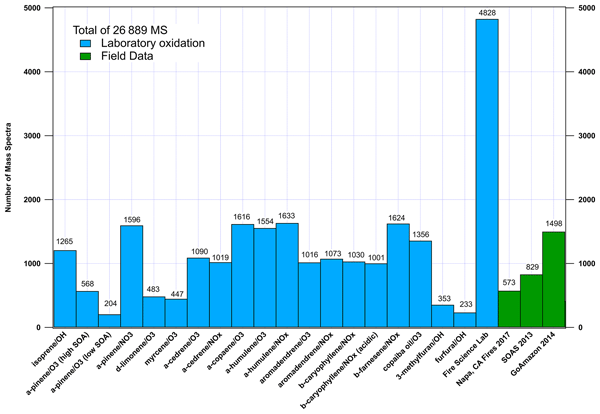
An open-access mass spectral database of identified and unidentified compounds in atmospheric and laboratory-generated organic aerosols is released to aid in future molecular discoveries in the environmental sciences. Identification of air pollution sources and origins is improved using the ~27,000 mass spectral records in the University of California Berkeley Goldstein Library of Organic Biogenic Environmental Spectra (UCB-GLOBES) database.
Erin F. Katz, Caleb M. Arata, Eva Y. Pfannerstill, Robert J. Weber, Haley Byrne, Michael J. Milazzo, Samuel J. Cliff, Joshua Apte, and Allen H. Goldstein
EGUsphere, https://doi.org/10.5194/egusphere-2026-4147, https://doi.org/10.5194/egusphere-2026-4147, 2026
Short summary
Short summary
Volatile organic compounds (VOCs) are precursors to urban air pollution. We measured VOC emissions in a major North American urban area and identified the dominant sources of four abundant compounds: ethanol, methanol, acetaldehyde, and acetone. Cooking and consumer products (e.g., solvents) were the primary sources, showing that these emissions play a larger role in urban air quality than previously thought.

James D. A. Butler, Afsara Tasnia, Deep Sengupta, Nathan Kreisberg, Kelley C. Barsanti, Allen H. Goldstein, Chelsea V. Preble, Rebecca A. Sugrue, and Thomas W. Kirchstetter
Atmos. Chem. Phys., 26, 839–850, https://doi.org/10.5194/acp-26-839-2026, https://doi.org/10.5194/acp-26-839-2026, 2026
Short summary
Short summary
Prescribed burns are controlled fires used to prevent wildfires. Smoke emissions were measured to characterize emission factors and optical properties of black and brown soot particles. Brown particles were emitted at 7–14 times that of black particles and contributed 82 % of atmospheric absorption by particles for ultraviolet light and 23 % for total solar radiation. These findings will improve inventories and climate models for prescribed burns.
Erin F. Katz, Caleb M. Arata, Eva Y. Pfannerstill, Robert J. Weber, Darian Ng, Michael J. Milazzo, Haley Byrne, Hui Wang, Alex B. Guenther, Camilo Rey-Sanchez, Joshua Apte, Dennis D. Baldocchi, and Allen H. Goldstein
Atmos. Chem. Phys., 25, 15281–15299, https://doi.org/10.5194/acp-25-15281-2025, https://doi.org/10.5194/acp-25-15281-2025, 2025
Short summary
Short summary
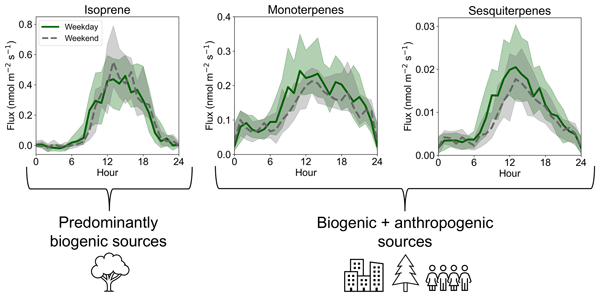
Terpenoids are organic gases that can originate from natural and human-caused sources, and their reactions in the atmosphere can cause air pollution. In this study, emissions of organic gases in an urban environment were measured. For some terpenoids, human-caused sources were responsible for about a quarter of the emissions, while others were predominantly from vegetation. This study contributes to a better understanding of urban emission sources and causes of air pollution.
Qindan Zhu, Rebecca H. Schwantes, Matthew Coggon, Colin Harkins, Jordan Schnell, Jian He, Havala O. T. Pye, Meng Li, Barry Baker, Zachary Moon, Ravan Ahmadov, Eva Y. Pfannerstill, Bryan Place, Paul Wooldridge, Benjamin C. Schulze, Caleb Arata, Anthony Bucholtz, John H. Seinfeld, Carsten Warneke, Chelsea E. Stockwell, Lu Xu, Kristen Zuraski, Michael A. Robinson, J. Andrew Neuman, Patrick R. Veres, Jeff Peischl, Steven S. Brown, Allen H. Goldstein, Ronald C. Cohen, and Brian C. McDonald
Atmos. Chem. Phys., 24, 5265–5286, https://doi.org/10.5194/acp-24-5265-2024, https://doi.org/10.5194/acp-24-5265-2024, 2024
Short summary
Short summary
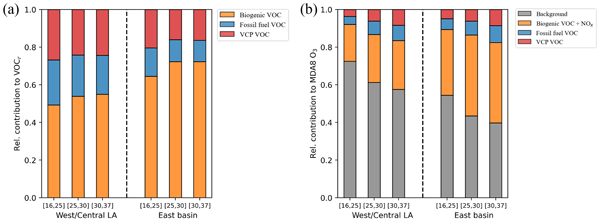
Volatile organic compounds (VOCs) fuel the production of air pollutants like ozone and particulate matter. The representation of VOC chemistry remains challenging due to its complexity in speciation and reactions. Here, we develop a chemical mechanism, RACM2B-VCP, that better represents VOC chemistry in urban areas such as Los Angeles. We also discuss the contribution of VOCs emitted from volatile chemical products and other anthropogenic sources to total VOC reactivity and O3.
Anil Kumar Mandariya, Ajit Ahlawat, Mohammed Haneef, Nisar Ali Baig, Kanan Patel, Joshua Apte, Lea Hildebrandt Ruiz, Alfred Wiedensohler, and Gazala Habib
Atmos. Chem. Phys., 24, 3627–3647, https://doi.org/10.5194/acp-24-3627-2024, https://doi.org/10.5194/acp-24-3627-2024, 2024
Short summary
Short summary
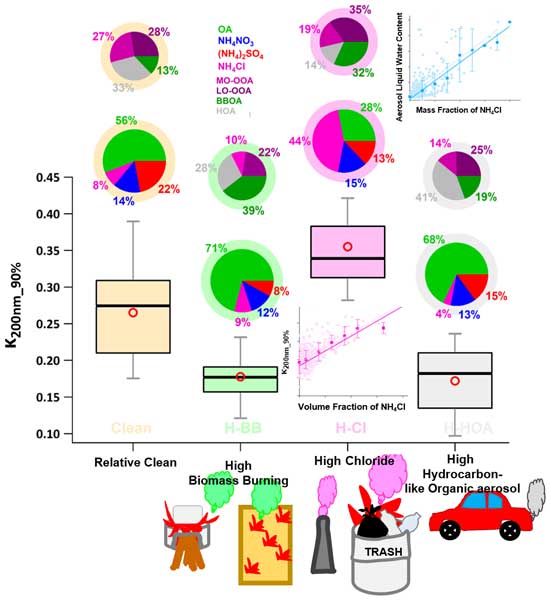
The current study explores the temporal variation of size-selected particle hygroscopicity in Delhi for the first time. Here, we report that the high volume fraction contribution of ammonium chloride to aerosol governs the high aerosol hygroscopicity and associated liquid water content based on the experimental data. The episodically high ammonium chloride present in Delhi's atmosphere could lead to haze and fog formation under high relative humidity in the region.
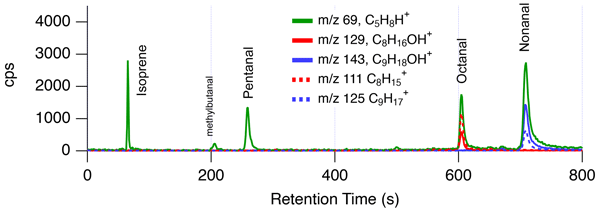
Matthew M. Coggon, Chelsea E. Stockwell, Megan S. Claflin, Eva Y. Pfannerstill, Lu Xu, Jessica B. Gilman, Julia Marcantonio, Cong Cao, Kelvin Bates, Georgios I. Gkatzelis, Aaron Lamplugh, Erin F. Katz, Caleb Arata, Eric C. Apel, Rebecca S. Hornbrook, Felix Piel, Francesca Majluf, Donald R. Blake, Armin Wisthaler, Manjula Canagaratna, Brian M. Lerner, Allen H. Goldstein, John E. Mak, and Carsten Warneke
Atmos. Meas. Tech., 17, 801–825, https://doi.org/10.5194/amt-17-801-2024, https://doi.org/10.5194/amt-17-801-2024, 2024
Short summary
Short summary
Mass spectrometry is a tool commonly used to measure air pollutants. This study evaluates measurement artifacts produced in the proton-transfer-reaction mass spectrometer. We provide methods to correct these biases and better measure compounds that degrade air quality.
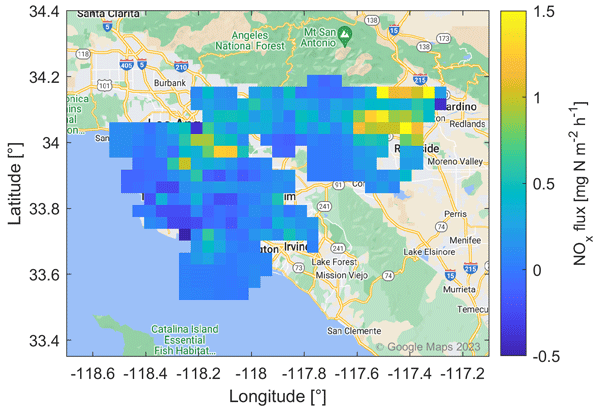
Clara M. Nussbaumer, Bryan K. Place, Qindan Zhu, Eva Y. Pfannerstill, Paul Wooldridge, Benjamin C. Schulze, Caleb Arata, Ryan Ward, Anthony Bucholtz, John H. Seinfeld, Allen H. Goldstein, and Ronald C. Cohen
Atmos. Chem. Phys., 23, 13015–13028, https://doi.org/10.5194/acp-23-13015-2023, https://doi.org/10.5194/acp-23-13015-2023, 2023
Short summary
Short summary
NOx is a precursor to hazardous tropospheric ozone and can be emitted from various anthropogenic sources. It is important to quantify NOx emissions in urban environments to improve the local air quality, which still remains a challenge, as sources are heterogeneous in space and time. In this study, we calculate NOx emissions over Los Angeles, based on aircraft measurements in June 2021, and compare them to a local emission inventory, which we find mostly overpredicts the measured values.
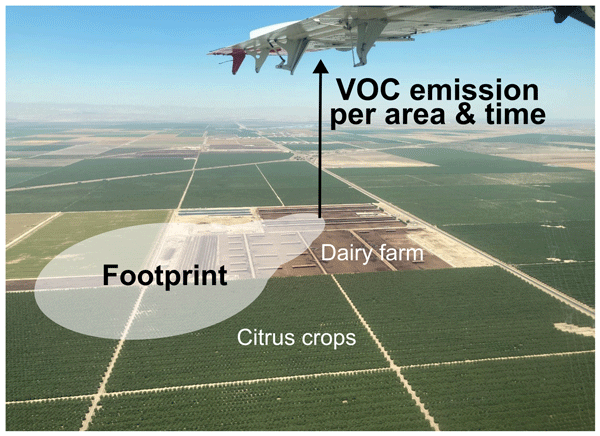
Eva Y. Pfannerstill, Caleb Arata, Qindan Zhu, Benjamin C. Schulze, Roy Woods, John H. Seinfeld, Anthony Bucholtz, Ronald C. Cohen, and Allen H. Goldstein
Atmos. Chem. Phys., 23, 12753–12780, https://doi.org/10.5194/acp-23-12753-2023, https://doi.org/10.5194/acp-23-12753-2023, 2023
Short summary
Short summary
The San Joaquin Valley is an agricultural area with poor air quality. Organic gases drive the formation of hazardous air pollutants. Agricultural emissions of these gases are not well understood and have rarely been quantified at landscape scale. By combining aircraft-based emission measurements with land cover information, we found mis- or unrepresented emission sources. Our results help in understanding of pollution sources and in improving predictions of air quality in agricultural regions.
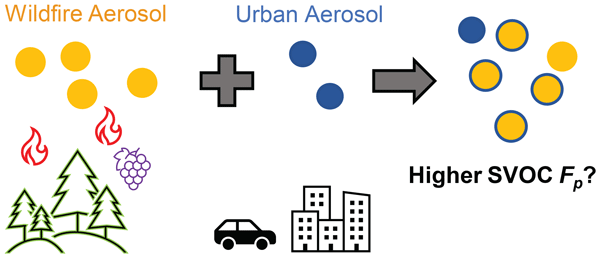
Yutong Liang, Rebecca A. Wernis, Kasper Kristensen, Nathan M. Kreisberg, Philip L. Croteau, Scott C. Herndon, Arthur W. H. Chan, Nga L. Ng, and Allen H. Goldstein
Atmos. Chem. Phys., 23, 12441–12454, https://doi.org/10.5194/acp-23-12441-2023, https://doi.org/10.5194/acp-23-12441-2023, 2023
Short summary
Short summary
We measured the gas–particle partitioning behaviors of biomass burning markers and examined the effect of wildfire organic aerosol on the partitioning of semivolatile organic compounds. Most compounds measured are less volatile than model predictions. Wildfire aerosol enhanced the condensation of polar compounds and caused some nonpolar (e.g., polycyclic aromatic hydrocarbons) compounds to partition into the gas phase, thus affecting their lifetimes in the atmosphere and the mode of exposure.
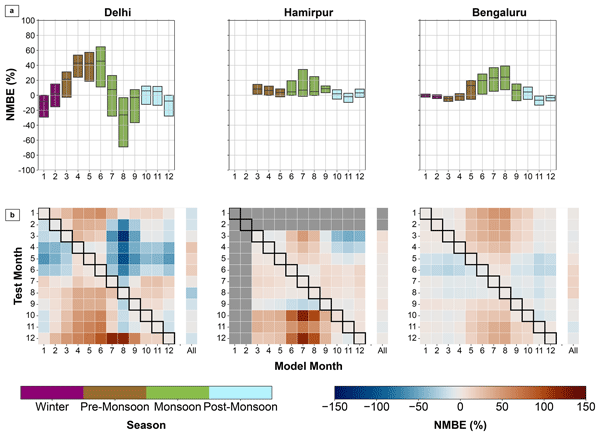
Mark Joseph Campmier, Jonathan Gingrich, Saumya Singh, Nisar Baig, Shahzad Gani, Adithi Upadhya, Pratyush Agrawal, Meenakshi Kushwaha, Harsh Raj Mishra, Ajay Pillarisetti, Sreekanth Vakacherla, Ravi Kant Pathak, and Joshua S. Apte
Atmos. Meas. Tech., 16, 4357–4374, https://doi.org/10.5194/amt-16-4357-2023, https://doi.org/10.5194/amt-16-4357-2023, 2023
Short summary
Short summary
We studied a low-cost air pollution sensor called PurpleAir PA-II in three different locations in India (Delhi, Hamirpur, and Bangalore) to characterize its performance. We compared its signal to more expensive reference sensors and found that the PurpleAir sensor was precise but inaccurate without calibration. We created a custom calibration equation for each location, which improved the accuracy of the PurpleAir sensor, and found that calibrations should be adjusted for different seasons.
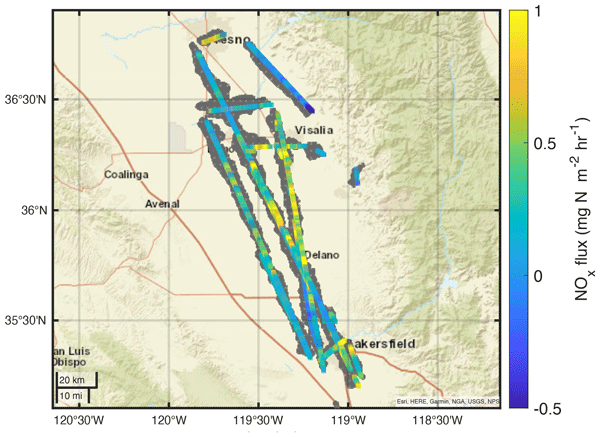
Qindan Zhu, Bryan Place, Eva Y. Pfannerstill, Sha Tong, Huanxin Zhang, Jun Wang, Clara M. Nussbaumer, Paul Wooldridge, Benjamin C. Schulze, Caleb Arata, Anthony Bucholtz, John H. Seinfeld, Allen H. Goldstein, and Ronald C. Cohen
Atmos. Chem. Phys., 23, 9669–9683, https://doi.org/10.5194/acp-23-9669-2023, https://doi.org/10.5194/acp-23-9669-2023, 2023
Short summary
Short summary
Nitrogen oxide (NOx) is a hazardous air pollutant, and it is the precursor of short-lived climate forcers like tropospheric ozone and aerosol particles. While NOx emissions from transportation has been strictly regulated, soil NOx emissions are overlooked. We use the airborne flux measurements to observe NOx emissions from highways and urban and cultivated soil land cover types. We show non-negligible soil NOx emissions, which are significantly underestimated in current model simulations.
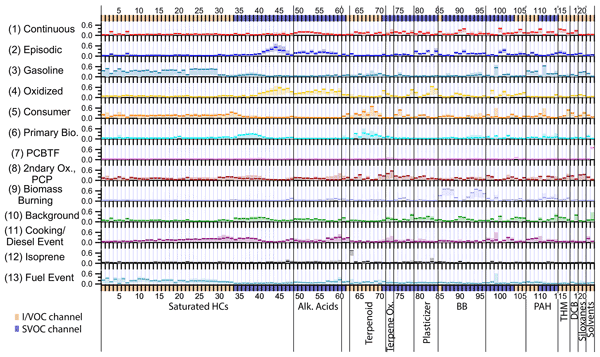
Rebecca A. Wernis, Nathan M. Kreisberg, Robert J. Weber, Greg T. Drozd, and Allen H. Goldstein
Atmos. Chem. Phys., 22, 14987–15019, https://doi.org/10.5194/acp-22-14987-2022, https://doi.org/10.5194/acp-22-14987-2022, 2022
Short summary
Short summary
We measured volatile and intermediate-volatility gases and semivolatile gas- and particle-phase compounds in the atmosphere during an 11 d period in a Bay Area suburb. We separated compounds based on variability in time to arrive at 13 distinct sources. Some compounds emitted from plants are found in greater quantities as fragrance compounds in consumer products. The wide volatility range of these measurements enables the construction of more complete source profiles.
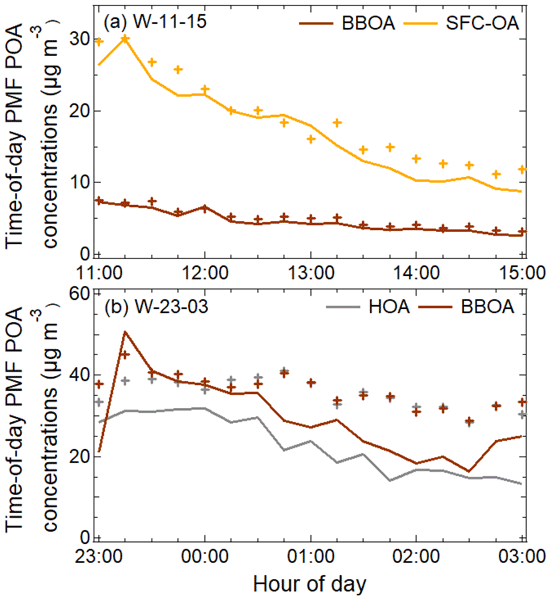
Sahil Bhandari, Zainab Arub, Gazala Habib, Joshua S. Apte, and Lea Hildebrandt Ruiz
Atmos. Meas. Tech., 15, 6051–6074, https://doi.org/10.5194/amt-15-6051-2022, https://doi.org/10.5194/amt-15-6051-2022, 2022
Short summary
Short summary
We present a new method to conduct source apportionment resolved by time of day using the underlying approach of positive matrix factorization. We report results for four example time periods in two seasons (winter and monsoon 2017) in Delhi, India. Compared to the traditional approach, we extract a larger number of factors that represent the expected sources of primary organic aerosol. This method can capture diurnal time series patterns of sources at low computational cost.

Sahil Bhandari, Zainab Arub, Gazala Habib, Joshua S. Apte, and Lea Hildebrandt Ruiz
Atmos. Chem. Phys., 22, 13631–13657, https://doi.org/10.5194/acp-22-13631-2022, https://doi.org/10.5194/acp-22-13631-2022, 2022
Short summary
Short summary
Here we determine the sources of primary organic aerosol in Delhi, India, in two different seasons. In winter, the main sources are traffic and biomass burning; in the summer, the main sources are traffic and cooking. We obtain this result by conducting source apportionment resolved by time of day, using data from an aerosol chemical speciation monitor. Results from this work can be used to better design policies that target sources of organic aerosol.
Yutong Liang, Christos Stamatis, Edward C. Fortner, Rebecca A. Wernis, Paul Van Rooy, Francesca Majluf, Tara I. Yacovitch, Conner Daube, Scott C. Herndon, Nathan M. Kreisberg, Kelley C. Barsanti, and Allen H. Goldstein
Atmos. Chem. Phys., 22, 9877–9893, https://doi.org/10.5194/acp-22-9877-2022, https://doi.org/10.5194/acp-22-9877-2022, 2022
Short summary
Short summary
This article reports the measurements of organic compounds emitted from western US wildfires. We identified and quantified 240 particle-phase compounds and 72 gas-phase compounds emitted in wildfire and related the emissions to the modified combustion efficiency. Higher emissions of diterpenoids and monoterpenes were observed, likely due to distillation from unburned heated vegetation. Our results can benefit future source apportionment and modeling studies as well as exposure assessments.

Emily B. Franklin, Lindsay D. Yee, Bernard Aumont, Robert J. Weber, Paul Grigas, and Allen H. Goldstein
Atmos. Meas. Tech., 15, 3779–3803, https://doi.org/10.5194/amt-15-3779-2022, https://doi.org/10.5194/amt-15-3779-2022, 2022
Short summary
Short summary
The composition of atmospheric aerosols are extremely complex, containing hundreds of thousands of estimated individual compounds. The majority of these compounds have never been catalogued in widely used databases, making them extremely difficult for atmospheric chemists to identify and analyze. In this work, we present Ch3MS-RF, a machine-learning-based model to enable characterization of complex mixtures and prediction of structure-specific properties of unidentifiable organic compounds.

Andrew J. Lindsay, Daniel C. Anderson, Rebecca A. Wernis, Yutong Liang, Allen H. Goldstein, Scott C. Herndon, Joseph R. Roscioli, Christoph Dyroff, Ed C. Fortner, Philip L. Croteau, Francesca Majluf, Jordan E. Krechmer, Tara I. Yacovitch, Walter B. Knighton, and Ezra C. Wood
Atmos. Chem. Phys., 22, 4909–4928, https://doi.org/10.5194/acp-22-4909-2022, https://doi.org/10.5194/acp-22-4909-2022, 2022
Short summary
Short summary
Wildfire smoke dramatically impacts air quality and often has elevated concentrations of ozone. We present measurements of ozone and its precursors at a rural site periodically impacted by wildfire smoke. Measurements of total peroxy radicals, key ozone precursors that have been studied little within wildfires, compare well with chemical box model predictions. Our results indicate no serious issues with using current chemistry mechanisms to model chemistry in aged wildfire plumes.
Delaney B. Kilgour, Gordon A. Novak, Jon S. Sauer, Alexia N. Moore, Julie Dinasquet, Sarah Amiri, Emily B. Franklin, Kathryn Mayer, Margaux Winter, Clare K. Morris, Tyler Price, Francesca Malfatti, Daniel R. Crocker, Christopher Lee, Christopher D. Cappa, Allen H. Goldstein, Kimberly A. Prather, and Timothy H. Bertram
Atmos. Chem. Phys., 22, 1601–1613, https://doi.org/10.5194/acp-22-1601-2022, https://doi.org/10.5194/acp-22-1601-2022, 2022
Short summary
Short summary
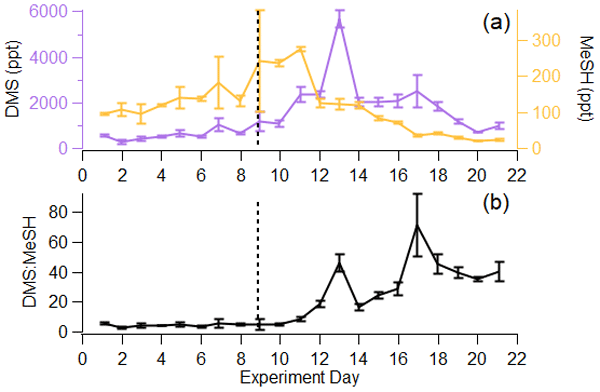
We report measurements of gas-phase volatile organosulfur molecules made during a mesocosm phytoplankton bloom experiment. Dimethyl sulfide (DMS), methanethiol (MeSH), and benzothiazole accounted for on average over 90 % of total gas-phase sulfur emissions. This work focuses on factors controlling the production and emission of DMS and MeSH and the role of non-DMS molecules (such as MeSH and benzothiazole) in secondary sulfate formation in coastal marine environments.
Cited articles
Apte, J. S. and Manchanda, C.: High-resolution urban air pollution mapping, Science, 385, 380–385, https://doi.org/10.1126/science.adq3678, 2024.
Apte, J. S., Messier, K. P., Gani, S., Brauer, M., Kirchstetter, T. W., Lunden, M. M., Marshall, J. D., Portier, C. J., Vermeulen, R. C. H., and Hamburg, S. P.: High-Resolution Air Pollution Mapping with Google Street View Cars: Exploiting Big Data, Environ. Sci. Technol., 51, 6999–7008, https://doi.org/10.1021/acs.est.7b00891, 2017.
Bayer, M.: The Architecture of Open Source Applications Volume II: Structure, Scale, and a Few More Fearless Hacks, https://aosabook.org/ (last access: 22 June 2026), 2012.
Bittner, A. S., Holder, A. L., Grieshop, A. P., Hagler, G. S. W., and Mitchell, W.: Performance of Vehicle Add-on Mobile Monitoring System PM2.5 measurements during wildland fire episodes, Environ. Sci.: Atmos., 4, 306–320, https://doi.org/10.1039/D3EA00170A, 2024.
Bukowiecki, N., Dommen, J., Prévôt, A. S. H., Richter, R., Weingartner, E., and Baltensperger, U.: A mobile pollutant measurement laboratory – measuring gas phase and aerosol ambient concentrations with high spatial and temporal resolution, Atmos. Environ., 36, 5569–5579, https://doi.org/10.1016/S1352-2310(02)00694-5, 2002.
Bush, S. E., Hopkins, F. M., Randerson, J. T., Lai, C.-T., and Ehleringer, J. R.: Design and application of a mobile ground-based observatory for continuous measurements of atmospheric trace gas and criteria pollutant species, Atmos. Meas. Tech., 8, 3481–3492, https://doi.org/10.5194/amt-8-3481-2015, 2015.
Coggon, M. M., McDonald, B. C., Vlasenko, A., Veres, P. R., Bernard, F., Koss, A. R., Yuan, B., Gilman, J. B., Peischl, J., Aikin, K. C., DuRant, J., Warneke, C., Li, S.-M., and de Gouw, J. A.: Diurnal Variability and Emission Pattern of Decamethylcyclopentasiloxane (D5) from the Application of Personal Care Products in Two North American Cities, Environ. Sci. Technol., 52, 5610–5618, https://doi.org/10.1021/acs.est.8b00506, 2018.
Cowan, N., Twigg, M. M., Leeson, S. R., Jones, M. R., Harvey, D., Simmons, I., Coyle, M., Kentisbeer, J., Walker, H., and Braban, C. F.: Assessing the bias of molybdenum catalytic conversion in the measurement of NO2 in rural air quality networks, Atmos. Environ., 322, 120375, https://doi.org/10.1016/j.atmosenv.2024.120375, 2024.
Defratyka, S. M., Paris, J.-D., Yver-Kwok, C., Fernandez, J. M., Korben, P., and Bousquet, P.: Mapping Urban Methane Sources in Paris, France, Environ. Sci. Technol., 55, 8583–8591, https://doi.org/10.1021/acs.est.1c00859, 2021.
Drewnick, F., Böttger, T., von der Weiden-Reinmüller, S.-L., Zorn, S. R., Klimach, T., Schneider, J., and Borrmann, S.: Design of a mobile aerosol research laboratory and data processing tools for effective stationary and mobile field measurements, Atmos. Meas. Tech., 5, 1443–1457, https://doi.org/10.5194/amt-5-1443-2012, 2012.
Harlass, T., Dischl, R., Kaufmann, S., Märkl, R., Sauer, D., Scheibe, M., Stock, P., Bräuer, T., Dörnbrack, A., Roiger, A., Schlager, H., Schumann, U., Pühl, M., Schripp, T., Grein, T., Bondorf, L., Renard, C., Gauthier, M., Johnson, M., Luff, D., Madden, P., Swann, P., Ahrens, D., Sallinen, R., and Voigt, C.: Measurement report: In-flight and ground-based measurements of nitrogen oxide emissions from latest-generation jet engines and 100 % sustainable aviation fuel, Atmos. Chem. Phys., 24, 11807–11822, https://doi.org/10.5194/acp-24-11807-2024, 2024.
Katz, E. F., Arata, C. M., Pfannerstill, E. Y., Weber, R. J., Ng, D., Milazzo, M. J., Byrne, H., Wang, H., Guenther, A. B., Rey-Sanchez, C., Apte, J., Baldocchi, D. D., and Goldstein, A. H.: Biogenic and anthropogenic contributions to urban terpenoid fluxes, Atmos. Chem. Phys., 25, 15281–15299, https://doi.org/10.5194/acp-25-15281-2025, 2025.
Kelly, B. C., Cova, T. J., Debbink, M. P., Onega, T., and Brewer, S. C.: Racial and Ethnic Disparities in Regulatory Air Quality Monitor Locations in the US, JAMA Netw Open, 7, e2449005, https://doi.org/10.1001/jamanetworkopen.2024.49005, 2024.
Kozawa, K. H., Winer, A. M., and Fruin, S. A.: Ultrafine particle size distributions near freeways: Effects of differing wind directions on exposure, Atmos. Environ., 63, 250–260, https://doi.org/10.1016/j.atmosenv.2012.09.045, 2012.
Krechmer, J., Lopez-Hilfiker, F., Koss, A., Hutterli, M., Stoermer, C., Deming, B., Kimmel, J., Warneke, C., Holzinger, R., Jayne, J., Worsnop, D., Fuhrer, K., Gonin, M., and de Gouw, J.: Evaluation of a New Reagent-Ion Source and Focusing Ion–Molecule Reactor for Use in Proton-Transfer-Reaction Mass Spectrometry, Anal. Chem., 90, 12011–12018, https://doi.org/10.1021/acs.analchem.8b02641, 2018.
Li, R., Han, Z., Shen, H., Qi, F., Ding, M., Song, C., and Sun, D.: Emission characteristics of odorous volatile sulfur compound from a full-scale sequencing batch reactor wastewater treatment plant, Sci. Total Environ., 776, 145991, https://doi.org/10.1016/j.scitotenv.2021.145991, 2021.
Liang, Y., Stamatis, C., Fortner, E. C., Wernis, R. A., Van Rooy, P., Majluf, F., Yacovitch, T. I., Daube, C., Herndon, S. C., Kreisberg, N. M., Barsanti, K. C., and Goldstein, A. H.: Emissions of organic compounds from western US wildfires and their near-fire transformations, Atmos. Chem. Phys., 22, 9877–9893, https://doi.org/10.5194/acp-22-9877-2022, 2022.
Ma, Q.: New insights into understanding urban traffic emissions using novel mobile air quality measurements in the Breathe London pilot study, thesis, Apollo - University of Cambridge Repository, https://doi.org/10.17863/CAM.77790, 2021.
Manchanda, C., Harley, R. A., Marshall, J. D., Turner, A. J., and Apte, J. S.: Integrating Mobile and Fixed-Site Black Carbon Measurements to Bridge Spatiotemporal Gaps in Urban Air Quality, Environ. Sci. Technol., 58, 12563–12574, https://doi.org/10.1021/acs.est.3c10829, 2024.
Marto, J. P., Lemley, G. M., and Moronta, D. H.: Mapping street-level air pollution: One year of mobile monitoring in disadvantaged communities across New York State, J. Air Waste Manage., 75, 808–822, https://doi.org/10.1080/10962247.2025.2547638, 2025.
Miller, D. J., Actkinson, B., Padilla, L., Griffin, R. J., Moore, K., Lewis, P. G. T., Gardner-Frolick, R., Craft, E., Portier, C. J., Hamburg, S. P., and Alvarez, R. A.: Characterizing Elevated Urban Air Pollutant Spatial Patterns with Mobile Monitoring in Houston, Texas, Environ. Sci. Technol., 54, 2133–2142, https://doi.org/10.1021/acs.est.9b05523, 2020.
Notø, H. Ø. and Holzinger, R.: Atmospheric CFC-11 and CCl4: A free calibration standard for PTR-MS, Int. J. Mass Spectrom., 504, 117311, https://doi.org/10.1016/j.ijms.2024.117311, 2024.
OpenStreetMap contributors: Planet dump, https://planet.osm.org (last access: 22 June 2026), 2017.
Padilla, L. E., Ma, G. Q., Peters, D., Dupuy-Todd, M., Forsyth, E., Stidworthy, A., Mills, J., Bell, S., Hayward, I., Coppin, G., Moore, K., Fonseca, E., Popoola, O. A. M., Douglas, F., Slater, G., Tuxen-Bettman, K., Carruthers, D., Martin, N. A., Jones, R. L., and Alvarez, R. A.: New methods to derive street-scale spatial patterns of air pollution from mobile monitoring, Atmos. Environ., 270, 118851, https://doi.org/10.1016/j.atmosenv.2021.118851, 2022.
Pfannerstill, E. Y., Arata, C., Zhu, Q., Schulze, B. C., Woods, R., Harkins, C., Schwantes, R. H., McDonald, B. C., Seinfeld, J. H., Bucholtz, A., Cohen, R. C., and Goldstein, A. H.: Comparison between Spatially Resolved Airborne Flux Measurements and Emission Inventories of Volatile Organic Compounds in Los Angeles, Environ. Sci. Technol., 57, 15533–15545, https://doi.org/10.1021/acs.est.3c03162, 2023.
Popovici, I. E., Goloub, P., Podvin, T., Blarel, L., Loisil, R., Unga, F., Mortier, A., Deroo, C., Victori, S., Ducos, F., Torres, B., Delegove, C., Choël, M., Pujol-Söhne, N., and Pietras, C.: Description and applications of a mobile system performing on-road aerosol remote sensing and in situ measurements, Atmos. Meas. Tech., 11, 4671–4691, https://doi.org/10.5194/amt-11-4671-2018, 2018.
Public Utilities Commission of the State of California: Rules for Overhead Electric Line Construction, https://docs.cpuc.ca.gov/PublishedDocs/Published/G000/M550/K438/550438485.pdf (last access: 22 June 2026), 2020.
Robinson, E. S., Tehrani, M. W., Yassine, A., Agarwal, S., Nault, B. A., Gigot, C., Chiger, A. A., Lupolt, S. N., Daube, C., Avery, A. M., Claflin, M. S., Stark, H., Lunny, E. M., Roscioli, J. R., Herndon, S. C., Skog, K., Bent, J., Koehler, K., Rule, A. M., Burke, T., Yacovitch, T. I., Nachman, K., and DeCarlo, P. F.: Ethylene Oxide in Southeastern Louisiana's Petrochemical Corridor: High Spatial Resolution Mobile Monitoring during HAP-MAP, Environ. Sci. Technol., 58, 11084–11095, https://doi.org/10.1021/acs.est.3c10579, 2024.
Shah, R. U., Padilla, L. E., Peters, D. R., Dupuy-Todd, M., Fonseca, E. R., Ma, G. Q., Popoola, O. A. M., Jones, R. L., Mills, J., Martin, N. A., and Alvarez, R. A.: Identifying Patterns and Sources of Fine and Ultrafine Particulate Matter in London Using Mobile Measurements of Lung-Deposited Surface Area, Environ. Sci. Technol., 57, 96–108, https://doi.org/10.1021/acs.est.2c08096, 2023.
Sievert, C.: Interactive Web-Based Data Visualization with R, plotly, and shiny, Chapman and Hall/CRC, ISBN 9781138331457, 2020.
US Environmental Protection Agency: Meteorological Monitoring Guidance for Regulatory Modeling Applications, https://www.epa.gov/sites/default/files/2020-10/documents/mmgrma_0.pdf (last access: 22 June 2026), 2000.
Vogel, F., Ars, S., Wunch, D., Lavoie, J., Gillespie, L., Maazallahi, H., Röckmann, T., Nęcki, J., Bartyzel, J., Jagoda, P., Lowry, D., France, J., Fernandez, J., Bakkaloglu, S., Fisher, R., Lanoiselle, M., Chen, H., Oudshoorn, M., Yver-Kwok, C., Defratyka, S., Morgui, J. A., Estruch, C., Curcoll, R., Grossi, C., Chen, J., Dietrich, F., Forstmaier, A., Denier Van Der Gon, H. A. C., Dellaert, S. N. C., Salo, J., Corbu, M., Iancu, S. S., Tudor, A. S., Scarlat, A. I., and Calcan, A.: Ground-Based Mobile Measurements to Track Urban Methane Emissions from Natural Gas in 12 Cities across Eight Countries, Environ. Sci. Technol., 58, 2271–2281, https://doi.org/10.1021/acs.est.3c03160, 2024.
von der Weiden, S.-L., Drewnick, F., and Borrmann, S.: Particle Loss Calculator – a new software tool for the assessment of the performance of aerosol inlet systems, Atmos. Meas. Tech., 2, 479–494, https://doi.org/10.5194/amt-2-479-2009, 2009.
Wagner, R. L., Farren, N. J., Davison, J., Young, S., Hopkins, J. R., Lewis, A. C., Carslaw, D. C., and Shaw, M. D.: Application of a mobile laboratory using a selected-ion flow-tube mass spectrometer (SIFT-MS) for characterisation of volatile organic compounds and atmospheric trace gases, Atmos. Meas. Tech., 14, 6083–6100, https://doi.org/10.5194/amt-14-6083-2021, 2021.
Weber, R. J., Cliff, S. J., Giordano, M. R., McNamara-Byrne, H., Apte, J. S., and Goldstein, A. H.: VanDAQ, Zenodo [code, data set], https://doi.org/10.5281/zenodo.20705283, 2026.
Weller, Z. D., Yang, D. K., and Von Fischer, J. C.: An open source algorithm to detect natural gas leaks from mobile methane survey data, PLoS ONE, 14, e0212287, https://doi.org/10.1371/journal.pone.0212287, 2019.
Whitehill, A. R., Lunden, M., LaFranchi, B., Kaushik, S., and Solomon, P. A.: Mobile air quality monitoring and comparison to fixed monitoring sites for instrument performance assessment, Atmos. Meas. Tech., 17, 2991–3009, https://doi.org/10.5194/amt-17-2991-2024, 2024.
Wild, R. J., Dubé, W. P., Aikin, K. C., Eilerman, S. J., Neuman, J. A., Peischl, J., Ryerson, T. B., and Brown, S. S.: On-road measurements of vehicle NO2/NOx emission ratios in Denver, Colorado, USA, Atmos. Environ., 148, 182–189, https://doi.org/10.1016/j.atmosenv.2016.10.039, 2017.
Xia, T., Catalan, J., Hu, C., and Batterman, S.: Development of a mobile platform for monitoring gaseous, particulate, and greenhouse gas (GHG) pollutants, Environ. Monit. Assess., 193, 7, https://doi.org/10.1007/s10661-020-08769-2, 2020.
Yacovitch, T. I., Lerner, B. M., Canagaratna, M. R., Daube, C., Healy, R. M., Wang, J. M., Fortner, E. C., Majluf, F., Claflin, M. S., Roscioli, J. R., Lunny, E. M., and Herndon, S. C.: Mobile Laboratory Investigations of Industrial Point Source Emissions during the MOOSE Field Campaign, Atmosphere, 14, 1632, https://doi.org/10.3390/atmos14111632, 2023.
Zhang, Y., Wang, Y., Li, C., Li, Y., Yin, S., Claflin, M. S., Lerner, B. M., Worsnop, D., and Wang, L.: Interpretation of mass spectra by a Vocus proton-transfer-reaction mass spectrometer (PTR-MS) at an urban site: insights from gas chromatographic pre-separation, Atmos. Meas. Tech., 18, 3547–3568, https://doi.org/10.5194/amt-18-3547-2025, 2025.
Short summary
Air pollution concentrations have high spatial variability that is not captured by regulatory monitoring. We developed and evaluated a mobile laboratory to map hundreds of gas and particle phase pollutants at meter-level resolution with open hardware and software designs. This open-design will help researchers deploy similar tools to evaluate local air quality issues from a huge variety of sources.
Air pollution concentrations have high spatial variability that is not captured by regulatory...


