
Articles | Volume 19, issue 2
https://doi.org/10.5194/amt-19-603-2026
© Author(s) 2026. This work is distributed under
the Creative Commons Attribution 4.0 License.
the Creative Commons Attribution 4.0 License.
https://doi.org/10.5194/amt-19-603-2026
© Author(s) 2026. This work is distributed under
the Creative Commons Attribution 4.0 License.
the Creative Commons Attribution 4.0 License.
Research article
| 
23 Jan 2026
Research article |
| 23 Jan 2026
| 23 Jan 2026
Enhancing Accuracy of Indoor Air Quality Sensors via Automated Machine Learning Calibration
Juncheng Qian
School of Geography, Earth and Environment Sciences, University of Birmingham, Birmingham, B15 2TT, UK
Thomas Wynn
School of Geography, Earth and Environment Sciences, University of Birmingham, Birmingham, B15 2TT, UK
Bowen Liu
Department of Management, Birmingham Business School, University of Birmingham, Birmingham, B15 2TT, UK
Yuli Shan
School of Geography, Earth and Environment Sciences, University of Birmingham, Birmingham, B15 2TT, UK
Suzanne E. Bartington
Institute of Applied Health Research, University of Birmingham, Birmingham, UK
Francis D. Pope
School of Geography, Earth and Environment Sciences, University of Birmingham, Birmingham, B15 2TT, UK

School of Geography, Earth and Environment Sciences, University of Birmingham, Birmingham, B15 2TT, UK
School of Geography, Earth and Environment Sciences, University of Birmingham, Birmingham, B15 2TT, UK
Related authors
No articles found.
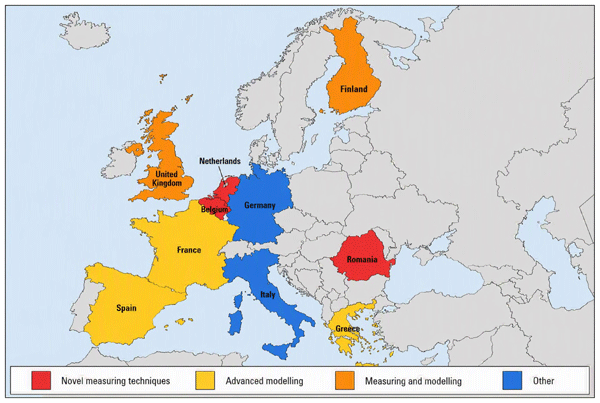
Dimitrios Bousiotis, Francis D. Pope, Jelle Hofman, Martine Van Poppel, Jules Kerckhoffs, and Roy M. Harrison
Atmos. Meas. Tech., 19, 5729–5751, https://doi.org/10.5194/amt-19-5729-2026, https://doi.org/10.5194/amt-19-5729-2026, 2026
Short summary
Short summary
This study explores new ways to better understand urban air pollution by combining traditional monitoring with portable sensors, mobile measurements, and public participation. Using European city case studies, the research shows that these approaches can identify pollution hotspots in greater detail and make air quality information more accessible to communities and decision-makers. The work highlights how improved monitoring supports healthier cities and more effective environmental policies.
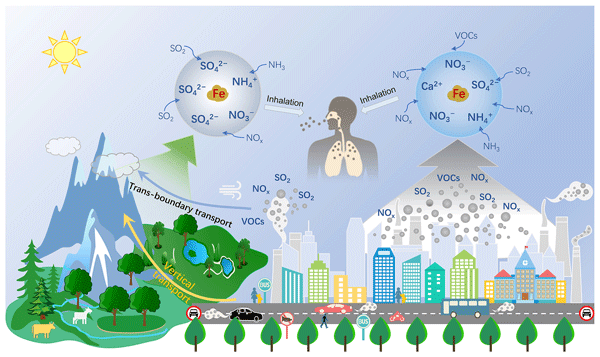
Guochen Wang, Xuedong Cui, Bingye Xu, Can Wu, Minkang Zhi, Keliang Li, Liang Xu, Qi Yuan, Yuntao Wang, Yele Sun, Zongbo Shi, Akinori Ito, Shixian Zhai, and Weijun Li
Atmos. Chem. Phys., 26, 1483–1496, https://doi.org/10.5194/acp-26-1483-2026, https://doi.org/10.5194/acp-26-1483-2026, 2026
Short summary
Short summary
Iron acidification process is primarily driven by sulphuric acid in the upper mixing layer different from nitric acid at the ground-level. Enhanced atmospheric aging process contributes to high iron solubility in the upper mixing layer. Numerical models should consider vertical variations in iron dissolution to improve simulation accuracy.
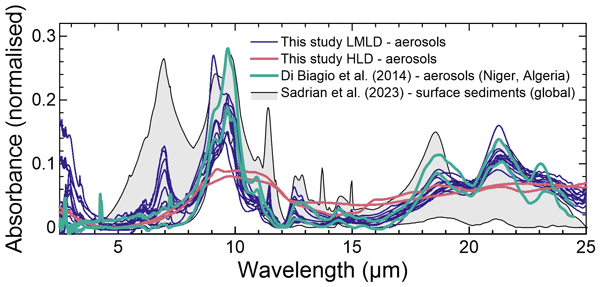
Claudia Di Biagio, Elisa Bru, Avila Orta, Servanne Chevaillier, Clarissa Baldo, Antonin Bergé, Mathieu Cazaunau, Sandra Lafon, Sophie Nowak, Edouard Pangui, Meinrat O. Andreae, Pavla Dagsson-Waldhauserova, Kebonyethata Dintwe, Konrad Kandler, James S. King, Amelie Chaput, Gregory S. Okin, Stuart Piketh, Thuraya Saeed, David Seibert, Zongbo Shi, Earle Williams, Pasquale Sellitto, and Paola Formenti
Atmos. Chem. Phys., 26, 1079–1091, https://doi.org/10.5194/acp-26-1079-2026, https://doi.org/10.5194/acp-26-1079-2026, 2026
Short summary
Short summary
Spectroscopy measurements show that the absorbance of dust in the far-infrared up to 25 µm is comparable in intensity to that in the mid-infrared (3–15 µm) suggesting possible relevance for its direct radiative effect. Absorption signatures differ between Icelandic and low/mid-latitude dust due to differences in mineralogical composition. Spectral differences could be used to characterise the mineralogy and trace the origin of airborne dust based on infrared remote sensing observations.
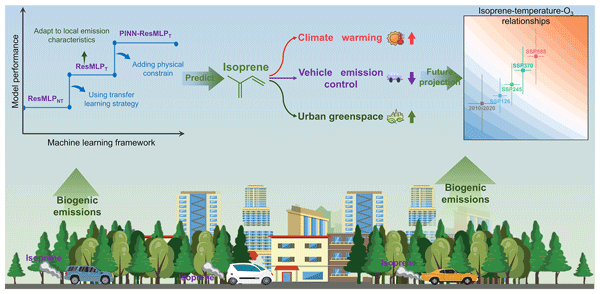
Song Liu, Xiaopu Lyu, Fumo Yang, Zongbo Shi, Xin Huang, Tengyu Liu, Hongli Wang, Mei Li, Jian Gao, Nan Chen, Guoliang Shi, Yu Zou, Chenglei Pei, Chengxu Tong, Xinyi Liu, Li Zhou, Alex B. Guenther, and Nan Wang
Atmos. Chem. Phys., 26, 635–646, https://doi.org/10.5194/acp-26-635-2026, https://doi.org/10.5194/acp-26-635-2026, 2026
Short summary
Short summary
We studied the invisible gas isoprene, which trees and vehicles release into the air and which can worsen urban smog. Using advanced computer learning trained on measurements from many cities, we uncovered how temperature, sunlight, and city greening shape isoprene levels. Comparing Hong Kong and London, we found climate warming boosts isoprene and future ozone pollution, but strong cuts in anthropogenic emission could limit this impact.
Yuqing Dai, Bowen Liu, Chengxu Tong, David C. Carslaw, A. Robert MacKenzie, and Zongbo Shi
Atmos. Chem. Phys., 25, 13585–13596, https://doi.org/10.5194/acp-25-13585-2025, https://doi.org/10.5194/acp-25-13585-2025, 2025
Short summary
Short summary
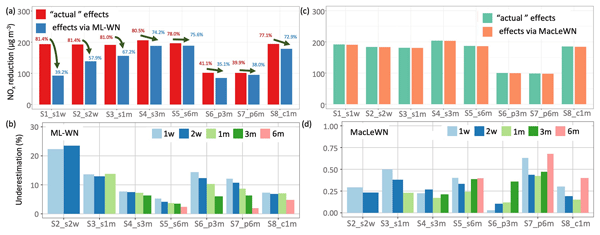
Air pollution causes millions of deaths annually, driving policies to improve air quality. However, assessing these policies is challenging because weather changes can hide their true impact. We created a logical evaluation framework and found that a widely applied machine learning approach that adjusts for weather effects could underestimate the effectiveness of short-term policies, like emergency traffic controls. We proposed a refined approach that could largely reduce such underestimation.
Jishnu Pandamkulangara Kizhakkethil, Zongbo Shi, Anna Bogush, and Ivan Kourtchev
Atmos. Chem. Phys., 25, 5947–5958, https://doi.org/10.5194/acp-25-5947-2025, https://doi.org/10.5194/acp-25-5947-2025, 2025
Short summary
Short summary
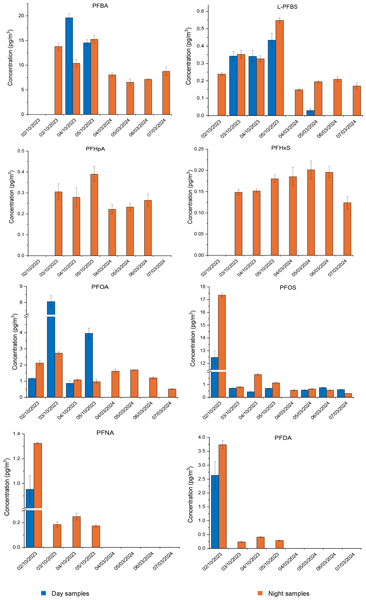
Pollution with per- and polyfluoroalkyl substances (PFAS) has received attention due to their environmental persistence and bioaccumulation, but their sources remain poorly understood. PM10 (particulate matter) collected above a scaled-down activated sludge tank treating domestic sewage in the UK was analysed for a range of short-, medium-, and long-chain PFAS. Eight PFAS were detected in the PM10. Our results suggest that wastewater treatment processes, i.e. activated sludge aeration, could aerosolise PFAS into airborne PM.
Xiansheng Liu, Xun Zhang, Marvin Dufresne, Tao Wang, Lijie Wu, Rosa Lara, Roger Seco, Marta Monge, Ana Maria Yáñez-Serrano, Marie Gohy, Paul Petit, Audrey Chevalier, Marie-Pierre Vagnot, Yann Fortier, Alexia Baudic, Véronique Ghersi, Grégory Gille, Ludovic Lanzi, Valérie Gros, Leïla Simon, Heidi Héllen, Stefan Reimann, Zoé Le Bras, Michelle Jessy Müller, David Beddows, Siqi Hou, Zongbo Shi, Roy M. Harrison, William Bloss, James Dernie, Stéphane Sauvage, Philip K. Hopke, Xiaoli Duan, Taicheng An, Alastair C. Lewis, James R. Hopkins, Eleni Liakakou, Nikolaos Mihalopoulos, Xiaohu Zhang, Andrés Alastuey, Xavier Querol, and Thérèse Salameh
Atmos. Chem. Phys., 25, 625–638, https://doi.org/10.5194/acp-25-625-2025, https://doi.org/10.5194/acp-25-625-2025, 2025
Short summary
Short summary
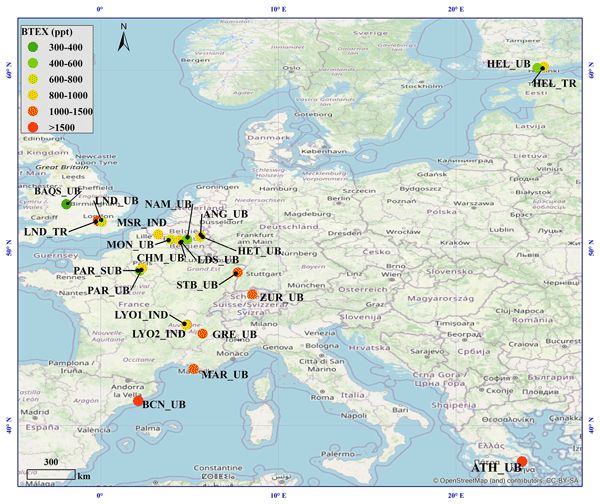
This study examines BTEX (benzene, toluene, ethylbenzene, xylenes) pollution in urban areas across seven European countries. Analyzing data from 22 monitoring sites, we found traffic and industrial activities significantly impact BTEX levels, with peaks during rush hours. The risk from BTEX exposure remains moderate, especially in high-traffic and industrial zones, highlighting the need for targeted air quality management to protect public health and improve urban air quality.
Alex Rowell, James Brean, David C. S. Beddows, Zongbo Shi, Avinash Kumar, Matti Rissanen, Miikka Dal Maso, Peter Mettke, Kay Weinhold, Maik Merkel, and Roy M. Harrison
Atmos. Chem. Phys., 24, 10349–10361, https://doi.org/10.5194/acp-24-10349-2024, https://doi.org/10.5194/acp-24-10349-2024, 2024
Short summary
Short summary
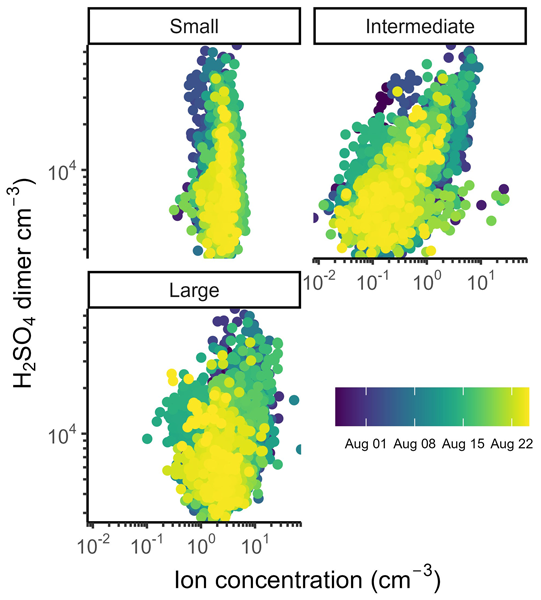
Ions enhance the formation and growth rates of new particles, affecting the Earth's radiation budget. Despite these effects, there is little published data exploring the sources of ions in the urban environment and their role in new particle formation (NPF). Here we show that natural ion sources dominate in urban environments, while traffic is a secondary source. Ions contribute up to 12.7 % of the formation rate of particles, indicating that they are important for forming urban PM.
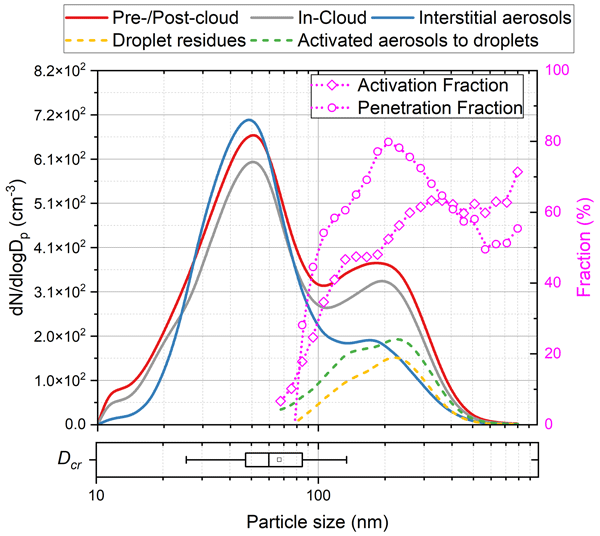
Romanos Foskinis, Ghislain Motos, Maria I. Gini, Olga Zografou, Kunfeng Gao, Stergios Vratolis, Konstantinos Granakis, Ville Vakkari, Kalliopi Violaki, Andreas Aktypis, Christos Kaltsonoudis, Zongbo Shi, Mika Komppula, Spyros N. Pandis, Konstantinos Eleftheriadis, Alexandros Papayannis, and Athanasios Nenes
Atmos. Chem. Phys., 24, 9827–9842, https://doi.org/10.5194/acp-24-9827-2024, https://doi.org/10.5194/acp-24-9827-2024, 2024
Short summary
Short summary
Analysis of modeling, in situ, and remote sensing measurements reveals the microphysical state of orographic clouds and their response to aerosol from the boundary layer and free troposphere. We show that cloud response to aerosol is robust, as predicted supersaturation and cloud droplet number levels agree with those determined from in-cloud measurements. The ability to determine if clouds are velocity- or aerosol-limited allows for novel model constraints and remote sensing products.
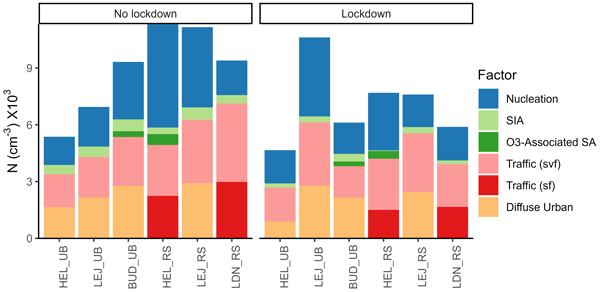
Alex Rowell, James Brean, David C. S. Beddows, Tuukka Petäjä, Máté Vörösmarty, Imre Salma, Jarkko V. Niemi, Hanna E. Manninen, Dominik van Pinxteren, Thomas Tuch, Kay Weinhold, Zongbo Shi, and Roy M. Harrison
Atmos. Chem. Phys., 24, 9515–9531, https://doi.org/10.5194/acp-24-9515-2024, https://doi.org/10.5194/acp-24-9515-2024, 2024
Short summary
Short summary
Different sources of airborne particles in the atmospheres of four European cities were distinguished by recognising their particle size distributions using a statistical procedure, positive matrix factorisation. The various sources responded differently to the changes in emissions associated with COVID-19 lockdowns, and the reasons are investigated. While traffic emissions generally decreased, particles formed from reactions of atmospheric gases decreased in some cities but increased in others.
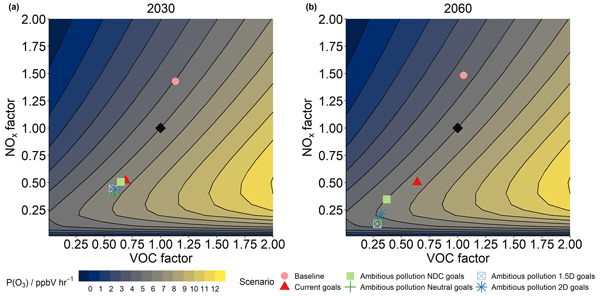
Beth S. Nelson, Zhenze Liu, Freya A. Squires, Marvin Shaw, James R. Hopkins, Jacqueline F. Hamilton, Andrew R. Rickard, Alastair C. Lewis, Zongbo Shi, and James D. Lee
Atmos. Chem. Phys., 24, 9031–9044, https://doi.org/10.5194/acp-24-9031-2024, https://doi.org/10.5194/acp-24-9031-2024, 2024
Short summary
Short summary
The impact of combined air quality and carbon neutrality policies on O3 formation in Beijing was investigated. Emissions inventory data were used to estimate future pollutant mixing ratios relative to ground-level observations. O3 production was found to be most sensitive to changes in alkenes, but large reductions in less reactive compounds led to larger reductions in future O3 production. This study highlights the importance of understanding the emissions of organic pollutants.
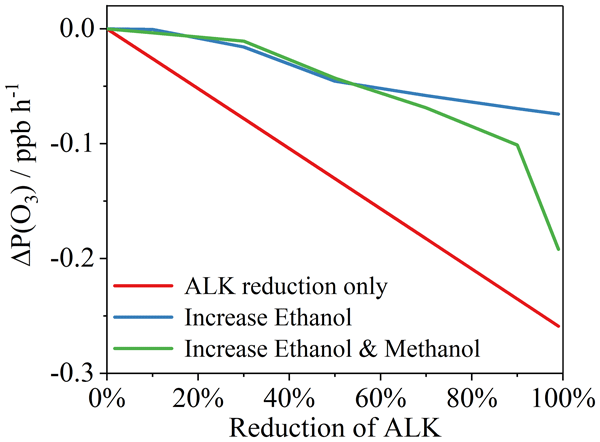
Jianghao Li, Alastair C. Lewis, Jim R. Hopkins, Stephen J. Andrews, Tim Murrells, Neil Passant, Ben Richmond, Siqi Hou, William J. Bloss, Roy M. Harrison, and Zongbo Shi
Atmos. Chem. Phys., 24, 6219–6231, https://doi.org/10.5194/acp-24-6219-2024, https://doi.org/10.5194/acp-24-6219-2024, 2024
Short summary
Short summary
A summertime ozone event at an urban site in Birmingham is sensitive to volatile organic compounds (VOCs) – particularly those of oxygenated VOCs. The roles of anthropogenic VOC sources in urban ozone chemistry are examined by integrating the 1990–2019 national atmospheric emission inventory into model scenarios. Road transport remains the most powerful means of further reducing ozone in this case study, but the benefits may be offset if solvent emissions of VOCs continue to increase.
Adolfo González-Romero, Cristina González-Flórez, Agnesh Panta, Jesús Yus-Díez, Cristina Reche, Patricia Córdoba, Natalia Moreno, Andres Alastuey, Konrad Kandler, Martina Klose, Clarissa Baldo, Roger N. Clark, Zongbo Shi, Xavier Querol, and Carlos Pérez García-Pando
Atmos. Chem. Phys., 23, 15815–15834, https://doi.org/10.5194/acp-23-15815-2023, https://doi.org/10.5194/acp-23-15815-2023, 2023
Short summary
Short summary
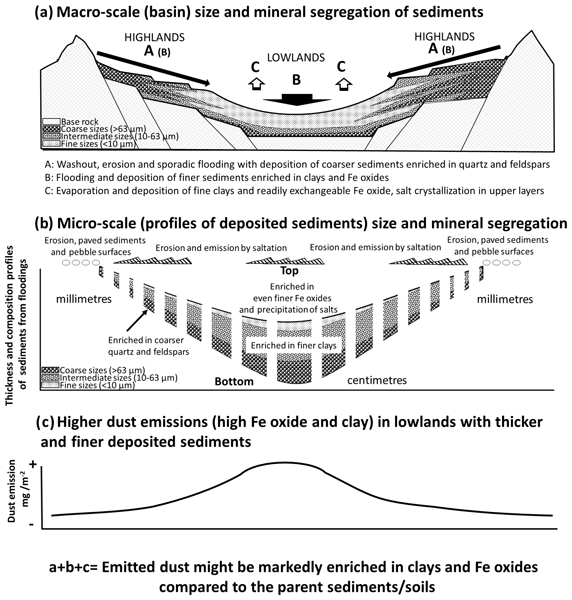
The effect of dust emitted from desertic surfaces upon climate and ecosystems depends on size and mineralogy, but data from soil mineral atlases of desert soils are scarce. We performed particle-size distribution, mineralogy, and Fe speciation in southern Morocco. Results show coarser particles with high quartz proportion are near the elevated areas, while in depressed areas, sizes are finer, and proportions of clays and nano-Fe oxides are higher. This difference is important for dust modelling.
Sophie A. Mills, Adam Milsom, Christian Pfrang, A. Rob MacKenzie, and Francis D. Pope
Atmos. Meas. Tech., 16, 4885–4898, https://doi.org/10.5194/amt-16-4885-2023, https://doi.org/10.5194/amt-16-4885-2023, 2023
Short summary
Short summary
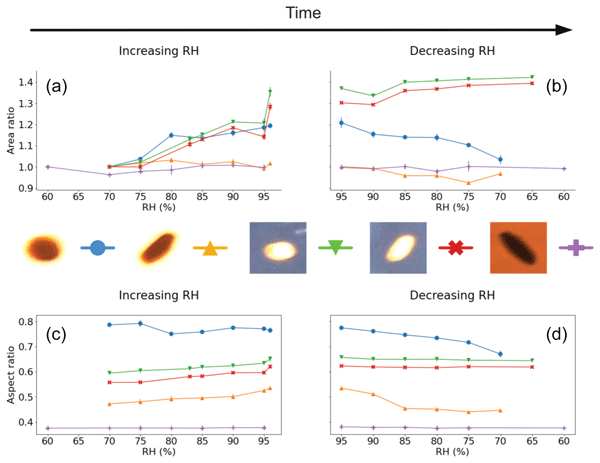
Pollen grains are important components of the atmosphere and have the potential to impact upon cloud processes via their ability to help in the formation of rain droplets. This study investigates the hygroscopicity of two different pollen species using an acoustic levitator. Pollen grains are levitated, and their response to changes in relative humidity is investigated. A key advantage of this method is that it is possible study pollen shape under varying environmental conditions.
Clarissa Baldo, Paola Formenti, Claudia Di Biagio, Gongda Lu, Congbo Song, Mathieu Cazaunau, Edouard Pangui, Jean-Francois Doussin, Pavla Dagsson-Waldhauserova, Olafur Arnalds, David Beddows, A. Robert MacKenzie, and Zongbo Shi
Atmos. Chem. Phys., 23, 7975–8000, https://doi.org/10.5194/acp-23-7975-2023, https://doi.org/10.5194/acp-23-7975-2023, 2023
Short summary
Short summary
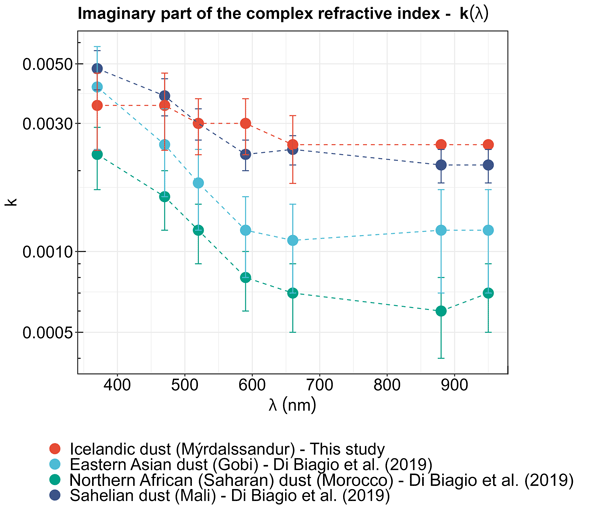
This paper presents new shortwave spectral complex refractive index and single scattering albedo data for Icelandic dust. Our results show that the imaginary part of the complex refractive index of Icelandic dust is at the upper end of the range of low-latitude dust. Furthermore, we observed that Icelandic dust is more absorbing towards the near-infrared, which we attribute to its high magnetite content. These findings are important for modeling dust aerosol radiative effects in the Arctic.
Joanna E. Dyson, Lisa K. Whalley, Eloise J. Slater, Robert Woodward-Massey, Chunxiang Ye, James D. Lee, Freya Squires, James R. Hopkins, Rachel E. Dunmore, Marvin Shaw, Jacqueline F. Hamilton, Alastair C. Lewis, Stephen D. Worrall, Asan Bacak, Archit Mehra, Thomas J. Bannan, Hugh Coe, Carl J. Percival, Bin Ouyang, C. Nicholas Hewitt, Roderic L. Jones, Leigh R. Crilley, Louisa J. Kramer, W. Joe F. Acton, William J. Bloss, Supattarachai Saksakulkrai, Jingsha Xu, Zongbo Shi, Roy M. Harrison, Simone Kotthaus, Sue Grimmond, Yele Sun, Weiqi Xu, Siyao Yue, Lianfang Wei, Pingqing Fu, Xinming Wang, Stephen R. Arnold, and Dwayne E. Heard
Atmos. Chem. Phys., 23, 5679–5697, https://doi.org/10.5194/acp-23-5679-2023, https://doi.org/10.5194/acp-23-5679-2023, 2023
Short summary
Short summary
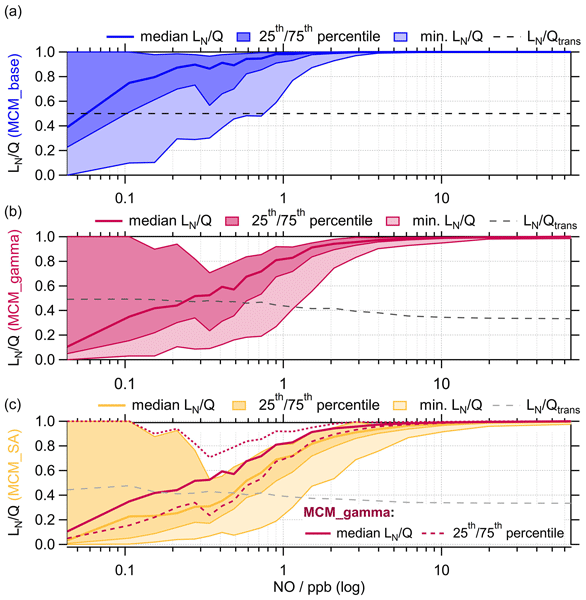
The hydroxyl (OH) and closely coupled hydroperoxyl (HO2) radicals are vital for their role in the removal of atmospheric pollutants. In less polluted regions, atmospheric models over-predict HO2 concentrations. In this modelling study, the impact of heterogeneous uptake of HO2 onto aerosol surfaces on radical concentrations and the ozone production regime in Beijing in the summertime is investigated, and the implications for emissions policies across China are considered.
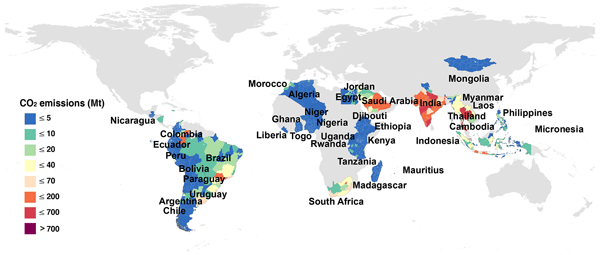
Can Cui, Shuping Li, Weichen Zhao, Binyuan Liu, Yuli Shan, and Dabo Guan
Earth Syst. Sci. Data, 15, 1317–1328, https://doi.org/10.5194/essd-15-1317-2023, https://doi.org/10.5194/essd-15-1317-2023, 2023
Short summary
Short summary
Emerging economies face challenges regarding net-zero targets: inconsistencies in accounting calibers, missing raw data, non-transparent accounting methods, and a lack of detail about emissions. The authors established an accounting framework and compiled detailed inventories of energy-related CO2 emissions in 40 emerging economies, covering 47 sectors and eight energy types. The dataset will support emission reduction policymaking at global, national, and subnational levels.
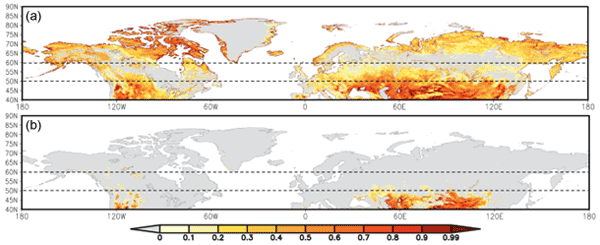
Outi Meinander, Pavla Dagsson-Waldhauserova, Pavel Amosov, Elena Aseyeva, Cliff Atkins, Alexander Baklanov, Clarissa Baldo, Sarah L. Barr, Barbara Barzycka, Liane G. Benning, Bojan Cvetkovic, Polina Enchilik, Denis Frolov, Santiago Gassó, Konrad Kandler, Nikolay Kasimov, Jan Kavan, James King, Tatyana Koroleva, Viktoria Krupskaya, Markku Kulmala, Monika Kusiak, Hanna K. Lappalainen, Michał Laska, Jerome Lasne, Marek Lewandowski, Bartłomiej Luks, James B. McQuaid, Beatrice Moroni, Benjamin Murray, Ottmar Möhler, Adam Nawrot, Slobodan Nickovic, Norman T. O’Neill, Goran Pejanovic, Olga Popovicheva, Keyvan Ranjbar, Manolis Romanias, Olga Samonova, Alberto Sanchez-Marroquin, Kerstin Schepanski, Ivan Semenkov, Anna Sharapova, Elena Shevnina, Zongbo Shi, Mikhail Sofiev, Frédéric Thevenet, Throstur Thorsteinsson, Mikhail Timofeev, Nsikanabasi Silas Umo, Andreas Uppstu, Darya Urupina, György Varga, Tomasz Werner, Olafur Arnalds, and Ana Vukovic Vimic
Atmos. Chem. Phys., 22, 11889–11930, https://doi.org/10.5194/acp-22-11889-2022, https://doi.org/10.5194/acp-22-11889-2022, 2022
Short summary
Short summary
High-latitude dust (HLD) is a short-lived climate forcer, air pollutant, and nutrient source. Our results suggest a northern HLD belt at 50–58° N in Eurasia and 50–55° N in Canada and at >60° N in Eurasia and >58° N in Canada. Our addition to the previously identified global dust belt (GDB) provides crucially needed information on the extent of active HLD sources with both direct and indirect impacts on climate and environment in remote regions, which are often poorly understood and predicted.
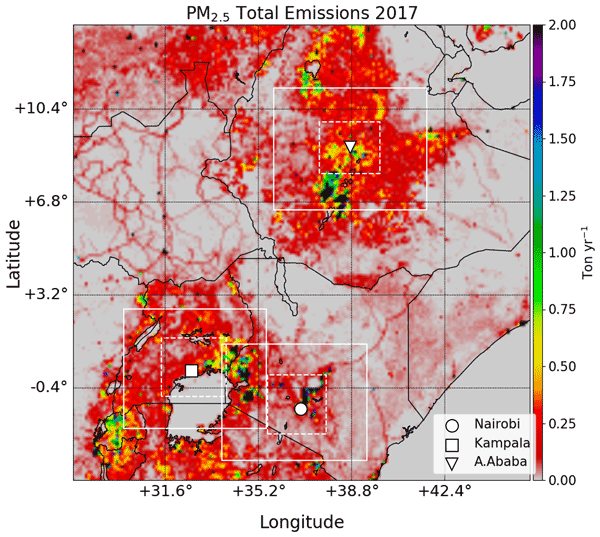
Andrea Mazzeo, Michael Burrow, Andrew Quinn, Eloise A. Marais, Ajit Singh, David Ng'ang'a, Michael J. Gatari, and Francis D. Pope
Atmos. Chem. Phys., 22, 10677–10701, https://doi.org/10.5194/acp-22-10677-2022, https://doi.org/10.5194/acp-22-10677-2022, 2022
Short summary
Short summary
A modelling system for meteorology and chemistry transport processes, WRF–CHIMERE, has been tested and validated for three East African conurbations using the most up-to-date anthropogenic emissions available. Results show that the model is able to reproduce hourly and daily temporal variabilities in aerosol concentrations that are close to observations in both urban and rural environments, encouraging the adoption of numerical modelling as a tool for air quality management in East Africa.
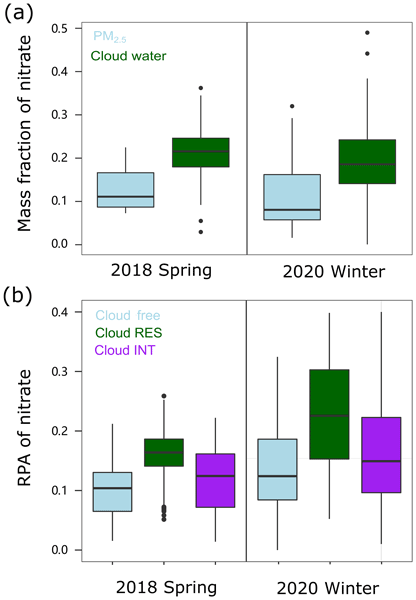
Guohua Zhang, Xiaodong Hu, Wei Sun, Yuxiang Yang, Ziyong Guo, Yuzhen Fu, Haichao Wang, Shengzhen Zhou, Lei Li, Mingjin Tang, Zongbo Shi, Duohong Chen, Xinhui Bi, and Xinming Wang
Atmos. Chem. Phys., 22, 9571–9582, https://doi.org/10.5194/acp-22-9571-2022, https://doi.org/10.5194/acp-22-9571-2022, 2022
Short summary
Short summary
We show a significant enhancement of nitrate mass fraction in cloud water and relative intensity of nitrate in the cloud residual particles and highlight that hydrolysis of N2O5 serves as the critical route for the in-cloud formation of nitrate, even during the daytime. Given that N2O5 hydrolysis acts as a major sink of NOx in the atmosphere, further model updates may improve our understanding about the processes contributing to nitrate production in cloud and the cycling of odd nitrogen.
Dimitrios Bousiotis, David C. S. Beddows, Ajit Singh, Molly Haugen, Sebastián Diez, Pete M. Edwards, Adam Boies, Roy M. Harrison, and Francis D. Pope
Atmos. Meas. Tech., 15, 4047–4061, https://doi.org/10.5194/amt-15-4047-2022, https://doi.org/10.5194/amt-15-4047-2022, 2022
Short summary
Short summary
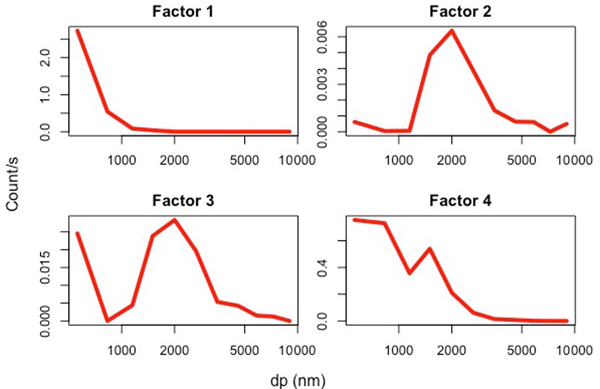
In the last decade, low-cost sensors have revolutionised the field of air quality monitoring. This paper extends the ability of low-cost sensors to not only measure air pollution, but also to understand where the pollution comes from. This "source apportionment" is a critical step in air quality management to allow for the mitigation of air pollution. The techniques developed in this paper have the potential for great impact in both research and industrial applications.
Shipra Jain, Ruth M. Doherty, David Sexton, Steven Turnock, Chaofan Li, Zixuan Jia, Zongbo Shi, and Lin Pei
Atmos. Chem. Phys., 22, 7443–7460, https://doi.org/10.5194/acp-22-7443-2022, https://doi.org/10.5194/acp-22-7443-2022, 2022
Short summary
Short summary
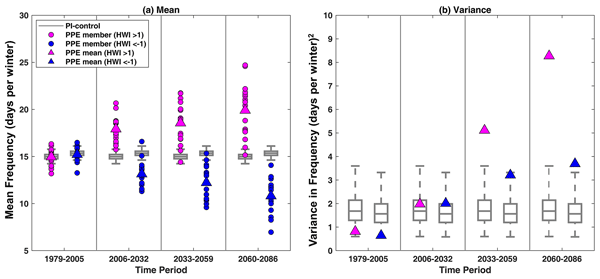
We provide a range of future projections of winter haze and clear conditions over the North China Plain (NCP) using multiple simulations from a climate model for the high-emission scenario (RCP8.5). The frequency of haze conducive weather is likely to increase whereas the frequency of clear weather is likely to decrease in future. The total number of hazy days for a given winter can be as much as ˜3.5 times higher than the number of clear days over the NCP.
Tony Bush, Nick Papaioannou, Felix Leach, Francis D. Pope, Ajit Singh, G. Neil Thomas, Brian Stacey, and Suzanne Bartington
Atmos. Meas. Tech., 15, 3261–3278, https://doi.org/10.5194/amt-15-3261-2022, https://doi.org/10.5194/amt-15-3261-2022, 2022
Short summary
Short summary
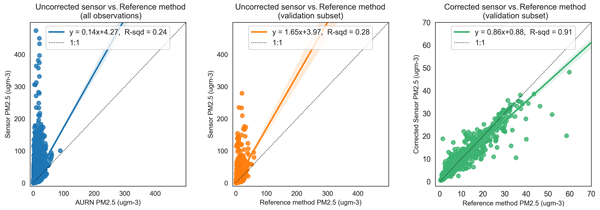
Poor air quality is a human health risk which demands high-spatiotemporal-resolution monitoring data to manage. Low-cost air quality sensors present a convenient pathway to delivering these needs, compared to traditional methods, but bring methodological challenges which can limit operational ability. In this study within Oxford, UK, we develop machine learning methods to improve the quality of low-cost sensors for NO2, PM10 (particulate matter) and PM2.5 and demonstrate their effectiveness.
Aileen B. Baird, Edward J. Bannister, A. Robert MacKenzie, and Francis D. Pope
Biogeosciences, 19, 2653–2669, https://doi.org/10.5194/bg-19-2653-2022, https://doi.org/10.5194/bg-19-2653-2022, 2022
Short summary
Short summary
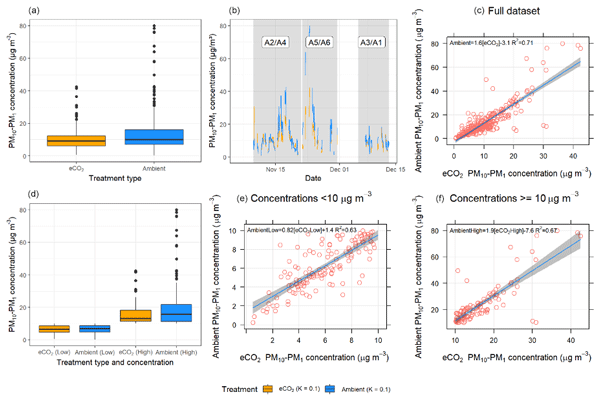
Forest environments contain a wide variety of airborne biological particles (bioaerosols) important for plant and animal health and biosphere–atmosphere interactions. Using low-cost sensors and a free-air carbon dioxide enrichment (FACE) experiment, we monitor the impact of enhanced CO2 on airborne particles. No effect of the enhanced CO2 treatment on total particle concentrations was observed, but a potential suppression of high concentration bioaerosol events was detected under enhanced CO2.
Clarissa Baldo, Akinori Ito, Michael D. Krom, Weijun Li, Tim Jones, Nick Drake, Konstantin Ignatyev, Nicholas Davidson, and Zongbo Shi
Atmos. Chem. Phys., 22, 6045–6066, https://doi.org/10.5194/acp-22-6045-2022, https://doi.org/10.5194/acp-22-6045-2022, 2022
Short summary
Short summary
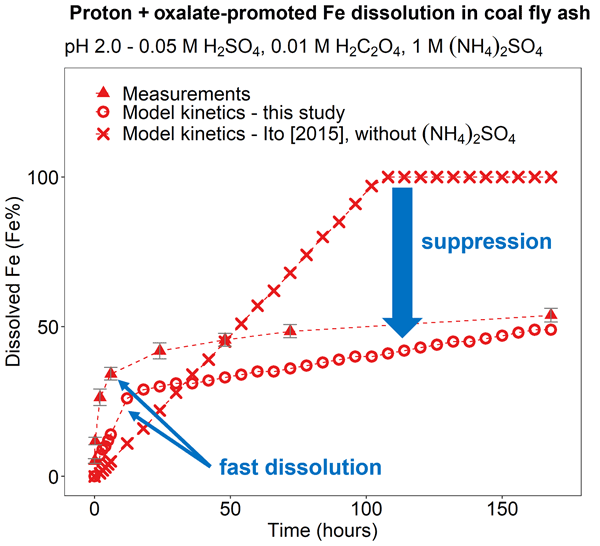
High ionic strength relevant to the aerosol-water enhanced proton-promoted dissolution of iron in coal fly ash (up to 7 times) but suppressed oxalate-promoted dissolution at low pH (< 3). Fe in coal fly ash dissolved up to 7 times faster than in Saharan dust at low pH. A global model with the updated dissolution rates of iron in coal fly ash suggested a larger contribution of pyrogenic dissolved Fe over regions with a strong impact from fossil fuel combustions.
Ülkü Alver Şahin, Roy M. Harrison, Mohammed S. Alam, David C. S. Beddows, Dimitrios Bousiotis, Zongbo Shi, Leigh R. Crilley, William Bloss, James Brean, Isha Khanna, and Rulan Verma
Atmos. Chem. Phys., 22, 5415–5433, https://doi.org/10.5194/acp-22-5415-2022, https://doi.org/10.5194/acp-22-5415-2022, 2022
Short summary
Short summary
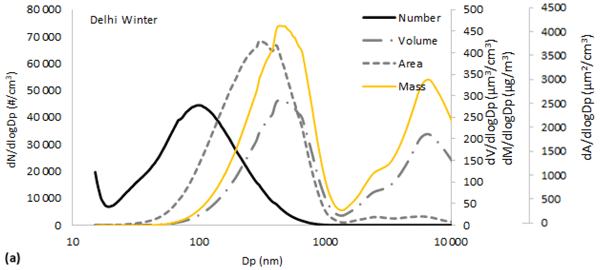
Wide-range particle size spectra have been measured in three seasons in Delhi and are interpreted in terms of sources and processes. Condensational growth is a major feature of the fine fraction, and a coarse fraction contributes substantially – but only in summer.
Yanhong Zhu, Weijun Li, Yue Wang, Jian Zhang, Lei Liu, Liang Xu, Jingsha Xu, Jinhui Shi, Longyi Shao, Pingqing Fu, Daizhou Zhang, and Zongbo Shi
Atmos. Chem. Phys., 22, 2191–2202, https://doi.org/10.5194/acp-22-2191-2022, https://doi.org/10.5194/acp-22-2191-2022, 2022
Short summary
Short summary
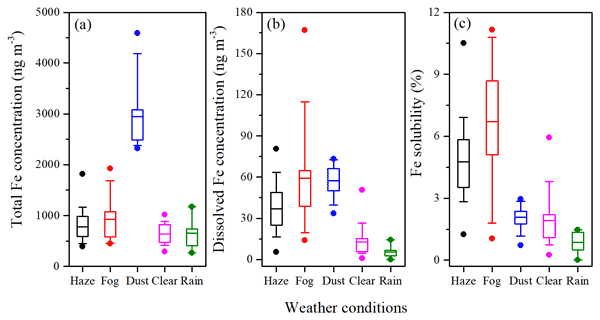
The solubilities of iron in fine particles in a megacity in Eastern China were studied under haze, fog, dust, clear, and rain weather conditions. For the first time, a receptor model was used to quantify the sources of dissolved and total iron aerosol. Microscopic analysis further confirmed the aging of iron aerosol during haze and fog conditions that facilitated dissolution of insoluble iron.
Yingze Tian, Xiaoning Wang, Peng Zhao, Zongbo Shi, and Roy M. Harrison
Atmos. Chem. Phys. Discuss., https://doi.org/10.5194/acp-2021-1007, https://doi.org/10.5194/acp-2021-1007, 2022
Revised manuscript not accepted
Short summary
Short summary
Chemical mass balance (CMB) is a widely used method to apportion the sources of PM2.5. We explore the sensitivity of CMB results to input data of organic markers only (OM-CMB) with a combination of organic and inorganic markers (IOM-CMB), as well as using different chemical profiles for sources. Our results indicate the superiority of combining inorganic and organic tracers and using locally-relevant source profiles in source apportionment of PM.

Leigh R. Crilley, Louisa J. Kramer, Francis D. Pope, Chris Reed, James D. Lee, Lucy J. Carpenter, Lloyd D. J. Hollis, Stephen M. Ball, and William J. Bloss
Atmos. Chem. Phys., 21, 18213–18225, https://doi.org/10.5194/acp-21-18213-2021, https://doi.org/10.5194/acp-21-18213-2021, 2021
Short summary
Short summary
Nitrous acid (HONO) is a key source of atmospheric oxidants. We evaluate if the ocean surface is a source of HONO for the marine boundary layer, using measurements from two contrasting coastal locations. We observed no evidence for a night-time ocean surface source, in contrast to previous work. This points to significant geographical variation in the predominant HONO formation mechanisms in marine environments, reflecting possible variability in the sea-surface microlayer composition.
Cited articles
Aix, M.-L., Schmitz, S., and Bicout, D. J.: Calibration methodology of low-cost sensors for high-quality monitoring of fine particulate matter, Sci. Total Environ., 889, 164063, https://doi.org/10.1016/j.scitotenv.2023.164063, 2023.
Cowell, N., Chapman, L., Bloss, W., Srivastava, D., Bartington, S., and Singh, A.: Particulate matter in a lockdown home: evaluation, calibration, results and health risk from an IoT enabled low-cost sensor network for residential air quality monitoring, Environ. Sci. Atmos., 3, 65–84, https://doi.org/10.1039/d2ea00124a, 2023.
Crilley, L. R., Singh, A., Kramer, L. J., Shaw, M. D., Alam, M. S., Apte, J. S., Bloss, W. J., Hildebrandt Ruiz, L., Fu, P., Fu, W., Gani, S., Gatari, M., Ilyinskaya, E., Lewis, A. C., Ng'ang'a, D., Sun, Y., Whitty, R. C. W., Yue, S., Young, S., and Pope, F. D.: Effect of aerosol composition on the performance of low-cost optical particle counter correction factors, Atmos. Meas. Tech., 13, 1181–1193, https://doi.org/10.5194/amt-13-1181-2020, 2020.
Hagan, D. H. and Kroll, J. H.: Assessing the accuracy of low-cost optical particle sensors using a physics-based approach, Atmos. Meas. Tech., 13, 6343–6355, https://doi.org/10.5194/amt-13-6343-2020, 2020.
Johnson, K. K., Bergin, M. H., Russell, A. G., and Hagler, G. S. W.: Field Test of Several Low-Cost Particulate Matter Sensors in High and Low Concentration Urban Environments, Aerosol Air Qual. Res., 18, 565–578, https://doi.org/10.4209/aaqr.2017.10.0418, 2018.
Kang, J. and Choi, K.: Calibration methods for low-cost particulate matter sensors considering seasonal variability, Sensors, 24, 3023, https://doi.org/10.3390/s24103023, 2024.
Kelly, K. E., Whitaker, J., Petty, A., Widmer, C., Dybwad, A., Sleeth, D., Martin, R., and Butterfield, A.: Ambient and laboratory evaluation of a low-cost particulate matter sensor, Environ. Pollut., 221, 491–500, https://doi.org/10.1016/j.envpol.2016.12.039, 2017.
Kim, S., Park, S., and Lee, J.: Evaluation of performance of inexpensive laser based PM2.5 sensor monitors for typical indoor and outdoor hotspots of South Korea, Appl. Sci., 9, 1947, https://doi.org/10.3390/app9091947, 2019.
Ko, K., Cho, S., and Rao, R. R.: Evaluation of calibration performance of a low-cost particulate matter sensor using collocated and distant NO2, Atmos. Meas. Tech., 17, 3303–3322, https://doi.org/10.5194/amt-17-3303-2024, 2024.
Koehler, K., Wilks, M., Green, T., Rule, A. M., Zamora, M. L., Buehler, C., Datta, A., Gentner, D. R., Putcha, N., and Hansel, N. N.: Evaluation of calibration approaches for indoor deployments of PurpleAir monitors, Atmos. Environ., 310, 119944, https://doi.org/10.1016/j.atmosenv.2023.119944, 2023.
LeDell, E. and Poirier, S.: H2O AutoML: Scalable automatic machine learning, Proceedings of the AutoML Workshop at ICML, https://www.automl.org/wp-content/uploads/2020/07/AutoML_2020_paper_61.pdf (last access: 20 January 2026), 2020.
Levy Zamora, M., Xiong, F., Gentner, D., Kerkez, B., Kohrman-Glaser, J., and Koehler, K.: Field and laboratory evaluations of the low-cost plantower particulate matter sensor, Environ. Sci. Technol., 53, 838–849, https://doi.org/10.1021/acs.est.8b05174, 2018.
Li, J., Li, H., Ma, Y., Wang, Y., Abokifa, A. A., Lu, C., and Biswas, P.: Spatiotemporal distribution of indoor particulate matter concentration with a low-cost sensor network, Build. Environ., 127, 138–147, https://doi.org/10.1016/j.buildenv.2017.11.001, 2018.
Liang, L.: Calibrating low-cost sensors for ambient air monitoring: Techniques, trends, and challenges, Environ. Res., 197, 111163, https://doi.org/10.1016/j.envres.2021.111163, 2021.
Liu, H.-Y., Schneider, P., Haugen, R., and Vogt, M.: Performance assessment of a low-cost PM2.5 sensor for a near four-month period in Oslo, Norway, Atmosphere, 10, 41, https://doi.org/10.3390/atmos10020041, 2019.
Mahajan, S. and Kumar, P.: Evaluation of low-cost sensors for quantitative personal exposure monitoring, Sustain. Cities Soc., 57, 102076, https://doi.org/10.1016/j.scs.2020.102076, 2020.
Mousavi, A. and Wu, J.: Indoor-generated PM2.5 during COVID-19 shutdowns across California: application of the PurpleAir indoor–outdoor low-cost sensor network, Environ. Sci. Technol., 55, 5648–5656, https://doi.org/10.1021/acs.est.0c06937, 2021.
Munir, S., Mayfield, M., Coca, D., Jubb, S. A., and Osammor, O.: Analysing the performance of low-cost air quality sensors, their drivers, relative benefits and calibration in cities—A case study in Sheffield, Environ. Monit. Assess., 191, 1–22, https://doi.org/10.1007/s10661-019-7231-8, 2019.
Nowack, P., Konstantinovskiy, L., Gardiner, H., and Cant, J.: Machine learning calibration of low-cost NO2 and PM10 sensors: non-linear algorithms and their impact on site transferability, Atmos. Meas. Tech., 14, 5637–5655, https://doi.org/10.5194/amt-14-5637-2021, 2021.
Qian, J. and Dai, Y.: DandE9996/sensor_calibration: Enhancing Accuracy of Indoor Air Quality Sensors via Automated Machine Learning Calibration (Sensor_Calibration), Zenodo [code, data set], https://doi.org/10.5281/zenodo.18305879, 2025.
Raysoni, A. U., Pinakana, S. D., Mendez, E., Wladyka, D., Sepielak, K., and Temby, O.: A review of literature on the usage of low-cost sensors to measure particulate matter, Earth, 4, 168–186, https://doi.org/10.3390/earth4010009, 2023.
Villanueva, E., Espezua, S., Castelar, G., Diaz, K., and Ingaroca, E.: Smart multi-sensor calibration of low-cost particulate matter monitors, Sensors, 23, 3776, https://doi.org/10.3390/s23073776, 2023.
Willmott, C. J., Robeson, S. M., and Matsuura, K.: A refined index of model performance, Int. J. Climatol., 32, 2088–2094, https://doi.org/10.1002/joc.2419, 2011.
Xu, X., Hu, K., Zhang, Y., Dong, J., Meng, C., Ma, S., and Liu, Z.: Experimental evaluation of the impact of ventilation on cooking-generated fine particulate matter in a Chinese apartment kitchen and adjacent room, Environ. Pollut., 348, 123821, https://doi.org/10.1016/j.envpol.2024.123821, 2024.
Zaidan, M. A., Motlagh, N. H., Fung, P. L., Khalaf, A. S., Matsumi, Y., Ding, A., Tarkoma, S., Petäjä, T., Kulmala, M., and Hussein, T.: Intelligent air pollution sensors calibration for extreme events and drifts monitoring, IEEE Trans. Ind. Inform., 19, 1366–1379, https://doi.org/10.1109/TII.2022.3151782, 2022.
Zamora, M. L., Buehler, C., Lei, H., Datta, A., Xiong, F., Gentner, D. R., and Koehler, K.: Evaluating the Performance of Using Low-Cost Sensors to Calibrate for Cross-Sensitivities in a Multipollutant Network, ACS ES&T Eng., 2, 780–793, https://doi.org/10.1021/acsestengg.1c00367, 2022.
Zimmerman, N., Presto, A. A., Kumar, S. P. N., Gu, J., Hauryliuk, A., Robinson, E. S., Robinson, A. L., and R. Subramanian: A machine learning calibration model using random forests to improve sensor performance for lower-cost air quality monitoring, Atmos. Meas. Tech., 11, 291–313, https://doi.org/10.5194/amt-11-291-2018, 2018.
Zou, Y., Clark, J. D., and May, A. A.: Laboratory evaluation of the effects of particle size and composition on the performance of integrated devices containing Plantower particle sensors, Aerosol Sci. Technol., 55, 848–858, https://doi.org/10.1080/02786826.2021.1905148, 2021.
Short summary
We developed a multi-stage AutoML (Automated Machine Learning) calibration framework to improve low-cost indoor PM2.5 sensor accuracy. Using chamber tests with varied emission sources, the method corrected drift, humidity effects, and non-linear responses, raising R2 above 0.9 and halving RMSE (Root Mean Square Error). The approach enables reliable, scalable indoor air quality monitoring for research and public health applications.
We developed a multi-stage AutoML (Automated Machine Learning) calibration framework to improve...


