
Articles | Volume 19, issue 6
https://doi.org/10.5194/amt-19-2047-2026
© Author(s) 2026. This work is distributed under
the Creative Commons Attribution 4.0 License.
the Creative Commons Attribution 4.0 License.
https://doi.org/10.5194/amt-19-2047-2026
© Author(s) 2026. This work is distributed under
the Creative Commons Attribution 4.0 License.
the Creative Commons Attribution 4.0 License.
Research article
| 
25 Mar 2026
Research article |
| 25 Mar 2026
| 25 Mar 2026
VOLCANO3 – a Miniaturized Chemiluminescence Ozone Monitor for Drone-Based Measurements in Volcanic Plumes
Maja Rüth
Institute of Environmental Physics, Heidelberg University, Heidelberg, Germany
now at: Institute for Atmospheric and Climate Science, ETH, Zurich, Switzerland
Nicole Bobrowski
CORRESPONDING AUTHOR

Institute of Environmental Physics, Heidelberg University, Heidelberg, Germany
Istituto Nazionale di Geofisica e Vulcanologia, Osservatorio Etneo, Catania, Italy
Ellen Bräutigam
Institute of Environmental Physics, Heidelberg University, Heidelberg, Germany
Alexander Nies
Laboratoire de Physique et Chimie de l'Environnement et de l'Espace, CNRS/University of Orléans, Orléans, France
Jonas Kuhn
Department of Atmospheric and Oceanic Sciences, University of California, Los Angeles, CA, USA
Thorsten Hoffmann
Institute of Inorganic and Analytical Chemistry, Johannes Gutenberg-University, Mainz, Germany
Niklas Karbach
Institute of Inorganic and Analytical Chemistry, Johannes Gutenberg-University, Mainz, Germany
Bastien Geil
Institute of Inorganic and Analytical Chemistry, Johannes Gutenberg-University, Mainz, Germany
Ralph Kleinschek
Institute of Environmental Physics, Heidelberg University, Heidelberg, Germany
Stefan Schmitt
Airyx GmbH, Hans-Bunte-Str. 4, 69123 Heidelberg, Germany
Ulrich Platt
Institute of Environmental Physics, Heidelberg University, Heidelberg, Germany
Related authors
No articles found.
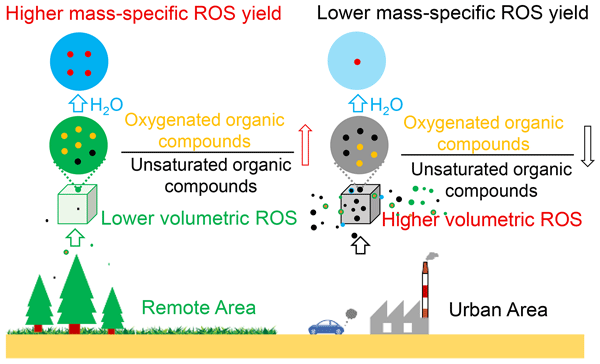
Fobang Liu, Yun Zhang, Siyao Yue, Helmi-Marja K. Keskinen, Tuukka Petäjä, Markku Kulmala, Pingqing Fu, Thorsten Hoffmann, Kai Wang, and Haijie Tong
Atmos. Chem. Phys., 26, 14655–14669, https://doi.org/10.5194/acp-26-14655-2026, https://doi.org/10.5194/acp-26-14655-2026, 2026
Short summary
Short summary
Reactive oxygen species (ROS) produced by airborne particles are linked to adverse health effects, but the organic compounds responsible remain unclear. We developed a new molecular framework to classify complex organic compounds using advanced mass spectrometry. The framework shows that particles rich in oxidized organic compounds produce more ROS per unit mass, while polluted urban air produces more total ROS mainly because of higher particle concentrations.
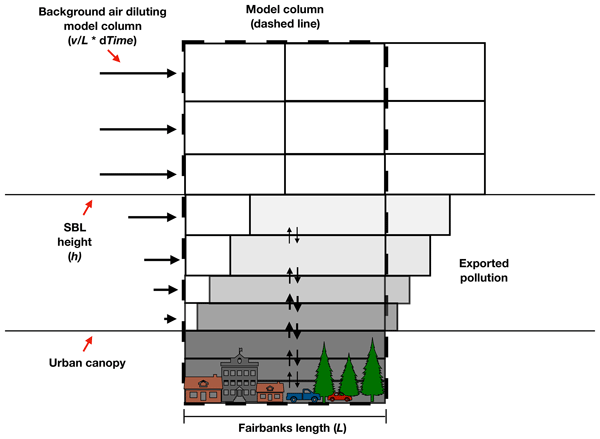
Jochen Stutz, Jonas Kuhn, Sol Cooperdock, Sarah Johnson, Fangzhou Guo, James H. Flynn, Meeta Cesler-Maloney, and William R. Simpson
Atmos. Chem. Phys., 26, 14345–14365, https://doi.org/10.5194/acp-26-14345-2026, https://doi.org/10.5194/acp-26-14345-2026, 2026
Short summary
Short summary
Northern cities often experience periods of wintertime air pollution, which are associated with surface temperature inversions and weak winds. In Fairbanks, Alaska, pollutants accumulate in a 20–40 m high surface layer with SO2 and NO2 mixing ratios of up to 35 and 65 ppb, respectively. This surface pollution is caused by the balance of emissions, chemistry, and inefficient mixing with clean background air. This balance has to be considered for air pollution mitigation strategies.
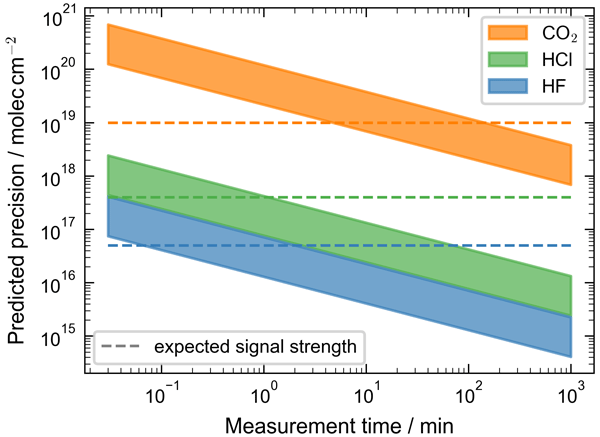
Tobias D. Schmitt, Moritz Sindram, Benedikt A. Löw, Lukas Weis, Ralph Kleinschek, Nicole Bobrowski, and André Butz
Atmos. Meas. Tech., 19, 6145–6157, https://doi.org/10.5194/amt-19-6145-2026, https://doi.org/10.5194/amt-19-6145-2026, 2026
Short summary
Short summary
Monitoring systems for volcanic gases use ultraviolet and visible light, since the sky is brightest there.
We analyzed whether the concept extends to the near-infrared, where CO2 and halogen gases such as hydrogen chloride also absorb.
We find this realistic for the halogen gases at strongly emitting volcanoes, but very difficult for CO2.
We propose pairing it with the ultraviolet instruments already in use.
This could improve our understanding of volcanic processes and eruption risks.
Manuel Henning, Hanlin Zhang, Sheng Ye, Stefan Schmitt, and Mark Wenig
EGUsphere, https://doi.org/10.5194/egusphere-2026-3941, https://doi.org/10.5194/egusphere-2026-3941, 2026
Short summary
Short summary
Air pollution in cities is usually measured at only a few fixed spots, missing how it truly spreads. We placed a network of light-based gas sensors across the university campus in Munich and combined the values using a statistical computer model to map nitrogen dioxide in three dimensions over time. Pollution often builds up in corners and sheltered areas away from the street, suggesting official monitoring stations may underestimate the true exposure to nitrogen dioxide.
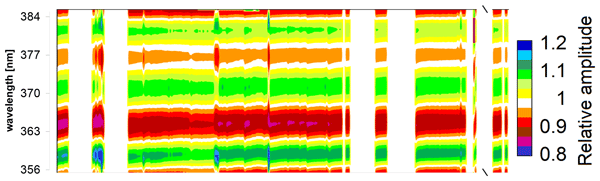
Thomas Wagner, Steffen Beirle, Sebastian Donner, Carl-Fredrik Enell, Myojeong Gu, Bianca Lauster, Ulrich Platt, Janis Pukite, Uwe Raffalski, and Steffen Ziegler
Atmos. Meas. Tech., 19, 4065–4097, https://doi.org/10.5194/amt-19-4065-2026, https://doi.org/10.5194/amt-19-4065-2026, 2026
Short summary
Short summary
The characterisation of spectroscopic properties of Differential Optical Absorption Spectroscopy (DOAS) instruments is important for accurate trace gas retrievals. In this study, we evaluate and extend existing methods for the determination of such properties using high-resolution solar spectra. These methods can be applied to routine observations in the field. Our results and developed techniques are especially important for trend analyses from long-term measurements.
Manuel Henning, Philipp Haim, Stefan Schmitt, Johannes Lampel, Denis Pöhler, and Mark Wenig
EGUsphere, https://doi.org/10.5194/egusphere-2026-2724, https://doi.org/10.5194/egusphere-2026-2724, 2026
Short summary
Short summary
This study presents a Bayesian framework for retrieving vertical NO2 profiles from sparse measurements. By reconstructing a 2+1D spatiotemporal NO2 density field using the NIFTy framework, height profiles are derived from combined long-path DOAS and in-situ measurements during the CINDI-III campaign. The reconstructed fields reproduce key atmospheric features and agree well with independent MAX-DOAS retrievals, demonstrating the feasibility of Bayesian inference for atmospheric tomography.
Patrick Dewald, Tobias Seubert, Laura Wüst, Jan Schuladen, Frank Drewnick, Friederike Fachinger, Thorsten Hoffmann, and John N. Crowley
Atmos. Meas. Tech., 19, 3445–3457, https://doi.org/10.5194/amt-19-3445-2026, https://doi.org/10.5194/amt-19-3445-2026, 2026
Short summary
Short summary
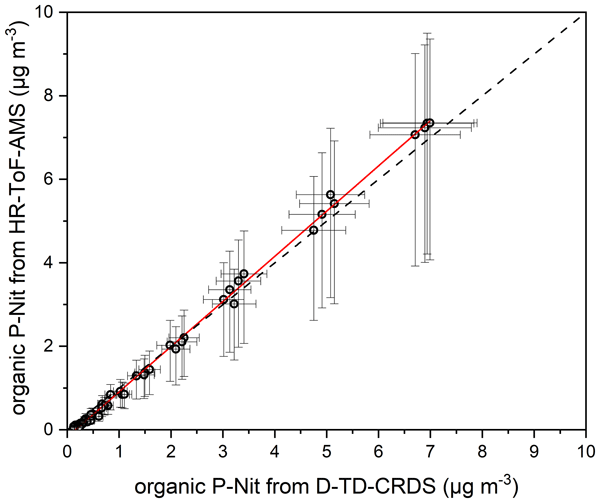
We have developed and tested an instrument that quantitatively detects particulate nitrate. Gas-phase reactive nitrogen species are denuded using an active-carbon surface and particle nitrate is converted to NO2, which is detected using cavity-ringdown-spectroscopy. Key to accurate measurement of particulate nitrate is drying of the sampled air. Excellent agreement with an aerosol-mass-spectrometer indicates that the instrument detects both organic and inorganic nitrate particle mass accurately.
Johannes Degen, Nicole Bobrowski, Mélisende M. Bossard, Lucie Boucher, Huilin Chen, Andreas Engel, Bastien H. Geil, Giovanni B. Giuffrida, Steven van Heuven, Thorsten Hoffmann, Niklas Karbach, Gianluigi Ortenzi, and Tanja J. Schuck
EGUsphere, https://doi.org/10.5194/egusphere-2026-1865, https://doi.org/10.5194/egusphere-2026-1865, 2026
This preprint is open for discussion and under review for Atmospheric Measurement Techniques (AMT).
Short summary
Short summary
Observations in volcanic plumes often rely on Uncrewed Aerial Systems (UAS). In July 2024, we used the active AirCore technique with UAS to probe the plumes of Mount Etna (Italy). This was the first time to use this technique inside volcanic plumes. AirCore samples are stored in long coils for laboratory analyses delivering high-quality trace gas measurements. We observed enhanced mole fractions of CO2 and often also of CO. allowing conclusions on oxidation processes inside the crater.
Niklas Karbach, Pauline Pouyes, Emilie Perraudin, Eric Villenave, and Thorsten Hoffmann
EGUsphere, https://doi.org/10.5194/egusphere-2026-2473, https://doi.org/10.5194/egusphere-2026-2473, 2026
Short summary
Short summary
We investigated the chemical composition of organic aerosol near Paris to distinguish contributions from urban emissions and surrounding biogenic sources. By combining high resolution mass spectrometry with statistical clustering and wind information, we identified clear source specific patterns. Urban influence was associated with sulfur and nitrogen containing compounds, whereas biogenic influence was dominated by oxidized organic compounds.
Vincent Enders, Astrid Müller, Matthias Max Frey, Frank Hase, Ralph Kleinschek, Marvin Knapp, Benedikt Löw, Isamu Morino, Shin-Ichiro Nakaoka, Hideki Nara, Hiroshi Tanimoto, Sanam N. Vardag, Karolin Voss, and André Butz
Atmos. Meas. Tech., 19, 2633–2655, https://doi.org/10.5194/amt-19-2633-2026, https://doi.org/10.5194/amt-19-2633-2026, 2026
Short summary
Short summary
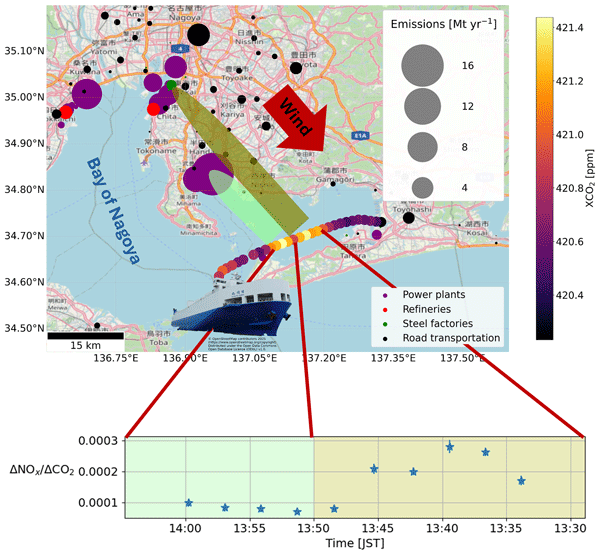
We have deployed two spectrometers on a ship traveling along the coast of Japan. By that, we were able to repeatedly measure the greenhouse gas and air pollutant emissions of power plants, large industrial facilities, and cities. Using the ratios between the different gases, we are able to identify sources based on their unique signature. In addition, we are able to show that spectrometers can be operated on a ship, while still fulfilling the high standards of land-based observation networks.
Denis Leppla, Stefanie Hildmann, Nora Zannoni, Leslie A. Kremper, Bruna A. Holanda, Jonathan Williams, Christopher Pöhlker, Stefan Wolff, Marta Sà, Maria Christina Solci, Ulrich Pöschl, and Thorsten Hoffmann
Atmos. Chem. Phys., 26, 365–390, https://doi.org/10.5194/acp-26-365-2026, https://doi.org/10.5194/acp-26-365-2026, 2026
Short summary
Short summary
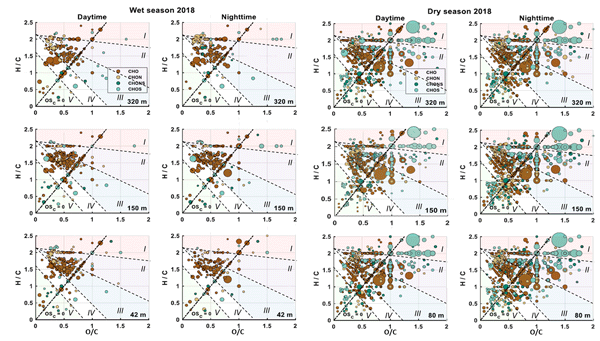
The chemical composition of organic particles in the Amazon rainforest was investigated to understand how biogenic and human emissions influence the atmosphere in this unique ecosystem. Seasonal patterns were found where wet seasons were dominated by biogenic compounds from natural sources while dry seasons showed increased fire-related pollutants. These findings reveal how emissions, fires and long-range transport affect atmospheric chemistry, with implications for climate models.
Jackson Seymore, Miklós Szakáll, Alexander Theis, Subir K. Mitra, Christine Borchers, and Thorsten Hoffmann
Atmos. Chem. Phys., 25, 18249–18265, https://doi.org/10.5194/acp-25-18249-2025, https://doi.org/10.5194/acp-25-18249-2025, 2025
Short summary
Short summary
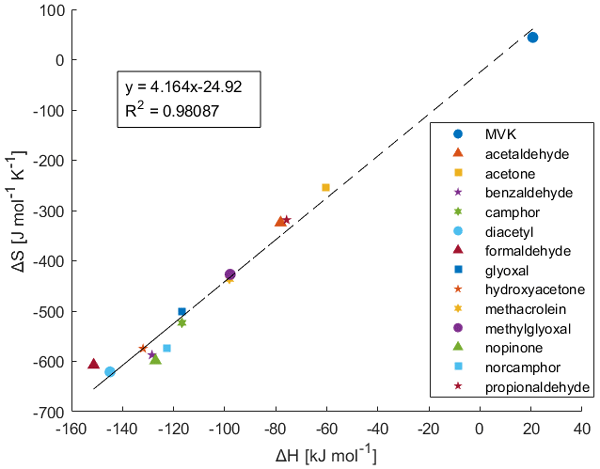
Laboratory studies examined carbonyl deposition into ice crystals using a flowtube setup. Ice crystals were grown under conditions that mimic cirrus clouds in the presence of carbonyl vapors. Ice and gas samples were collected and analyzed to calculate ice uptake coefficients for 14 carbonyls at different temperatures. This revealed an inverse relationship between uptake and temperature. Vapor pressure and molar mass were found to be the most significant factors in uptake.
Christine Borchers, Lasse Moormann, Bastien Geil, Niklas Karbach, David Wasserzier, and Thorsten Hoffmann
Atmos. Meas. Tech., 18, 7231–7242, https://doi.org/10.5194/amt-18-7231-2025, https://doi.org/10.5194/amt-18-7231-2025, 2025
Short summary
Short summary
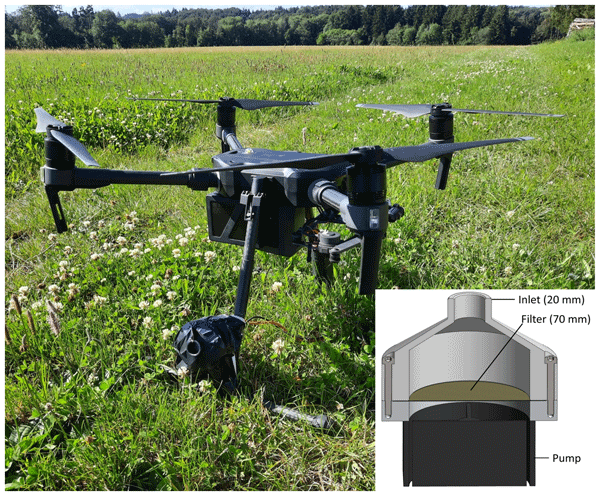
A three-dimensionally printed filter holder is connected to a lightweight, high-performance pump. This sampling system allows for easy and cost-effective measurements of organic aerosols at different heights and locations. By elucidating the chemical composition of organic aerosol, sources and processing of the compounds can be identified. Measurements at different altitudes and times of the day provide insight into the chemical aging and daytime trends of the aerosol particles.
Anna Breuninger, Philipp Joppe, Jonas Wilsch, Cornelis Schwenk, Heiko Bozem, Nicolas Emig, Laurin Merkel, Rainer Rossberg, Timo Keber, Arthur Kutschka, Philipp Waleska, Stefan Hofmann, Sarah Richter, Florian Ungeheuer, Konstantin Dörholt, Thorsten Hoffmann, Annette Miltenberger, Johannes Schneider, Peter Hoor, and Alexander L. Vogel
Atmos. Chem. Phys., 25, 16533–16551, https://doi.org/10.5194/acp-25-16533-2025, https://doi.org/10.5194/acp-25-16533-2025, 2025
Short summary
Short summary
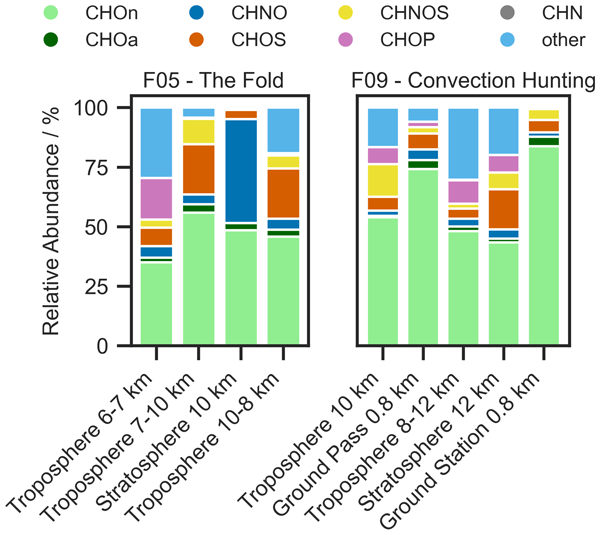
This study investigates molecular organic aerosol composition in the upper troposphere and lower stratosphere from an airborne campaign over Central Europe in summer 2024. Via ultra-high-performance liquid chromatography and high-resolution mass spectrometry of tropospheric and stratospheric filter samples, we identified various organic compounds. Our findings underscore the significant cross-tropopause transport of biogenic secondary organic aerosol and anthropogenic pollutants.
Jackson Seymore, Martanda Gautam, Miklós Szakáll, Alexander Theis, Thorsten Hoffmann, Jialiang Ma, Lingli Zhou, and Alexander L. Vogel
Atmos. Chem. Phys., 25, 11829–11845, https://doi.org/10.5194/acp-25-11829-2025, https://doi.org/10.5194/acp-25-11829-2025, 2025
Short summary
Short summary
We investigated the chemical retention of water-soluble organic compounds in Beijing aerosols using an acoustic levitator and drop-freezing experiments. Samples from PM2.5 filter extracts were frozen at -15 °C in an acoustic levitator without artificial nucleators and analyzed using ultra-high resolution mass spectrometry. Our findings reveal a non-normal distribution of retention coefficients that differs from current literature on cloud droplets.
Bianca Lauster, Udo Frieß, Jan-Marcus Nasse, Ulrich Platt, and Thomas Wagner
Atmos. Meas. Tech., 18, 3393–3405, https://doi.org/10.5194/amt-18-3393-2025, https://doi.org/10.5194/amt-18-3393-2025, 2025
Short summary
Short summary
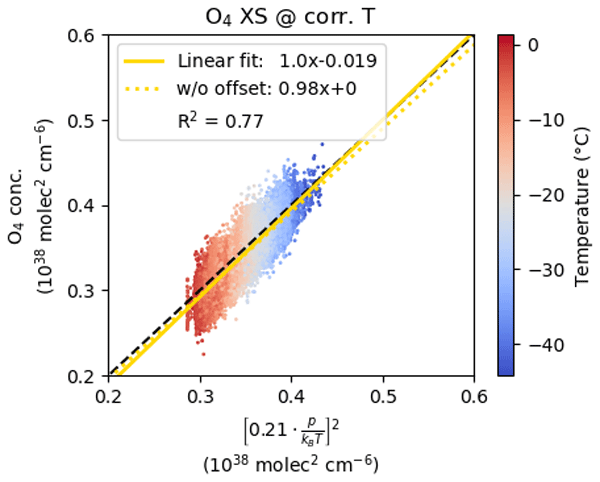
Remote sensing measurements of scattered sunlight use the atmospheric absorption of O2–O2 (or O4) to derive cloud and aerosol properties. However, inconsistencies between measurements and radiative transfer simulations were found recently, and, so far, there has been no consensus on how to deal with these appropriately. In this study, long-term long-path differential optical absorption spectroscopy (LP-DOAS) observations were analysed and very good agreement with laboratory measurements was found.
Jade Margerum, Julia Homann, Stuart Umbo, Gernot Nehrke, Thorsten Hoffmann, Anton Vaks, Aleksandr Kononov, Alexander Osintsev, Alena Giesche, Andrew Mason, Franziska A. Lechleitner, Gideon M. Henderson, Ola Kwiecien, and Sebastian F. M. Breitenbach
Clim. Past, 21, 661–677, https://doi.org/10.5194/cp-21-661-2025, https://doi.org/10.5194/cp-21-661-2025, 2025
Short summary
Short summary
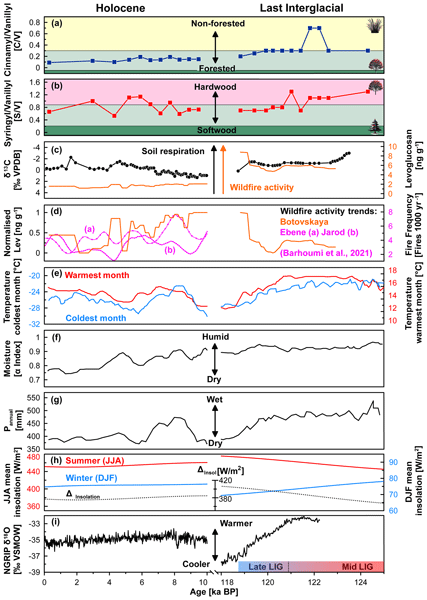
We analyse a southern Siberian stalagmite to reconstruct soil respiration, wildfire, and vegetation trends during the Last Interglacial (LIG) (124.1–118.8 ka) and the Holocene (10–0 ka). Wildfires were more prevalent during the LIG than the Holocene and were supported by fire-prone species, low soil respiration, and a greater difference between summer and winter temperature. We show that vegetation type and summer/winter temperature contrast are strong drivers of Siberian wildfires.
Johanna Schäfer, Anja Beschnitt, François Burgay, Thomas Singer, Margit Schwikowski, and Thorsten Hoffmann
Atmos. Meas. Tech., 18, 421–430, https://doi.org/10.5194/amt-18-421-2025, https://doi.org/10.5194/amt-18-421-2025, 2025
Short summary
Short summary
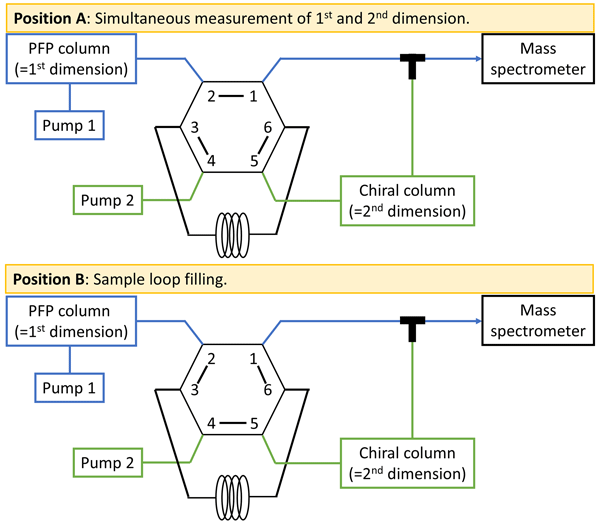
Glaciers preserve organic compounds from atmospheric aerosols, which can serve as markers for emission sources. Most studies overlook the enantiomers of chiral compounds. We developed a two-dimensional liquid chromatography method to determine the chiral ratios of the monoterpene oxidation products cis-pinic acid and cis-pinonic acid in ice-core samples. Applied to samples from the Belukha Glacier (1870–1970 CE), the method revealed fluctuating chiral ratios for the analytes.
Christine Borchers, Jackson Seymore, Martanda Gautam, Konstantin Dörholt, Yannik Müller, Andreas Arndt, Laura Gömmer, Florian Ungeheuer, Miklós Szakáll, Stephan Borrmann, Alexander Theis, Alexander L. Vogel, and Thorsten Hoffmann
Atmos. Chem. Phys., 24, 13961–13974, https://doi.org/10.5194/acp-24-13961-2024, https://doi.org/10.5194/acp-24-13961-2024, 2024
Short summary
Short summary
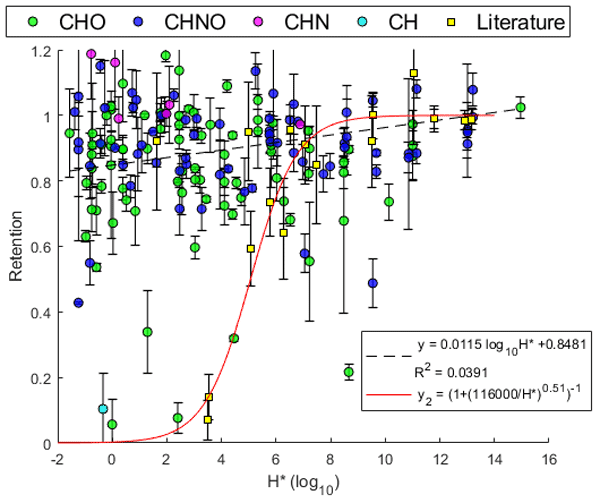
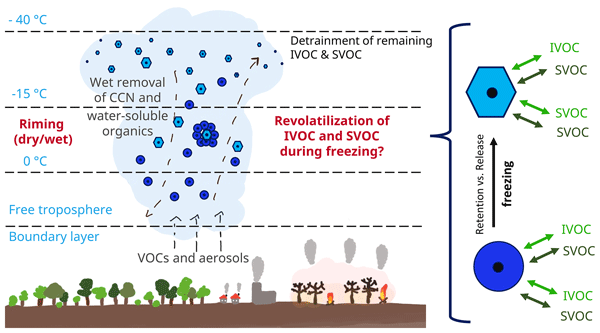
Riming, a crucial process in cloud dynamics, influences the vertical distribution of compounds in the atmosphere. Experiments in Mainz's wind tunnel investigated retention coefficients of organic compounds under varying conditions. Findings suggest a correlation between the Henry's law constant and retention, applicable even to complex organic molecules.
Karolin Voss, Philip Holzbeck, Klaus Pfeilsticker, Ralph Kleinschek, Gerald Wetzel, Blanca Fuentes Andrade, Michael Höpfner, Jörn Ungermann, Björn-Martin Sinnhuber, and André Butz
Atmos. Meas. Tech., 17, 4507–4528, https://doi.org/10.5194/amt-17-4507-2024, https://doi.org/10.5194/amt-17-4507-2024, 2024
Short summary
Short summary
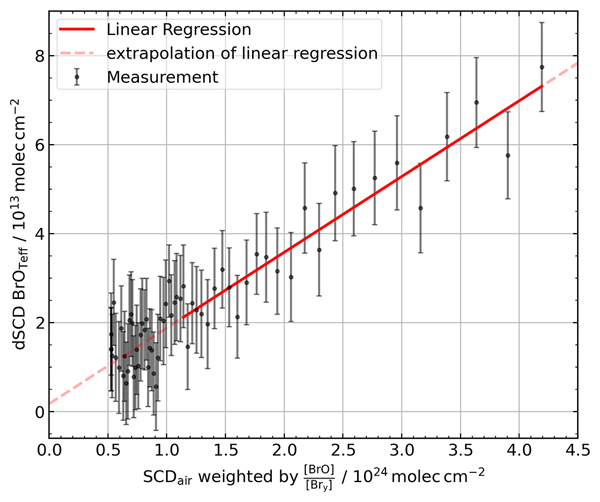
A novel balloon-borne instrument for direct sun and solar occultation measurements of several UV–Vis absorbing gases (e.g. O3, NO2, BrO, IO, and HONO) is described. Its major design features and performance during two stratospheric deployments are discussed. From the measured overhead BrO concentration and a suitable photochemical correction, total stratospheric bromine is inferred to (17.5 ± 2.2) ppt in air masses which entered the stratosphere around early 2017 ± 1 year.
Niklas Karbach, Lisa Höhler, Peter Hoor, Heiko Bozem, Nicole Bobrowski, and Thorsten Hoffmann
Atmos. Meas. Tech., 17, 4081–4086, https://doi.org/10.5194/amt-17-4081-2024, https://doi.org/10.5194/amt-17-4081-2024, 2024
Short summary
Short summary
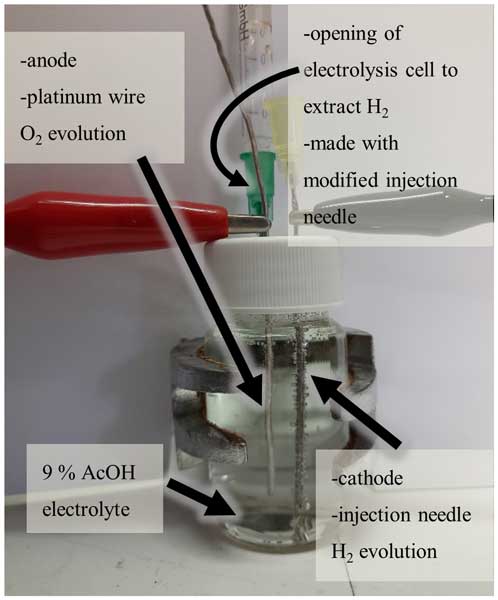
The system presented here can accurately generate and reproduce a stable flow of gas mixtures of known concentrations over several days using ambient air as a dilution medium. In combination with the small size and low weight of the system, this enables the calibration of hydrogen sensors in the field, reducing the influence of matrix effects on the accuracy of the sensor. The system is inexpensive to assemble and easy to maintain, which is the key to reliable measurement results.
Meeta Cesler-Maloney, William Simpson, Jonas Kuhn, Jochen Stutz, Jennie Thomas, Tjarda Roberts, Deanna Huff, and Sol Cooperdock
EGUsphere, https://doi.org/10.5194/egusphere-2023-3082, https://doi.org/10.5194/egusphere-2023-3082, 2024
Preprint archived
Short summary
Short summary
We used a one-dimensional model to simulate how pollution in Fairbanks, Alaska, accumulates in shallow layers near the ground when temperature inversions are present. We find pollution accumulates in a 20 m to 50 m thick layer. The model agrees with observations of SO2 pollution using only home heating emissions sources, which shows that ground-based sources dominate sulfur pollution in downtown Fairbanks. Air residence times in downtown are only a few hours, limiting chemical transformations.
Tobias D. Schmitt, Jonas Kuhn, Ralph Kleinschek, Benedikt A. Löw, Stefan Schmitt, William Cranton, Martina Schmidt, Sanam N. Vardag, Frank Hase, David W. T. Griffith, and André Butz
Atmos. Meas. Tech., 16, 6097–6110, https://doi.org/10.5194/amt-16-6097-2023, https://doi.org/10.5194/amt-16-6097-2023, 2023
Short summary
Short summary
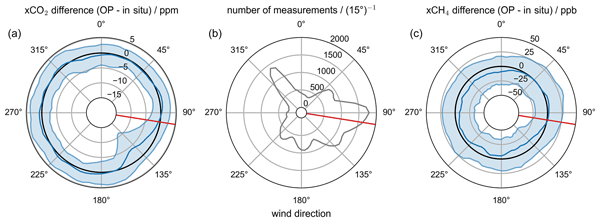
Our new observatory measures greenhouse gas concentrations of carbon dioxide (CO2) and methane (CH4) along a 1.55 km long light path over the city of Heidelberg, Germany. We compared our measurements with measurements that were taken at a single point at one end of our path. The two mostly agreed but show a significant difference for CO2 with certain wind directions. This is important when using greenhouse gas concentration measurements to observe greenhouse gas emissions of cities.
Simon Warnach, Holger Sihler, Christian Borger, Nicole Bobrowski, Steffen Beirle, Ulrich Platt, and Thomas Wagner
Atmos. Meas. Tech., 16, 5537–5573, https://doi.org/10.5194/amt-16-5537-2023, https://doi.org/10.5194/amt-16-5537-2023, 2023
Short summary
Short summary
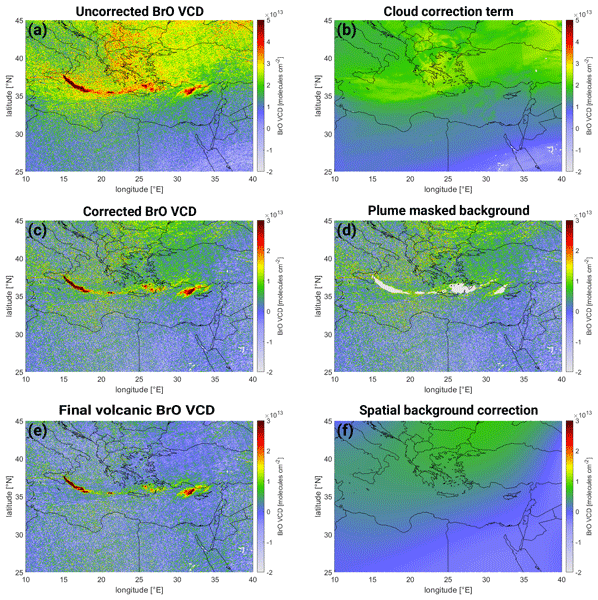
BrO inside volcanic gas plumes but can be used in combination with SO2 to characterize the volcanic property and its activity state. High-quality satellite observations can provide a global inventory of this important quantity. This paper investigates how to accurately detect BrO inside volcanic plumes from the satellite UV spectrum. A sophisticated novel non-volcanic background correction scheme is presented, and systematic errors including cross-interference with formaldehyde are minimized.
Julia Homann, Niklas Karbach, Stacy A. Carolin, Daniel H. James, David Hodell, Sebastian F. M. Breitenbach, Ola Kwiecien, Mark Brenner, Carlos Peraza Lope, and Thorsten Hoffmann
Biogeosciences, 20, 3249–3260, https://doi.org/10.5194/bg-20-3249-2023, https://doi.org/10.5194/bg-20-3249-2023, 2023
Short summary
Short summary
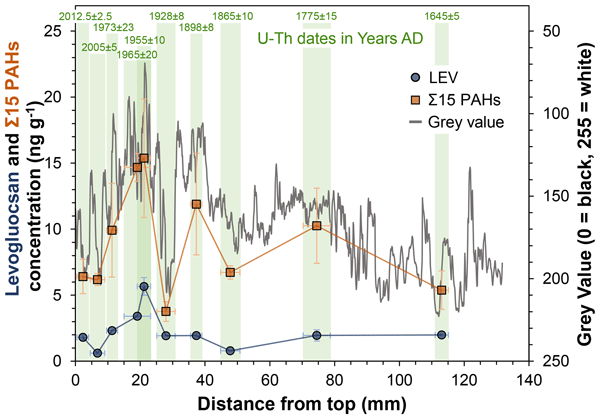
Cave stalagmites contain substances that can be used to reconstruct past changes in local and regional environmental conditions. We used two classes of biomarkers (polycyclic aromatic hydrocarbons and monosaccharide anhydrides) to detect the presence of fire and to also explore changes in fire regime (e.g. fire frequency, intensity, and fuel source). We tested our new method on a stalagmite from Mayapan, a large Maya city on the Yucatán Peninsula.
Thomas Wagner, Simon Warnach, Steffen Beirle, Nicole Bobrowski, Adrian Jost, Janis Puķīte, and Nicolas Theys
Atmos. Meas. Tech., 16, 1609–1662, https://doi.org/10.5194/amt-16-1609-2023, https://doi.org/10.5194/amt-16-1609-2023, 2023
Short summary
Short summary
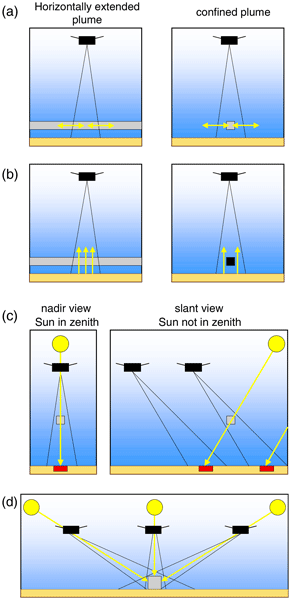
We investigate 3D effects of volcanic plumes on the retrieval results of satellite and ground-based UV–Vis observations. With its small ground pixels of 3.5 x 5.5 km², the TROPOMI instrument can detect much smaller volcanic plumes than previous instruments. At the same time, 3D effects become important. The effect of horizontal photon paths especially can lead to a strong underestimation of the derived plume contents of up to > 50 %, which can be further increased for strong absorbers like SO2.
Henning Finkenzeller, Denis Pöhler, Martin Horbanski, Johannes Lampel, and Ulrich Platt
Atmos. Meas. Tech., 16, 1343–1356, https://doi.org/10.5194/amt-16-1343-2023, https://doi.org/10.5194/amt-16-1343-2023, 2023
Short summary
Short summary
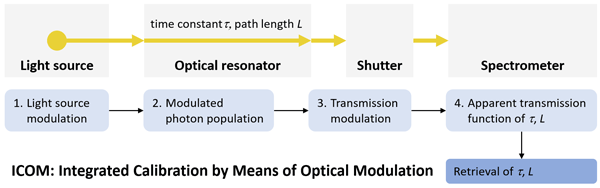
Optical resonators enhance the light path in compact instruments, thereby improving their sensitivity. Determining the established path length in the instrument is a prerequisite for the accurate determination of trace gas concentrations but can be a significant complication in the use of such resonators. Here we show two calibration techniques which are relatively simple and free of consumables but still provide accurate calibrations. This facilitates the use of optical resonators.

Udo Frieß, Karin Kreher, Richard Querel, Holger Schmithüsen, Dan Smale, Rolf Weller, and Ulrich Platt
Atmos. Chem. Phys., 23, 3207–3232, https://doi.org/10.5194/acp-23-3207-2023, https://doi.org/10.5194/acp-23-3207-2023, 2023
Short summary
Short summary
Reactive bromine compounds, emitted by the sea ice during polar spring, play an important role in the atmospheric chemistry of the coastal regions of Antarctica. We investigate the sources and impacts of reactive bromine in detail using many years of measurements at two Antarctic sites located at opposite sides of the Antarctic continent. Using a multitude of meteorological observations, we were able to identify the main triggers and source regions for reactive bromine in Antarctica.
Denis Leppla, Nora Zannoni, Leslie Kremper, Jonathan Williams, Christopher Pöhlker, Marta Sá, Maria Christina Solci, and Thorsten Hoffmann
Atmos. Chem. Phys., 23, 809–820, https://doi.org/10.5194/acp-23-809-2023, https://doi.org/10.5194/acp-23-809-2023, 2023
Short summary
Short summary
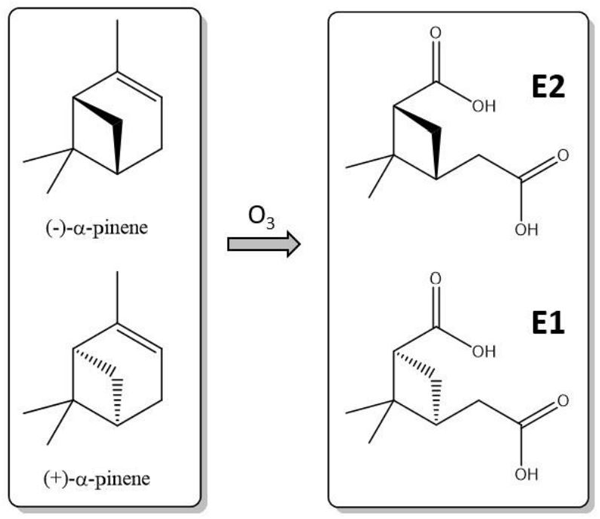
Chiral chemodiversity plays a critical role in biochemical processes such as insect and plant communication. Here we report on the measurement of chiral-specified secondary organic aerosol in the Amazon rainforest. The results show that the chiral ratio is mainly determined by large-scale emission processes. Characteristic emissions of chiral aerosol precursors from different forest ecosystems can thus provide large-scale information on different biogenic sources via chiral particle analysis.
Yunfan Liu, Hang Su, Siwen Wang, Chao Wei, Wei Tao, Mira L. Pöhlker, Christopher Pöhlker, Bruna A. Holanda, Ovid O. Krüger, Thorsten Hoffmann, Manfred Wendisch, Paulo Artaxo, Ulrich Pöschl, Meinrat O. Andreae, and Yafang Cheng
Atmos. Chem. Phys., 23, 251–272, https://doi.org/10.5194/acp-23-251-2023, https://doi.org/10.5194/acp-23-251-2023, 2023
Short summary
Short summary
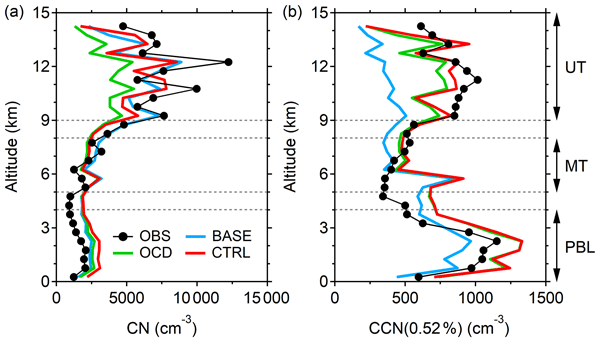
The origins of the abundant cloud condensation nuclei (CCN) in the upper troposphere (UT) of the Amazon remain unclear. With model developments of new secondary organic aerosol schemes and constrained by observation, we show that strong aerosol nucleation and condensation in the UT is triggered by biogenic organics, and organic condensation is key for UT CCN production. This UT CCN-producing mechanism may prevail over broader vegetation canopies and deserves emphasis in aerosol–climate feedback.
Maximilian Herrmann, Moritz Schöne, Christian Borger, Simon Warnach, Thomas Wagner, Ulrich Platt, and Eva Gutheil
Atmos. Chem. Phys., 22, 13495–13526, https://doi.org/10.5194/acp-22-13495-2022, https://doi.org/10.5194/acp-22-13495-2022, 2022
Short summary
Short summary
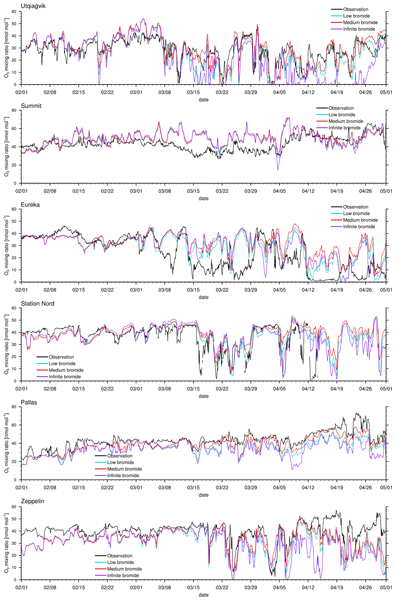
Ozone depletion events (ODEs) are a common occurrence in the boundary layer during Arctic spring. Ozone is depleted by bromine species in an autocatalytic reaction cycle. Previous modeling studies assumed an infinite bromine source at the ground. An alternative emission scheme is presented in which a finite amount of bromide in the snow is tracked over time. The Weather Research and Forecasting model coupled with Chemistry (WRF-Chem) is used to study ODEs in the Arctic from February to May 2019.
Jing Duan, Ru-Jin Huang, Yifang Gu, Chunshui Lin, Haobin Zhong, Wei Xu, Quan Liu, Yan You, Jurgita Ovadnevaite, Darius Ceburnis, Thorsten Hoffmann, and Colin O'Dowd
Atmos. Chem. Phys., 22, 10139–10153, https://doi.org/10.5194/acp-22-10139-2022, https://doi.org/10.5194/acp-22-10139-2022, 2022
Short summary
Short summary
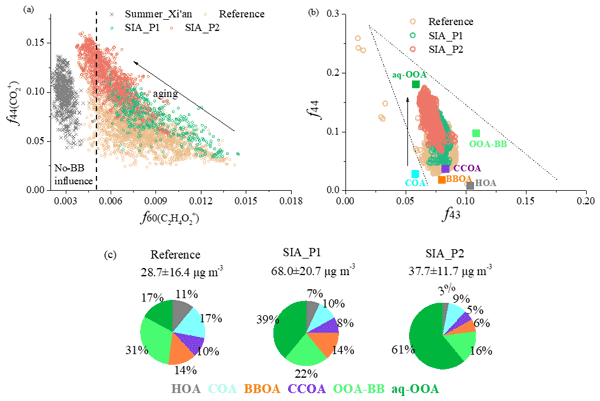
Biomass-burning-influenced oxygenated organic aerosol (OOA-BB), formed from the photochemical oxidation and aging of biomass burning OA (BBOA), was resolved in urban Xi’an. The aqueous-phase processed oxygenated OA (aq-OOA) concentration was more dependent on secondary inorganic aerosol (SIA) content and aerosol liquid water content (ALWC). The increased aq-OOA contribution during SIA-enhanced periods likely reflects OA evolution due to the addition of alcohol or peroxide groups
M. Dolores Andrés Hernández, Andreas Hilboll, Helmut Ziereis, Eric Förster, Ovid O. Krüger, Katharina Kaiser, Johannes Schneider, Francesca Barnaba, Mihalis Vrekoussis, Jörg Schmidt, Heidi Huntrieser, Anne-Marlene Blechschmidt, Midhun George, Vladyslav Nenakhov, Theresa Harlass, Bruna A. Holanda, Jennifer Wolf, Lisa Eirenschmalz, Marc Krebsbach, Mira L. Pöhlker, Anna B. Kalisz Hedegaard, Linlu Mei, Klaus Pfeilsticker, Yangzhuoran Liu, Ralf Koppmann, Hans Schlager, Birger Bohn, Ulrich Schumann, Andreas Richter, Benjamin Schreiner, Daniel Sauer, Robert Baumann, Mariano Mertens, Patrick Jöckel, Markus Kilian, Greta Stratmann, Christopher Pöhlker, Monica Campanelli, Marco Pandolfi, Michael Sicard, José L. Gómez-Amo, Manuel Pujadas, Katja Bigge, Flora Kluge, Anja Schwarz, Nikos Daskalakis, David Walter, Andreas Zahn, Ulrich Pöschl, Harald Bönisch, Stephan Borrmann, Ulrich Platt, and John P. Burrows
Atmos. Chem. Phys., 22, 5877–5924, https://doi.org/10.5194/acp-22-5877-2022, https://doi.org/10.5194/acp-22-5877-2022, 2022
Short summary
Short summary
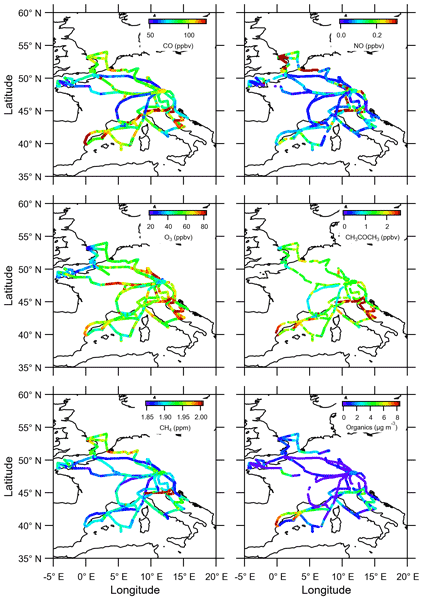
EMeRGe provides a unique set of in situ and remote sensing airborne measurements of trace gases and aerosol particles along selected flight routes in the lower troposphere over Europe. The interpretation uses also complementary collocated ground-based and satellite measurements. The collected data help to improve the current understanding of the complex spatial distribution of trace gases and aerosol particles resulting from mixing, transport, and transformation of pollution plumes over Europe.
Jan-Lukas Tirpitz, Udo Frieß, Robert Spurr, and Ulrich Platt
Atmos. Meas. Tech., 15, 2077–2098, https://doi.org/10.5194/amt-15-2077-2022, https://doi.org/10.5194/amt-15-2077-2022, 2022
Short summary
Short summary
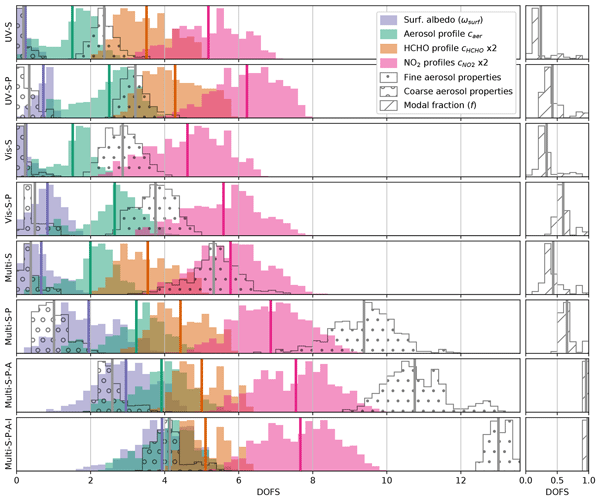
MAX-DOAS is a widely used measurement technique for the remote detection of atmospheric aerosol and trace gases. It relies on the analysis of ultra-violet and visible radiation spectra of skylight. To date, information contained in the skylight's polarisation state has not been utilised. On the basis of synthetic data, we carried out sensitivity analyses to assess the potential of polarimetry for MAX-DOAS applications.
Leon Kuhn, Jonas Kuhn, Thomas Wagner, and Ulrich Platt
Atmos. Meas. Tech., 15, 1395–1414, https://doi.org/10.5194/amt-15-1395-2022, https://doi.org/10.5194/amt-15-1395-2022, 2022
Short summary
Short summary
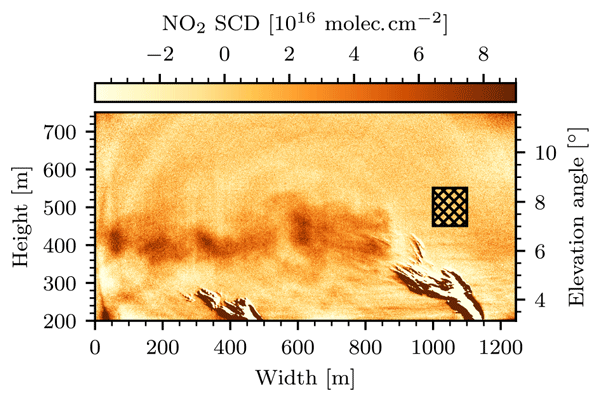
We present a novel instrument for imaging measurements of NO2 with high spatiotemporal resolution based on gas correlation spectroscopy, called the GCS NO2 camera. The instrument works by placing two gas cells (cuvettes) in front of two photosensor arrays, one filled with air and one filled with a high concentration of NO2, acting as a non-dispersive spectral filter. NO2 images are then generated on the basis of the signal ratio of the two channels in the spectral region of 430–445 nm.
Jonas Kuhn, Nicole Bobrowski, Thomas Wagner, and Ulrich Platt
Atmos. Meas. Tech., 14, 7873–7892, https://doi.org/10.5194/amt-14-7873-2021, https://doi.org/10.5194/amt-14-7873-2021, 2021
Short summary
Short summary
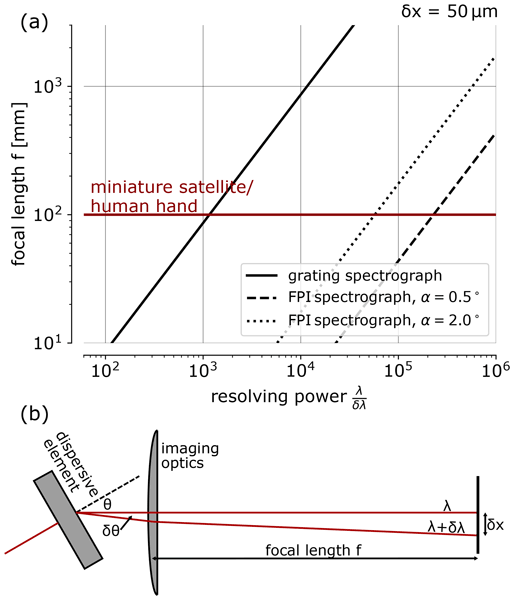
We propose spectrograph implementations using Fabry–Pérot interferometers for atmospheric trace gas remote sensing. Compared with widely used grating spectrographs, we find substantial light throughput and mobility advantages for high resolving powers. Besides lowering detection limits and increasing the spatial and temporal resolution of many atmospheric trace gas measurements, this approach might enable remote sensing of further important gases such as tropospheric OH radicals.
Ulrich Platt, Thomas Wagner, Jonas Kuhn, and Thomas Leisner
Atmos. Meas. Tech., 14, 6867–6883, https://doi.org/10.5194/amt-14-6867-2021, https://doi.org/10.5194/amt-14-6867-2021, 2021
Short summary
Short summary
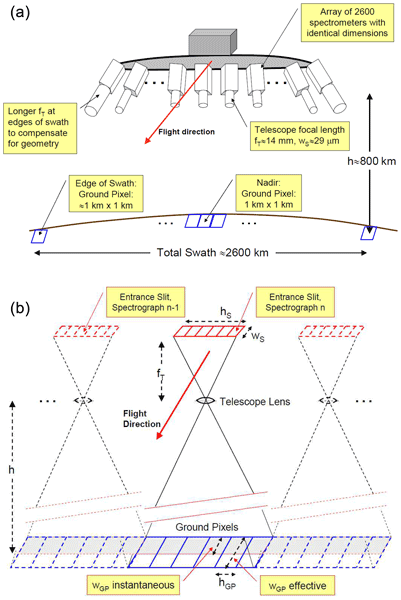
Absorption spectroscopy of scattered sunlight is extremely useful for the analysis of atmospheric trace gas distributions. A central parameter for the achievable sensitivity of spectroscopic instruments is the light throughput, which can be enhanced in a number of ways. We present new ideas and considerations of how instruments could be optimized. Particular emphasis is on arrays of massively parallel instruments. Such arrays can reduce the size and weight of instruments by orders of magnitude.
Cited articles
Bobrowski, N., Hönninger, G., Galle, B., and Platt, U.: Detection of bromine monoxide in a volcanic plume, Nature, 423, 273–276, https://doi.org/10.1038/nature01625, 2003.
Bobrowski, N., von Glasow, R., Aiuppa, A., Inguaggiato, S., Louban, I., Ibrahim, O. W., and Platt, U.: Reactive halogen chemistry in volcanic plumes, Journal of Geophysical Research: Atmospheres, 112, https://doi.org/10.1029/2006JD007206, 2007.
Bräutigam, E.: Construction of an Airborne Chemiluminescence Ozone Monitor for Volcanic Plumes, heiDOK (University of Heidelberg), https://doi.org/10.11588/heidok.00032085, 2022.
Carn, S. A., Froyd, K. D., Anderson, B. E., Wennberg, P., Crounse, J., Spencer, K., Dibb, J. E., Krotkov, N. A., Browell, E. V., Hair, J. W., Diskin, G., Sachse, G., and Vay, S. A.: In situ measurements of tropospheric volcanic plumes in Ecuador and Colombia during TC4, Journal of Geophysical Research: Atmospheres, 116, https://doi.org/10.1029/2010JD014718, 2011.
Carroll, M. R. and Holloway, J. R.: Volatiles in Magmas, Berlin, Boston: De Gruyter, https://doi.org/10.1515/9781501509674, 1994.
Cavanagh, R. R. and Verkouteren, R. M.: Improving the Scientific Basis for Informed Decisions on Atmospheric Issues, NIST-NOAA-Industry Workshop on Atmospheric Measures and Standards, National Institute of Standards and Technology, 2001.
Chemspider: ChemSpider search and share chemistry, Roy. Soc of Chem., https://www.chemspider.com (last access: 21 December 2025), 2023.
Clough, P. N. and Thrush, B. A.: Mechanism of chemiluminescent reaction between nitric oxide and ozone, Trans. Faraday Soc., 63, 915–925, https://doi.org/10.1039/TF9676300915, 1967.
Cooper, O. R., Parrish, D. D., Ziemke, J., Balashov, N. V., Cupeiro, M., Galbally, I. E., Gilge, S., Horowitz, L., Jensen, N. R., Lamarque, J.-F., Naik, V., Oltmans, S. J., Schwab, J., Shindell, D. T., Thompson, A. M., Thouret, V., Wang, Y., and Zbinden, R. M.: Global distribution and trends of tropospheric ozone: An observation-based review, Elementa, 2, 000029, https://doi.org/10.12952/journal.elementa.000029, 2014.
Cross, E. S., Williams, L. R., Lewis, D. K., Magoon, G. R., Onasch, T. B., Kaminsky, M. L., Worsnop, D. R., and Jayne, J. T.: Use of electrochemical sensors for measurement of air pollution: correcting interference response and validating measurements, Atmos. Meas. Tech., 10, 3575–3588, https://doi.org/10.5194/amt-10-3575-2017, 2017.
Dunlea, E. J., Herndon, S. C., Nelson, D. D., Volkamer, R. M., Lamb, B. K., Allwine, E. J., Grutter, M., Ramos Villegas, C. R., Marquez, C., Blanco, S., Cardenas, B., Kolb, C. E., Molina, L. T., and Molina, M. J.: Technical note: Evaluation of standard ultraviolet absorption ozone monitors in a polluted urban environment, Atmos. Chem. Phys., 6, 3163–3180, https://doi.org/10.5194/acp-6-3163-2006, 2006.
General, S., Bobrowski, N., Pöhler, D., Weber, K., Fischer, C., and Platt, U.: Airborne I-DOAS measurements at Mt. Etna: BrO and OClO evolution in the plume, Journal of Volcanology and Geothermal Research, 300, 175–186, https://doi.org/10.1016/j.jvolgeores.2014.05.012, 2015.
Gliß, J., Bobrowski, N., Vogel, L., Pöhler, D., and Platt, U.: OClO and BrO observations in the volcanic plume of Mt. Etna – implications on the chemistry of chlorine and bromine species in volcanic plumes, Atmos. Chem. Phys., 15, 5659–5681, https://doi.org/10.5194/acp-15-5659-2015, 2015.
Gold, V. (Ed.): The IUPAC Compendium of Chemical Terminology: The Gold Book, International Union of Pure and Applied Chemistry (IUPAC), Research Triangle Park, NC, 4 edn., https://doi.org/10.1351/goldbook, 2019.
Guimarães, P., Ye, J., Batista, C., Barbosa, R., Ribeiro, I., Medeiros, A., Souza, R., and Martin, S. T.: Vertical Profiles of Ozone Concentration Collected by an Unmanned Aerial Vehicle and the Mixing of the Nighttime Boundary Layer over an Amazonian Urban Area, Atmosphere, 10, 599, https://doi.org/10.3390/atmos10100599, 2019.
Hobbs, P. V., Tuell, J. P., Hegg, D. A., Radke, L. F., and Eltgroth, M. W.: Particles and gases in the emissions from the 19801981 volcanic eruptions of Mt. St. Helens, Journal of Geophysical Research: Oceans, 87, 11062–11086, https://doi.org/10.1029/JC087iC13p11062, 1982.
INGV National Institute of Geophysics and Volcanology: Bollettino Settimanale sul monitoraggio multiparametrico del vulcano Vulcano del 13/06/2023, https://www.ct.ingv.it/index.php/monitoraggio-e-sorveglianza/prodotti-del-monitoraggio/bollettini-settimanali-multidisciplinari/787 (last access: 2 February 2026), 2023a.
INGV National Institute of Geophysics and Volcanology: Bollettino Settimanale sul monitoraggio multiparametrico del vulcano Vulcano del 20/06/2023, https://www.ct.ingv.it/index.php/monitoraggio-e-sorveglianza/prodotti-del-monitoraggio/bollettini-settimanali-multidisciplinari/790 (last access: 2 February 2026), 2023b.
Jourdain, L., Roberts, T. J., Pirre, M., and Josse, B.: Modeling the reactive halogen plume from Ambrym and its impact on the troposphere with the CCATT-BRAMS mesoscale model, Atmos. Chem. Phys., 16, 12099–12125, https://doi.org/10.5194/acp-16-12099-2016, 2016.
Karbach, N., Bobrowski, N., and Hoffmann, T.: Observing volcanoes with drones: studies of volcanic plume chemistry with ultralight sensor systems, Scientific Reports, 12, 17890, https://doi.org/10.1038/s41598-022-21935-5, 2022.
Kelly, P. J., Kern, C., Roberts, T. J., Lopez, T., Werner, C., and Aiuppa, A.: Rapid chemical evolution of tropospheric volcanic emissions from Redoubt Volcano, Alaska, based on observations of ozone and halogen-containing gases, Journal of Volcanology and Geothermal Research, 259, 317–333, https://doi.org/10.1016/j.jvolgeores.2012.04.023, 2013.
Kern, C., Sihler, H., Vogel, L., Rivera, C., Herrera, M., and Platt, U.: Halogen oxide measurements at Masaya Volcano, Nicaragua using active long path differential optical absorption spectroscopy, Bulletin of Volcanology, 71, 659–670, https://doi.org/10.1007/s00445-008-0252-8, 2009.
Kern, C., Lerner, A. H., Elias, T., Nadeau, P. A., Holland, L., Kelly, P. J., Werner, C. A., Clor, L. E., and Cappos, M.: Quantifying gas emissions associated with the 2018 rift eruption of Kīlauea Volcano using ground-based DOAS measurements, Bulletin of Volcanology, 82, 55, https://doi.org/10.1007/s00445-020-01390-8, 2020.
Kleindienst, T. E., Hudgens, E. E., Smith, D. F., McElroy, F. F., and Bufalini, J. J.: Comparison of Chemiluminescence and Ultraviolet Ozone Monitor Responses in the Presence of Humidity and Photochemical Pollutants, Air & Waste, 43, 213–222, https://doi.org/10.1080/1073161X.1993.10467128, 1993.
Kuhn, J., Bobrowski, N., and Platt, U.: The Interface Between Magma and Earth's Atmosphere, Geochemistry, Geophysics, Geosystems, 23, e2022GC010671, https://doi.org/10.1029/2022GC010671, 2022.
Leston, A. R., Ollison, W. M., Spicer, C. W., and Satola, J.: Potential Interference Bias in Ozone Standard Compliance Monitoring, Journal of the Air & Waste Management Association, 55, 1464–1472, https://doi.org/10.1080/10473289.2005.10464749, 2005.
Long, R. W., Hall, E., Beaver, M., Duvall, R., Kaushik, S., Kronmiller, K., Wheeler, M., Garvey, S., Drake, Z., and McElroy, F.: Performance of the Proposed New Federal Reference Methods for Measuring Ozone Concentrations in Ambient Air, EPA/600/R-14/432, https://cfpub.epa.gov/si/si_public_file_download.cfm?p_download_id=520887&Lab=NERL (last access: 25 January 2021), 2014.
Long, R. W., Whitehill, A., Habel, A., Urbanski, S., Halliday, H., Colón, M., Kaushik, S., and Landis, M. S.: Comparison of ozone measurement methods in biomass burning smoke: an evaluation under field and laboratory conditions, Atmos. Meas. Tech., 14, 1783–1800, https://doi.org/10.5194/amt-14-1783-2021, 2021.
Marti, J. and Ernst, G. J. (Eds.): Volcanoes and the Environment, Cambridge University Press, Cambridge, ISBN 9780521597258, 2008.
Matthews, R. D., Sawyer, R. F., and Schefer, R. W.: Interferences in chemiluminescent measurement of nitric oxide and nitrogen dioxide emissions from combustion systems. Environmental Science & Technology, 11, 1092–1096, 1977.
Nederbragt, G. W., Van Der Horst, A., and Van Duijn, J.: Rapid Ozone Determination Near an Accelerator, Nature, 206, 87–87, https://doi.org/10.1038/206087a0, 1965.
Nies, A., Roberts, T. J., Dayma, G., Fischer, T. P., and Kuhn, J.: Reactive bromine in volcanic plumes confines the emission temperature and oxidation of magmatic gases at the atmospheric interface, Sci. Adv., 11, eadt8607, https://doi.org/10.1126/sciadv.adt8607, 2025.
Pitts Jr., J. N., Kummer, W. A., and Steer, R. P.: Chemiluminescent reactions of ozone with olefins and sulfides, Environmental Science & Technology, 5.10, 1045–1047, https://doi.org/10.1021/es60057a003, 1971.
Platt, U. and Janssen, C.: Observation and role of the free radicals NO3, ClO, BrO and IO in the troposphere, Faraday Discussions, 100, 175, https://doi.org/10.1039/fd9950000175, 1995.
Roberts, T. J.: Ozone Depletion in Tropospheric Volcanic Plumes: From Halogen-Poor to Halogen-Rich Emissions, Geosciences, 8, https://doi.org/10.3390/geosciences8020068, 2018.
Roberts, T. J., Martin, R. S., and Jourdain, L.: Reactive bromine chemistry in Mount Etna's volcanic plume: the influence of total Br, high-temperature processing, aerosol loading and plume–air mixing, Atmos. Chem. Phys., 14, 11201–11219, https://doi.org/10.5194/acp-14-11201-2014, 2014.
Rüth, M.: Constructing a miniaturized chemiluminescence ozone monitor for drone-based measurements in volcanic plumes: a way to resolve the volcanic ozone enigma, Master thesis in physics, Heidelberg, 2023 – 1 Online-Ressource, 93 pp., Illustrationen, Diagramme, https://doi.org/10.11588/heidok.00034520, 2023.
Rüth, M., Bobrowski, N., Bräutigam, E., Nies, A., Kuhn, J., Hoffmann, T., Karbach, N., Geil, B., Kleinschek, R., Schmitt, S., an Platt, U.: VOLACNO3 Data: Plume, vertical profiles and calibration measurements, https://doi.org/10.5281/zenodo.17939499, Zenodo [data set], 2025.
Schenkel, A. and Broder, B.: Interference of some trace gases with ozone measurements by the KI method. Atmospheric Environment, 16, 2187–2190, 1982.
Surl, L., Donohoue, D., Aiuppa, A., Bobrowski, N., and von Glasow, R.: Quantification of the depletion of ozone in the plume of Mount Etna, Atmos. Chem. Phys., 15, 2613–2628, https://doi.org/10.5194/acp-15-2613-2015, 2015.
Surl, L., Roberts, T., and Bekki, S.: Observation and modelling of ozone-destructive halogen chemistry in a passively degassing volcanic plume, Atmos. Chem. Phys., 21, 12413–12441, https://doi.org/10.5194/acp-21-12413-2021, 2021.
US Environmental Protection Agency (EPA): Appendix D to Part 50, Title 40, Reference Measurement Principle and Calibration Procedure for the Measurement of Ozone in the Atmosphere (Chemiluminescence Method), https://www.ecfr.gov/current/title-40/chapter-I/subchapter-C/part-50#Appendix-D-to-Part-50 (last access: 2 February 2026), 2023.
Vance, A., McGonigle, A. J. S., Aiuppa, A., Stith, J. L., Turnbull, K., and von Glasow, R.: Ozone depletion in tropospheric volcanic plumes, Geophysical Research Letters, 37, https://doi.org/10.1029/2010GL044997, 2010.
von Glasow, R.: Atmospheric chemistry in volcanic plumes, Proceedings of the National Academy of Sciences, 107, 6594–6599, https://doi.org/10.1073/pnas.0913164107, 2010.
Warren, G. J. and Babcock, G.: Portable Ethylene Chemiluminescence Ozone Monitor, Review of Scientific Instruments, 41, 280–282, 1970.
Wennberg, P.: Bromine explosion, Nature 397, 299–301, https://doi.org/10.1038/16805, 1999.
Williams, E. J., Fehsenfeld, F. C., Jobson, B. T., Kuster, W. C., Goldan, P. D., Stutz, J., and McClenny, W. A.: Comparison of Ultraviolet Absorbance, Chemiluminescence, and DOAS Instruments for Ambient Ozone Monitoring, Environmental Science & Technology, 40, 5755–5762, https://doi.org/10.1021/es0523542, 2006.
Witte, J. C., Thompson, A. M., Smit, H. G. J., Fujiwara M., Posny, F., Coetzee, G. J. R., Northam, E. T., Johnson, B. J., Sterling, C. W., Mohamad, M., Ogino, S.-Y., Jordan, A., and da Silva, F. R.: First reprocessing of Southern Hemisphere Additional Ozonesondes (SHADOZ) profile records (1998–2015): 1. Methodology and evaluation, J. Geophys. Res. Atmos., 122, 6611–6636, https://doi.org/10.1002/2016JD026403, 2017.
Short summary
UV absorption and electrochemical O3 sensor measurement techniques suffer from interferences, especially from SO2, which is a main constituent of volcanic plumes. Only chemiluminescence (CL) O3 monitors have no known interference with SO2. However, modern CL O3 monitors are impractical because they are heavy and bulky. We developed and applied a lightweight version of a CL O3 instrument (l.5 kg, shoebox size) and present the result of those drone based CL O3 measurements.
UV absorption and electrochemical O3 sensor measurement techniques suffer from interferences,...


