
02 Jun 2026
| Highlight paper
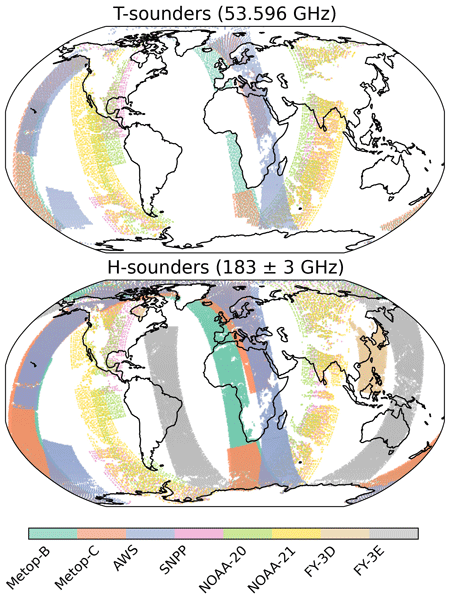
Arctic Weather Satellite assessment and assimilation at ECMWF
Atmos. Meas. Tech., 19, 3581–3599, 2026
03 Jun 2026
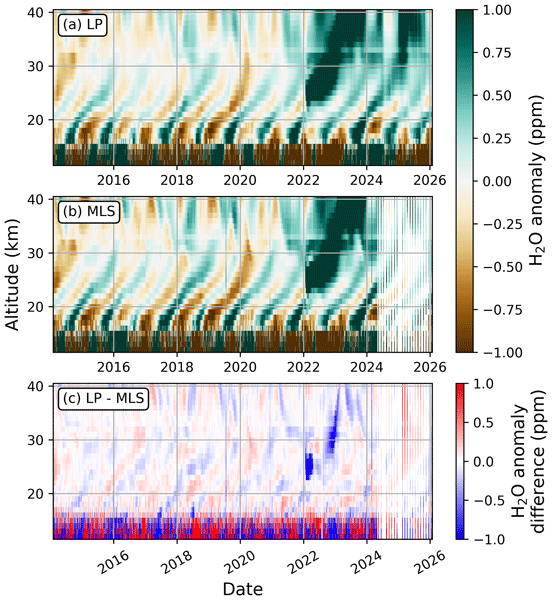
Continuing the MLS water vapor record with OMPS LP using neural networks
Atmos. Meas. Tech., 19, 3601–3624, 2026
03 Jun 2026
| Highlight paper
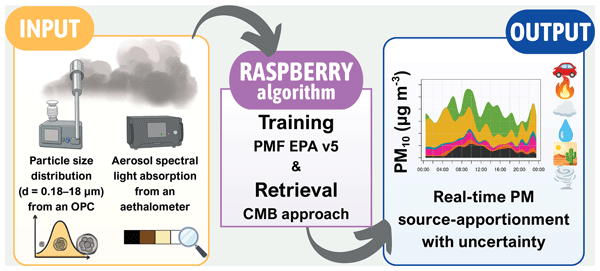
From real-time to long-term source apportionment of PM10 using high-time-resolution measurements of aerosol physical properties: methodology and example application at an urban background site (Aosta, Italy)
Atmos. Meas. Tech., 19, 3625–3665, 2026
04 Jun 2026
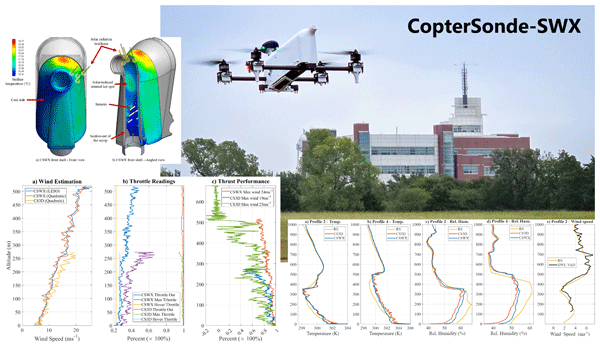
CopterSonde-SWX: development of a UAS-based Vertical Atmospheric Profiler for severe weather
Atmos. Meas. Tech., 19, 3667–3686, 2026
04 Jun 2026
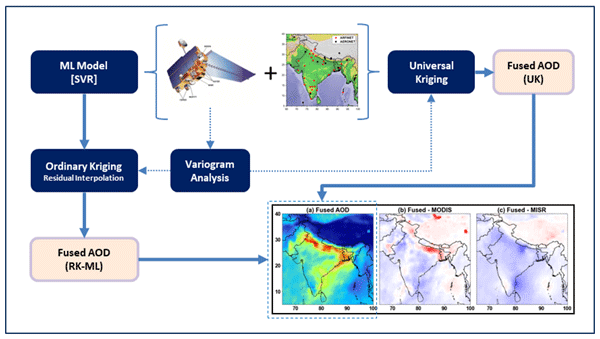
Synergistic Fusion of Aerosol Optical Depth over India from multi-sensor satellite retrievals with ground-based measurements
Atmos. Meas. Tech., 19, 3687–3712, 2026
04 Jun 2026
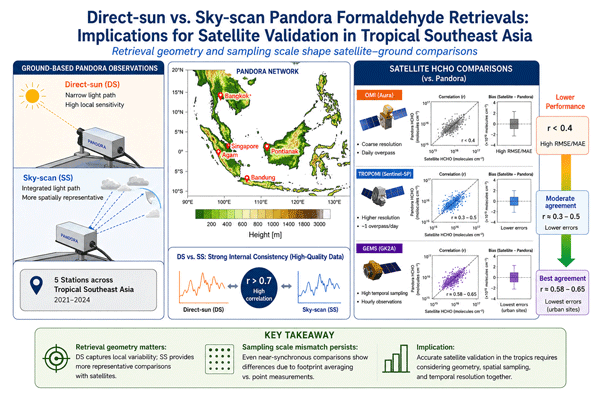
Direct-sun versus sky-scan Pandora formaldehyde retrievals: implications for satellite validation and sampling representativeness in Tropical Southeast Asia
Atmos. Meas. Tech., 19, 3713–3739, 2026
11 Jun 2026
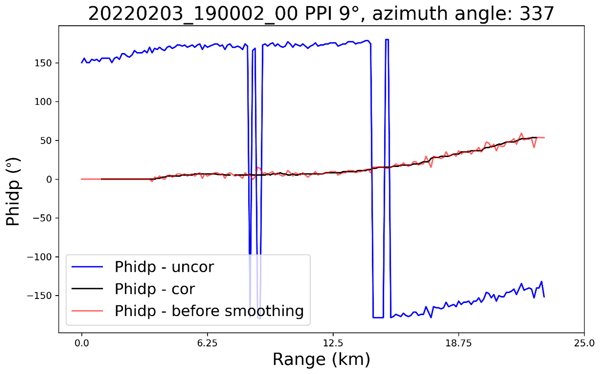
Rain gauges and X-band radar hourly comparison under complex orographic conditions in Reunion Island during the passage of the tropical cyclone Batsirai
Atmos. Meas. Tech., 19, 3741–3759, 2026
11 Jun 2026
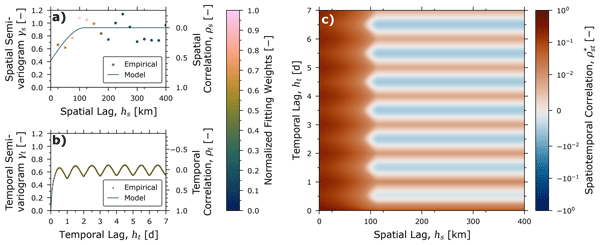
Accounting for spatiotemporally correlated errors in wind speed for remote surveys of methane emissions
Atmos. Meas. Tech., 19, 3761–3780, 2026
12 Jun 2026
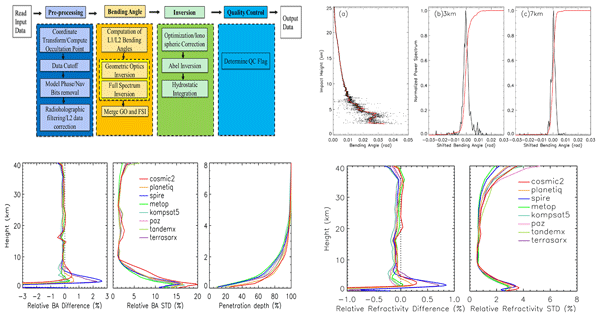
Processing multiple GNSS RO data using FSI and ROPP: results from the ROMEX
Atmos. Meas. Tech., 19, 3781–3800, 2026
12 Jun 2026
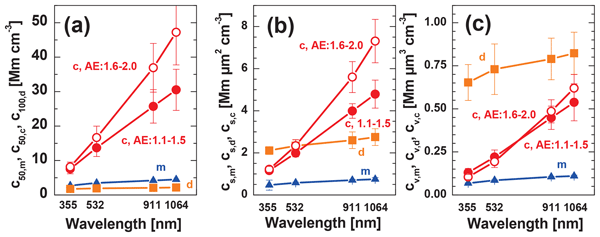
Aerosol optical-to-microphysical conversion factors for lidars and ceilometers from extended AERONET data analyses: POLIPHON update
Atmos. Meas. Tech., 19, 3801–3830, 2026
12 Jun 2026
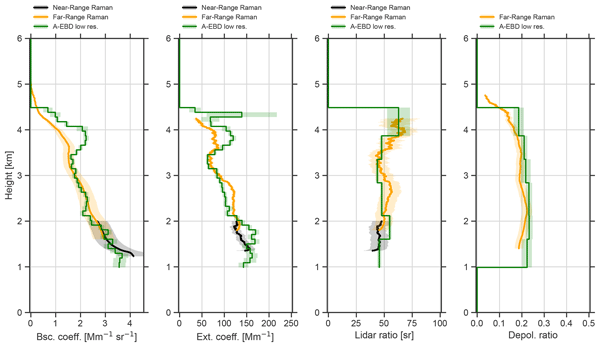
Validation of EarthCARE/ATLID aerosol profiling products with ground-based PollyNET lidars – case studies
Atmos. Meas. Tech., 19, 3831–3864, 2026
12 Jun 2026
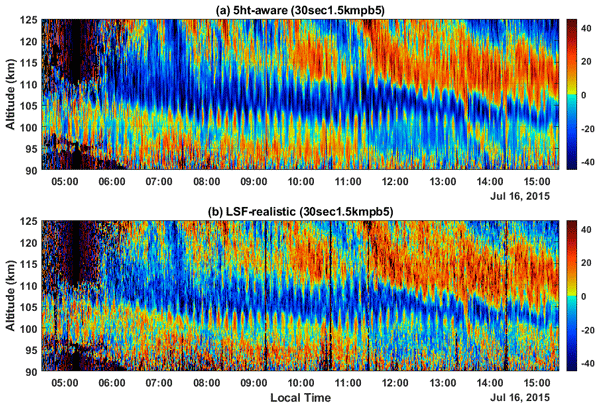
Estimation of Doppler velocity from incoherent scatter spectra using context-aware transformers
Atmos. Meas. Tech., 19, 3865–3874, 2026
15 Jun 2026
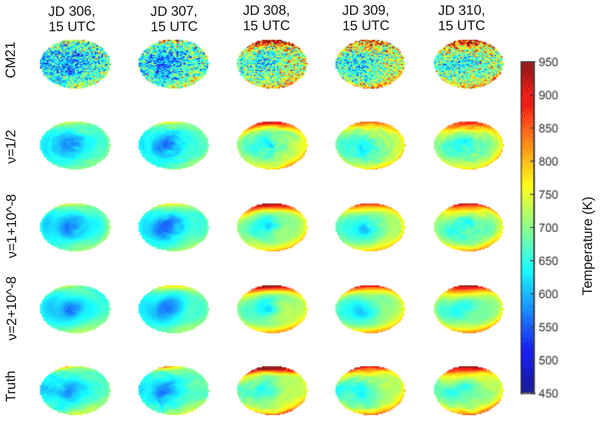
A new approach to inversion of multi-spectral data with applications to FUV remote sensing
Atmos. Meas. Tech., 19, 3875–3894, 2026
15 Jun 2026
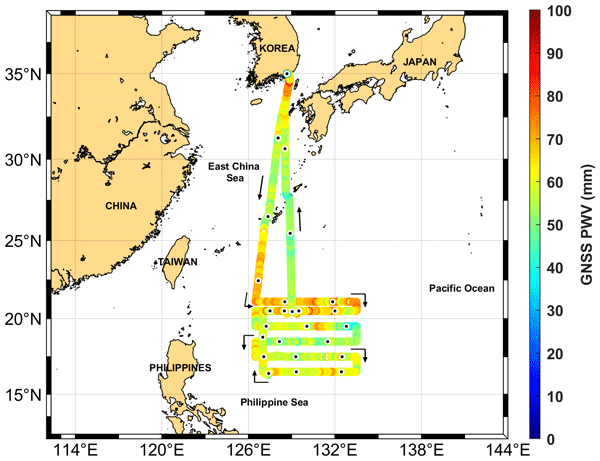
Retrieval of the precipitable water vapor from shipborne multi-GNSS measurements in tropical cyclone-prone regions of the Northwest Pacific during the summer season in 2021
Atmos. Meas. Tech., 19, 3895–3909, 2026
16 Jun 2026
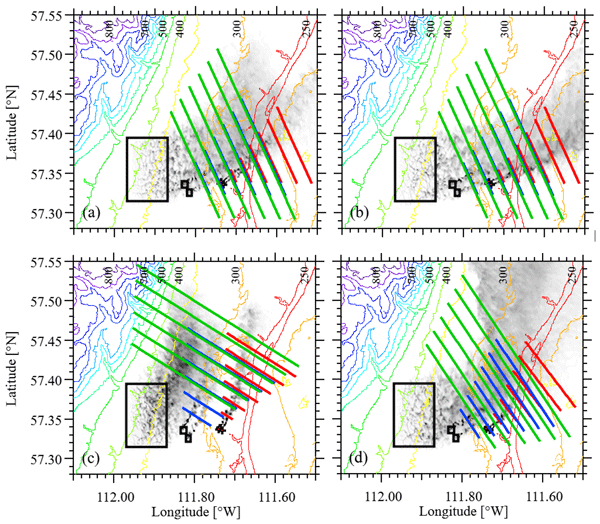
Optimizing airborne emission rate retrievals with sub-hectometre resolution numerical modelling
Atmos. Meas. Tech., 19, 3911–3931, 2026
16 Jun 2026
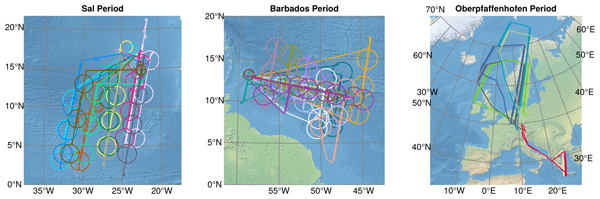
Persistent EarthCARE underflight studies of the ITCZ and organized convection (PERCUSION): contribution to EarthCARE validation
Atmos. Meas. Tech., 19, 3933–3959, 2026