the Creative Commons Attribution 4.0 License.
the Creative Commons Attribution 4.0 License.
 | 09 Jul 2026
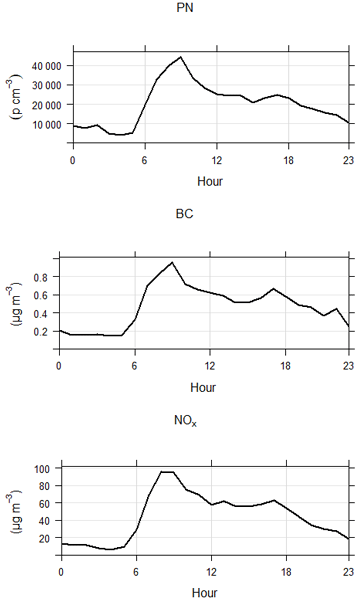
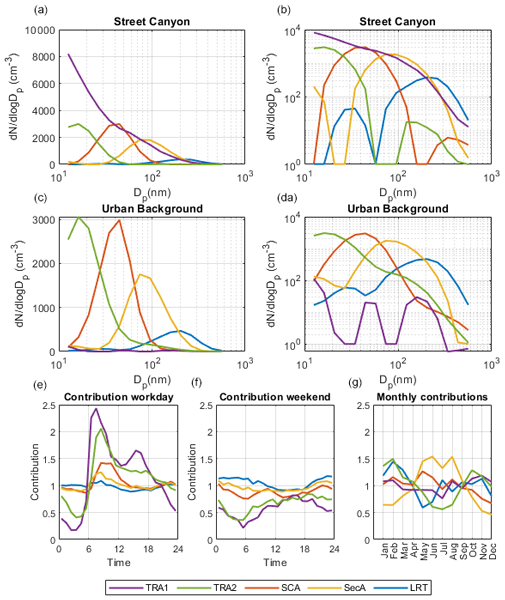
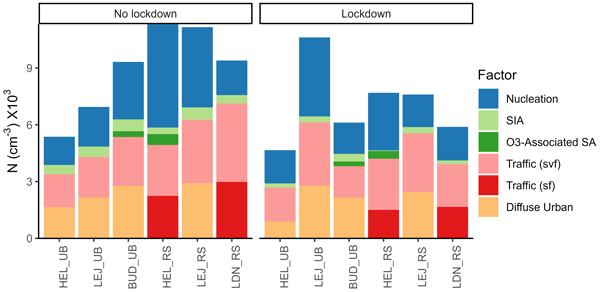
Comparison of particle number concentrations measured with AQ Urban sensors in two different environments in Helsinki, Finland
Kimmo Teinilä

Teemu Lepistö
Jarkko V. Niemi
Harri Portin
Anssi Julkunen
Anu Kousa
Joel Kuula
Hanna E. Manninen
Pasi Aalto
Tuukka Petäjä
Topi Rönkkö
Erkka Saukko
Hilkka Timonen
Related authors
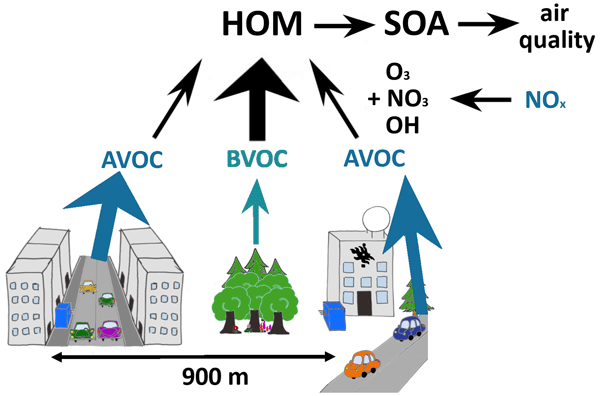
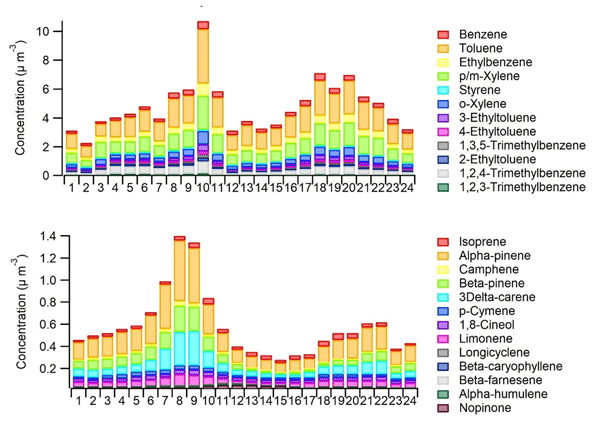
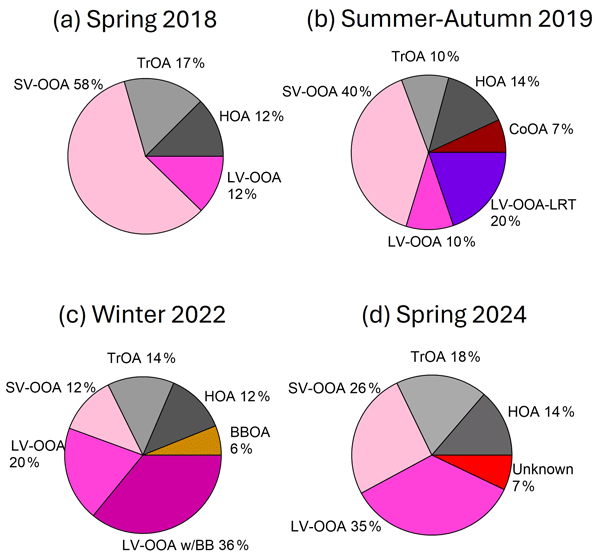
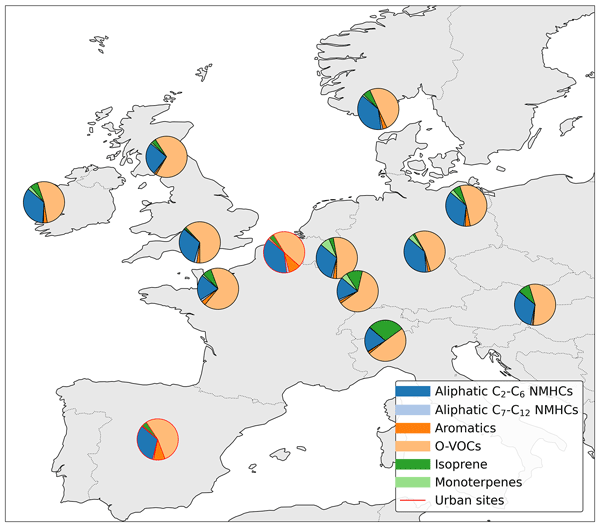
This study presents a new approach to quantify anthropogenic terpene emissions by measuring VOCs during winter, when biogenic emissions are negligible. Measurements in Helsinki showed that although anthropogenic terpenes accounted for less than 1 % of VOC mass, they made a disproportionately large contribution to atmospheric reactivity. The findings highlight the importance of including anthropogenic terpene emissions in urban air quality studies and atmospheric chemistry models.

This study presents a new approach to quantify anthropogenic terpene emissions by measuring VOCs during winter, when biogenic emissions are negligible. Measurements in Helsinki showed that although anthropogenic terpenes accounted for less than 1 % of VOC mass, they made a disproportionately large contribution to atmospheric reactivity. The findings highlight the importance of including anthropogenic terpene emissions in urban air quality studies and atmospheric chemistry models.
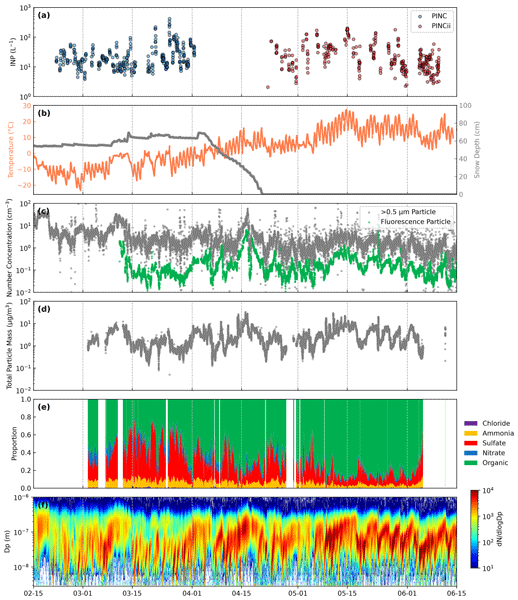
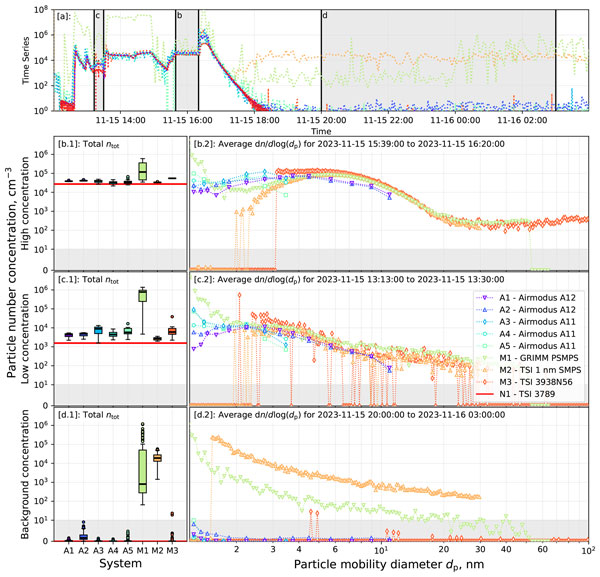

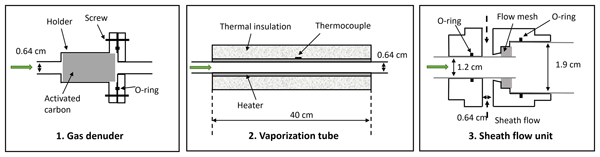
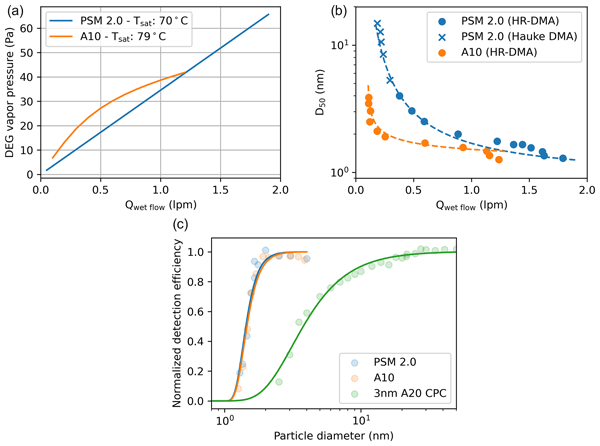
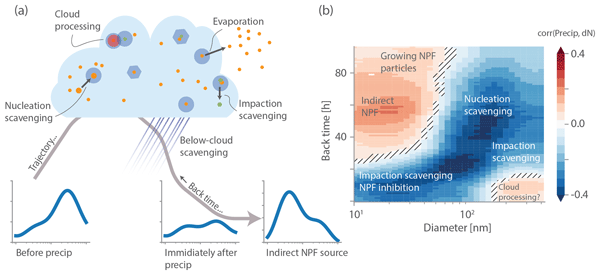
We present a novel version of an aerosol number size distribution instrument, showcasing its capability to measure particle number concentration and particle number size distribution between 1 and 12 nm. Our results show that the instrument agrees well with existing instrumentation and allows for both the accurate measurement of the smallest particles and overlap with more conventional aerosol number size distribution instruments.