the Creative Commons Attribution 4.0 License.
the Creative Commons Attribution 4.0 License.
 | 19 Nov 2026
Harmonizing measurements of oxidative potential of PM: an interlaboratory comparison of the ascorbic acid assay
Anouk Marsal

Fabrizia Cavalli
Elise Di Antonio
Stephan Houdier
Pamela Dominutti
Sophie Darfeuil
Jean-Luc Jaffrezo
Stéphane Sauvage
Jean-Philippe Putaud
Ian Mudway
Athanasios Nenes
Aikaterini Bougiatioti
Nikolaos Mihalopoulos
André S. H. Prévôt
Despina Paraskevopoulou
Ana Cvitešić Kušan
Sanja Frka
Ana Kroflič
Ajda Delić
Blanka Tariba Lovaković
Andreja Jurič
Carolina Molina
Daniele Contini
Maria Rachele Guascito
Mathilde Lintz
Davy Rousset
Hartmut Herrmann
Eduardo J. d. S. Souza
Frédéric Ledoux
Marc Fadel
Haoran Yu
Jianzhen Yu
Maria Teresa Baeza Romero
Maria Cerrato-Alvarez
Marloes van Os
Mathilde N. Delaval
Yamaris Mercedes Mena Cabrera
Nicole Trieu
Greg Evans
Nuria Galindo
Noelia Gómez-Sanchez
Hana Hlaváčková
Pavel Mikuška
Shrutika Kadam
Pourya Shahpoury
Purificación López-Mahía
Jorge Moreda-Piñeiro
Rico K. Y. Cheung
Markus Kalberer
Micol Introna
Sarah S. Steimer
Zhuoying Lin
Suzanne E. Paulson
Saima Iram
Svetlana Stevanovic
Thomas Audoux
Laurent Y. Alleman
Jianing Liu
Ting Fang
P. S. Ganesh Subramanian
Vishal Verma
Tuukka Petäjä
Xavier Querol
Gerard Hoek
Roy M. Harrison
Related authors
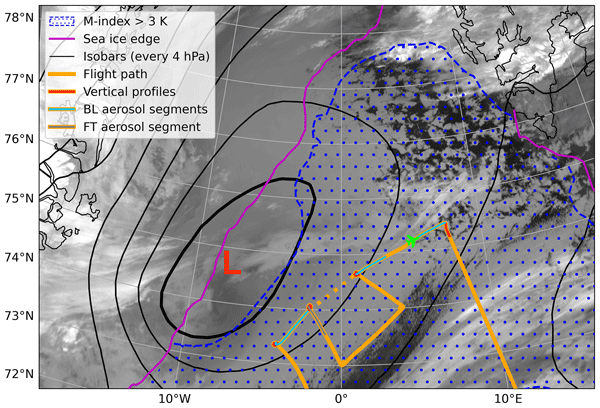
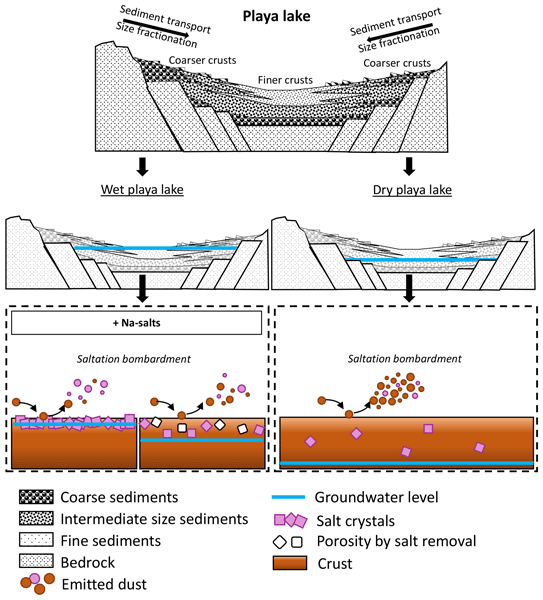
The processes that establish how mixed-phase closed-cell clouds transition to open-cells are poorly known. First-of-its kind aircraft observations document such a transition in the presence of anomalously high aerosol concentrations, reducing the drop size thereby discouraging riming, over the Nordic Seas at cloud temperatures < −15 °C. Eventually, ice precipitation produces surface cold pools that appear to drive the convective transition, despite strong counteracting surface fluxes.
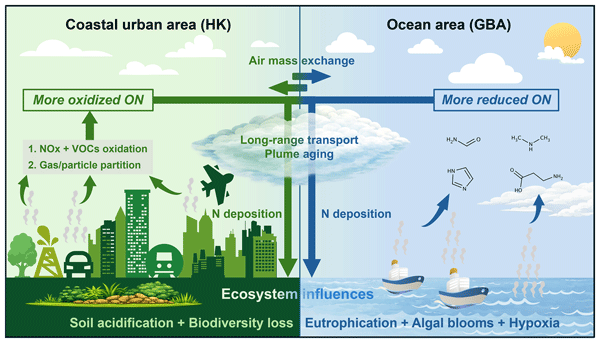
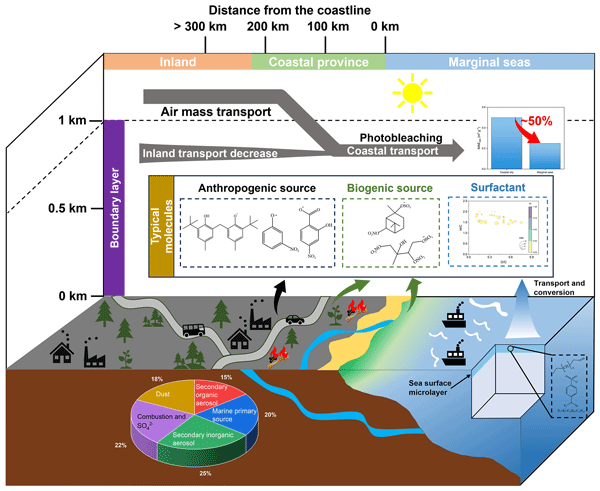
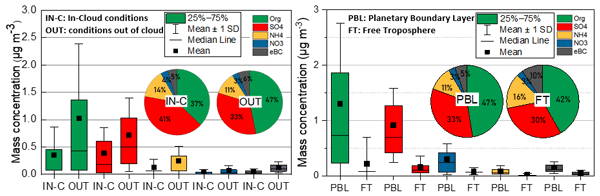
Coastal waters receive nitrogen from the air, but its chemical forms are poorly understood. We sampled airborne particles during a cruise in the Guangdong–Hong Kong–Macau Greater Bay Area and at an urban site in Hong Kong. Nitrogen chemistry differed between urban and marine air, and carbon-containing nitrogen declined offshore. Fine particles supplied nitrogen to coastal waters, highlighting the need to consider its chemical form when assessing nutrient inputs and potential ecosystem effects.

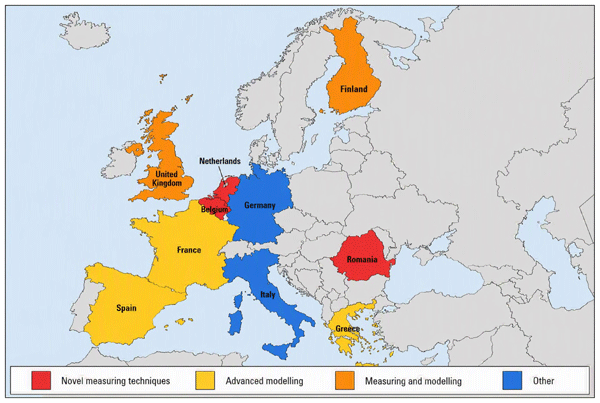

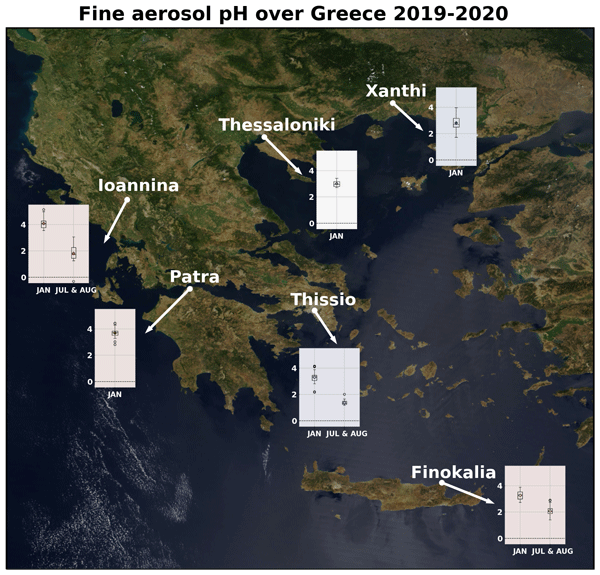
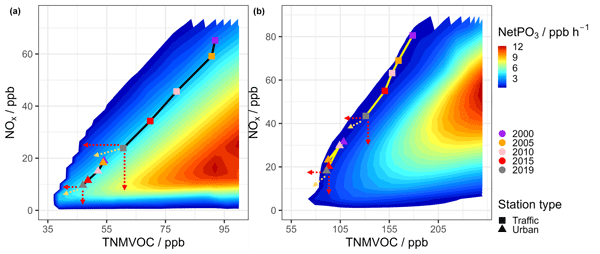

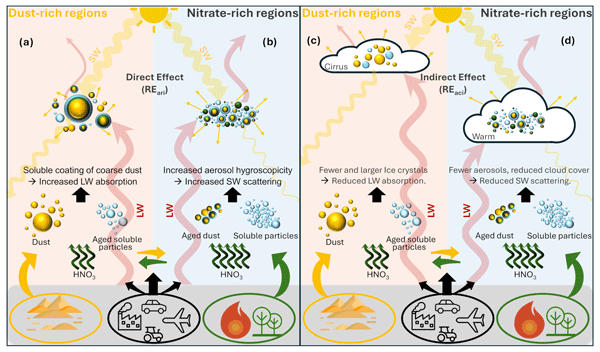

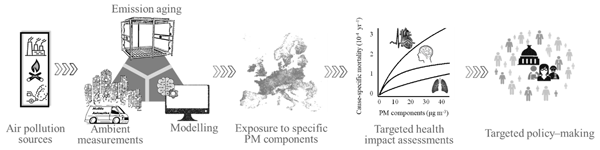
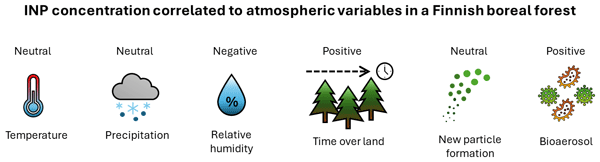
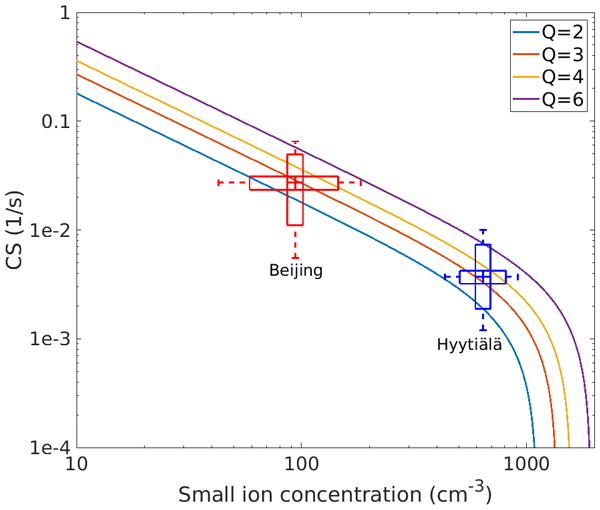
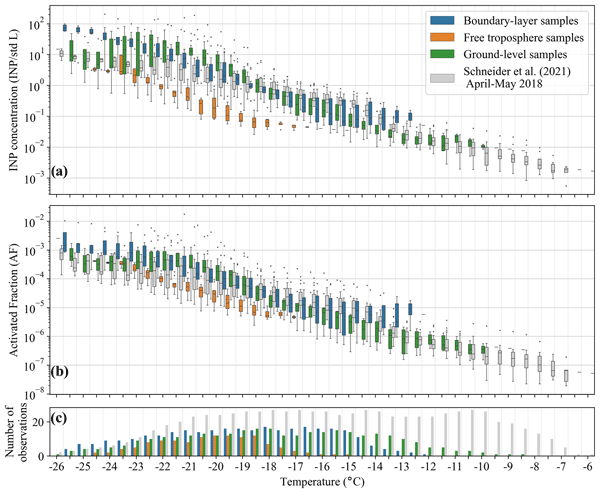
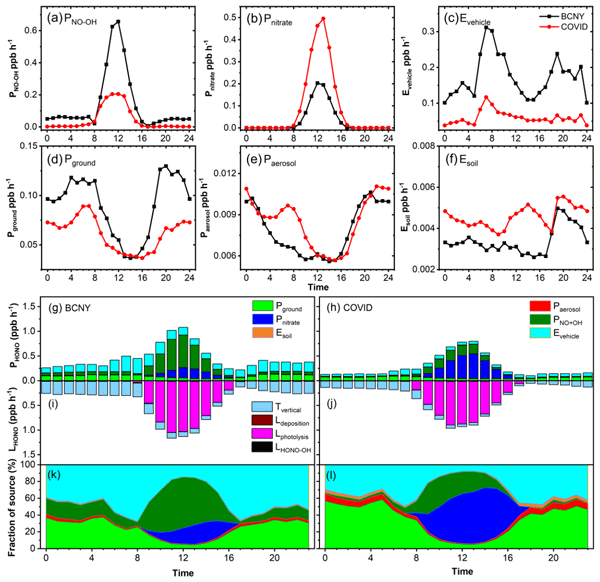
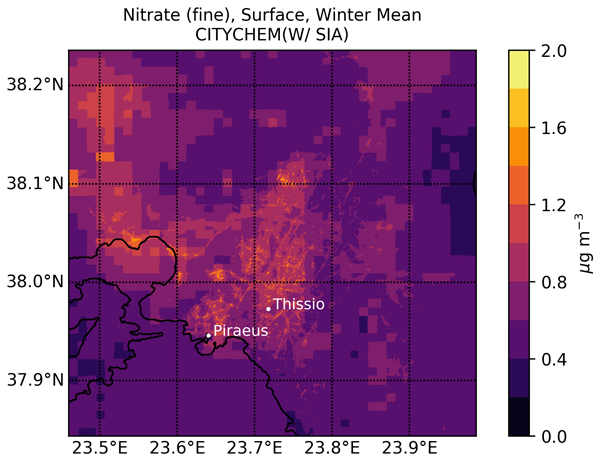
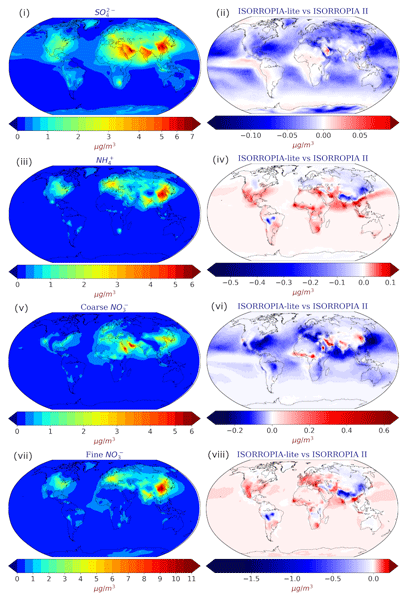
A state-of-the-art thermodynamic model has been coupled with the city-scale chemistry transport model EPISODE–CityChem to investigate the equilibrium between the inorganic gas and aerosol phases over the greater Athens area, Greece. The simulations indicate that the formation of nitrates in an urban environment is significantly affected by local nitrogen oxide emissions, as well as ambient temperature, relative humidity, photochemical activity, and the presence of non-volatile cations.
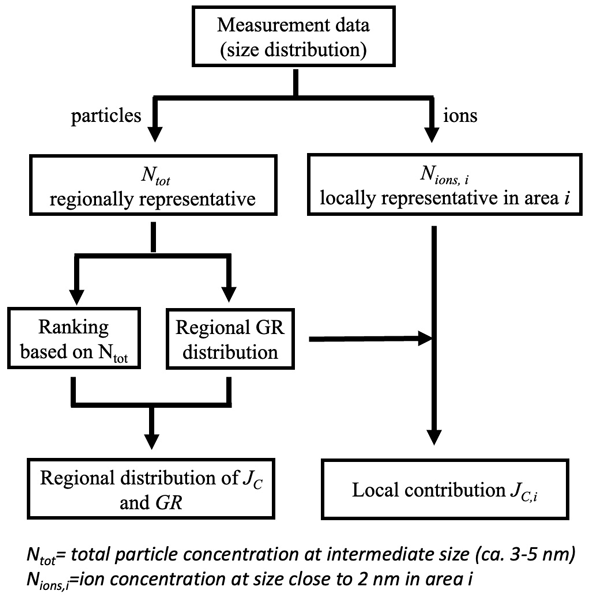
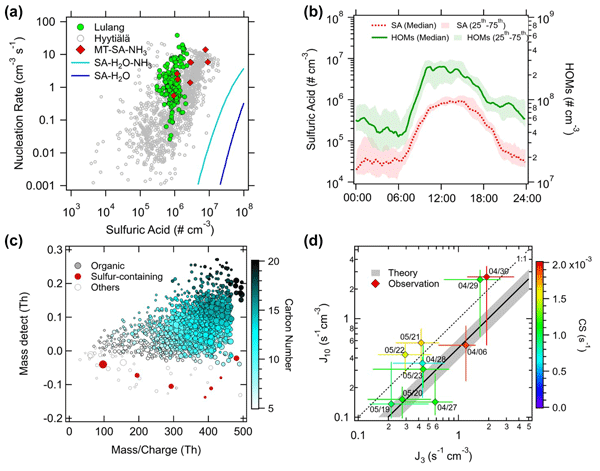
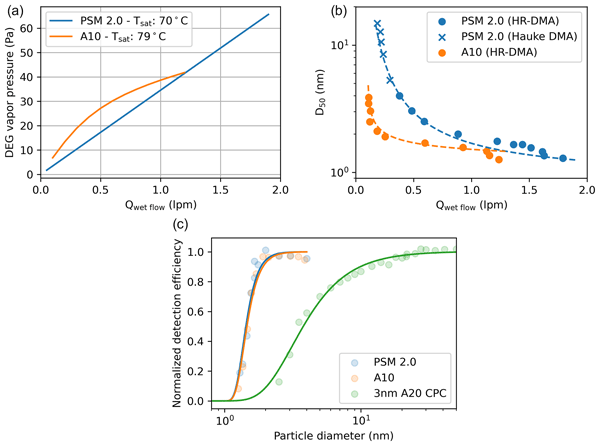
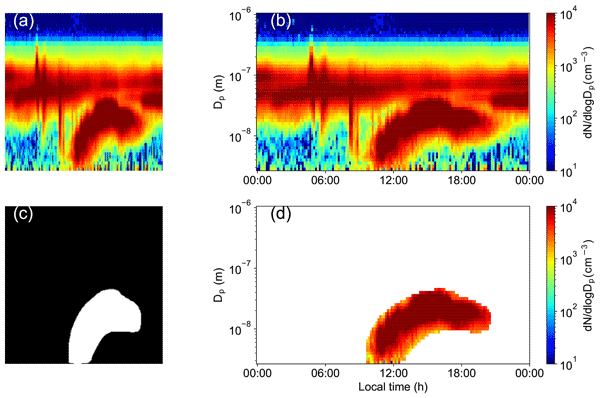
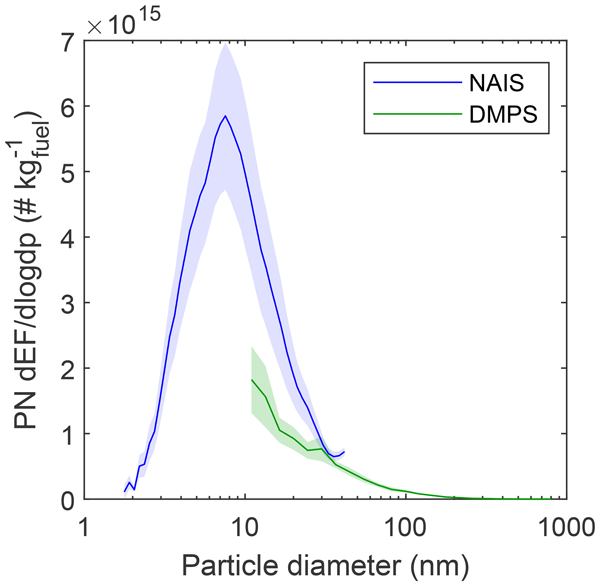
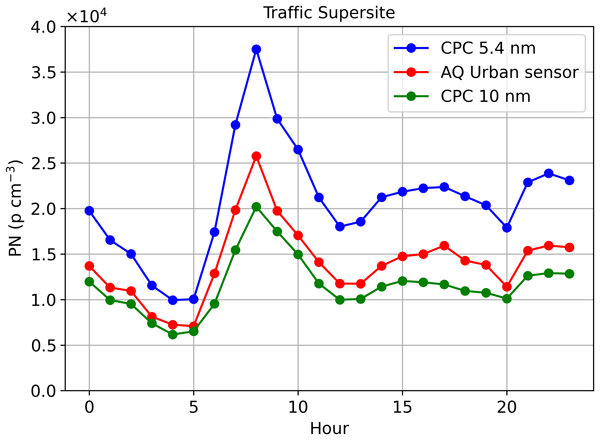
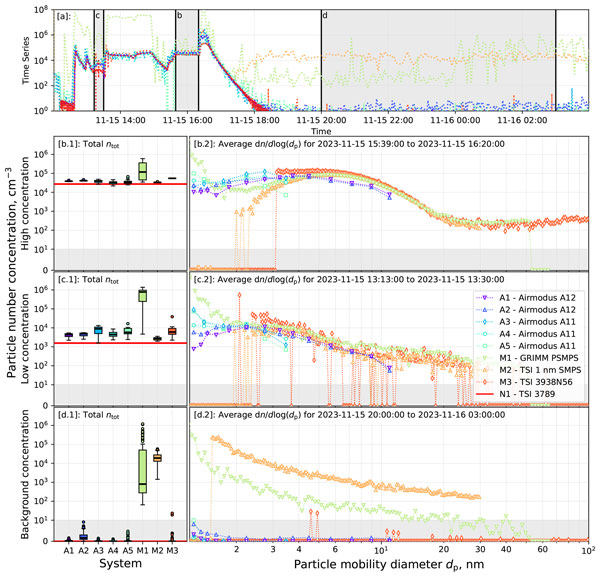
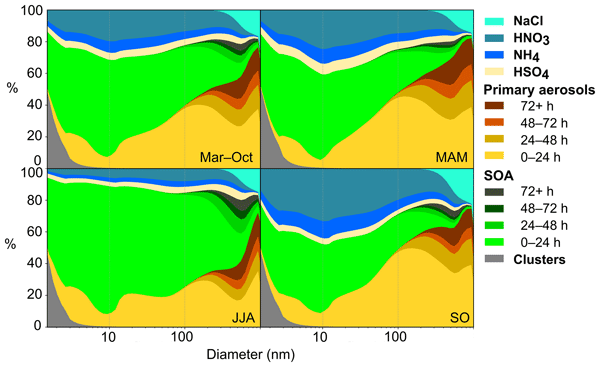
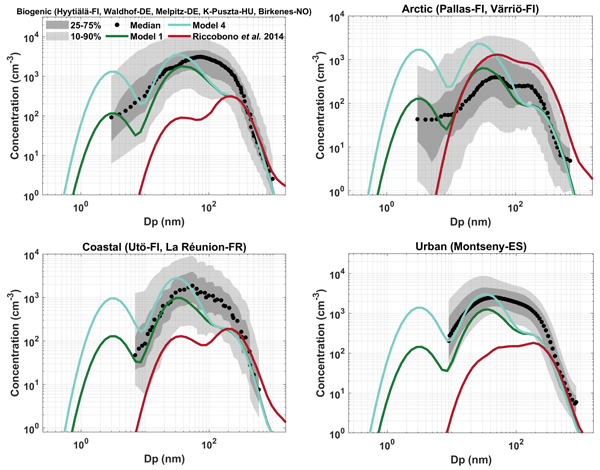
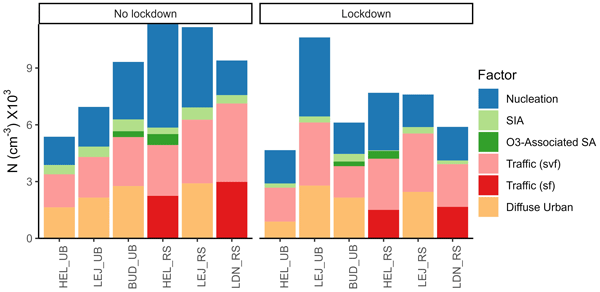
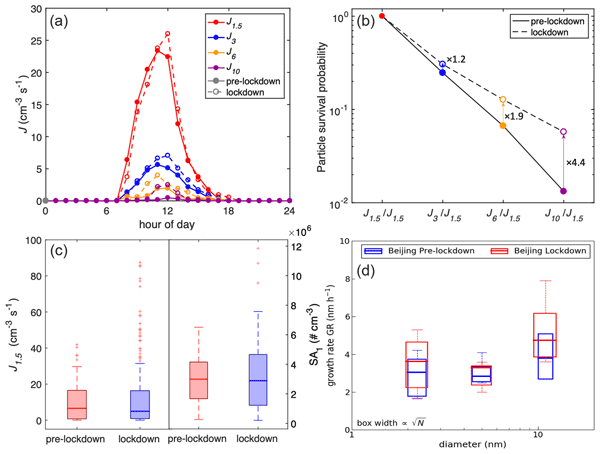
We present a novel version of an aerosol number size distribution instrument, showcasing its capability to measure particle number concentration and particle number size distribution between 1 and 12 nm. Our results show that the instrument agrees well with existing instrumentation and allows for both the accurate measurement of the smallest particles and overlap with more conventional aerosol number size distribution instruments.







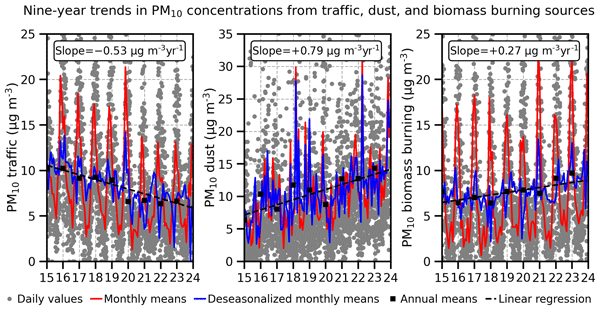
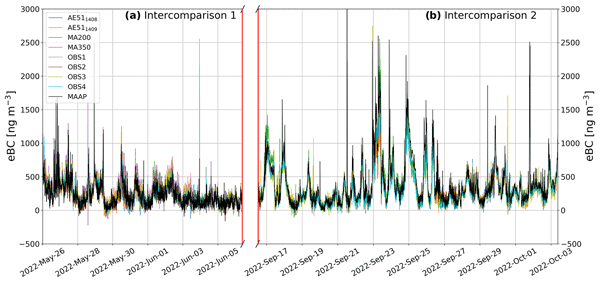
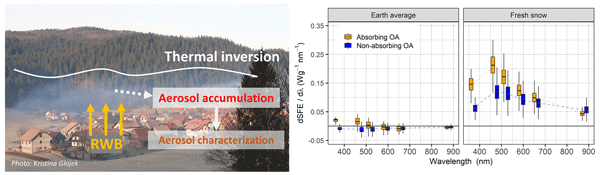
real-world laboratoryconditions was conducted. We found that measured black carbon (eBC) and particulate matter (PM) in rural shallow terrain depressions with residential wood burning could be much greater than predicted by models. The exceeding levels are a cause for concern since similar conditions can be expected in numerous hilly and mountainous regions across Europe, where approximately 20 % of the total population lives.