the Creative Commons Attribution 4.0 License.
the Creative Commons Attribution 4.0 License.
 | 26 May 2026
Calibrating interdependent photochemistry, nucleation, and aerosol microphysics in chamber experiments

Victoria Hofbauer
Henning Finkenzeller
Dominik Stolzenburg
Paulus S. Bauer
Randall Chiu
Lubna Dada
Jonathan Duplissy
Xu-Cheng He
Martin Heinritzi
Christopher R. Hoyle
Andreas Kürten
Aleksandr Kvashnin
Katrianne Lehtipalo
Naser Mahfouz
Vladimir Makhmutov
Roy L. Mauldin III
Ugo Molteni
Lauriane L. J. Quéléver
Matti Rissanen
Siegfried Schobesberger
Mario Simon
Andrea C. Wagner
Mingyi Wang
Penglin Ye
Ilona Riipinen
Hamish Gordon
Joachim Curtius
Armin Hansel
Imad El Haddad
Markku Kulmala
Douglas R. Worsnop
Rainer Volkamer
Paul M. Winkler
Jasper Kirkby
Richard Flagan
Related authors

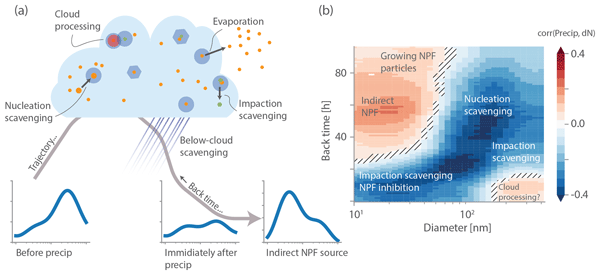
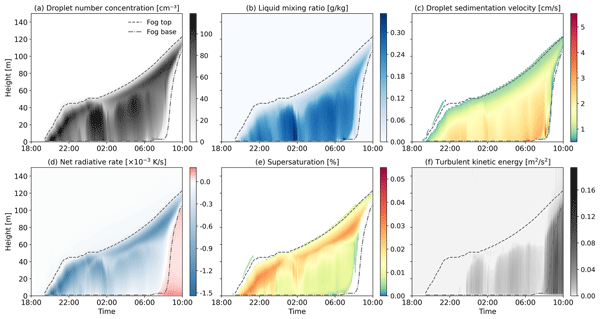

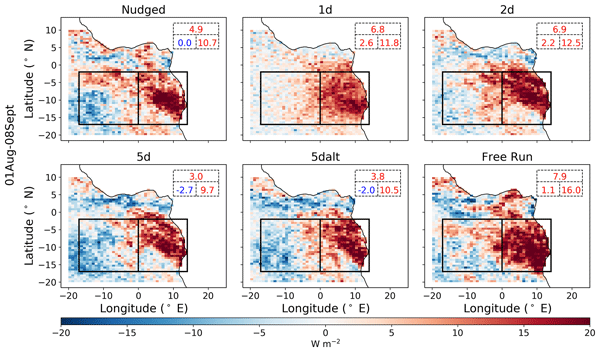
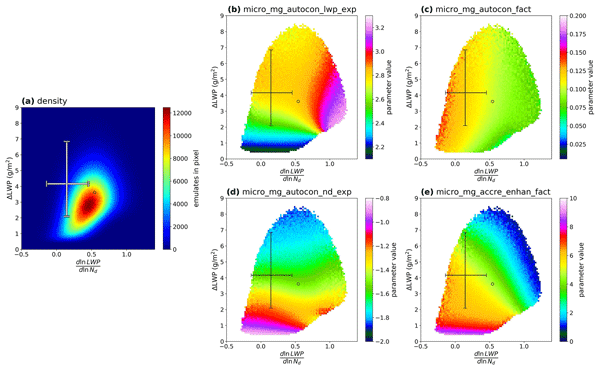
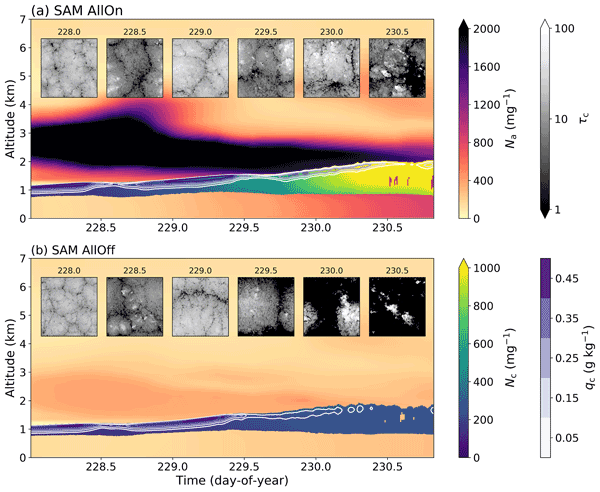
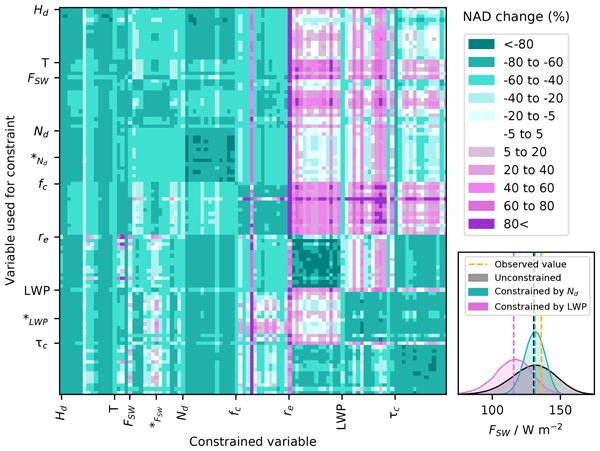
Whether increased aerosol increases or decreases liquid cloud mass has been a longstanding question. Observed correlations suggest that aerosols thin liquid cloud, but we are able to show that observations were consistent with an increase in liquid cloud in response to aerosols by leveraging a model where causality could be traced.

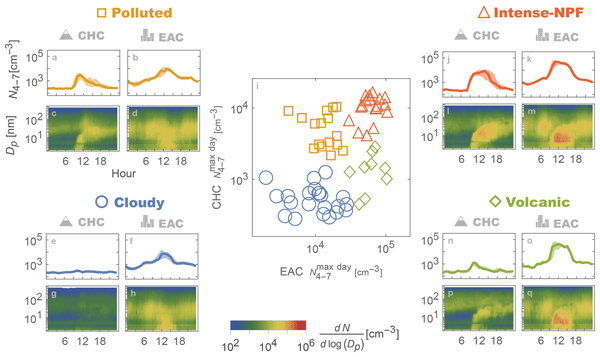
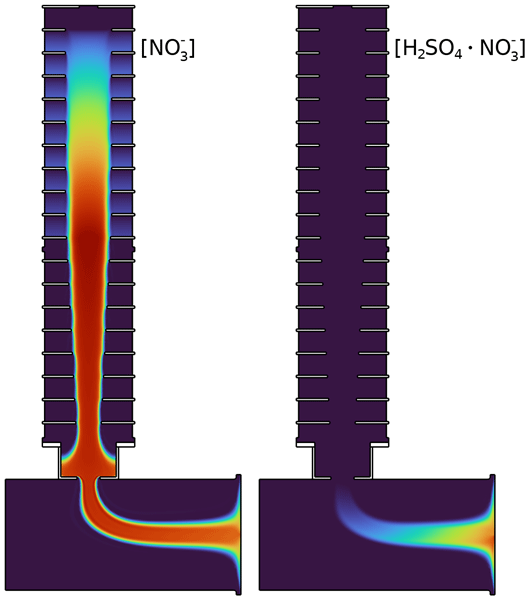
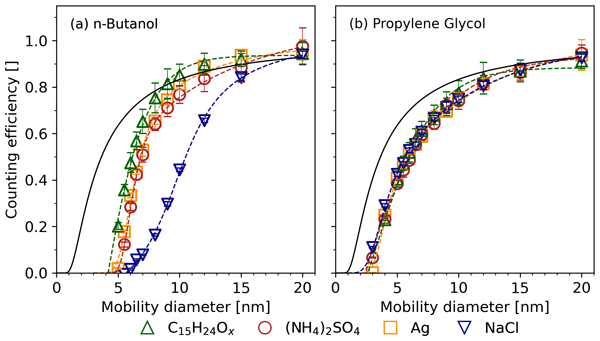
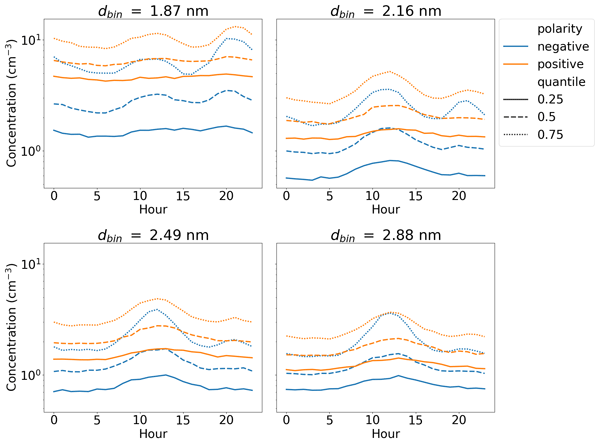
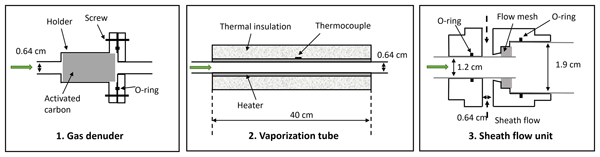
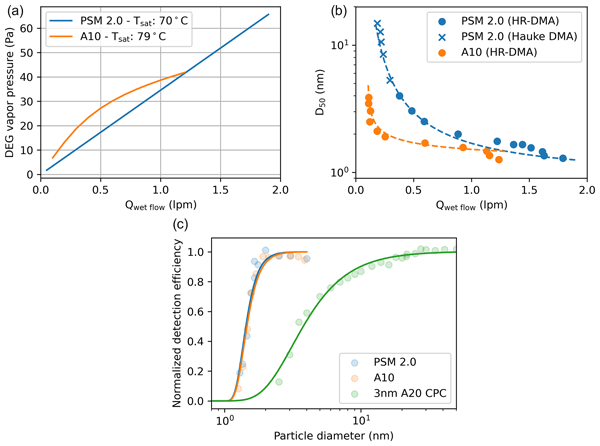
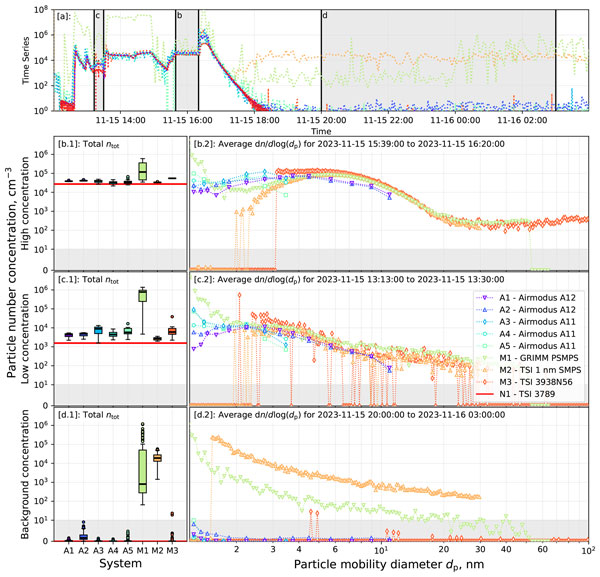
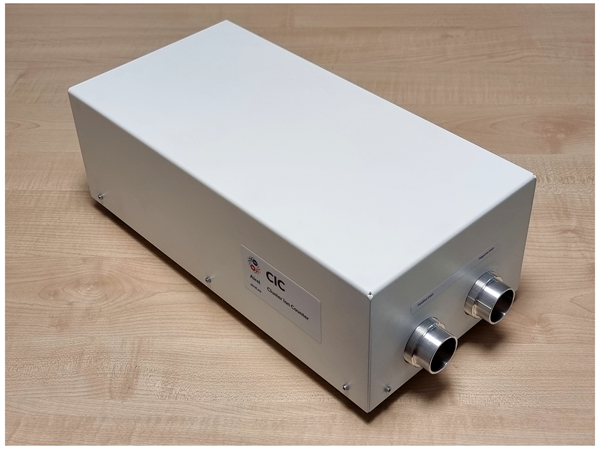
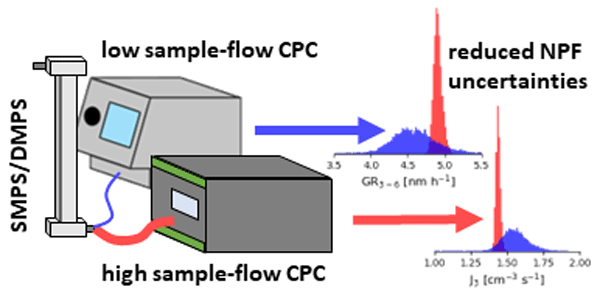
We present a novel version of an aerosol number size distribution instrument, showcasing its capability to measure particle number concentration and particle number size distribution between 1 and 12 nm. Our results show that the instrument agrees well with existing instrumentation and allows for both the accurate measurement of the smallest particles and overlap with more conventional aerosol number size distribution instruments.

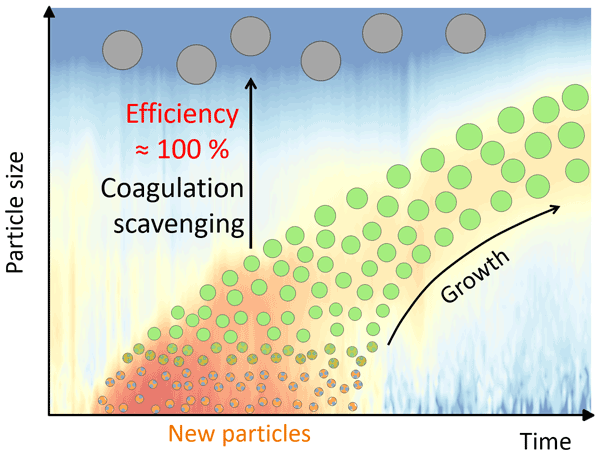
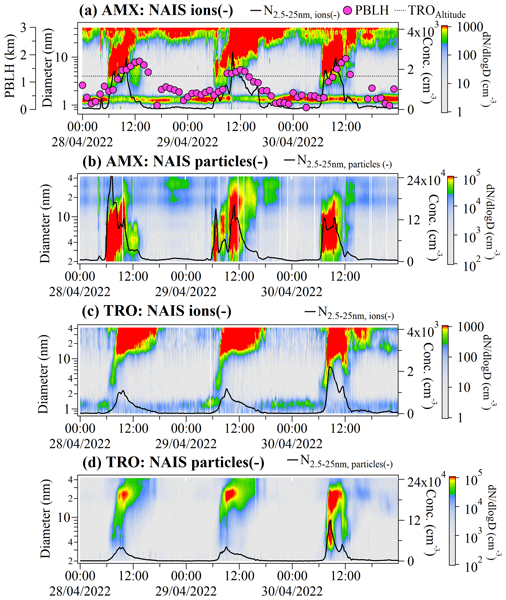
closed loopfor aerosol formation, transport and growth.